CLOTHES MAKETH NOT THE MAN

WEDNESDAY 13th MAY 2020

CLOTHES MAKETH NOT THE MAN 

by John Yeo

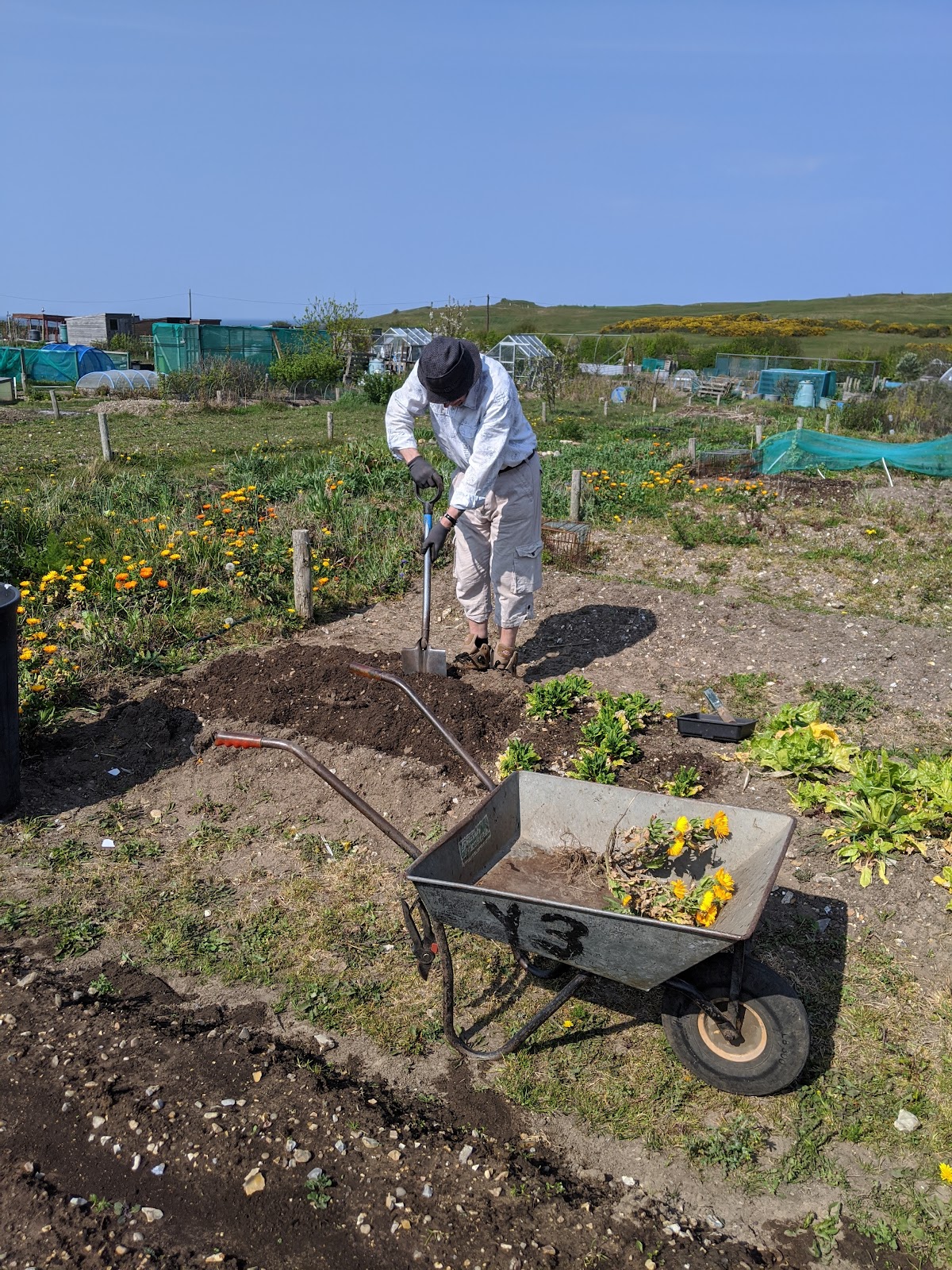
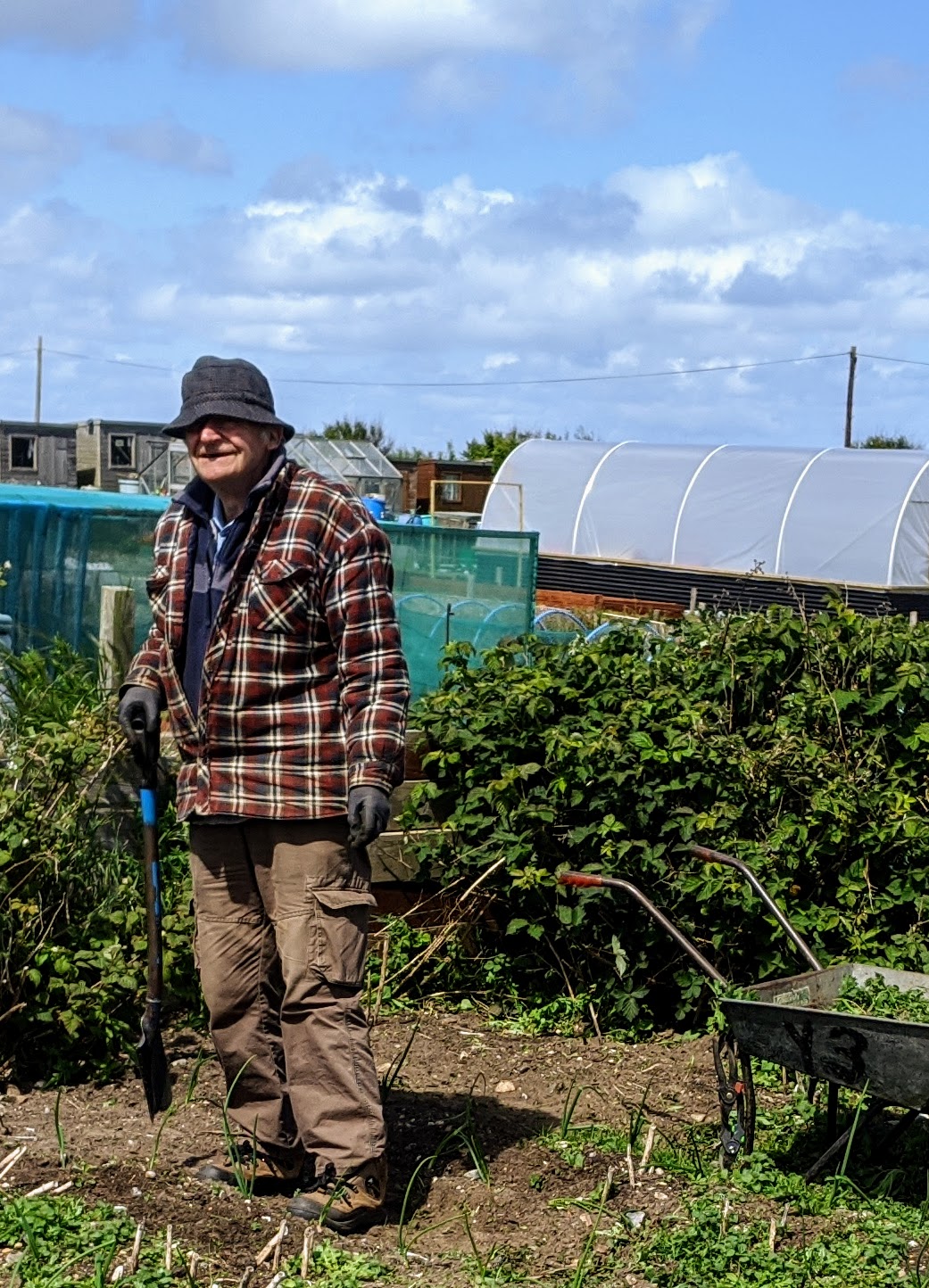
  This photograph was taken by Margaret on the allotment today. 

It was quite a windy day and I had dressed for the weather by donning layers. Beneath my padded red check shirt is a warm fleece that covers yet another cotton shirt.

I’m also wearing my favourite gardening hat. I’ve had this old hat for many years now and it’s become something of my allotment trade mark. It serves as protection from the sun and is certainly a good form of shelter from rainfall. A stranger looking at this photograph may see a scruffy working man or perhaps a traveller in search of somewhere to park the van.

 Looking at this picture through my eyes set me thinking of the way others see us. We all have ways of dressing that portray different images for different occasions.
For example when we are following a dress code, a formal outfit would look really out of place on the allotment asparagus beds. The old adage; ‘Never judge a book by its cover,’ makes a lot of sense when the story has many levels and many different situations that could serve as a picture to adorn the cover.

   Looking at the photograph again, it’s the surroundings that give the biggest clue. Supposing the surroundings were suddenly changed and the gardening clothes were seen out of context. Perhaps if I desperately needed something from town and I walked along the High Street, dressed as above. Shuffling along in my heavy gardening boots with my trusty hat, firmly jammed on my head, I could be summed up as an eccentric local yokel just off a farm, on an errand for the boss. 

  Of course the other side of the argument would be the logic behind wearing uniforms. In a hospital for example uniforms instantly identify the area where one works, or the level of the hierarchy where that job is located.

 Needless to say the well known uniforms of the forces, the police and some of the other emergency services provide instant recognition.

  The well known logic behind wearing school uniforms as a way of equalising the economic backgrounds of the pupils is another case in point.

   Going back to the allotment uniform, I remember a well-to-do lady who wore a tatty, branded Barbour coat, day-in-day-out on her allotment until it nearly fell off her shoulders. Eventually when the smiles got obvious and the grins got broader, our lady went out and bought herself a new coat. Sadly not a Barbour, and with this new look she almost became a different person in the eyes of her fellow allotmenteers.

Love ♥️ and Peace ☮️ to all from John and Margaret

© Written by John Yeo all rights reserved.
RHUBARB, RHUBARB, RHUBARB

TUESDAY 12th MAY 2020

RHUBARB, RHUBARB, RHUBARB

by John Yeo

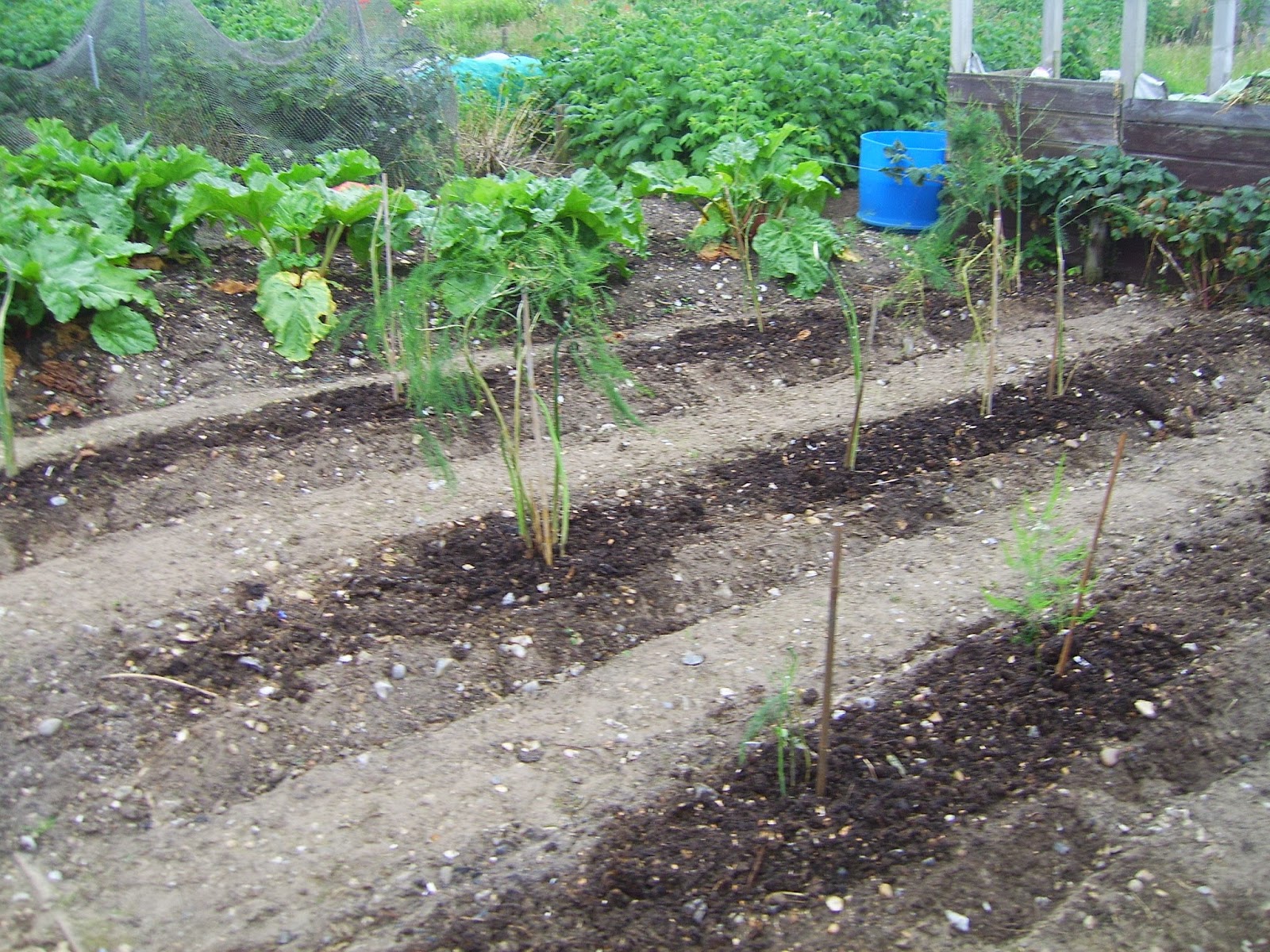
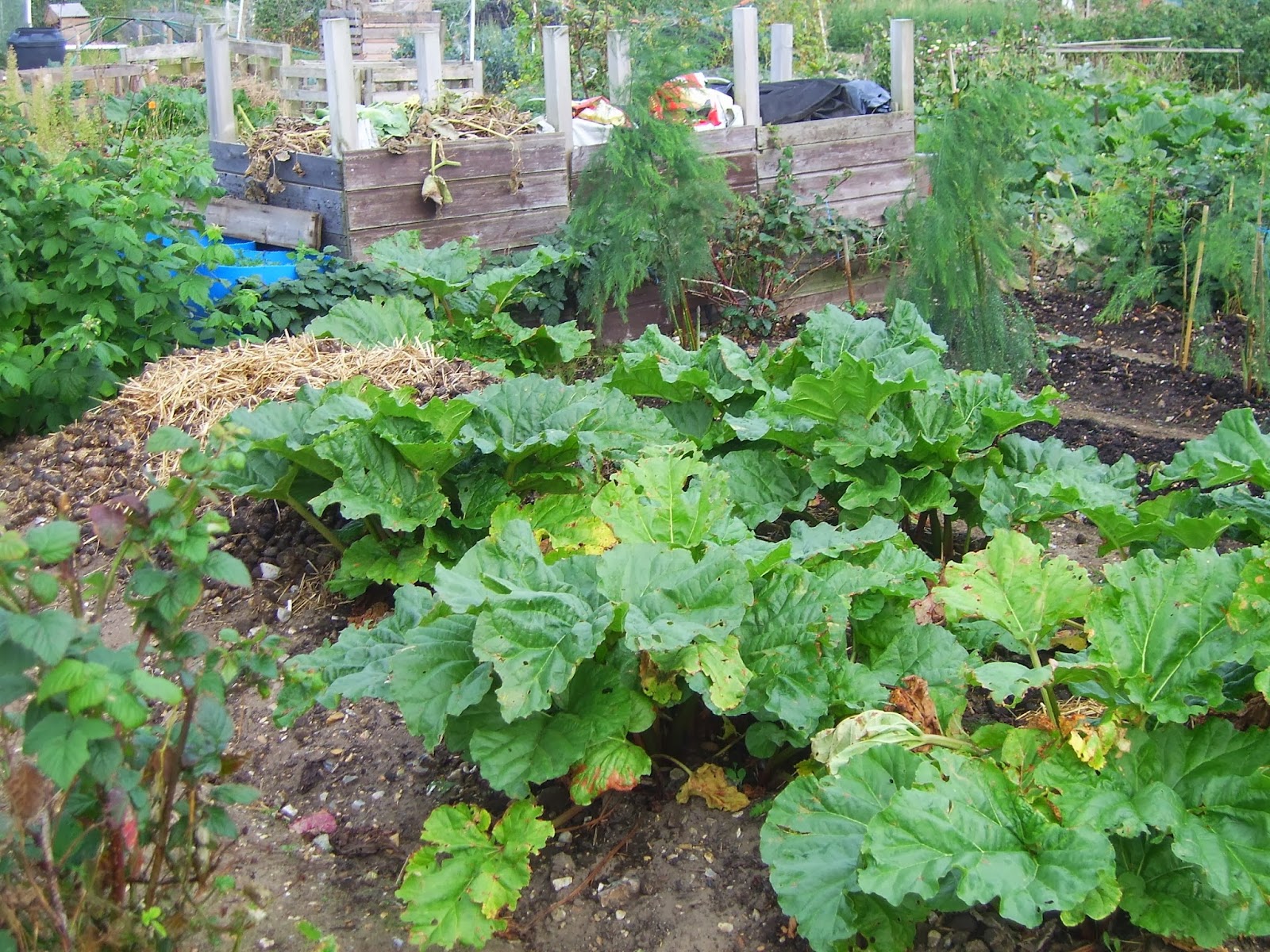
   I was musing to myself whilst I was hard at work on the allotment today. How can an institution own a plant that was purchased by someone who had rented an allotment. I have grown and nurtured many plants on my allotment over the years, including perennial plants such as Rhubarb, Raspberry bushes, Gooseberry bushes and even my healthy Asparagus plants. These will grow on for many years to come, for example Asparagus is expected to last for 20 years.

   One of my Rhubarb plants had sadly passed away. I can’t think of a reason why this should suddenly happen, the plant just suddenly shrivelled and died. I did grow some large Globe Artichokes quite close to this plant and I have a sneaking suspicion these may have been responsible for my wonderfully healthy Rhubarb plants early demise. Globe Artichokes are greedy feeders and they may have starved the Rhubarb of essential nourishment and moisture.

 My wife is quite clever at making different types of Rhubarb crumble and several other tart, tasty Rhubarb dishes. I bought a couple of replacement plants from a local garden centre, but to my surprise, neither of them took to this position in the garden at all.

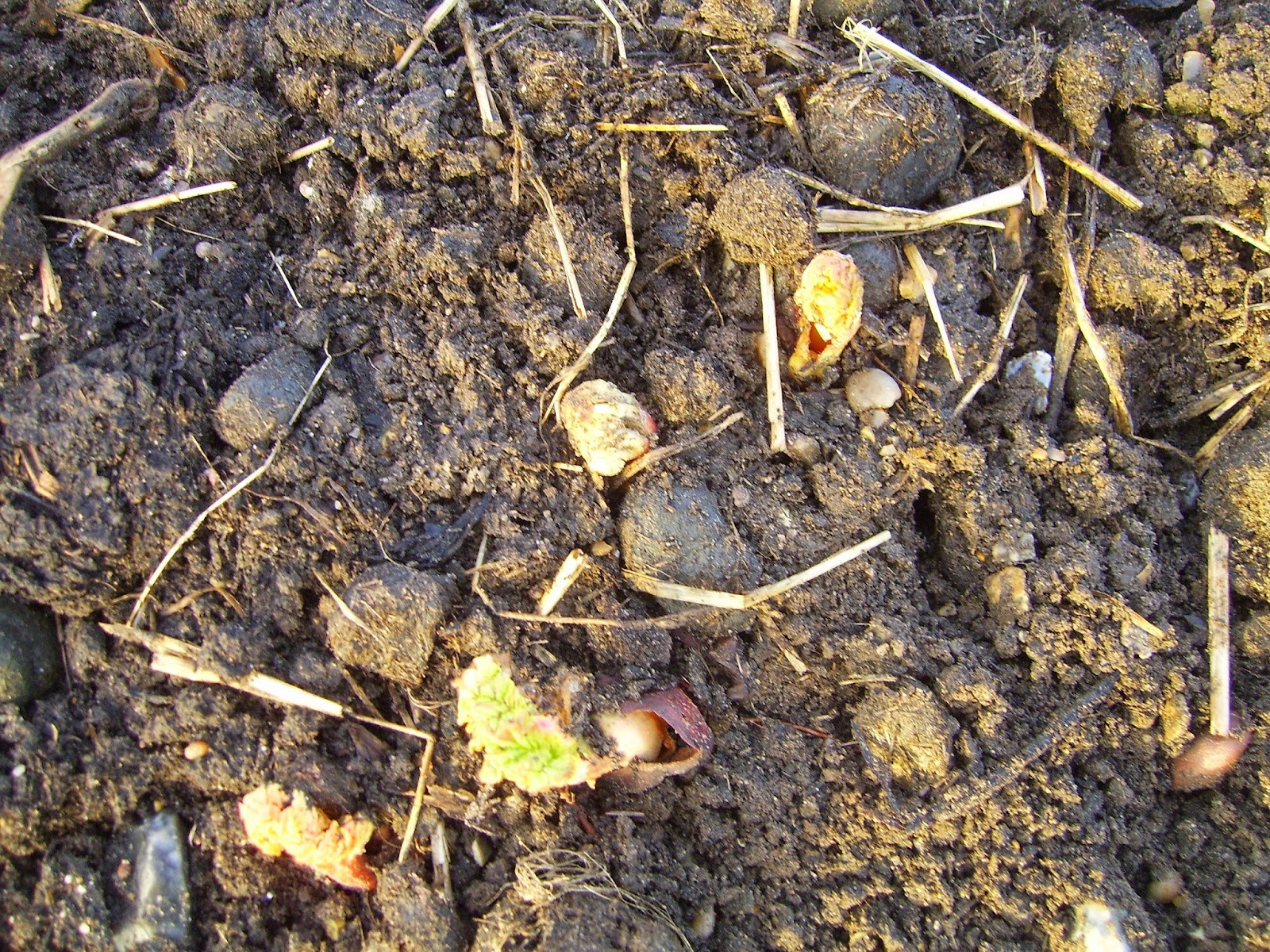
 I think it must be some anomaly within the soil. I persevered and dug in copious amounts of fertiliser without any success. One of the two plants seemed to just give up the ghost and the other just about feebly stayed alive, but no edible stalks appeared. I put this down to the fact it was probably because it was the first year of growth and perhaps I was being a bit too impatient.

  I remember ten years ago, a good friend of mine had some surplus Rhubarb plants and offered one to me, if I dug it up. I of course said, ‘Yes’. Then followed a strenuous couple of hours work as I began to tackle the job of digging up a well established Rhubarb plant. I never envisaged just how large and thick this Rhubarbs root system would be. It was like removing an Oak tree, by digging it up by the roots. Anyway perseverance made the day and I was left with this huge root. I then began the process of division, using a sharp spade to chop the root into sections. I was pleased to finish the job with six separate pieces of root that all grew into healthy plants quite quickly. Looking back, I think over the years, one of these sections had grown into the plant that had recently sadly died.

 I noticed some extremely healthy Rhubarb plants growing on a nearby allotment, where the tenants had given up and moved on.

When I enquired whether it would be possible to retrieve one of these plants as nobody was obviously working on the allotment this year. I was informed that they had become the property of the landlord. However another friend donated a rooted Rhubarb plant that hopefully will go some way to rewarding us with a crop next year.

© Written by John Yeo ~ All rights reserved.

A WRITER’S HAWK

MONDAY 11th MAY 2020


A WRITER’S HAWK

by John Yeo


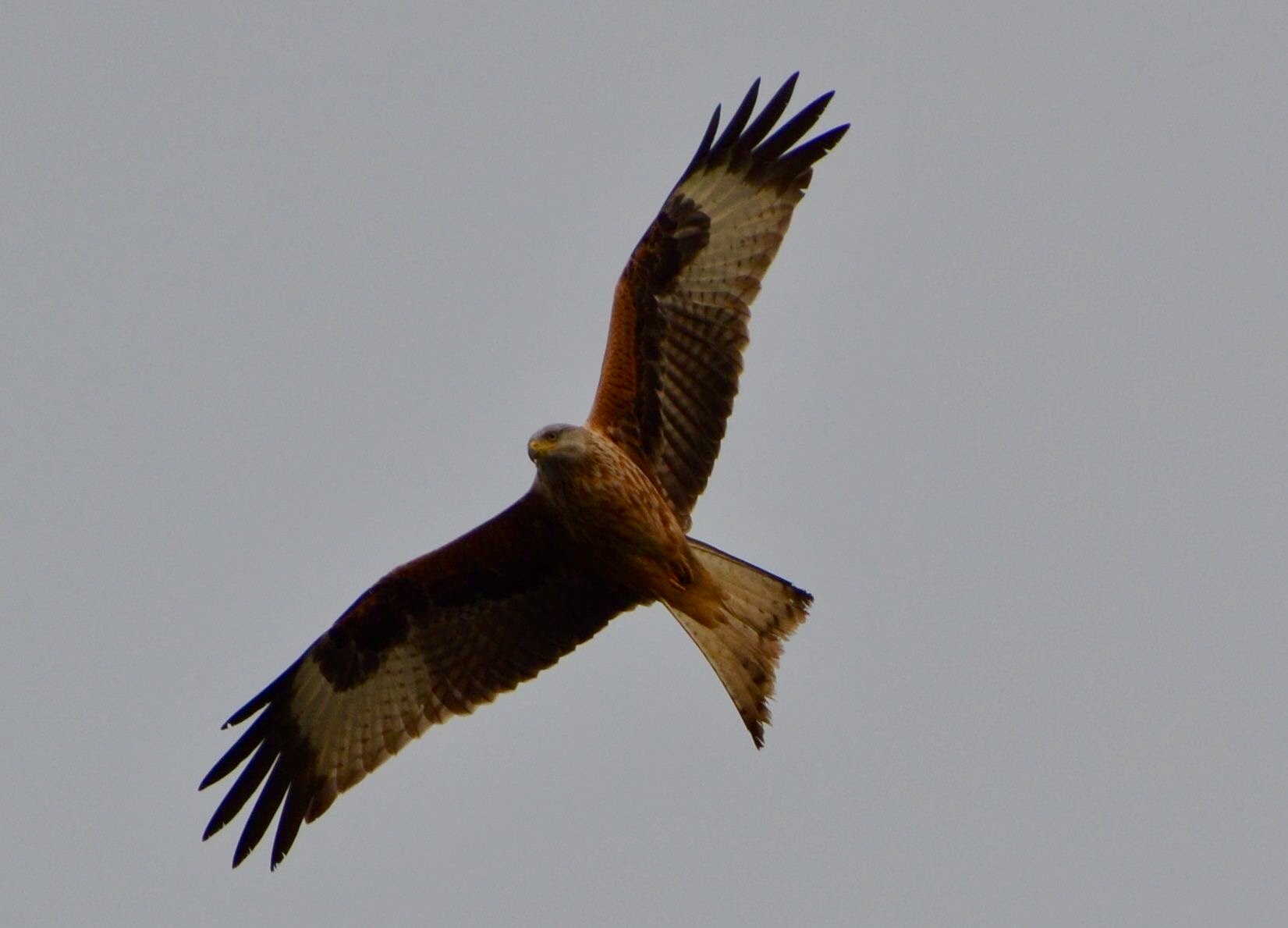
Soaring freely with the winds of time

Writing requires much persistence

Expressing feelings so hard to define.

~

Eyes searching the terrain sublime

Looking for inspirational subsistence

Soaring freely with the winds of time.

~

Swooping low before you can climb

Searching for continued existence

Expressing feelings so hard to define.

~

To stretch imagination is never a crime

In spite of harsh critical resistance

Soaring freely with the winds of time.

~

Fulfilling a hunger hard to prlme

Pushing hard with a sharp insistence

Expressing feelings so hard to define.

~

Hunting for perfection in any instance

Fighting against a passive resistance

Soaring freely with the winds of time

Expressing feelings so hard to define.


© Written by John Yeo all rights reserved

.


SPRING DECISIONS

SUNDAY 10th MAY 2020

SPRING DECISIONS

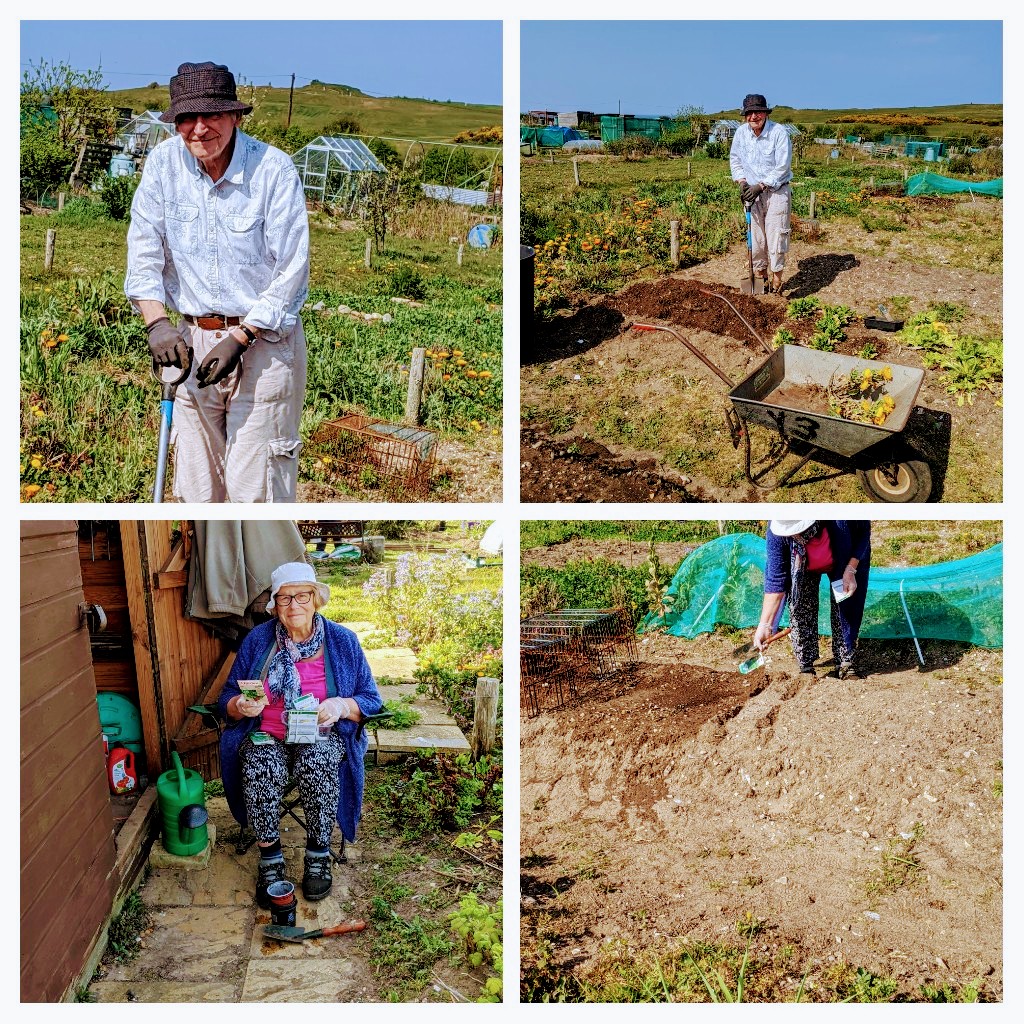
   We’ve been holding back from putting any plants in the ground on the allotment, due to the adverse weather conditions we’re experiencing, and are forecast for the next few days. The above collage shows some of the healthy looking plants Margaret and I have grown from seed and nurtured. We have baby Kale, Tomatoes, Leeks, Runner Beans, Beetroot, and many more tiny seedlings growing strongly. The larger green plantlets in the picture are Courgettes, looking  extraordinarily healthy. Last year, for some unknown reason, our Courgettes weren’t very successful. Usually we have a glut of wonderful Courgettes that threaten to grow into quite large marrows. We usually give some of these excess fruits away. Margaret was puzzling about how to use them until she discovered a recipe for Courgette cake. This turned out to be relatively easy to make and tasted delicious. We plan to take a chance and plant the Courgettes and Kale on this coming Thursday, although they will still require protection from any late frost. It would be tragic if we lost any of our tender plants to Jack Frost.

A WALK IN THE PARK

TUESDAY 5th MAY 2020

A WALK IN THE PARK

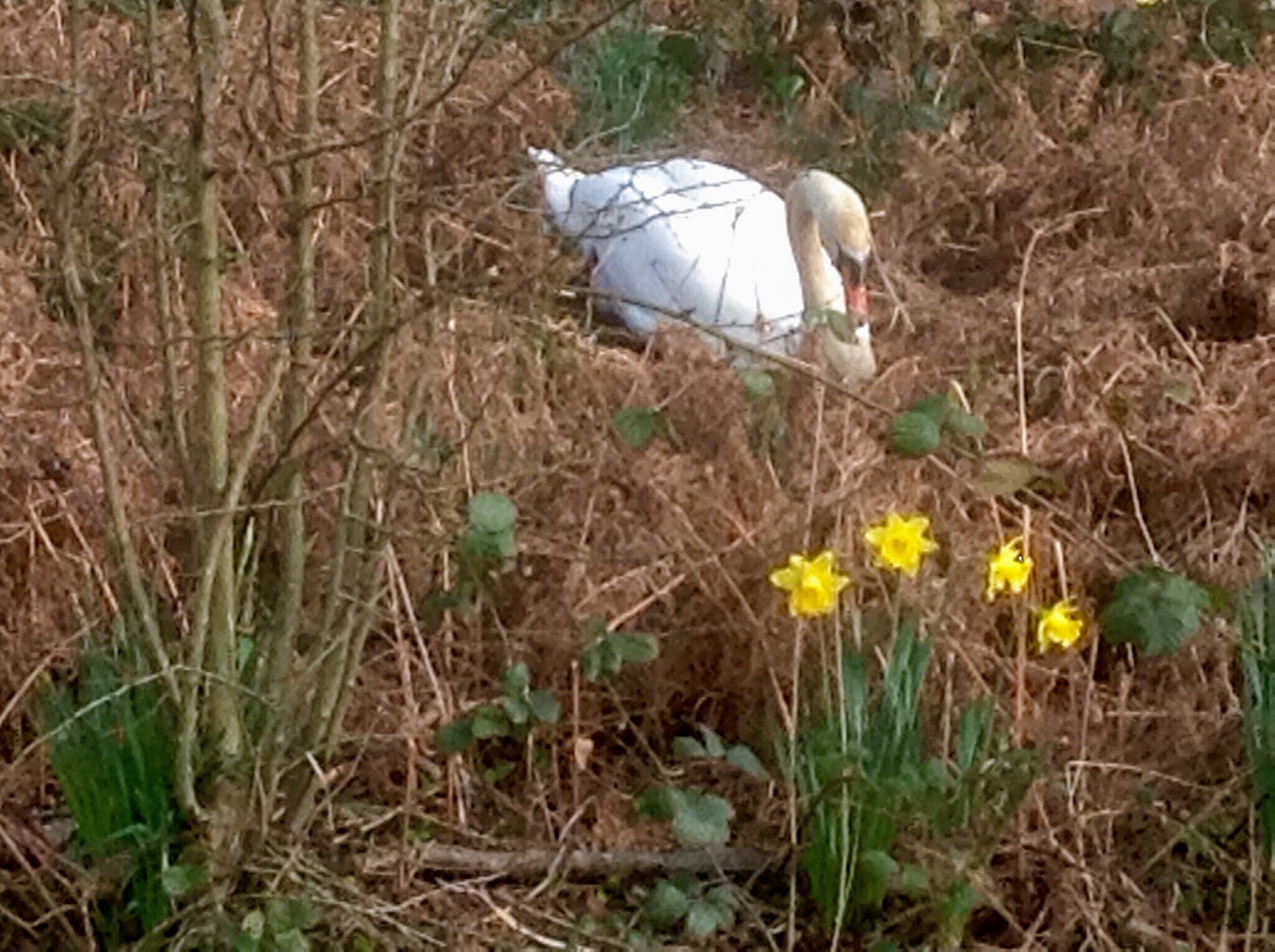
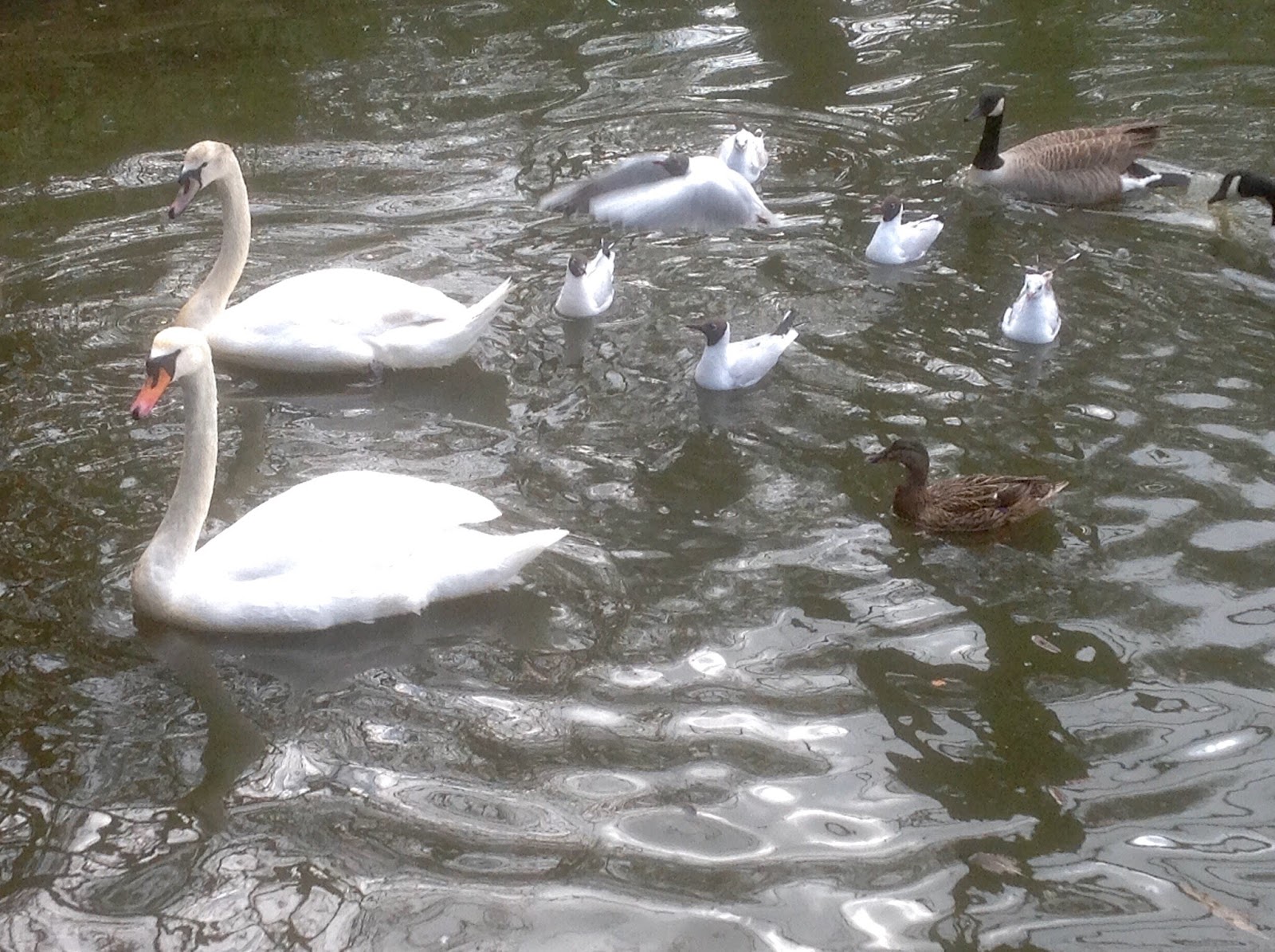
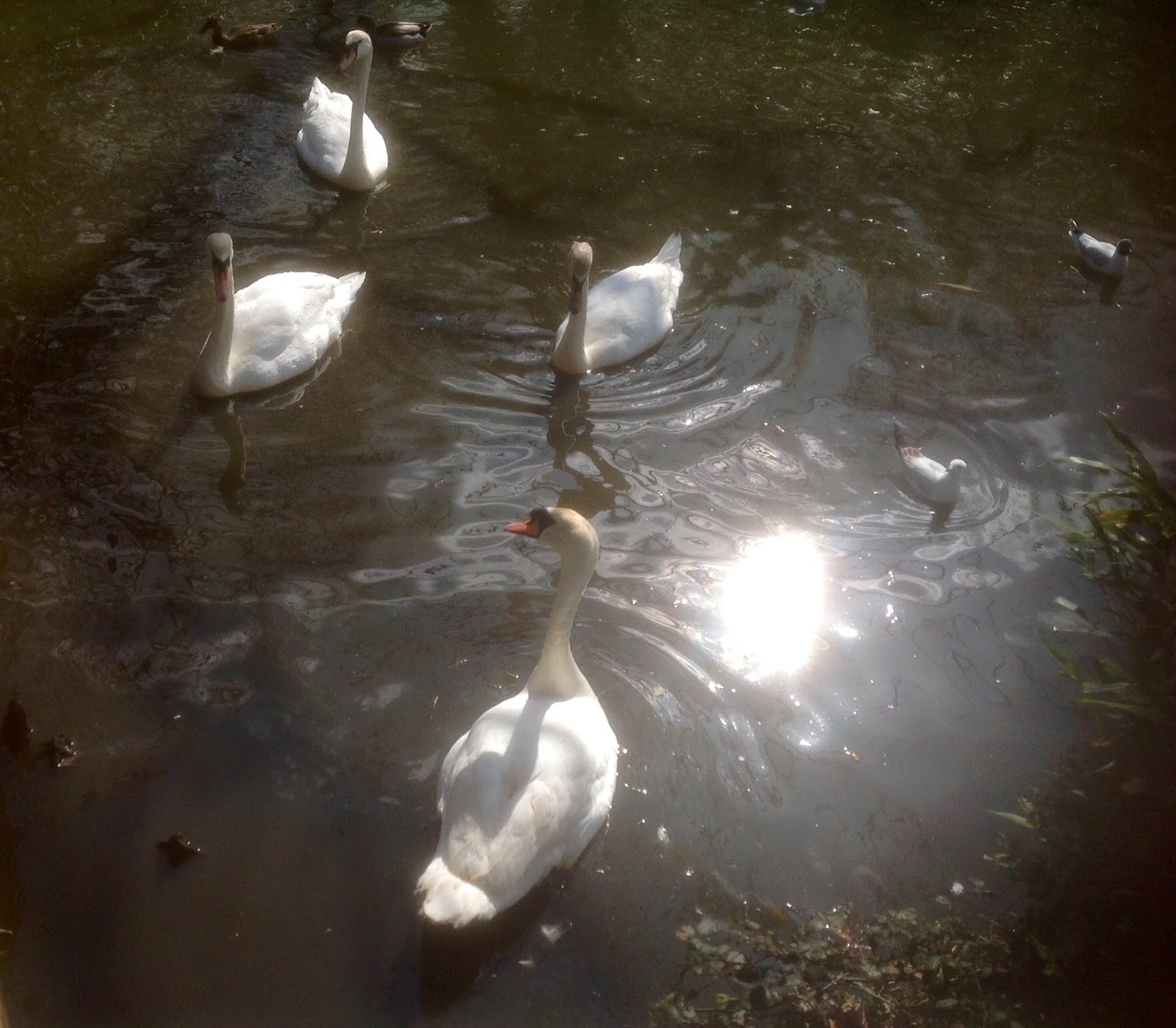
I snapped these photographs of a pair of nesting swans on a visit to the park last year. This set me thinking of the swans who congregate in this beautiful place. This nest was situated on a tiny island in a man-made lake at the centre of the park.

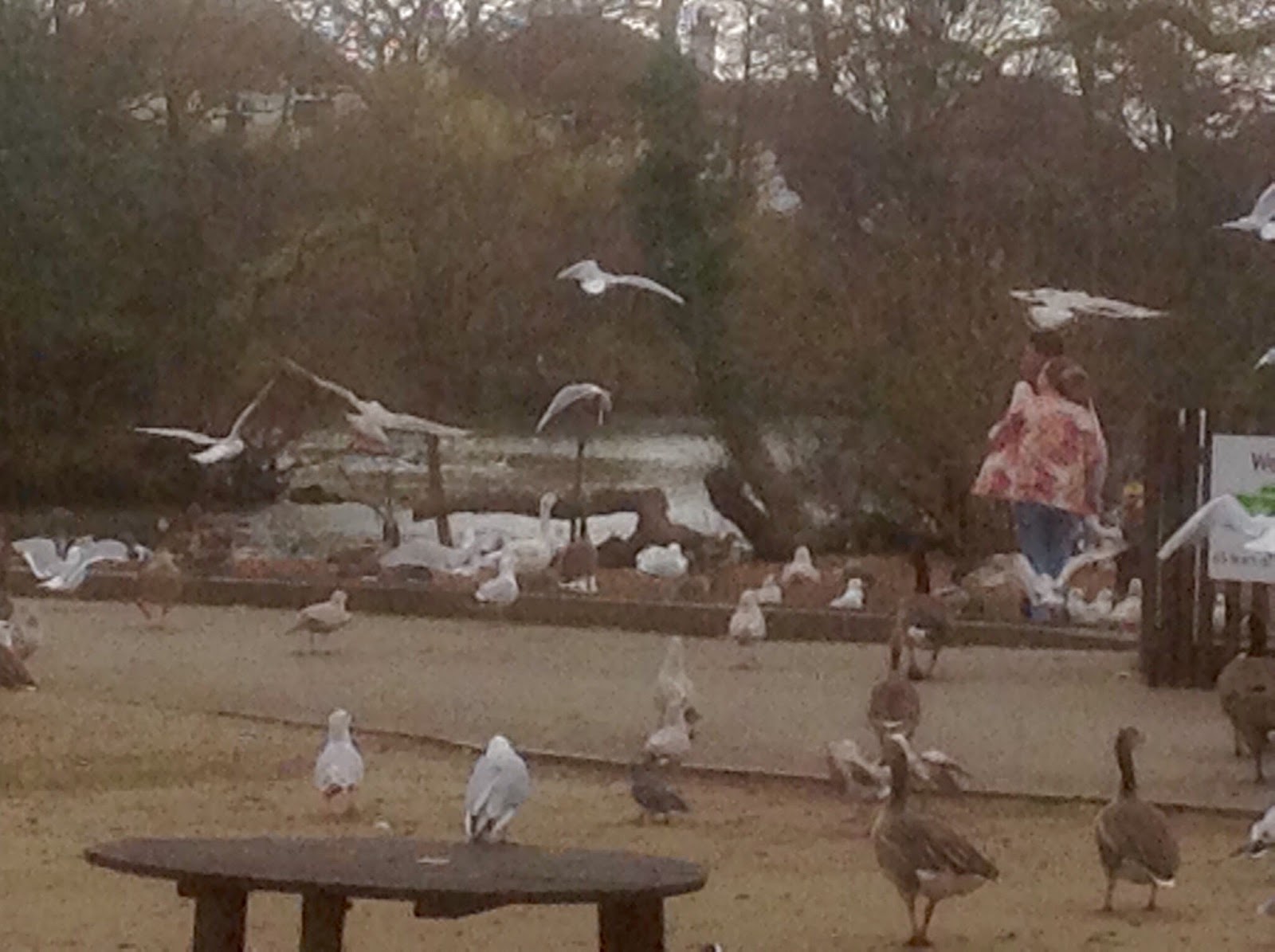
This lake attracts many wildfowl drawn by the certainty of a free meal. There’s a wooden structure packed with bags of duck food and an honesty box where one can place money. A price list is attached and the system seems to work.

People feed the birds mainly from the shore of the lake where the food is on sale. A variety of waterfowl vie for these free meals.

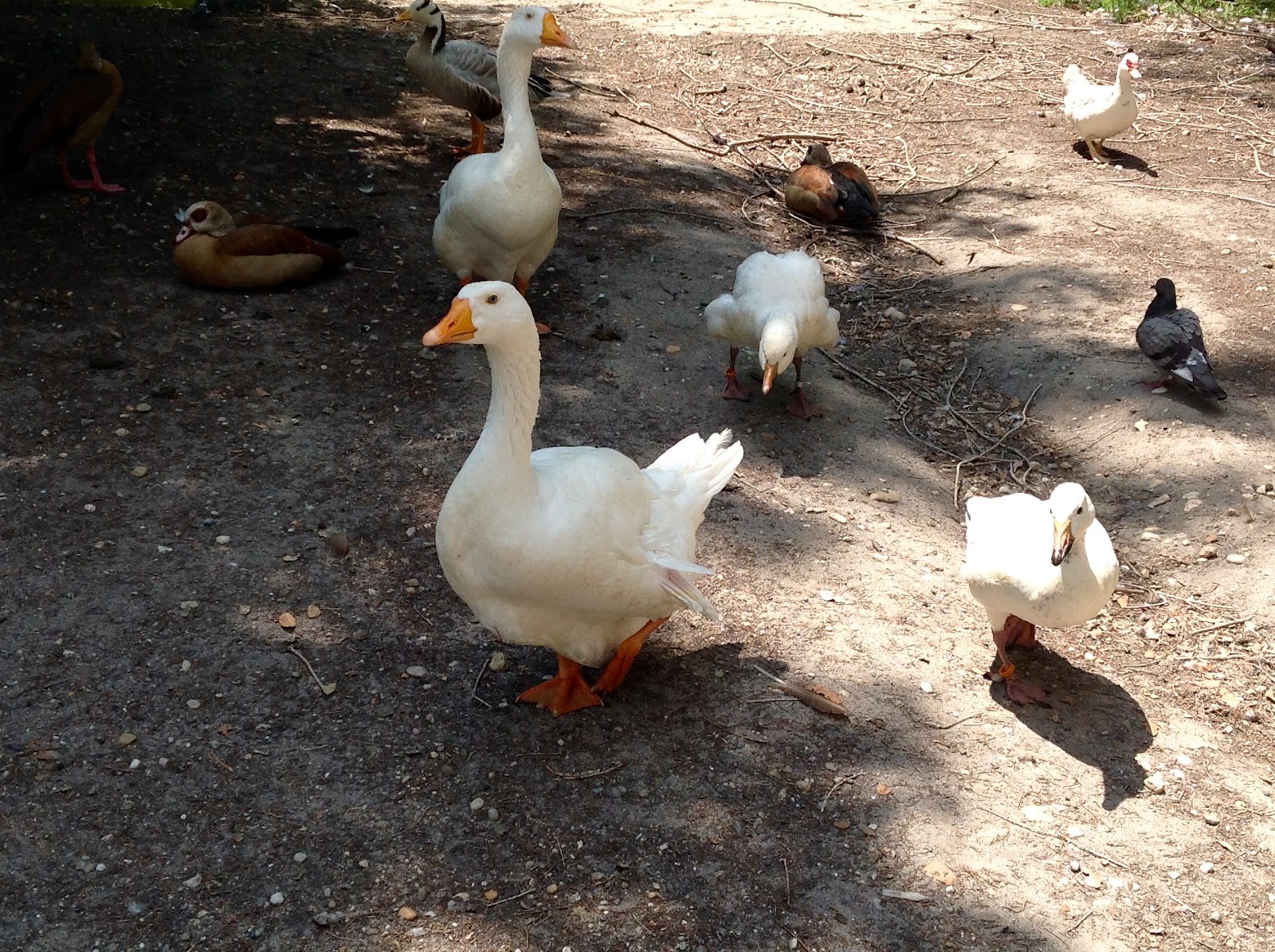
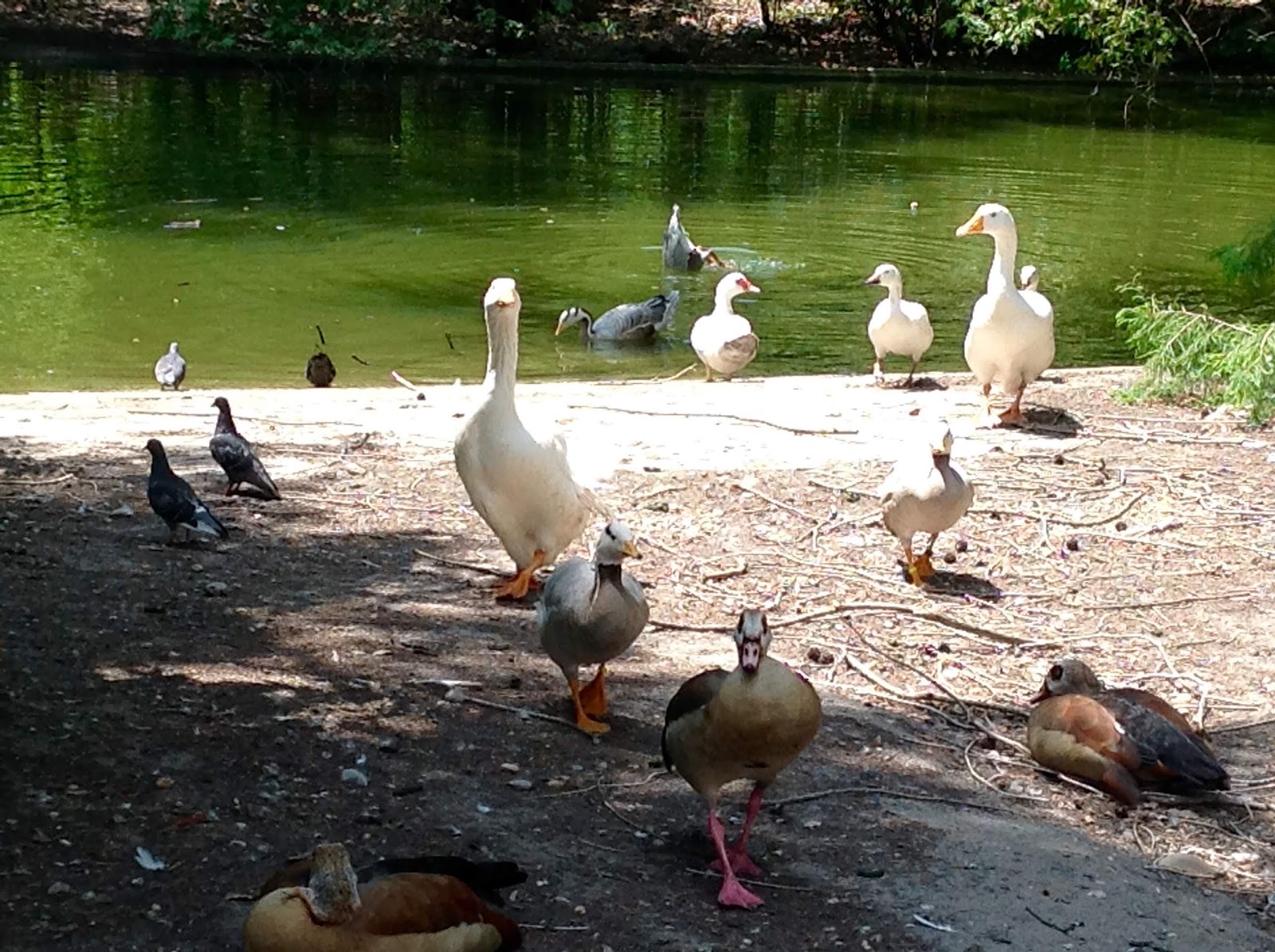
I spotted canada geese. mallard ducks, large white geese and a sprinkling of moorhens and of course quite a few swans. The waterfowl were hugely outnumbered by large aggressive seagulls, who swooped down and greedily stole food literally from the beaks of the ducks and geese.

I have never seen so many gulls screeching and clamouring, aggressively attacking the far larger waterfowl in competition for the free food. There was a small bridge near the island, where our swan in the photograph above was sitting on her nest, cautiously guarded by the cob swan, amid the clamour of the feeding frenzy that was taking place nearby.

.

.

.

MARIGOLDS

by John Yeo

THURSDAY 7th MAY 2020

MARIGOLDS

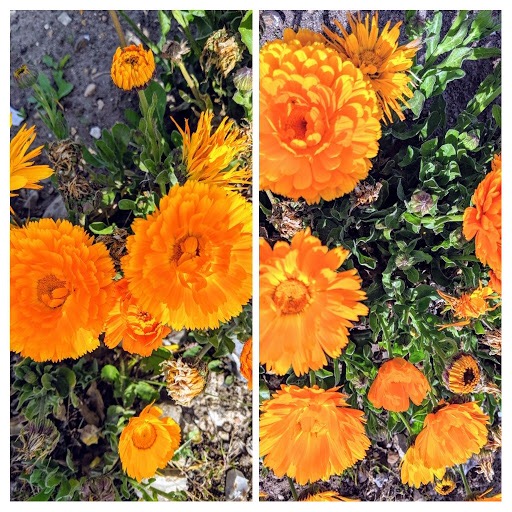
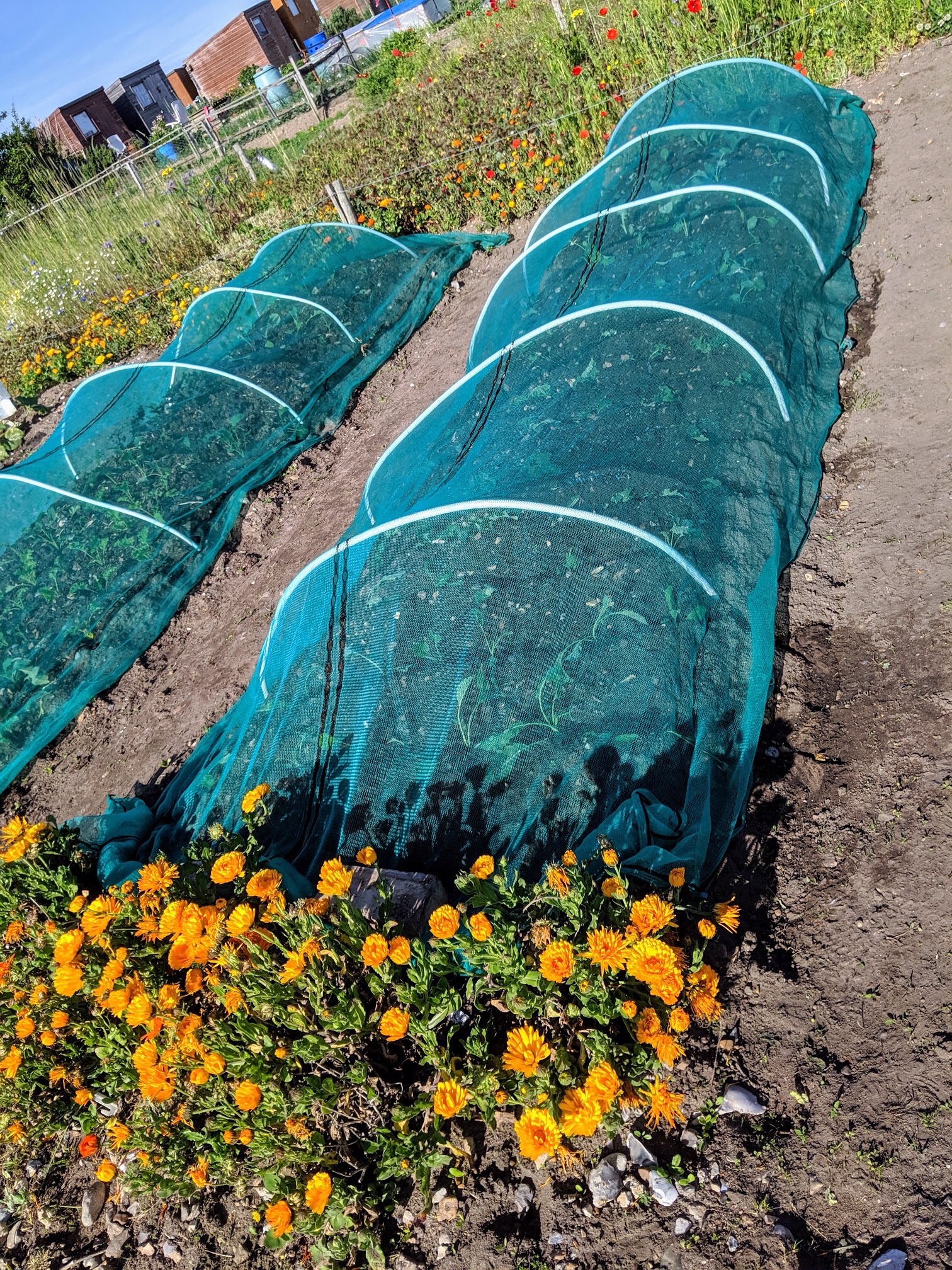
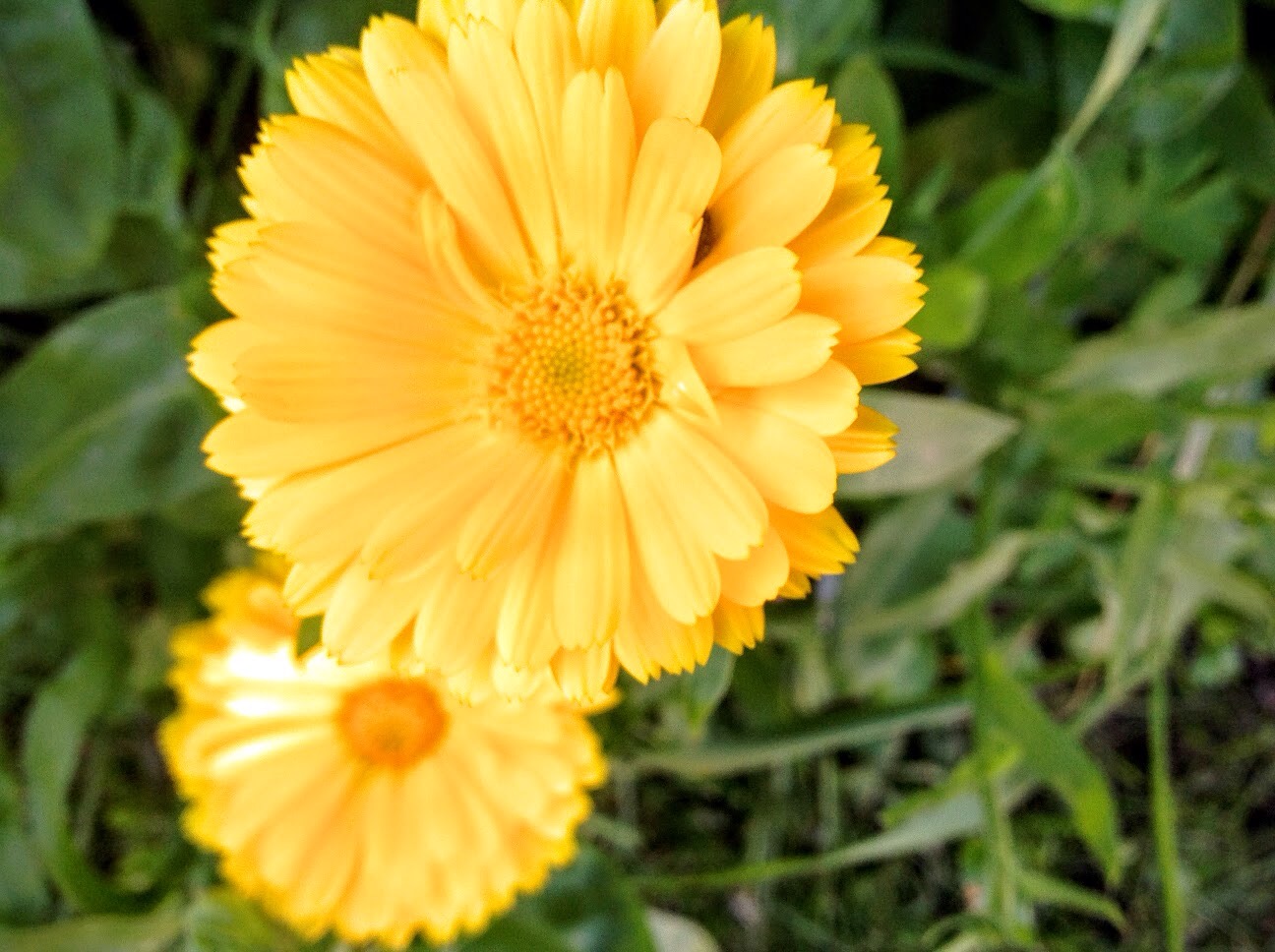
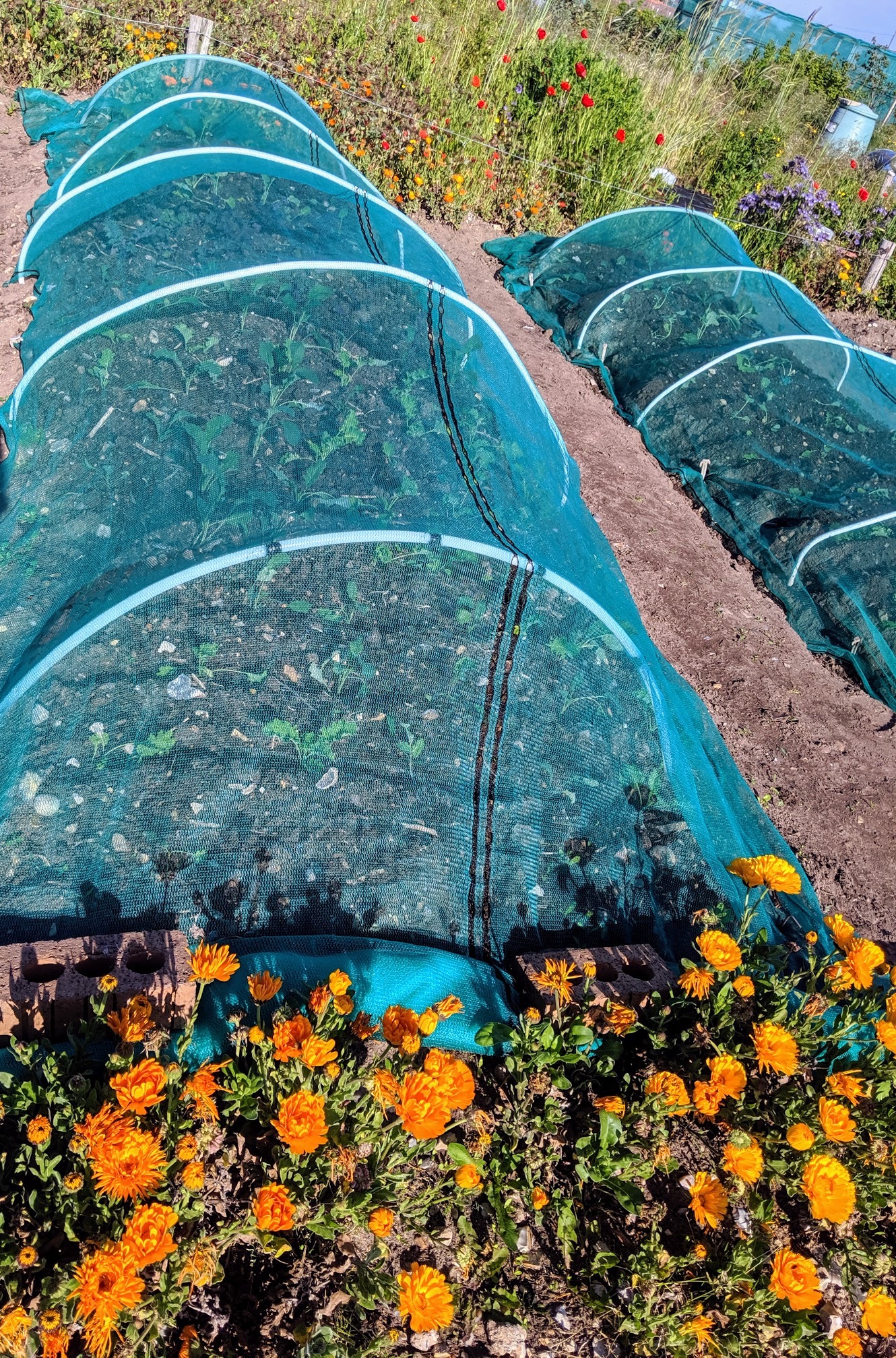
The above photograph is a week old photograph of me working on the allotment. It looks as if I’m removing some Marigolds. I like having the colour and continuity of Marigolds as well as the fact they have a useful function of deterrence.

Apparently Marigolds attract hoverflies who love eating the aphids that breed ferociously and love eating our Brassicas. Some of these English Marigolds look beautiful and brighten up the allotment. However they self seed profusely and spread widely and wildly, consuming all the water and nourishment that the food plants need.

I always think Marigolds look a lot like the Dandelions we treat as weeds on the allotment and remove without hesitation. On impulse I looked up both on the internet and came up with this interesting fact..

‘The largest family of flowering plants is the ubiquitous sunflower family (Asteraceae or Compositae). … Familiar common names, such as daisies, Marigolds, zinnias, gazanias, chrysanthemums, Dandelions, thistles, ragweeds, sagebrush, cosmos and dahlias all belong to this family.’
Dandelions are also quick to spread and use any available space and resources. I guess this is one meaning of the old adage. ‘Beauty is in the eye of the beholder.’

© Written by John Yeo ~ All rights reserved.


A LOCKDOWN BIRTHDAY

A Lockdown birthday

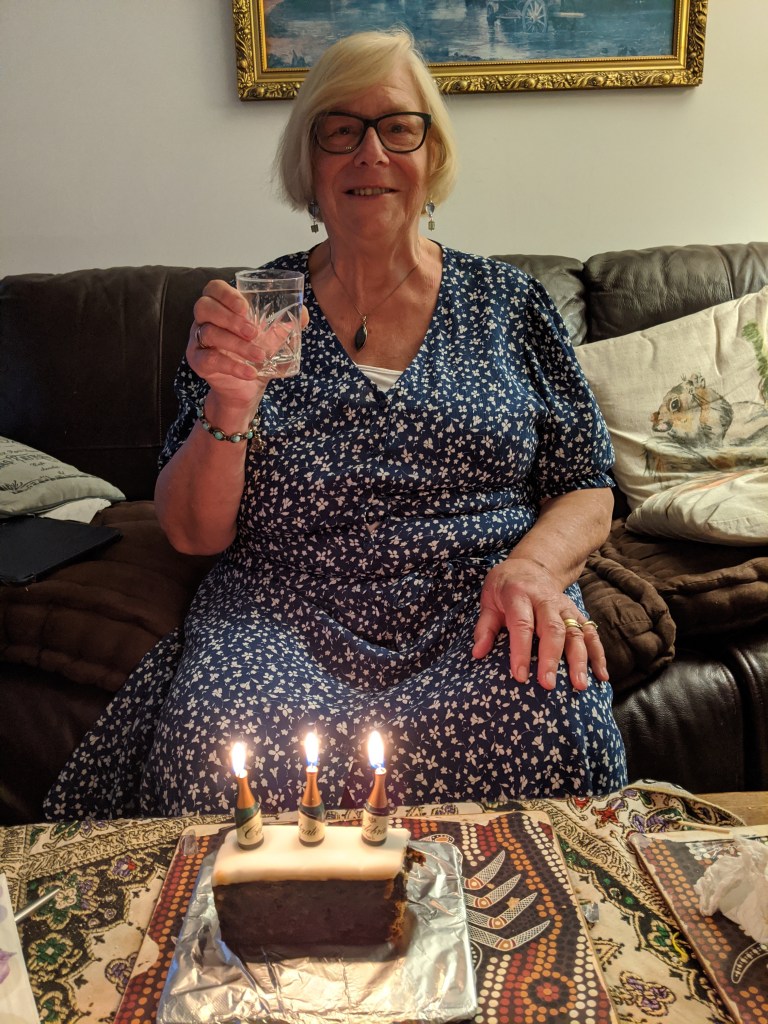
This must have been the strangest birthday Margaret has ever celebrated. Just the two of us enjoyed her special day, as we are self isolated and locked down. She had some lovely calls from our friends and thanks to technology, we were able to chat to our family on Skype and Messenger. We took a 15 minute walk in the sunshine to the allotment for our daily exercise, where we watered our seedlings.
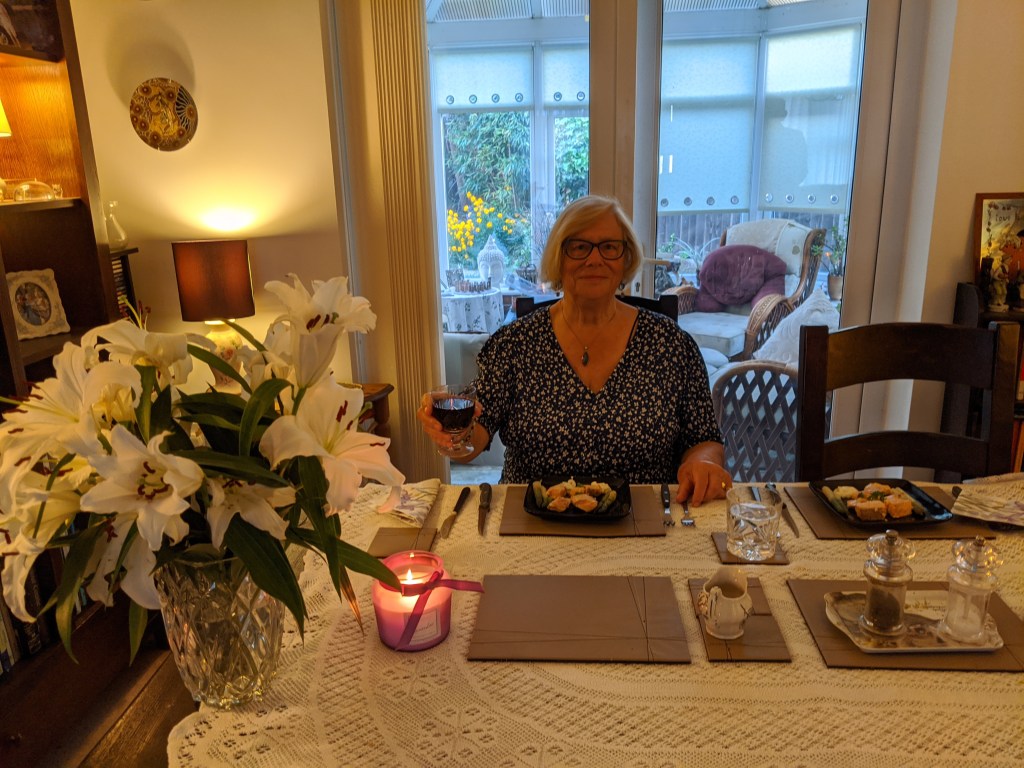
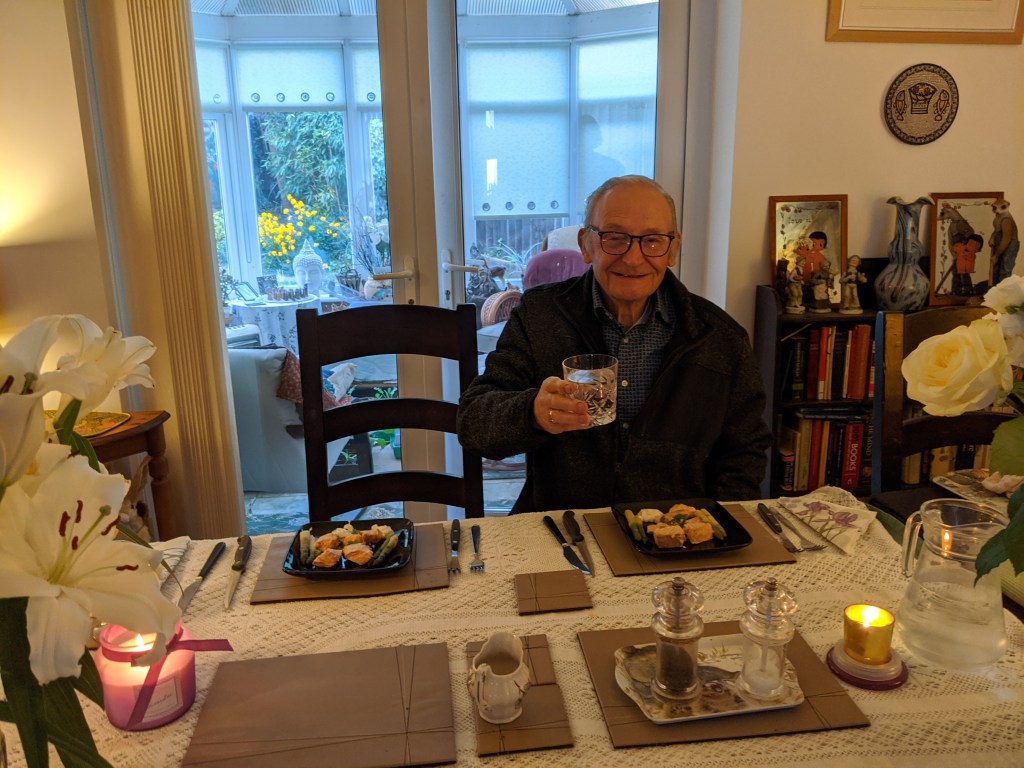
We decided to have a special birthday dinner at home. We were unable to find any local takeaway delivery service that operates on a Monday. Margaret prepared a delicious meal at home and we set the table with candles and flowers she had had presented to her by our daughter, Helen. There was also wine and chocolates dips and crisps from a food hamper provided by our daughter Liz. We sat and enjoyed the close of a special day for the birthday of a special lady.

PINK FLAMINGOS

SUNDAY 3rd MAY 2020

FLAMINGOS 

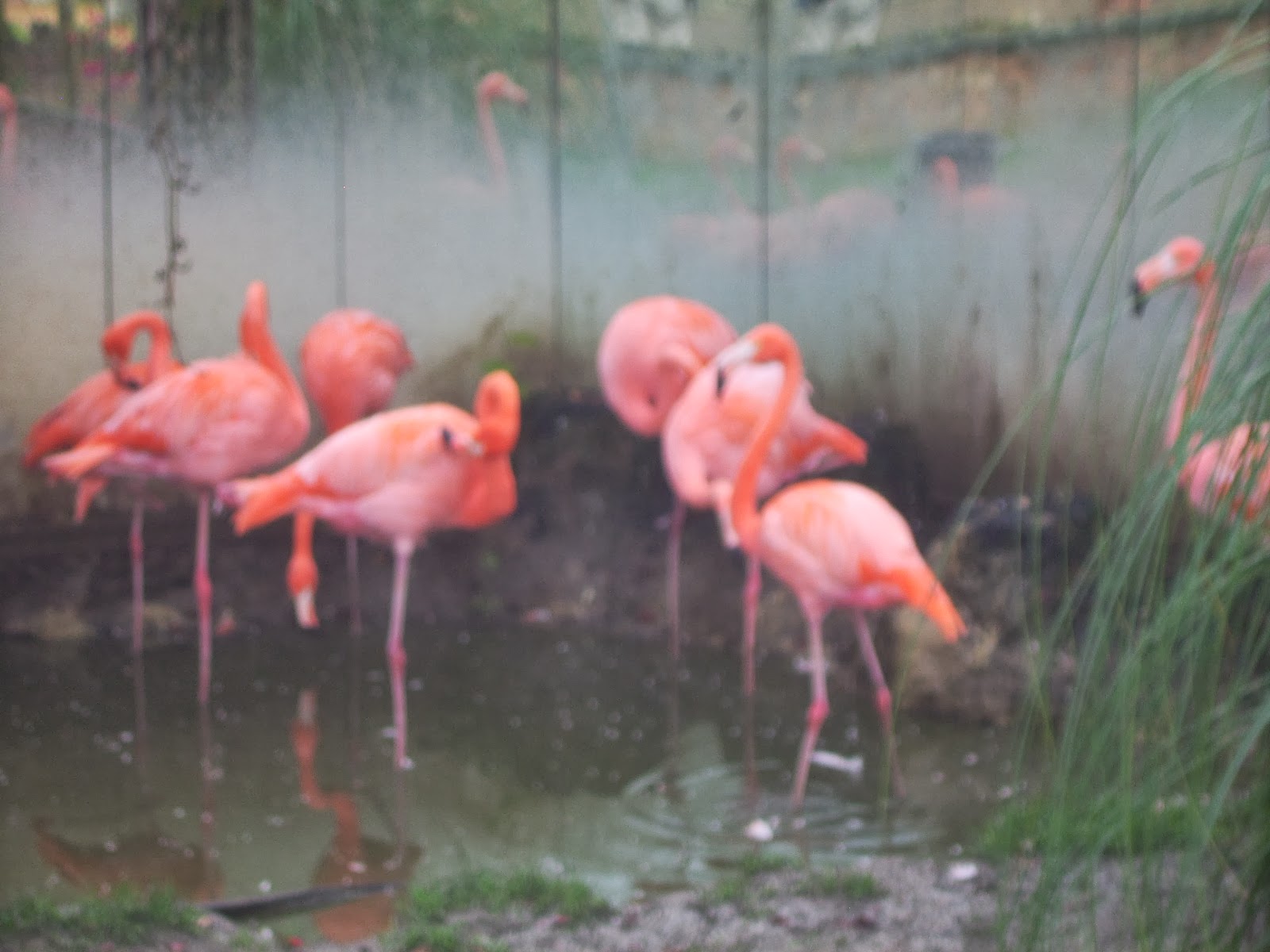
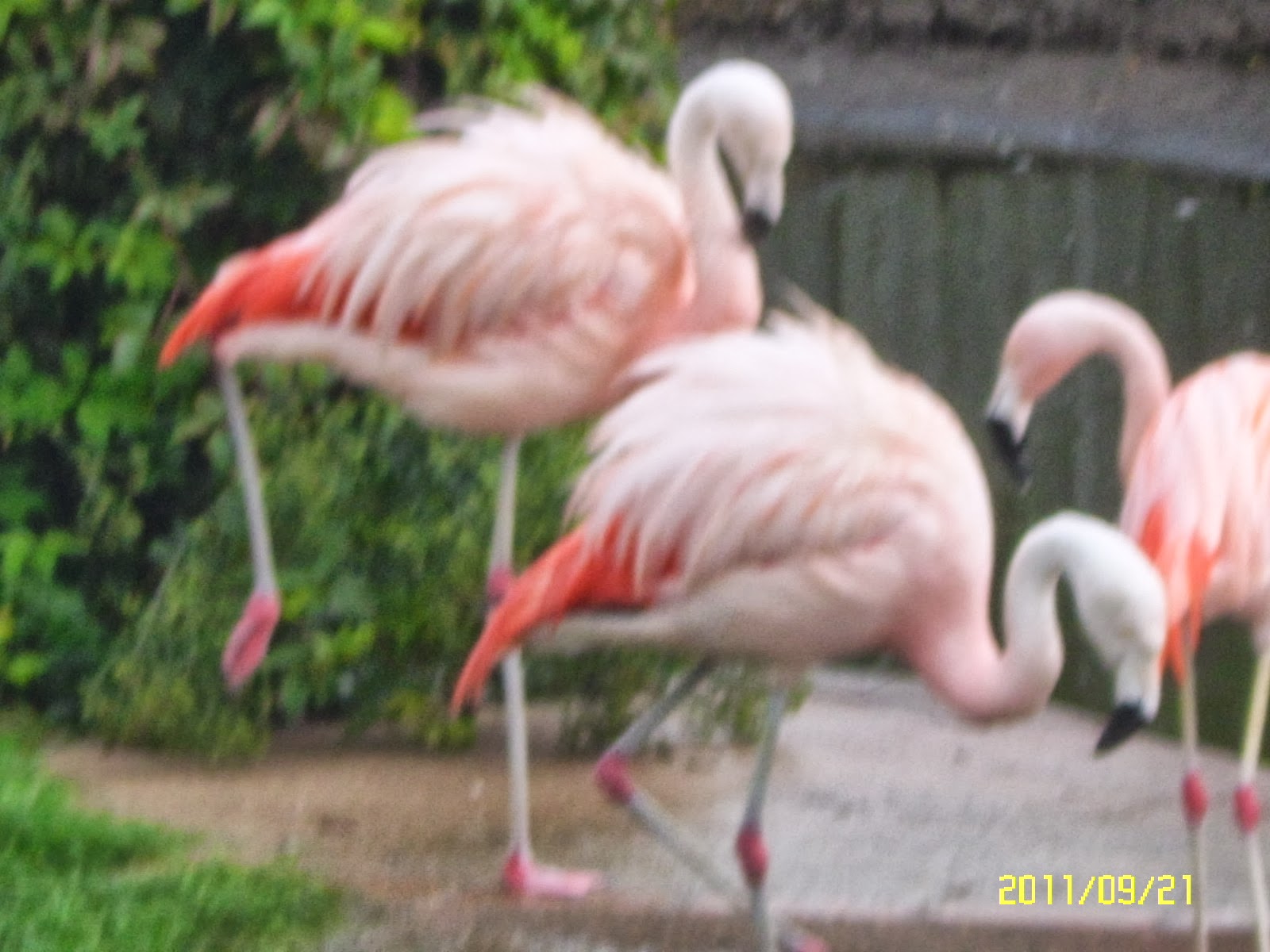
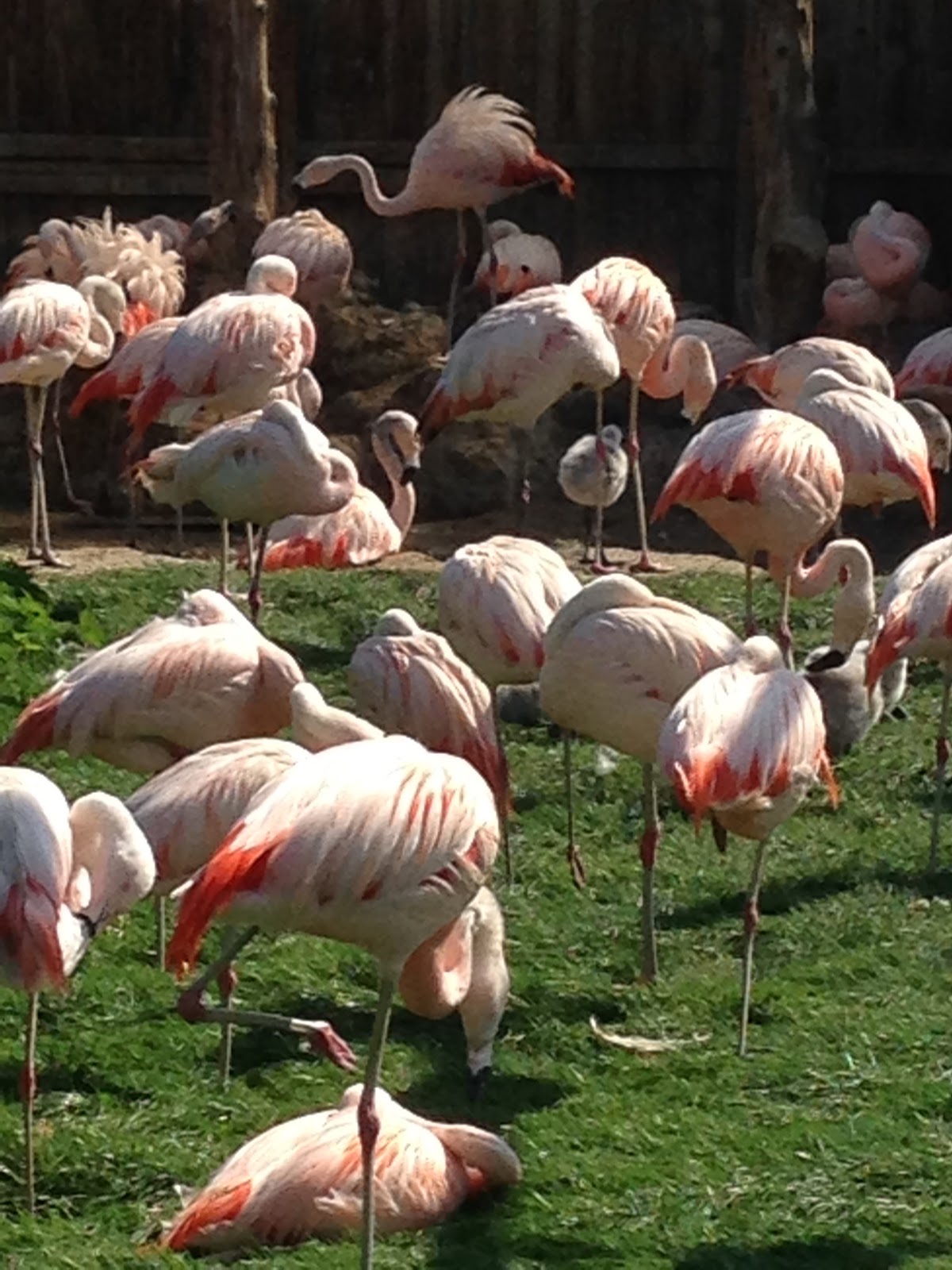
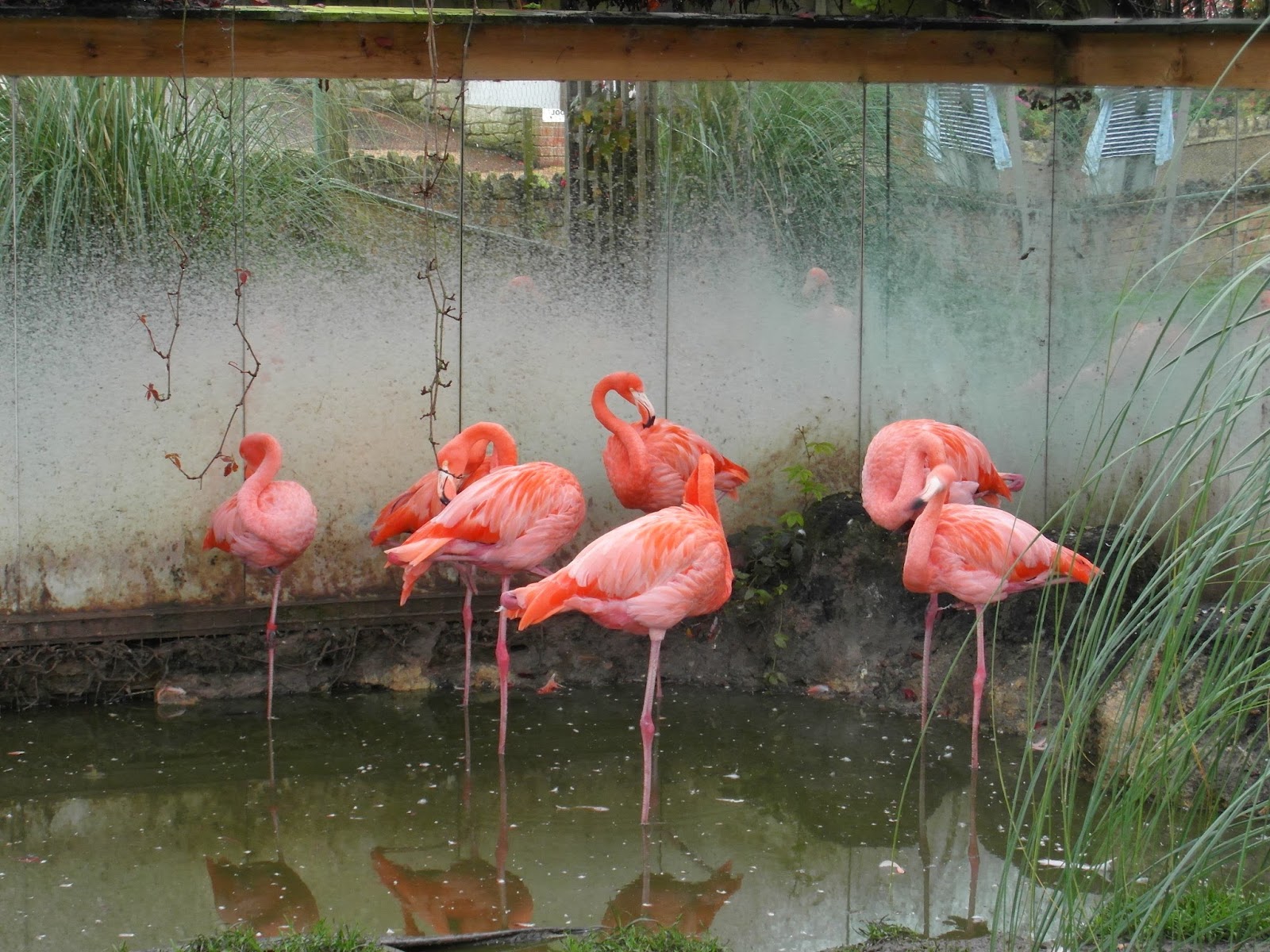
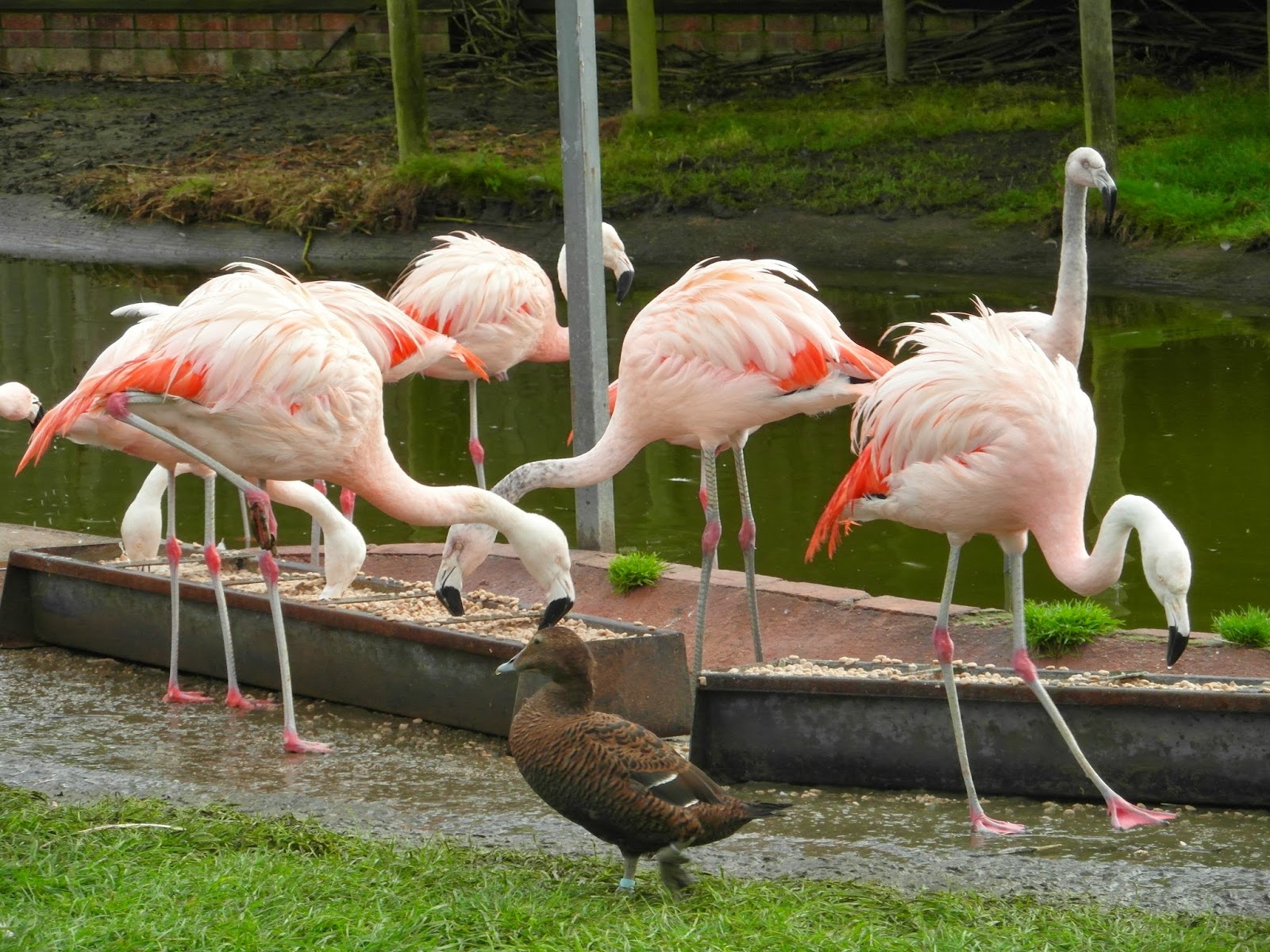
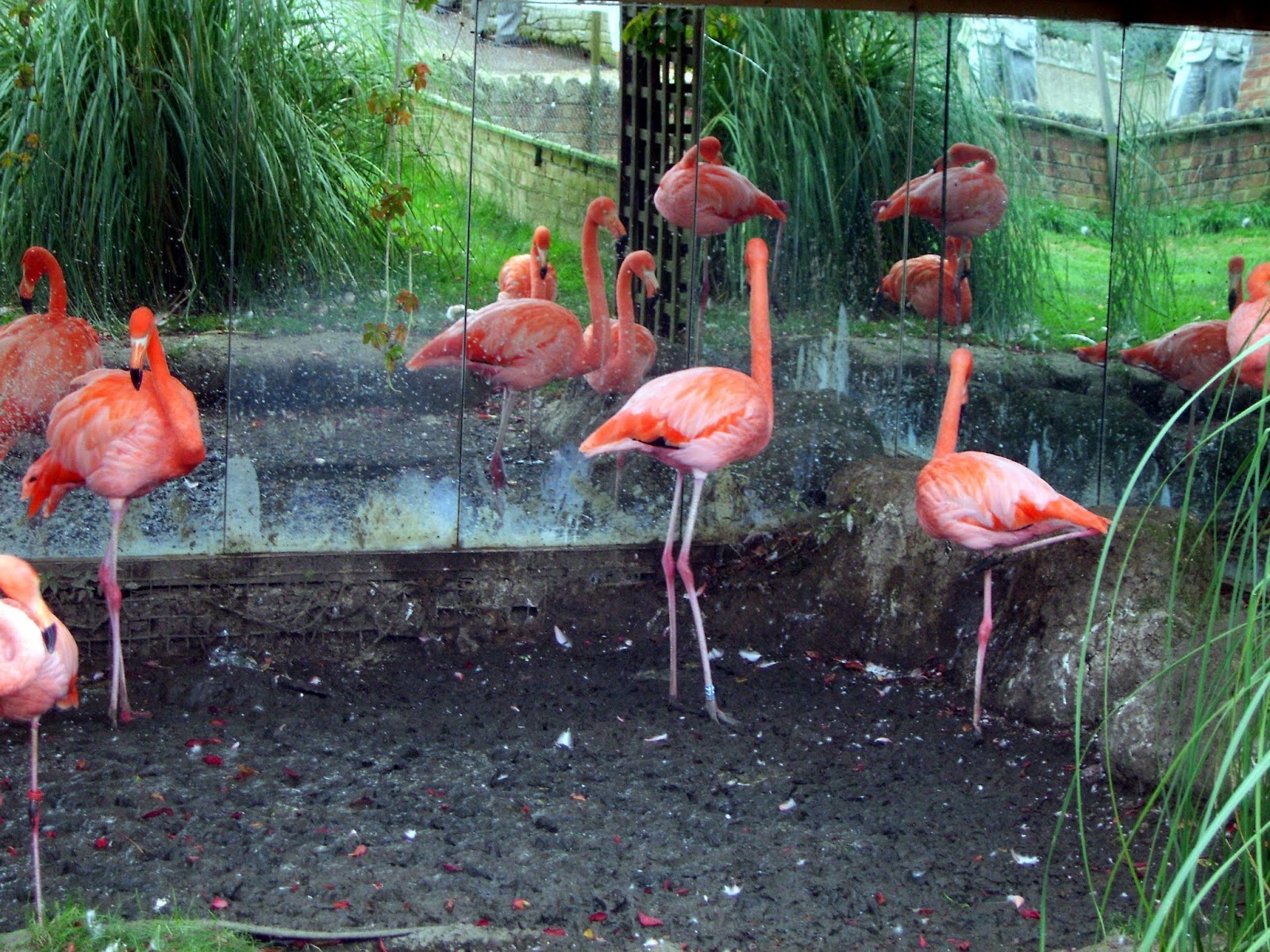
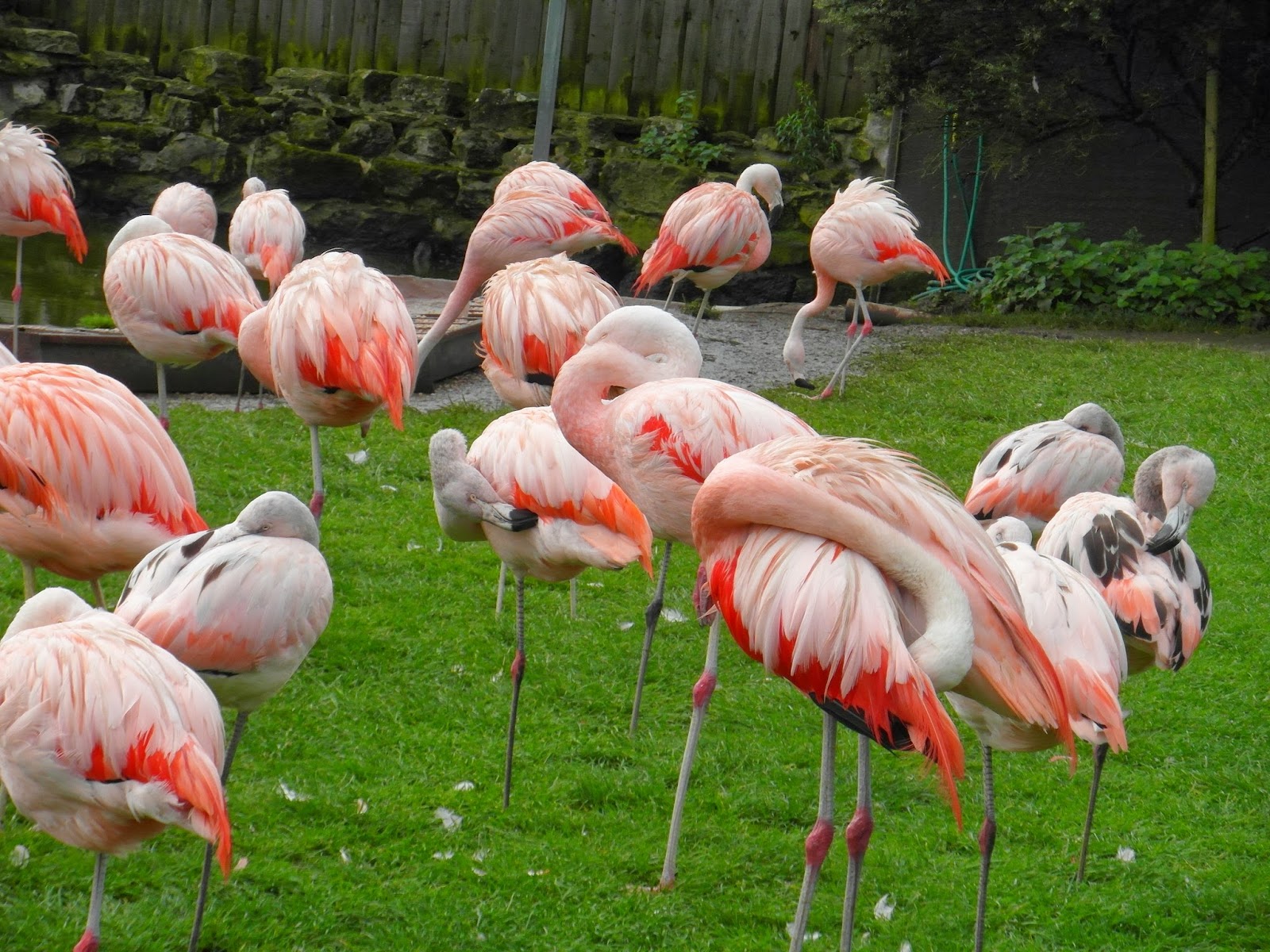
  Six years ago, Margaret and I journeyed to the Isle of Wight, where we visited the wonderful Seaview Wildlife Centre. Sadly during November 2015, this interesting wildlife attraction closed down, due to problems with legislation. We were fortunate to be able to act as keepers for the day in 2014, which enabled us to help to feed and take care of the animals and birds for a single day. Although this involved feeding a variety of birds and animals, including penguins and wallabies, I intend to focus on the spectacular pink flamingos. 

We snapped these photographs during our visit, although we didn’t get to actually feed these shy birds, probably because some of them were nurturing young.

I understand, Flamingos in captivity have to have their wings clipped to prevent them flying away. I did enquire whether the wildlife park had any problems with predators such as foxes, as I’m sure birds with clipped wings would be unable to fly away.

 I found these interesting facts concerning flamingos on the internet. Mainly from the National Geographic magazine.

 Greater flamingos live and feed in groups called flocks or colonies. They find safety in numbers, which helps to protect individual birds from predators while their heads are down in the mud.

 The pink colour of flamingos is summed up by the phrase, “You are what you eat” This holds more truth than it might for humans. The bright pink color of flamingos comes from beta carotene, a red-orange pigment that’s found in high quantities within the algae, larvae, and brine shrimp that flamingos eat in their wetland environment.

Flamingos stand on one leg because it’s physiologically easier for them to do so. The way their legs work means they can rest all of their weight on one side without having to use their muscles to maintain balance.

 It is thought that the legend of the rising of the Phoenix was actually based on a bright pink flamingo taking flight.

 Wikipedia has a large fount of facts about these spectacular birds and it is well worth a visit to read up on the lifestyle of these interesting birds. There are several sites that deal with the myths and legends concerning flamingos  I may collate and explore those facts in another blog post.

Margaret and I enjoyed our visit where we were  to get close enough to the resident flamingos to enable us to take these interesting photographs.

© Written by John Yeo all rights reserved.
CAMELIAS AND PEONIES

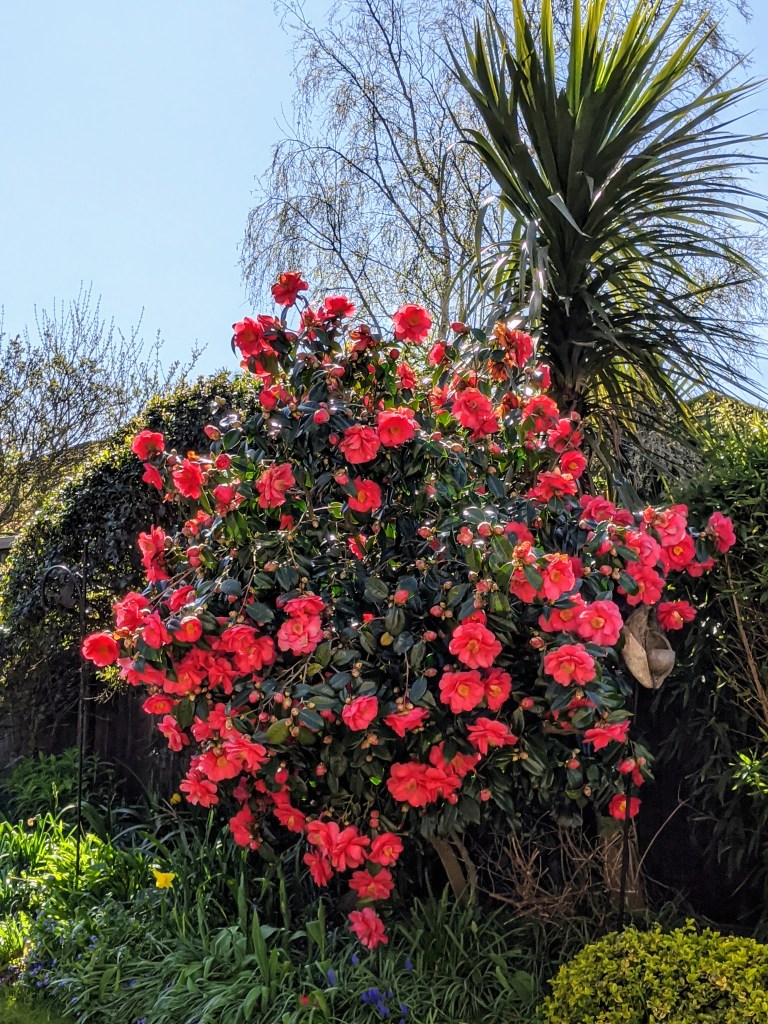
CAMELIA

The first of the big flowers to burst into bloom in our relatively small garden is this extremely attractive Camelia. We have nurtured and taken care of this extraordinary shrub for the last fifteen years. Buds are visible all over the branches in December which suddenly burst into a sensational covering of quite large blooms. They gradually fade and drop from the branches, covering the lawn with the discarded flower heads, loose petals and tiny buds. I am often filled with wonder at the effort this shrub makes to produce such perfection.

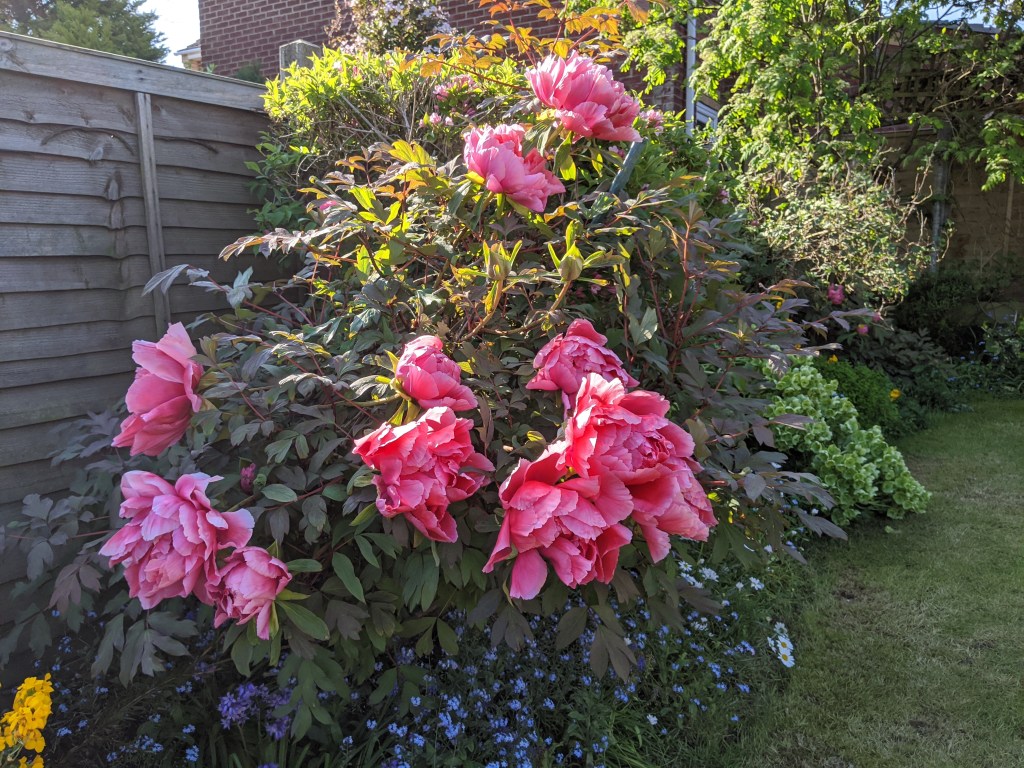
TREE PEONY

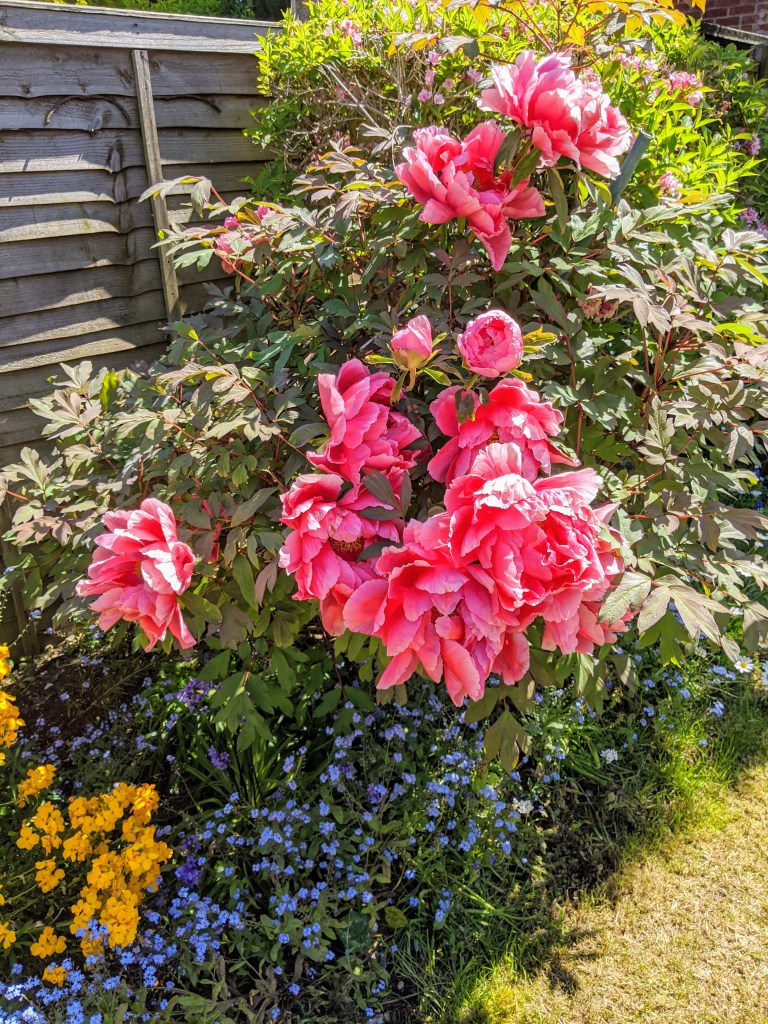
Next to make an impressive appearance is the incredible Tree Peony. A quite unassuming shrub for most of the year, our Tree Peony quietly merges into the background of the borders. We actually have two of these wonderful shrubs in the garden. One of the two is situated in a shady corner and doesn’t flower as prolifically as the other. In late March and early April large buds begin to appear at the ends of the branches. Then, with a burst of shocking pink the buds swell and reveal huge, showy, impressive blooms. Then after about ten days these lovely blooms complete their cycle of life, wither, and fall from the shrub. Another source of wonder to the thinking man.

Written by John Yeo © All rights reserved.