I have been thinking about the ways we are spending our dual self-centred time during this horrible pandemic. It’s amazing how we constructively fill in the hours with hardly any time to spare to look around.
After a good breakfast we spend time nourishing our brain cells. Margaret completes daily crossword and sudoku puzzles published in the Daily Mail and I play online chess and scrabble against friends, including Margaret.
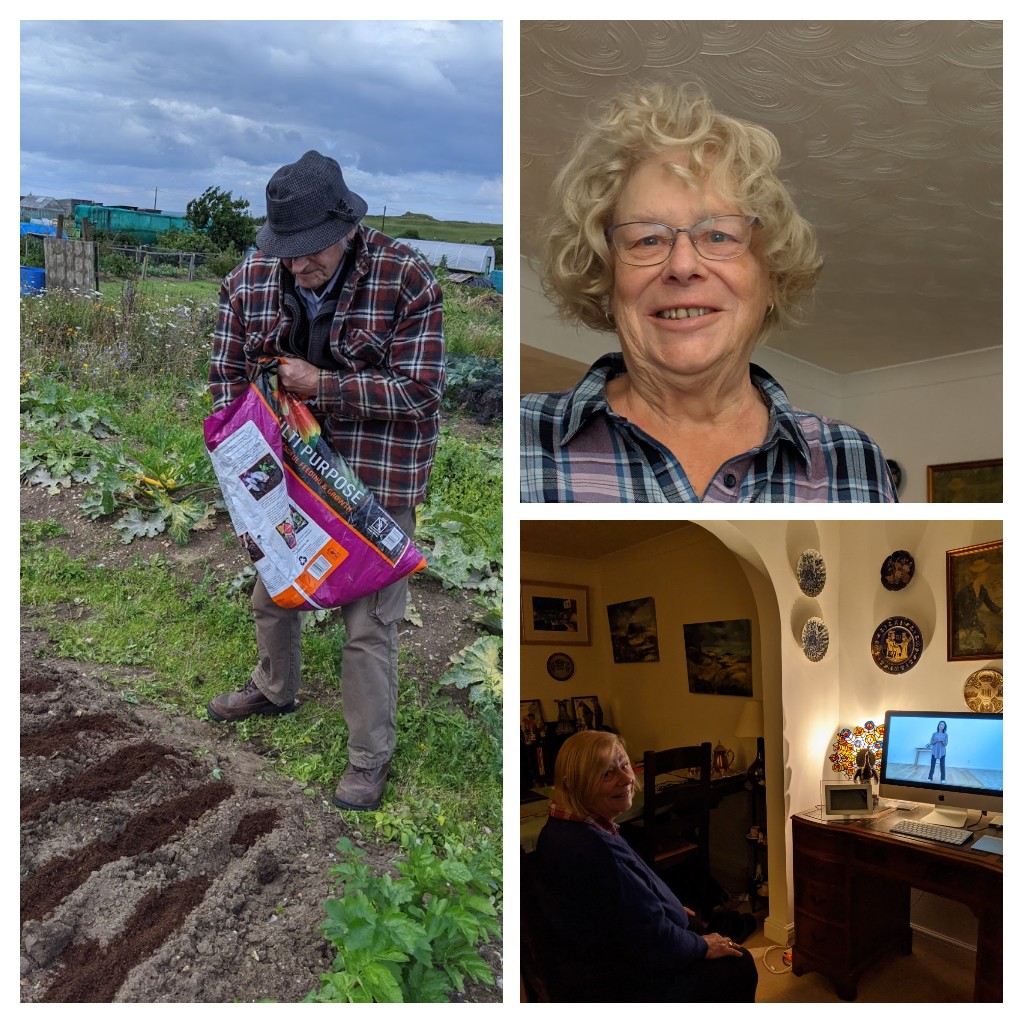
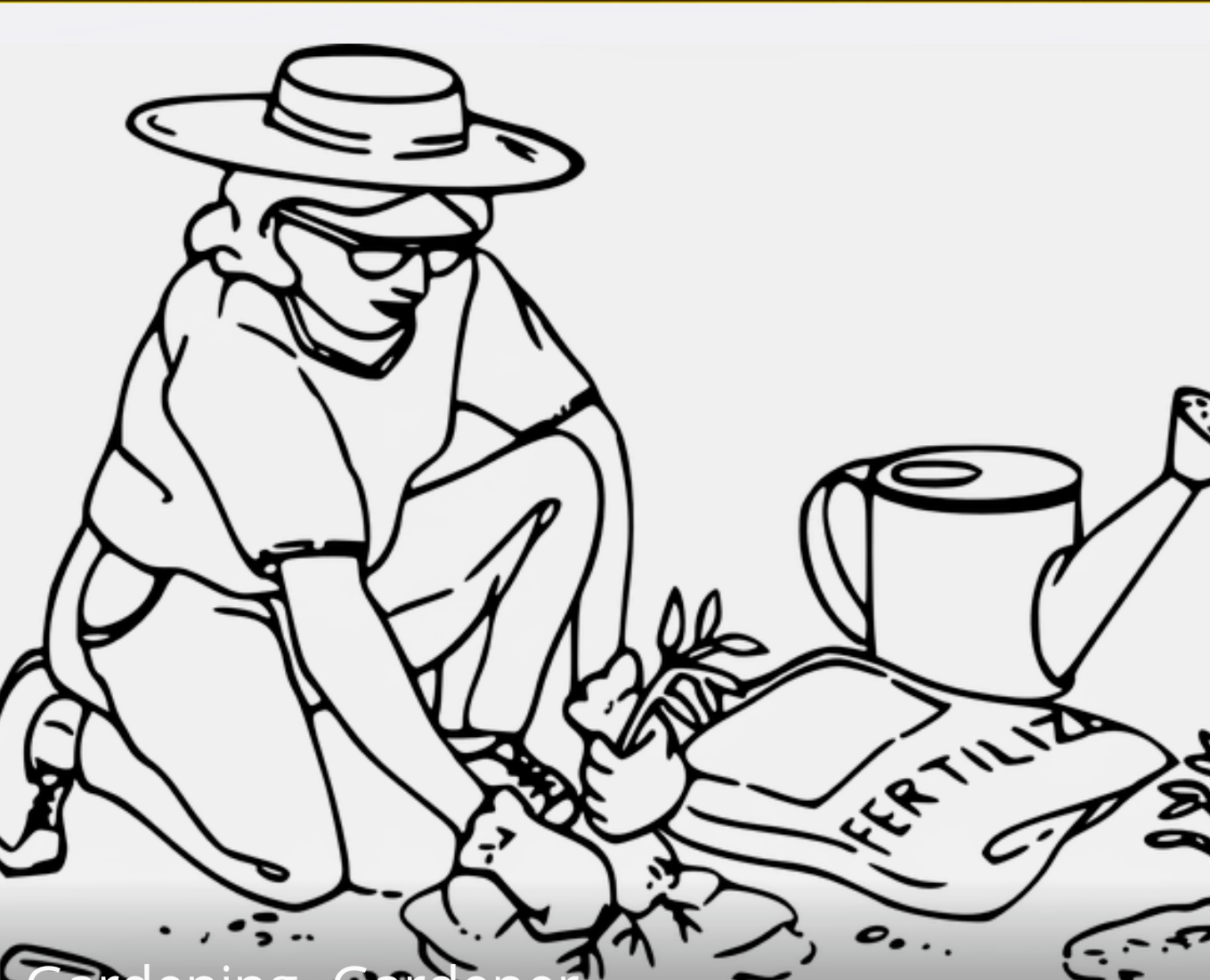
We both spend a good few hours on our allotment, Margaret has cut back on the allotment work now the winter is setting in and she sometimes chooses to spend time at home catching up with her other chores.
Sporadically, weather permitting lately, we will go for an active walk around the block together.
We both read a lot, laugh a lot and enjoy each other’s company a lot.
We also both enjoy taking part in regular Tai Chi sessions via YouTube, which stretches our muscles and keeps our joints flexible. The breathing and relaxation part of these exercises are a marvellous way to defeat the lockdown blues.
I will lose myself in enhancing my cerebral health by writing and composing poetry. In between using her creative cookery skills to produce some tasty evening meals, Margaret will then read everything I write and make some constructive criticism. Then after our evening meal we will spend the evening watching some favourite television programmes or listening to music.
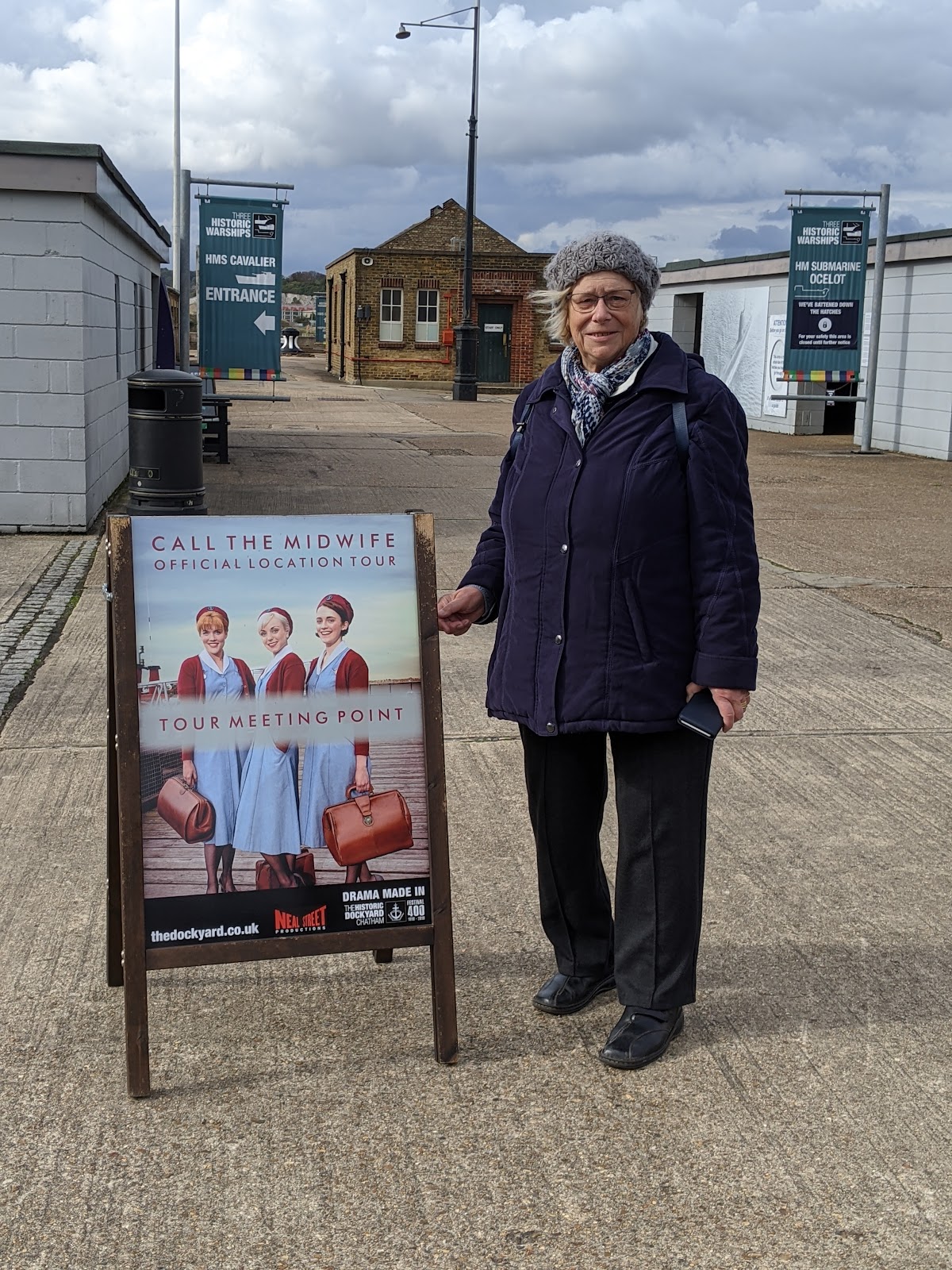
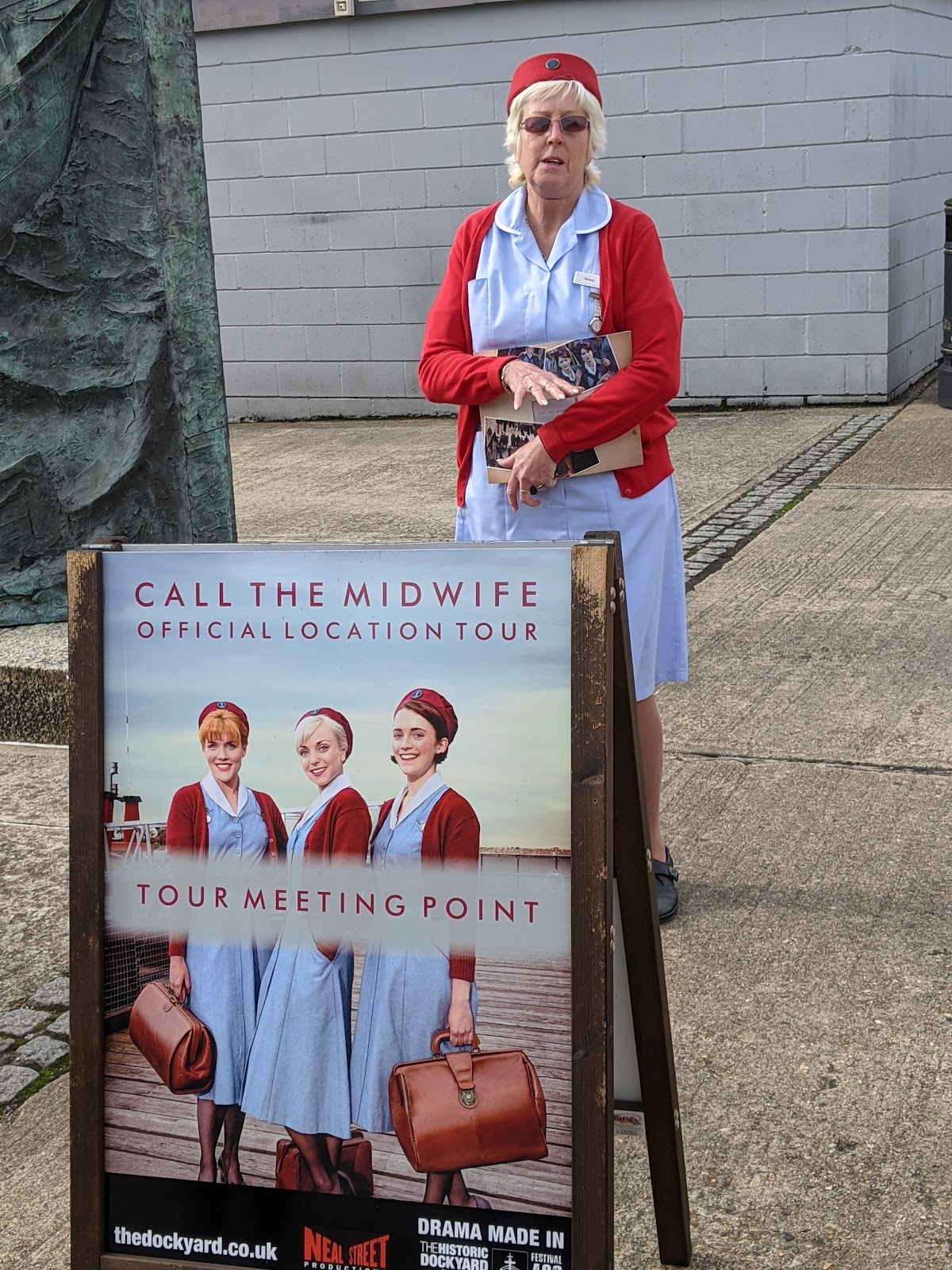
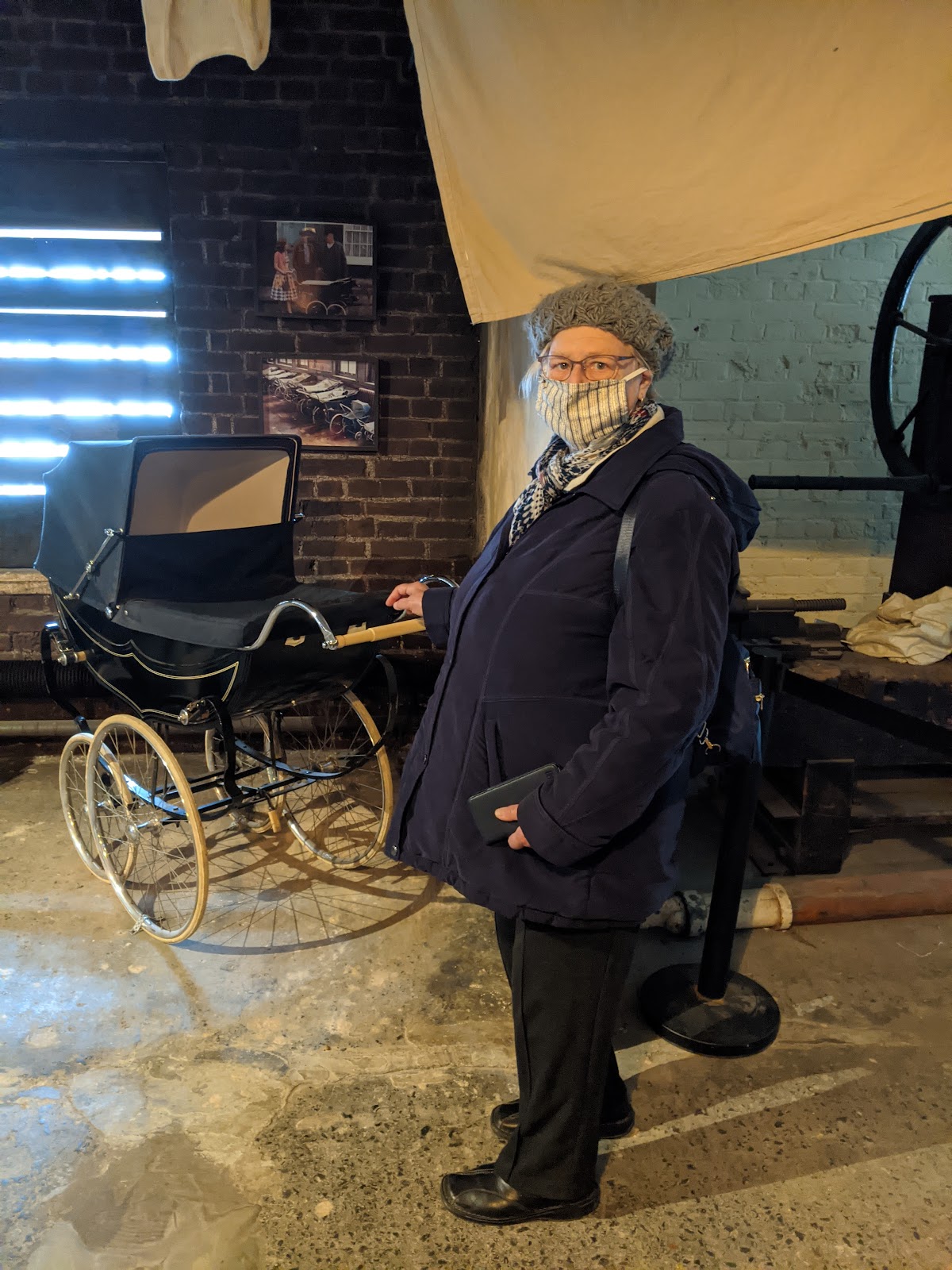
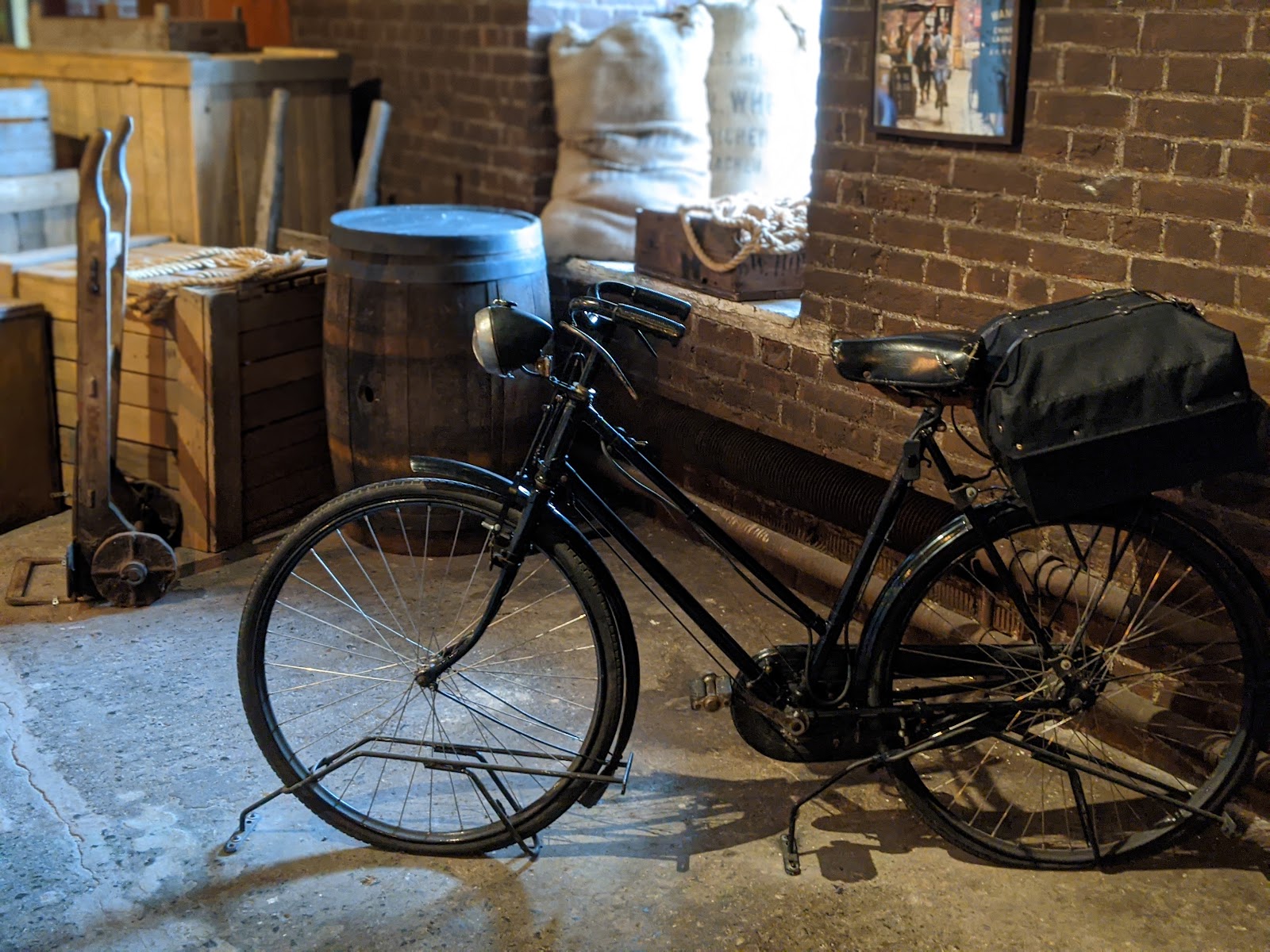
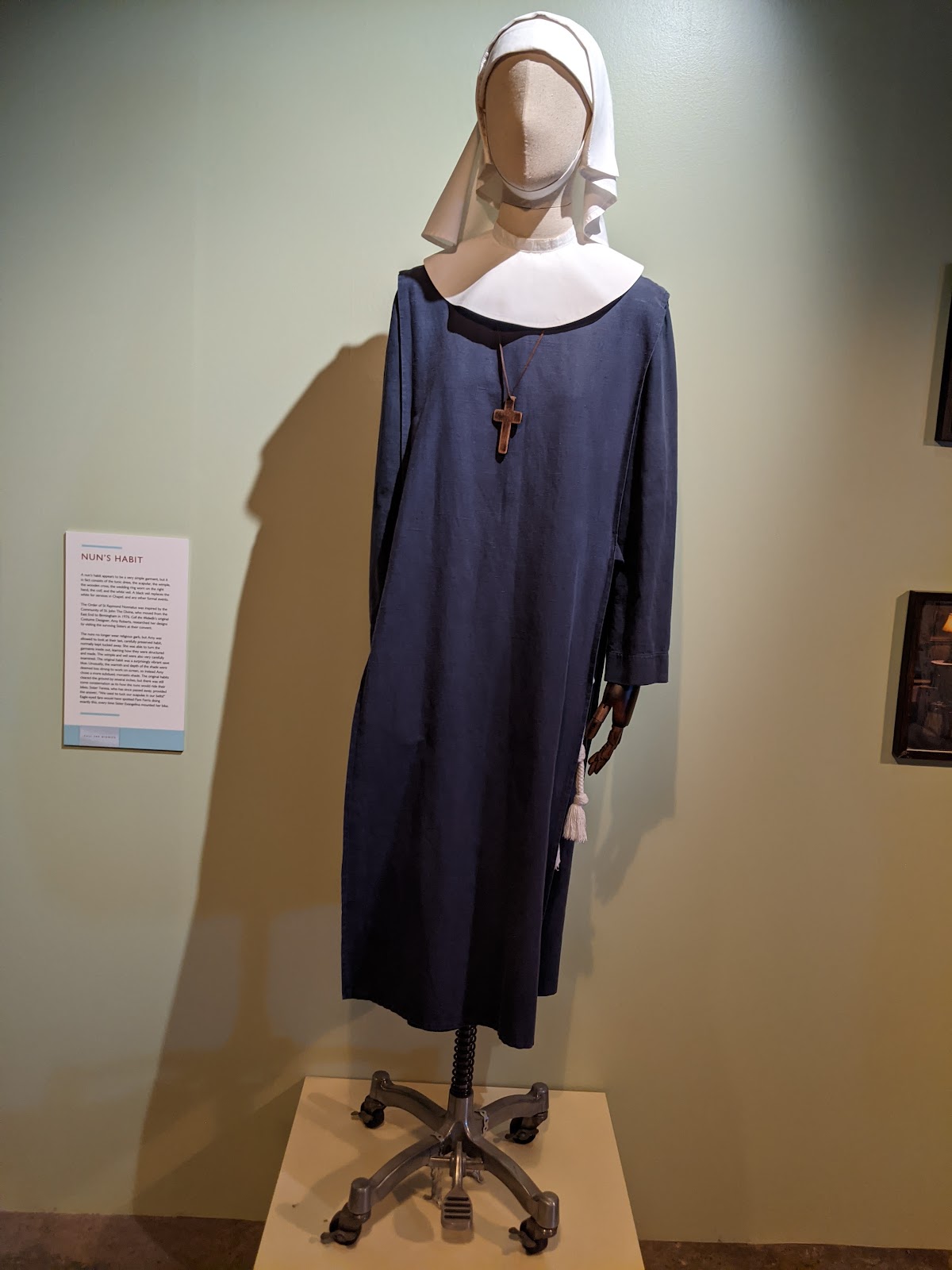
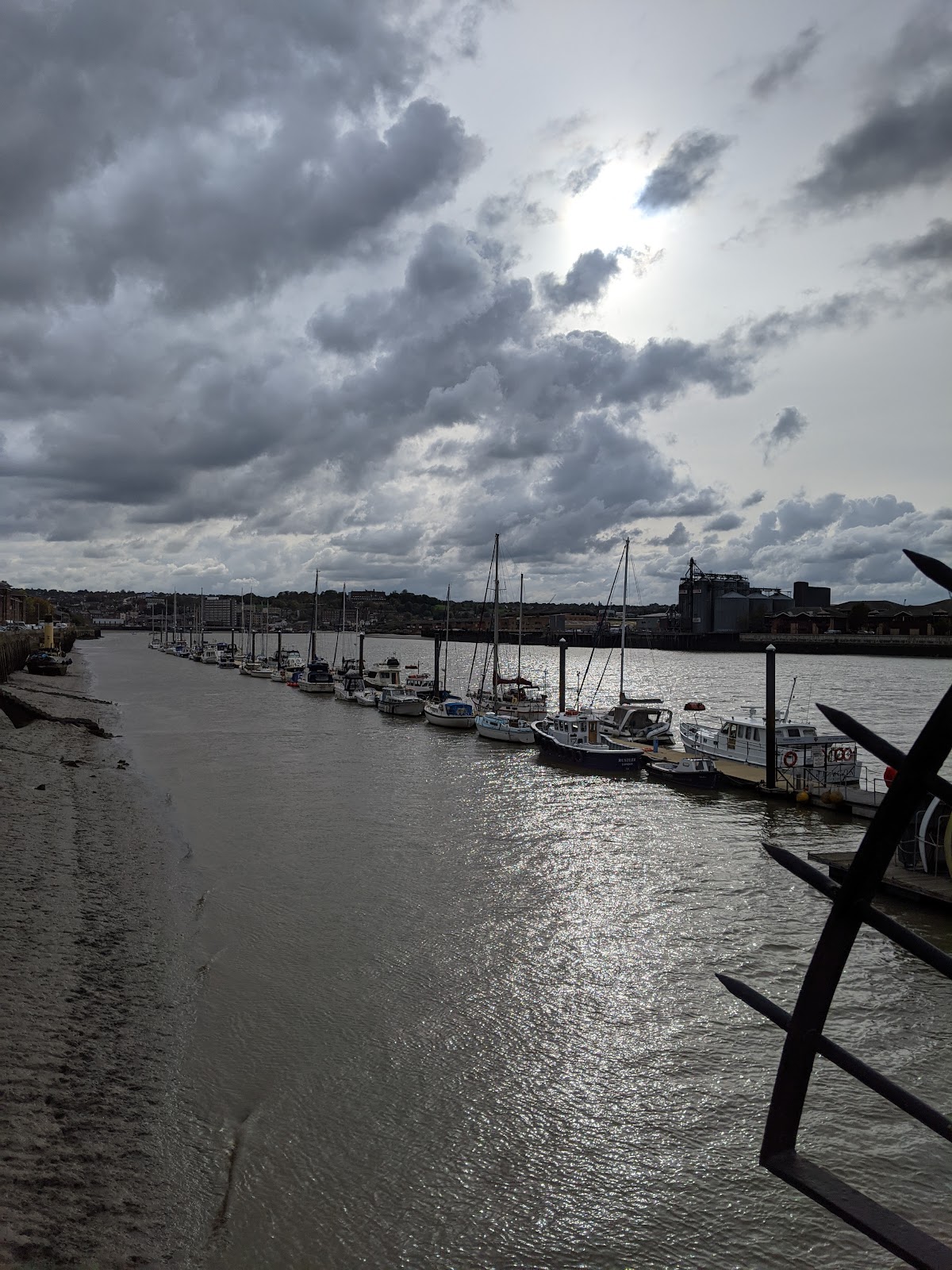
Margaret and I enjoyed an interesting day trip by coach to Chatham dockyard, where we visited the sets and the background for the extremely popular ‘Call The Midwife’ TV series. We were both amazed at the ingenuity of the filmmakers and TV producers in turning a naval dockyard into a fairly convincing reproduction of the East end of London. We had an informative tour, presented by a guide who was appropriately dressed in the uniform of a 50’s NHS midwife.
We met up with our tour guide; a bubbly, smiling middle aged lady with striking yellow blonde hair, dressed in an authentic midwives uniform. She was exceptionally well informed and illustrated every area we visited by referring to a large book of photographs. We were astonished as she pointed out the various areas that were used as a background to several of the scenes in the series. It took some really creative imagination to construct a series about London’s east end and to film this in a naval dockyard.
The tour concluded with a visit to an interesting garden where several of the romantic scenes in the series were filmed.
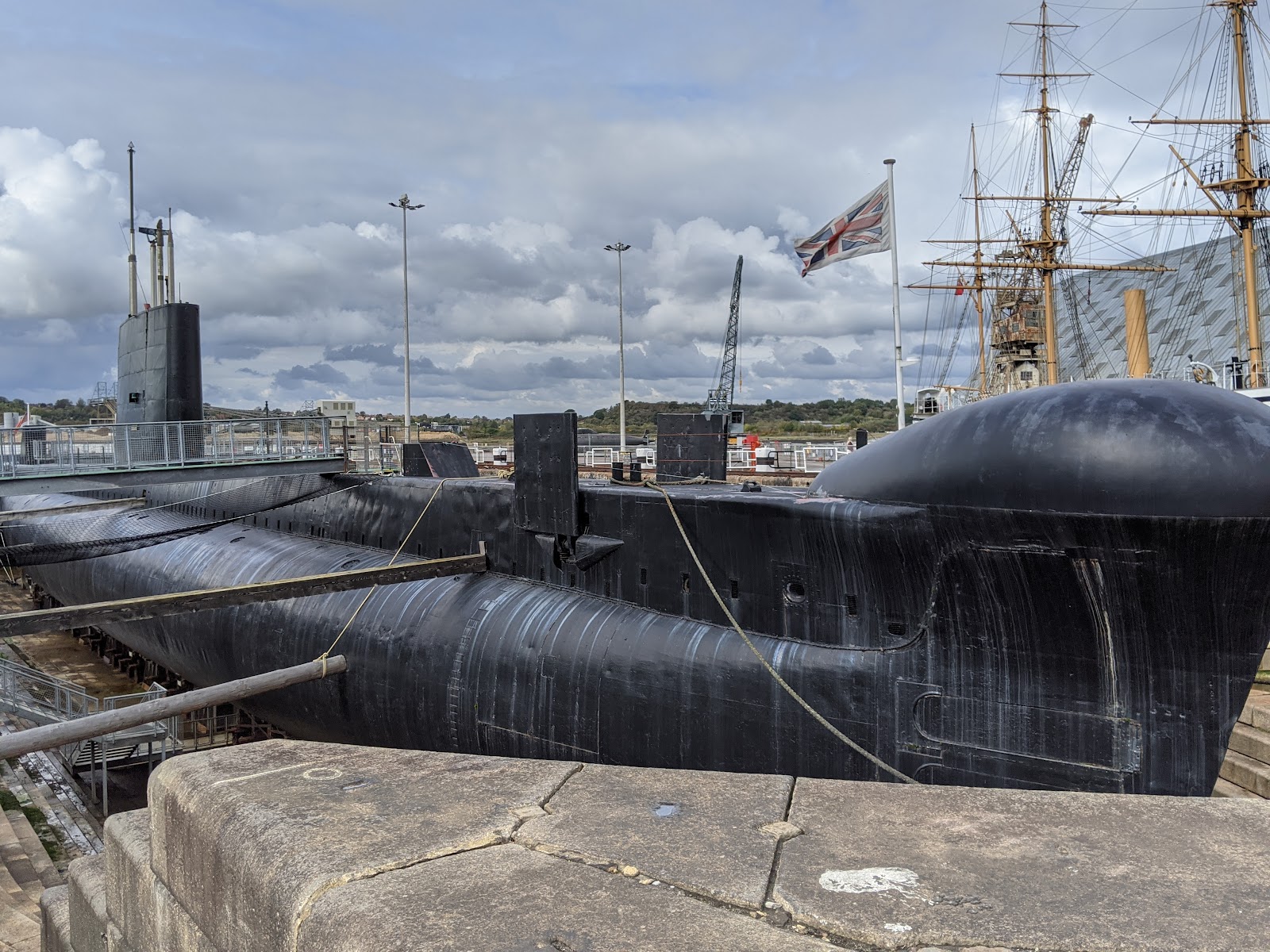
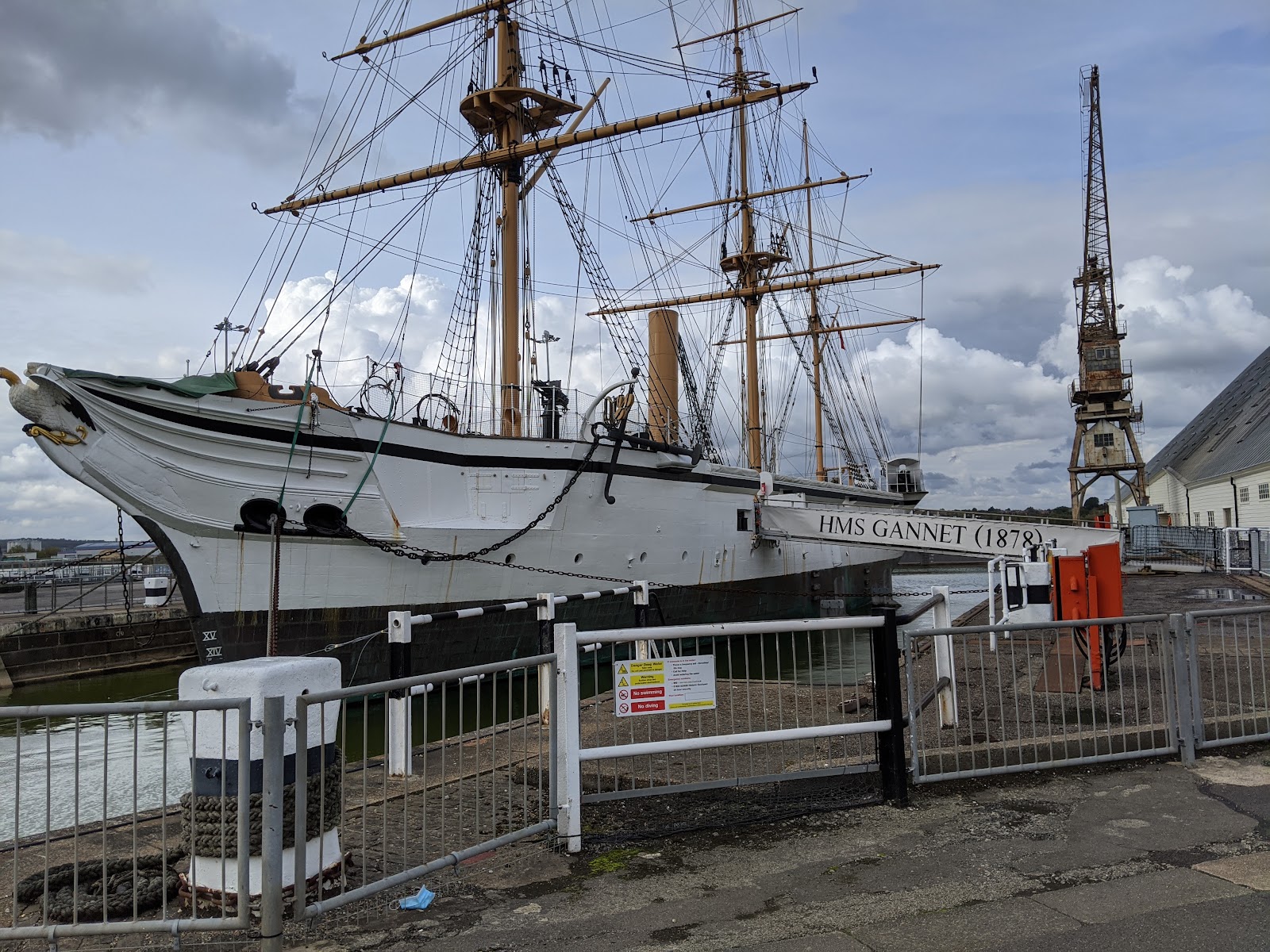
After this interesting tour we went on to visit some of the ships and the naval artefacts that are the actual reality of Chatham dockyard. We wandered around a large comprehensive display of historic retired lifeboats, in a large hangar-like building. This was adjoining another large area that displayed some huge shipbuilding and repairing machinery.
We then made our way to our coach for the journey home.
Prompt ~ Explore what your travels in Asia have been like.
THAILAND (4)
by John Yeo
We were absolutely delighted with our visit to Tiger World and we thought this would be an unmatchable memory of our visit to Phuket. However, our visit to Thailand was not over yet.
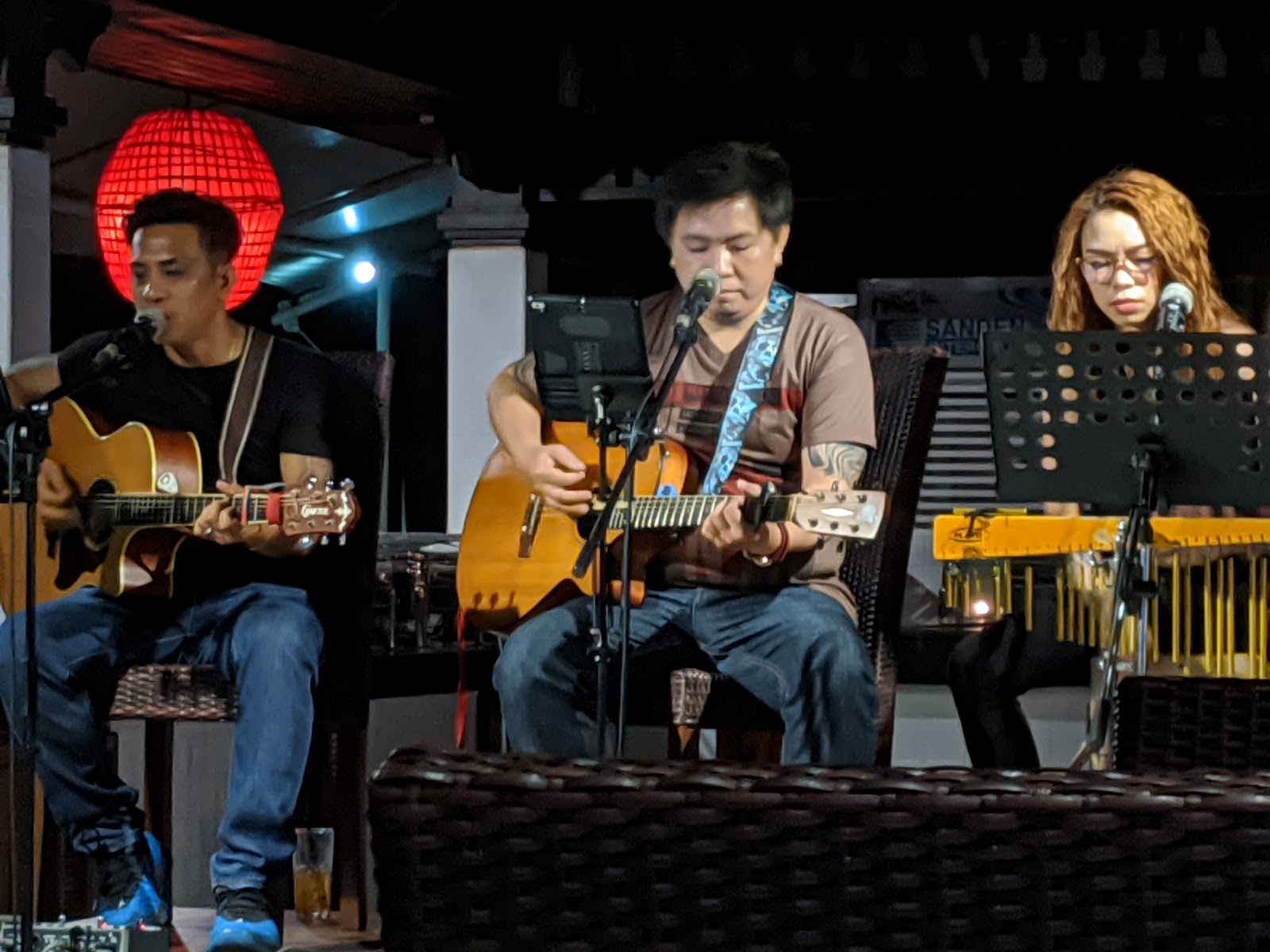
The above photograph is of a trio that entertained the resort guests in two of the dining areas most nights of the week during our stay. They were incredibly good and we enjoyed their music, which was mostly hits made famous by British and USA pop stars. I made enquiries trying to ascertain what name they were known by. Apparently they didn’t have a name, they were just happy to play together in the resort, entertaining the guests for a living. I guess they were paid a wage by the management.
Both Margaret and I are gardeners and grow-your-own enthusiasts and we decided to hire a taxi for the day,with a view to exploring the agricultural areas on the island. This proved to be a disappointment as far as the agricultural areas were concerned but the driver did provide an interesting tour of the island’s tourist areas and a couple of blatant tourist traps.
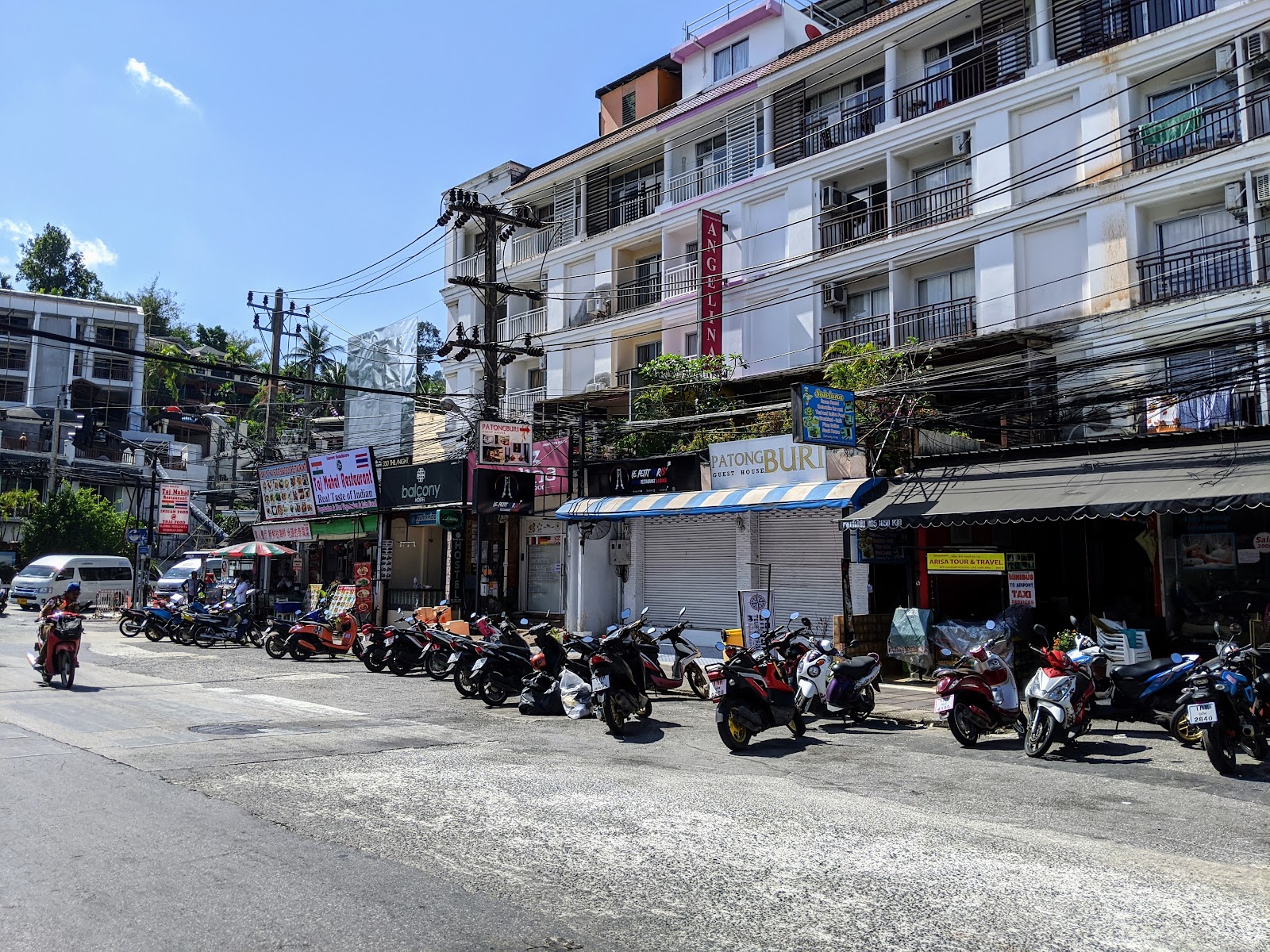
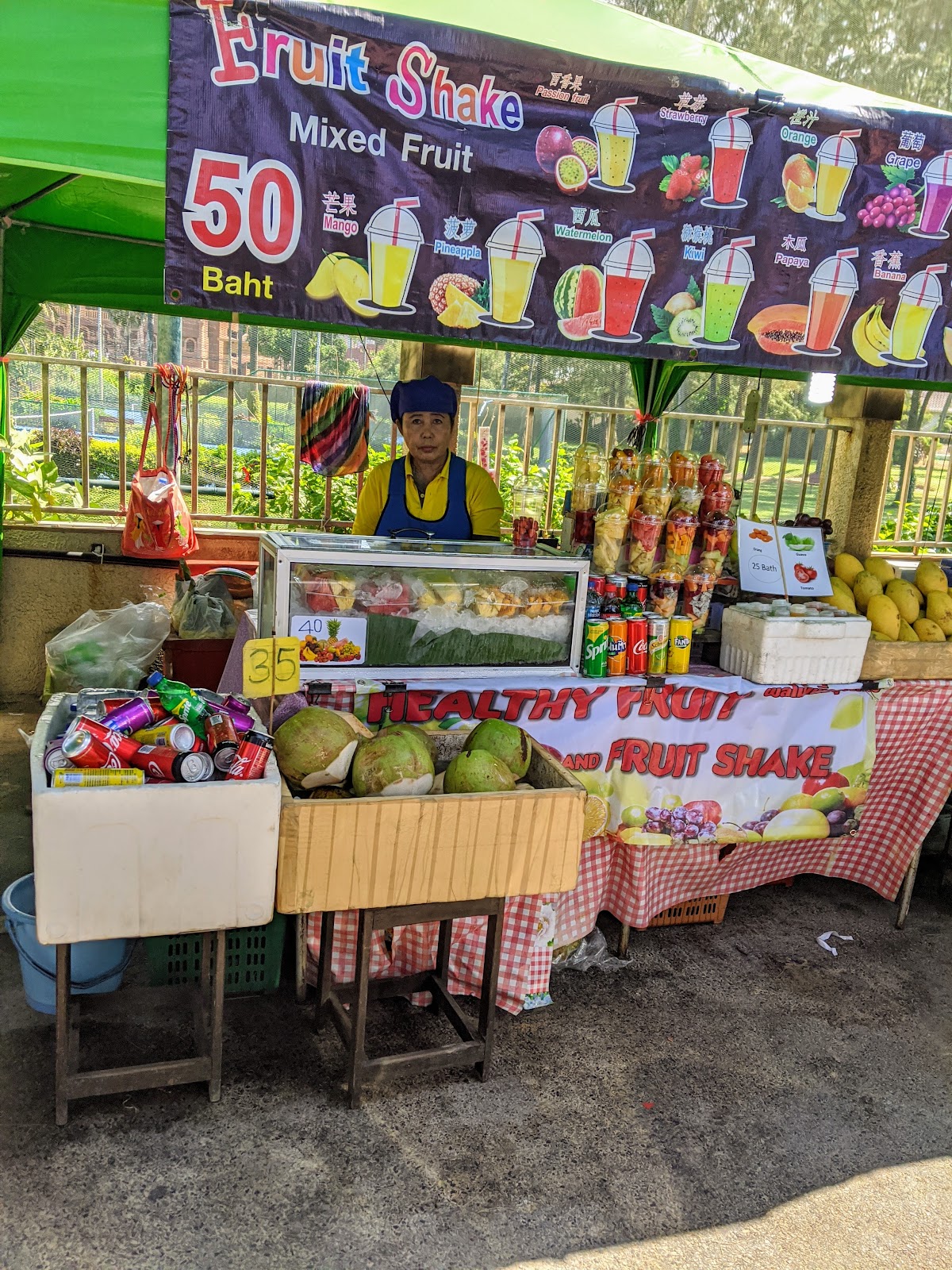
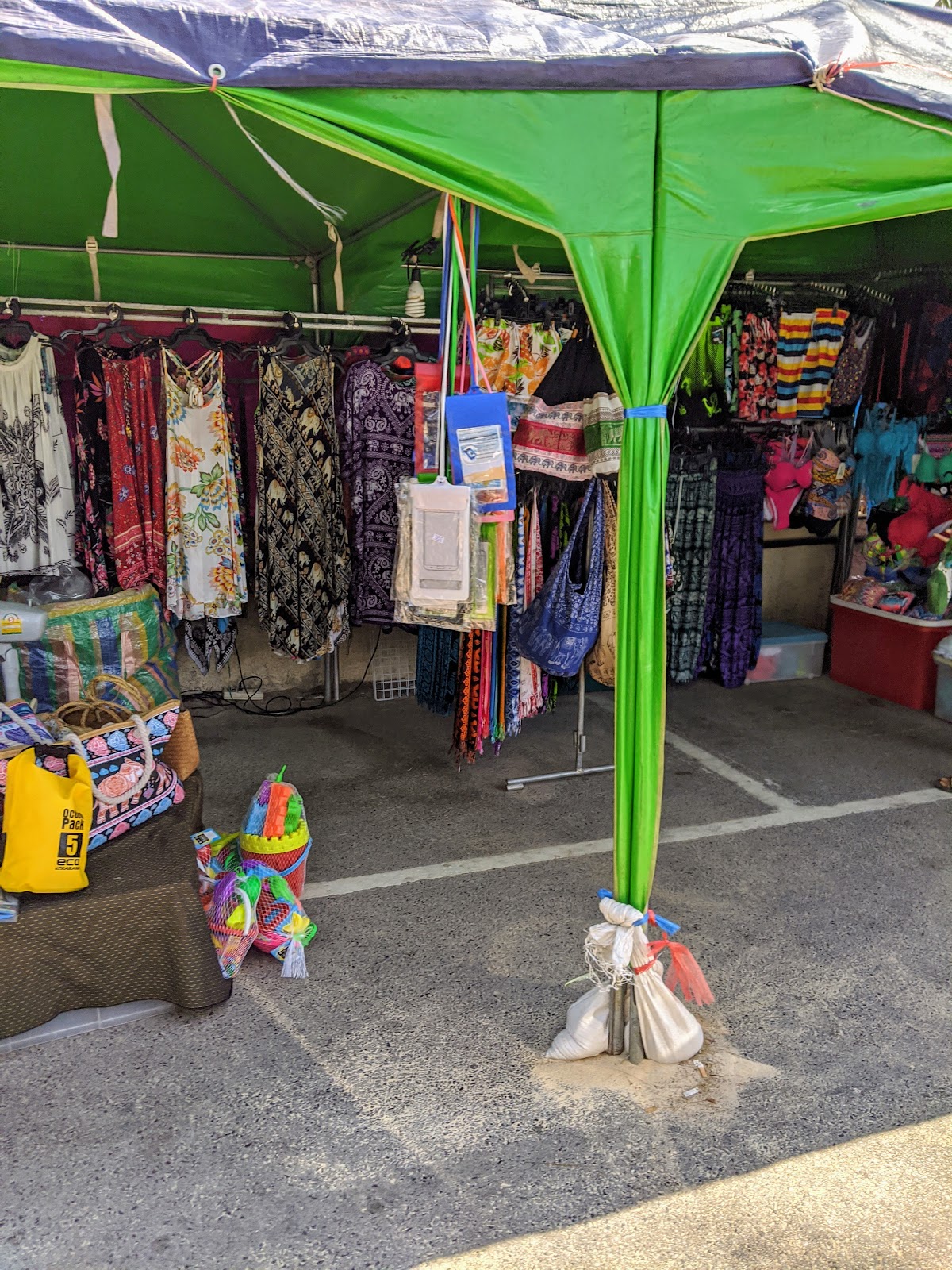
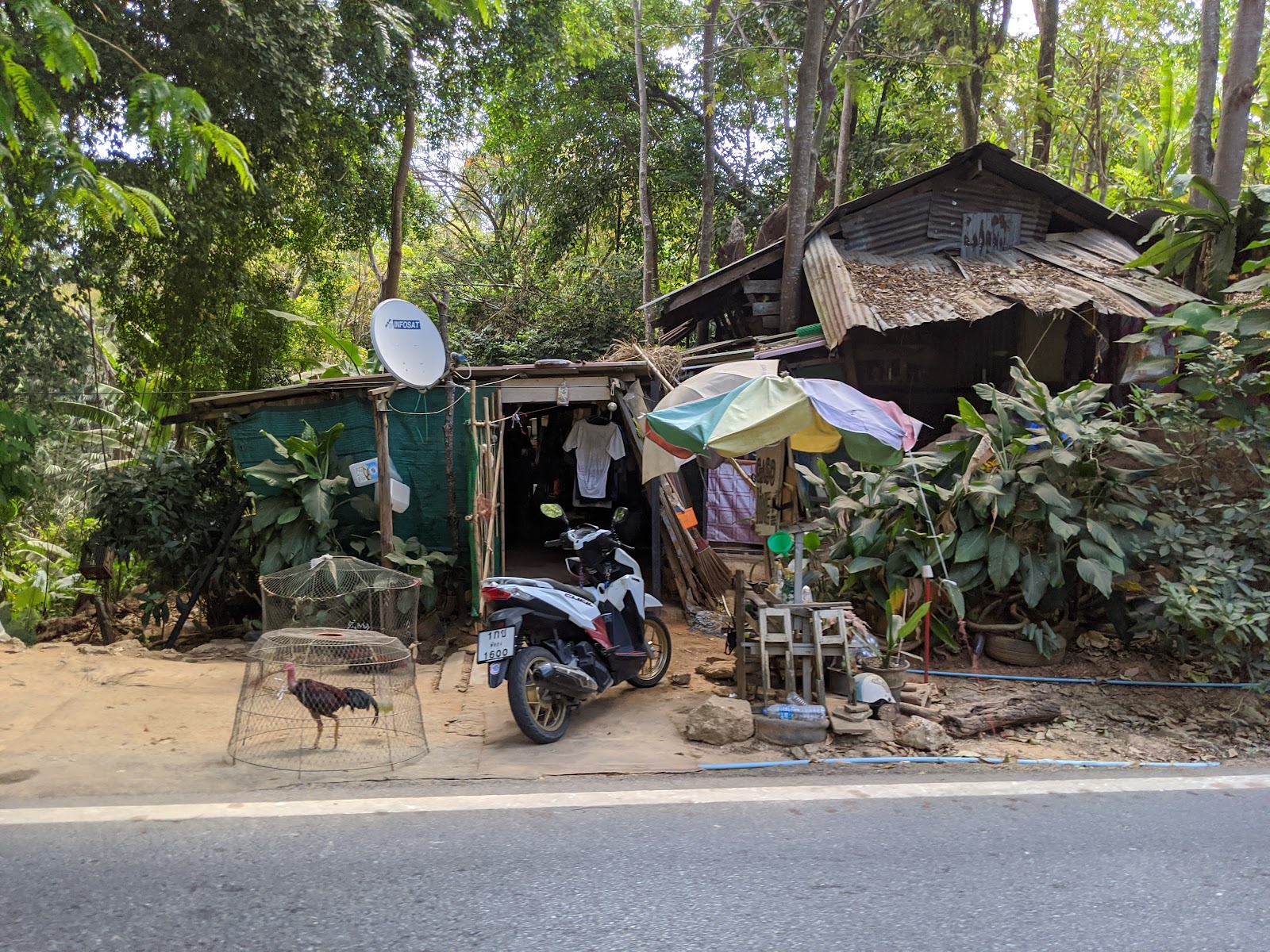
We passed many small roadside, beachside thriving businesses along the route and I opened the taxi window and began snapping off photographs along our way.
I would have loved to have stopped along the way to photograph some of these entrepreneurs and their shacks.
We were taken on a hair-raising ride along a narrow road through a large, select, private beach, fronted with busy small businesses.
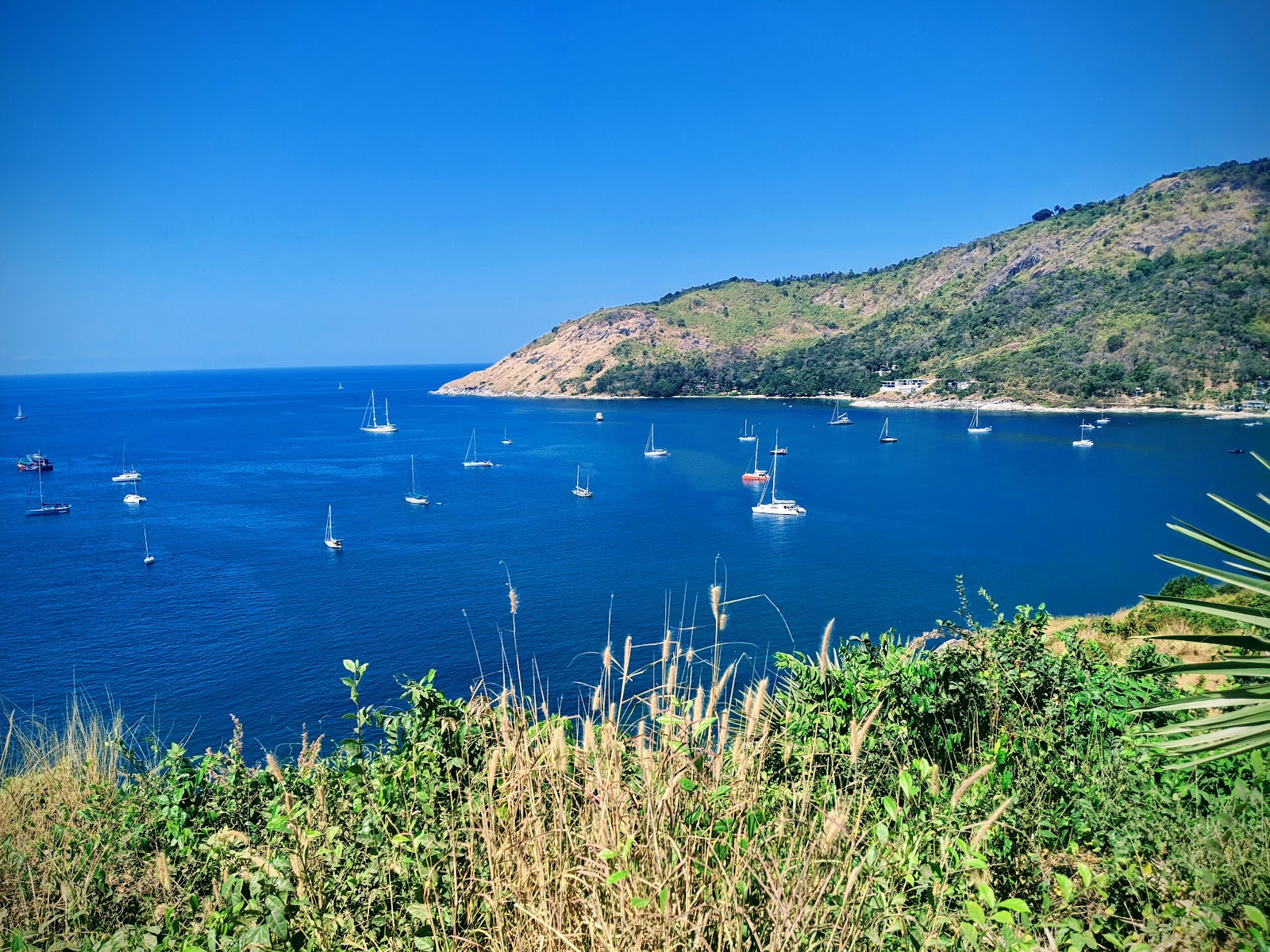
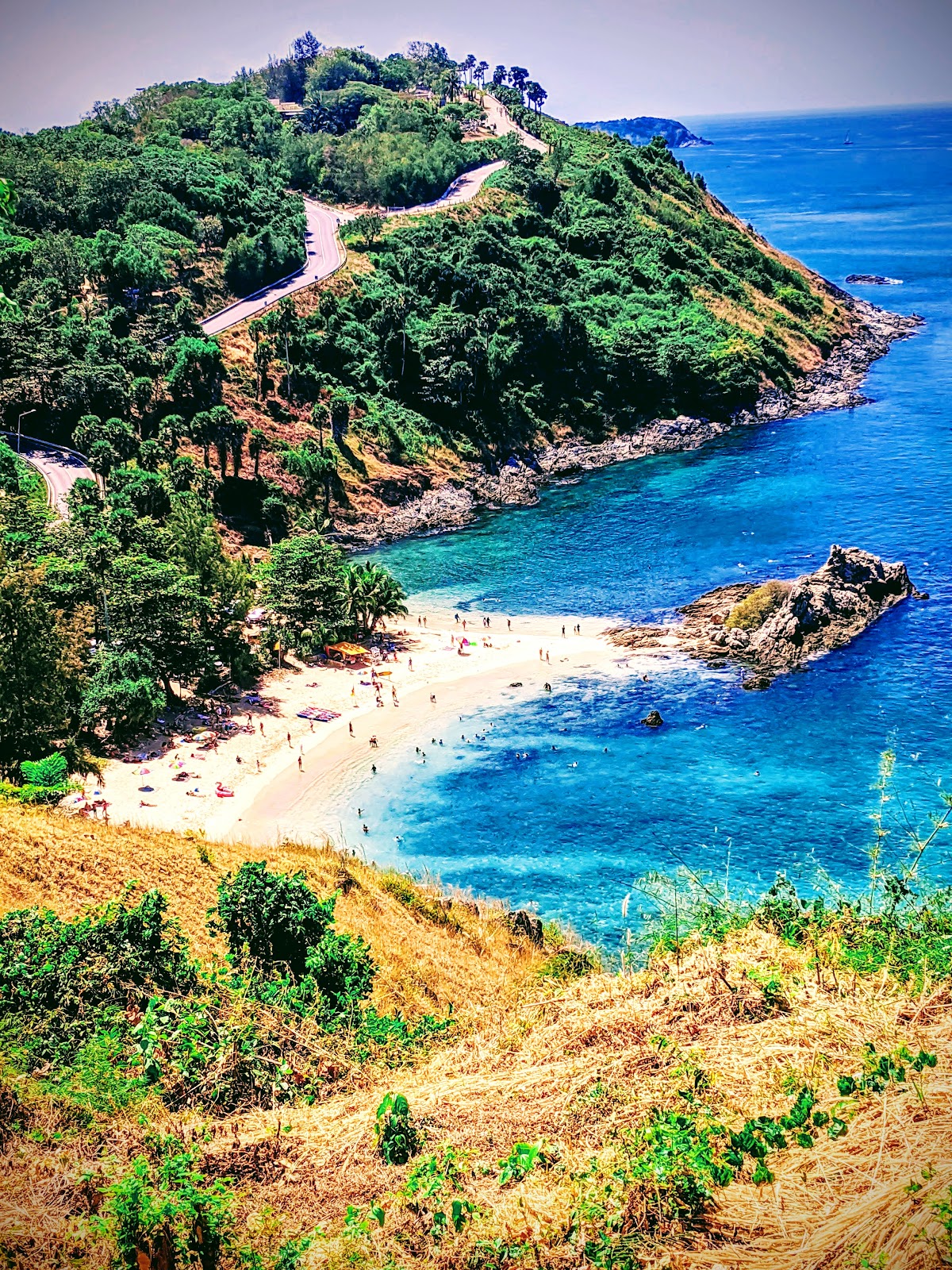
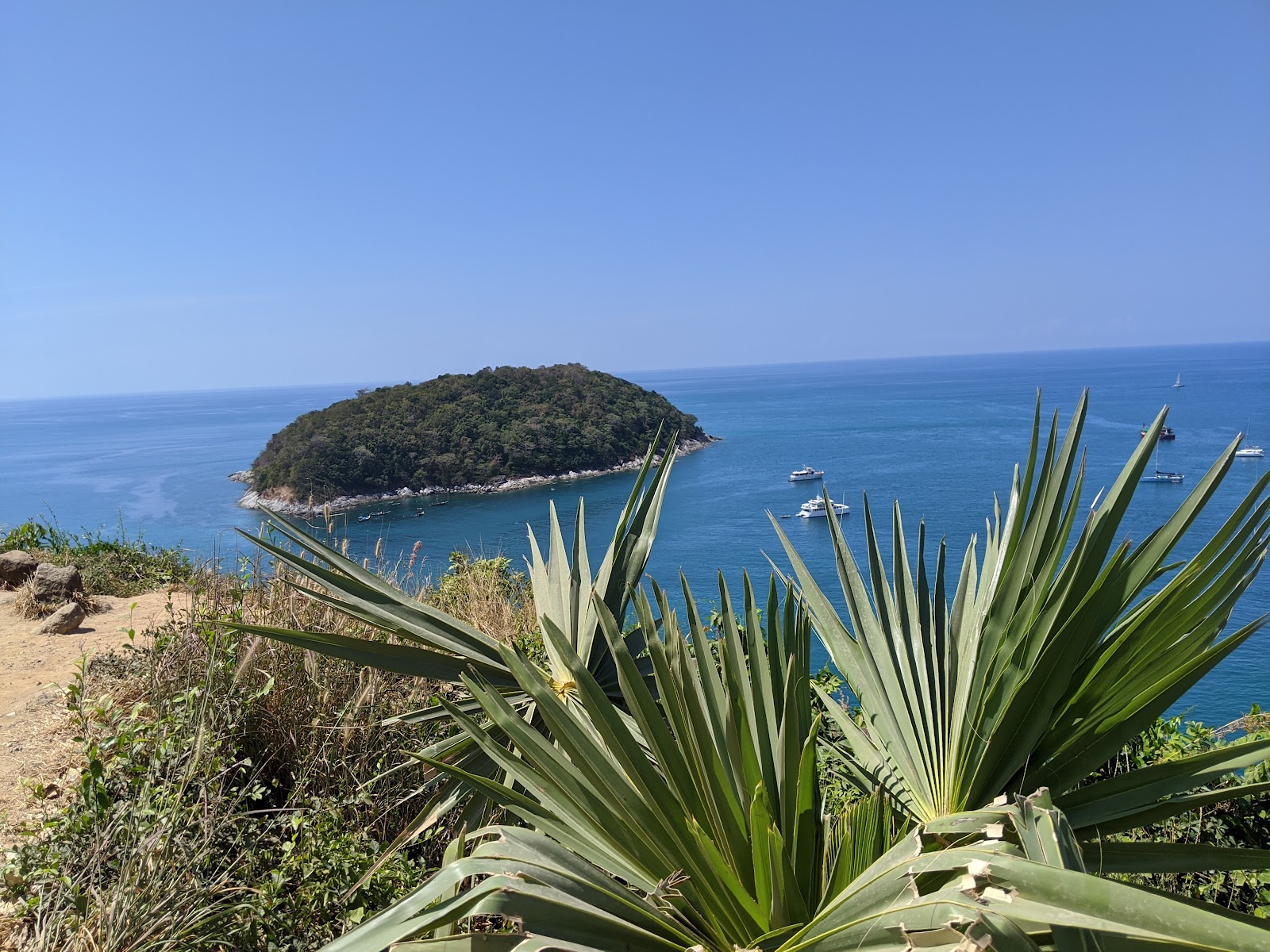
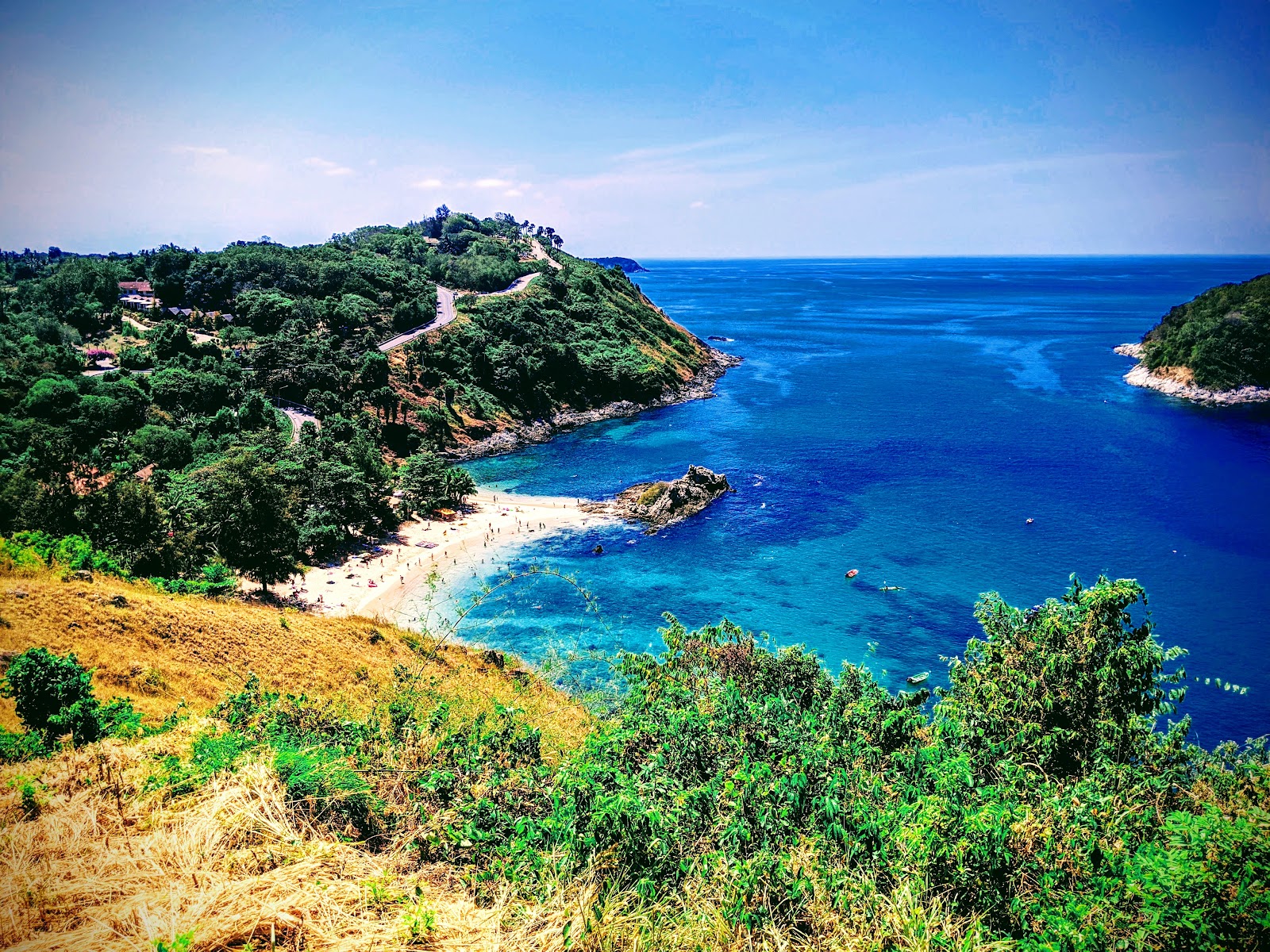
I think the driver was taking a shortcut to our first stop, an impressive viewpoint high on some cliffs overlooking a bay containing an island with many small craft on the blue sea.
This was known as the windmill viewpoint in respect of a huge wind turbine that was nearby. We took many photographs here as the scenery was particularly beautiful.
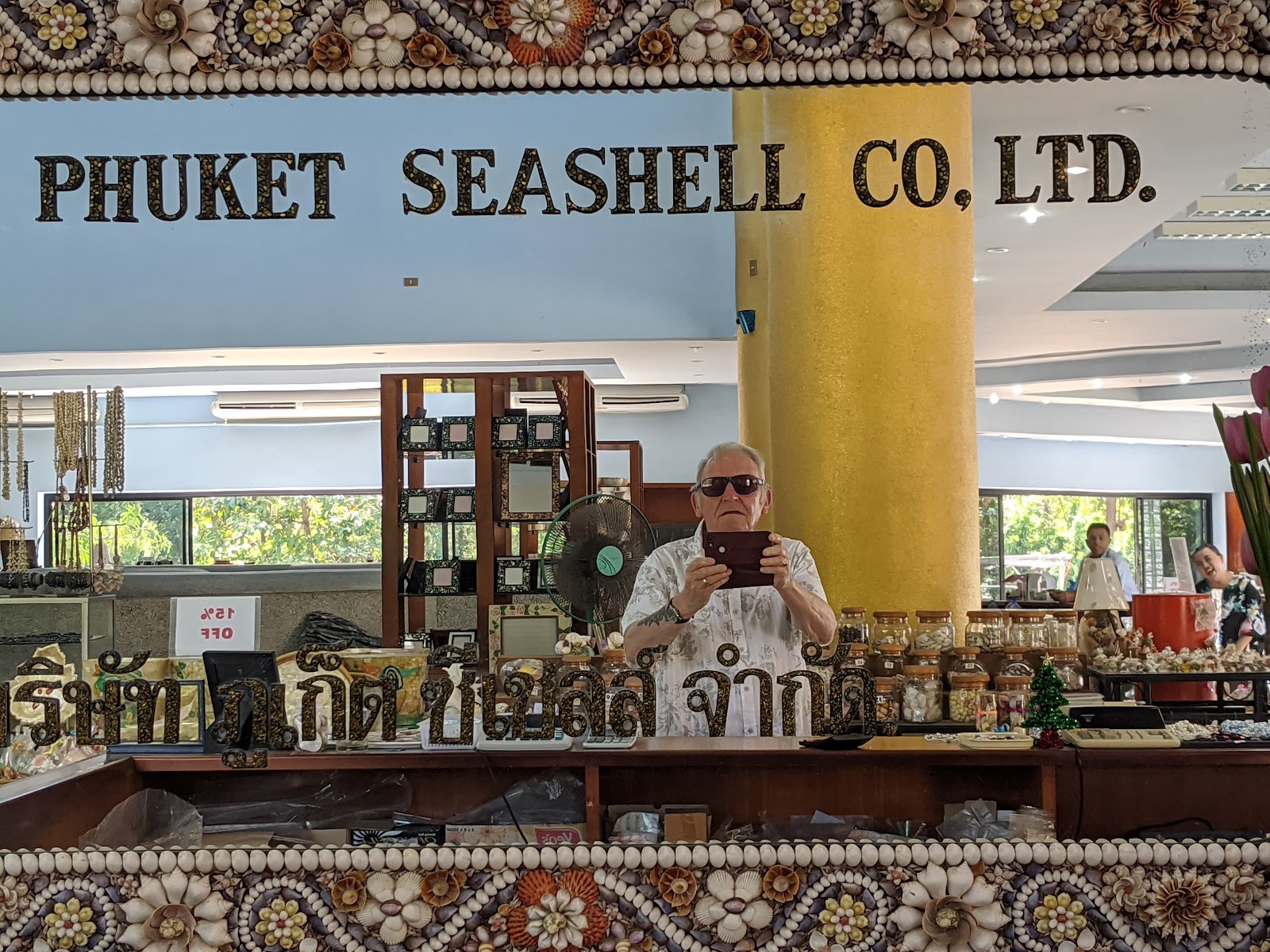
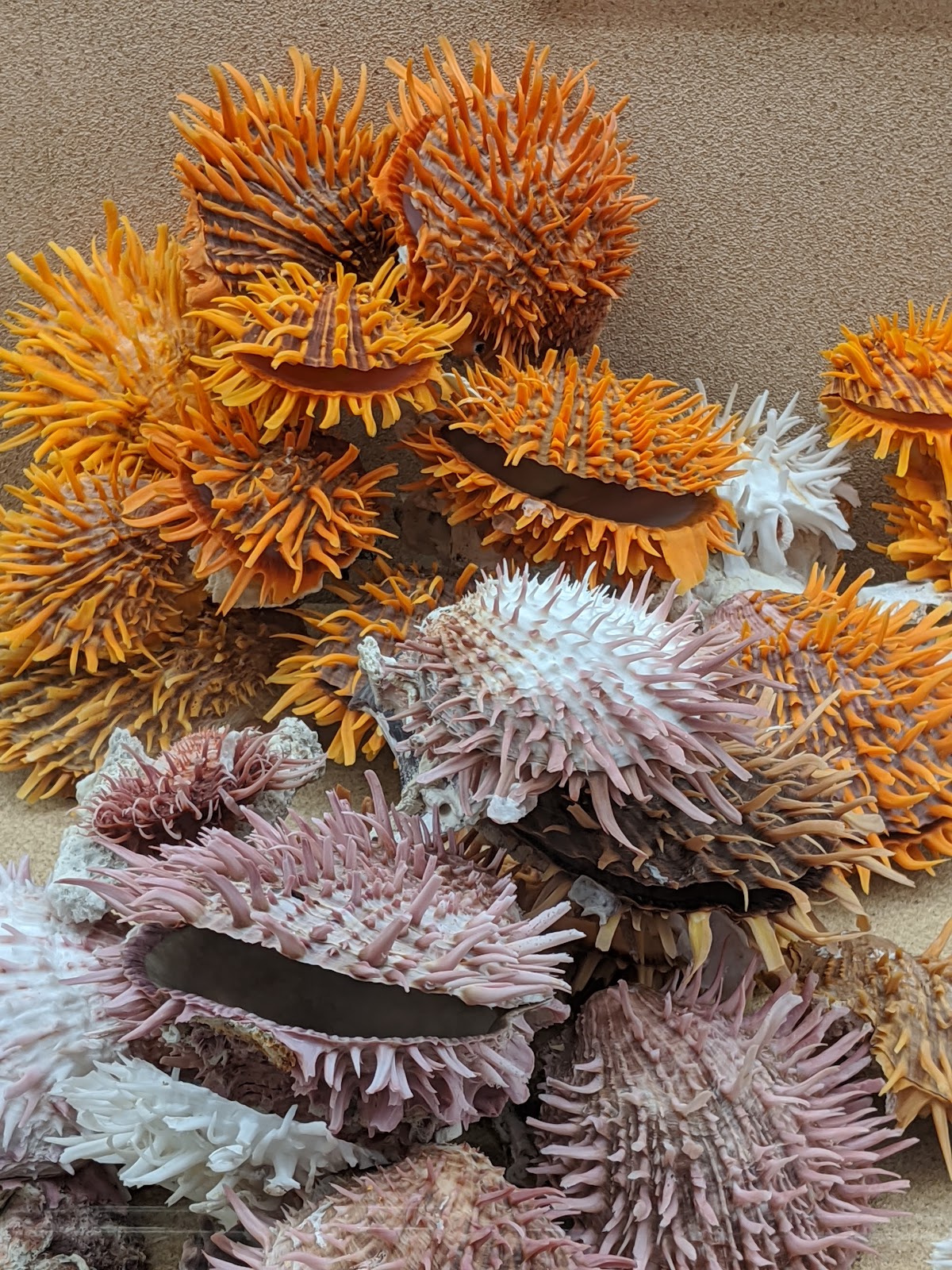
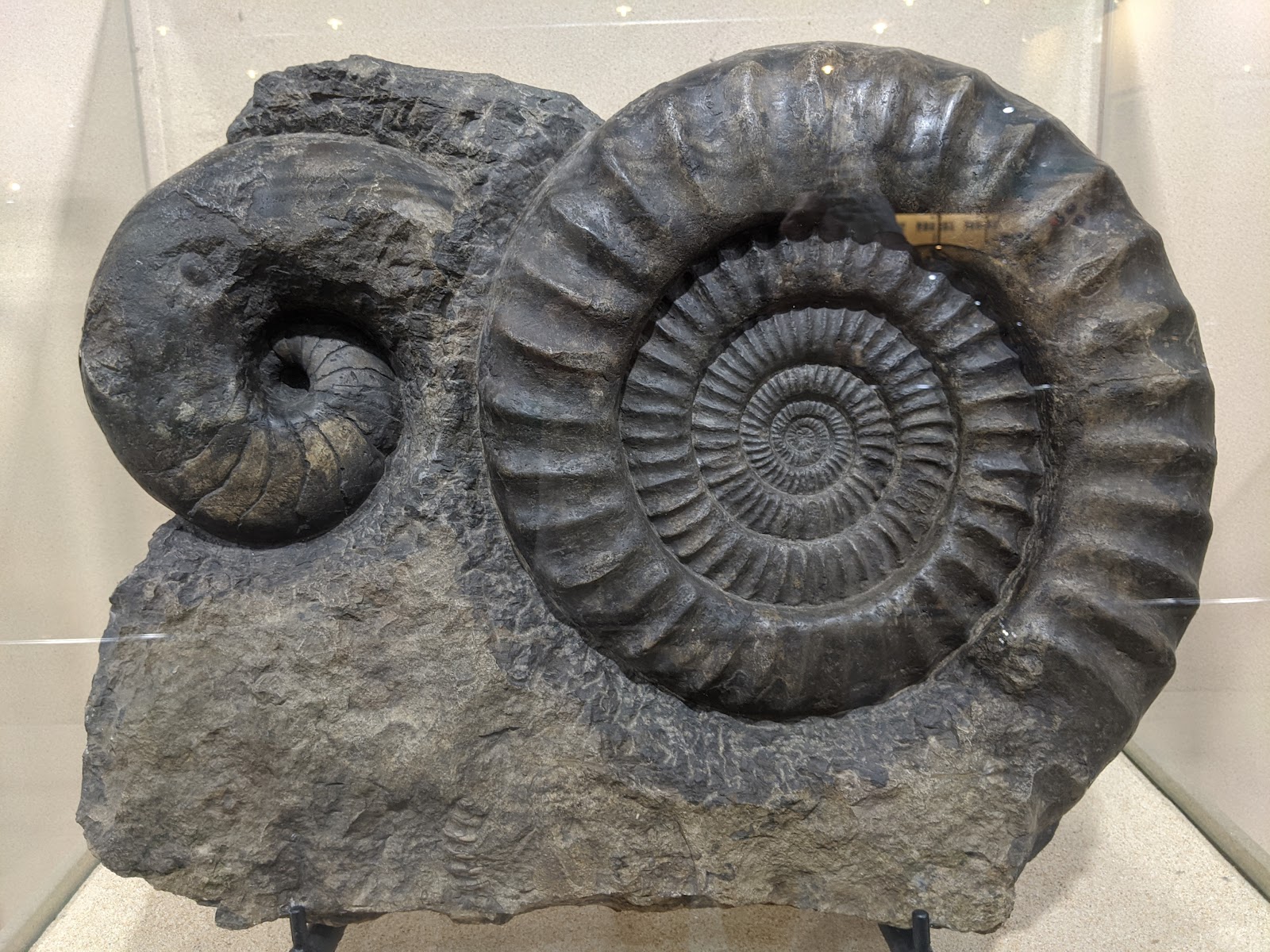
I asked the driver to take us to an agricultural area and he asked if we would like to visit a museum first. We agreed to this thinking it would be a museum of Thai life. This was the first tourist trap, the museum was a large warehouse containing thousands of seashells of various shapes and sizes. We were charged an entrance fee and we declined to purchase any of the shell souvenirs in the gift shop.
Again I requested a trip to the agricultural areas, but he responded with a blank reply and asked if we would visit another museum area first. We agreed to this and we were taken to a huge oriental diamond and precious stones business, where we wandered around accompanied by an oriental salesperson.
The displays of precious gems were amazing and we were somewhat puzzled and entranced. This was obviously another tourist trap and we declined to purchase anything during our visit. Photographs were strictly prohibited here.
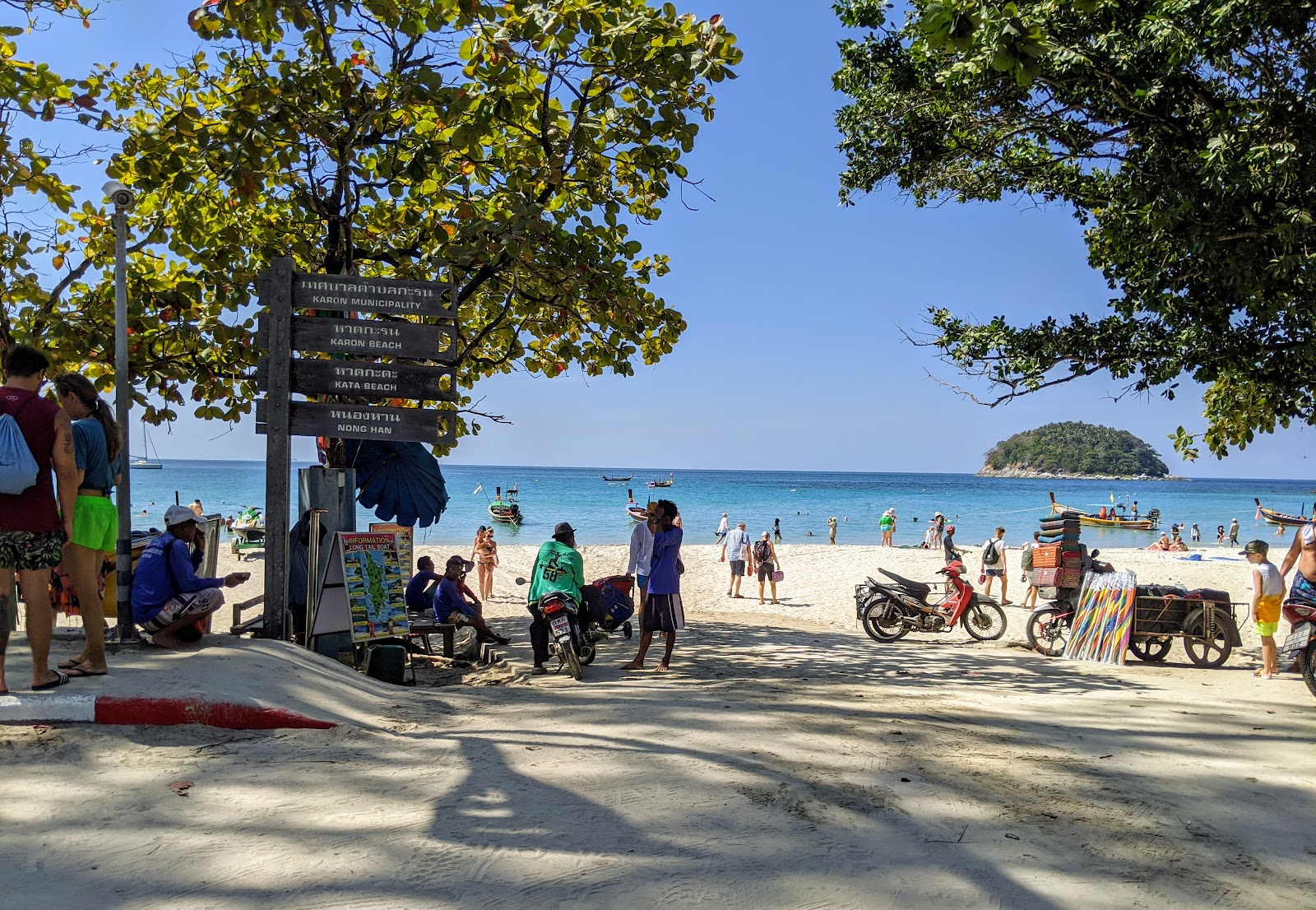
I display a couple of beach side seashore photos I took through the car window along the way back to our resort.
I then began to get quite annoyed as our day was coming to an end and we were unlikely to have time to drive out to a rural area.
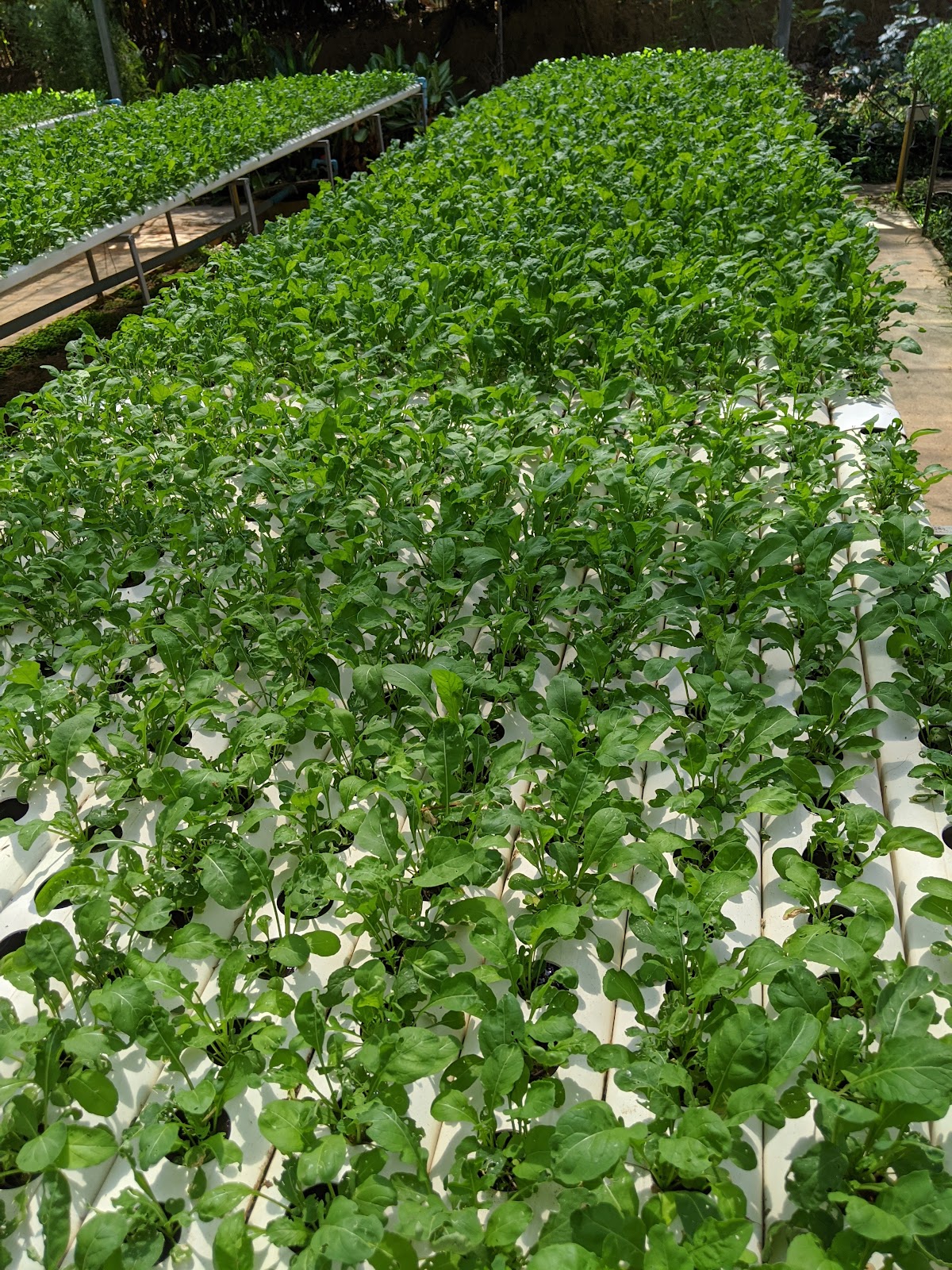
Our driver stopped in the car park of a large hotel that contained a large hothouse full of salad plants growing with aquaculture.
Not quite what we had in mind at the beginning of the trip. We paid 1500 baht for the day. Our lesson for future reference would be to be absolutely sure of where you want to go before you engage a taxi for a day of sightseeing in Thailand.
Prompt ~ Explore what your travels in Asia have been like.
THAILAND (3)
by John Yeo
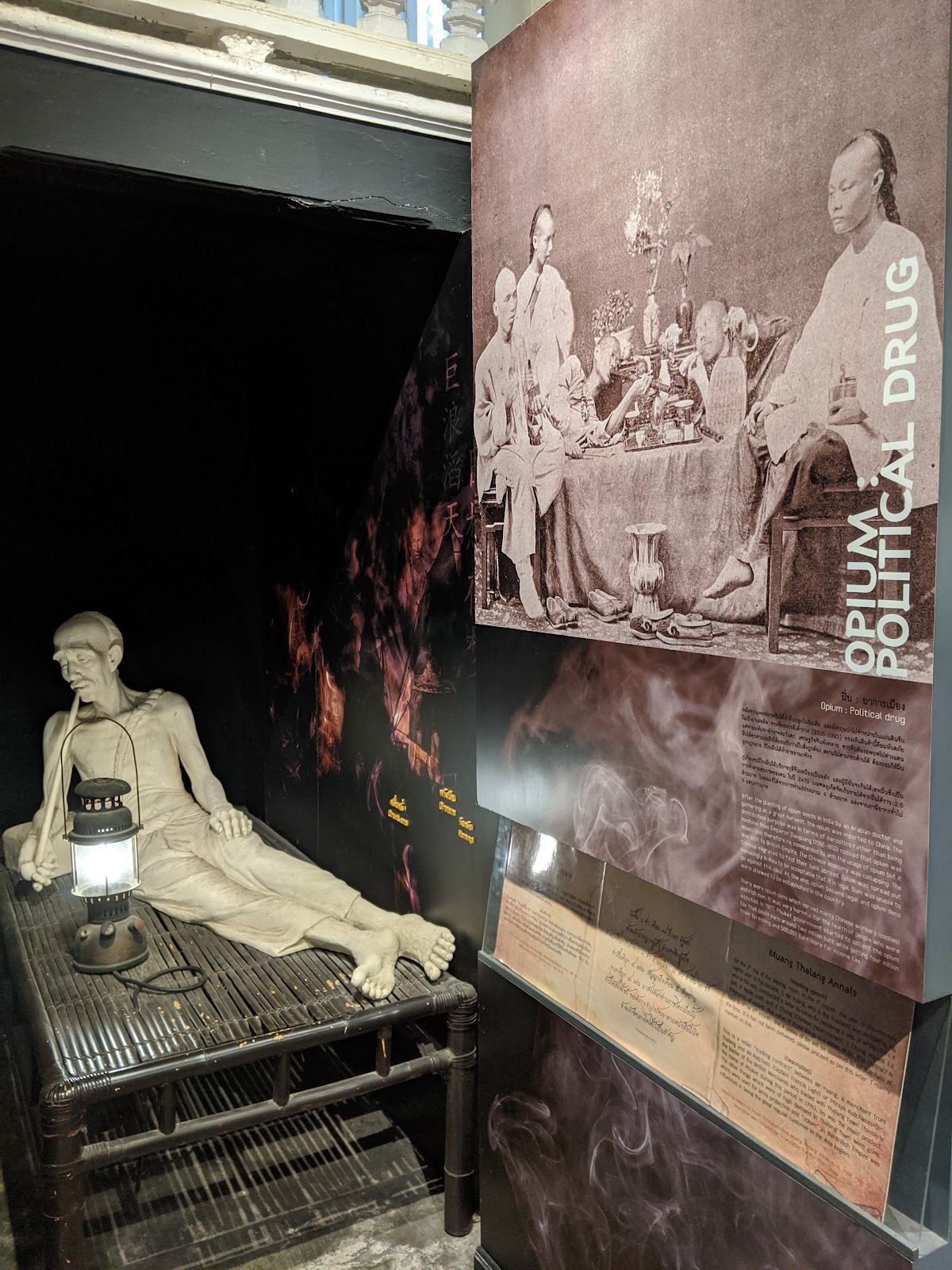
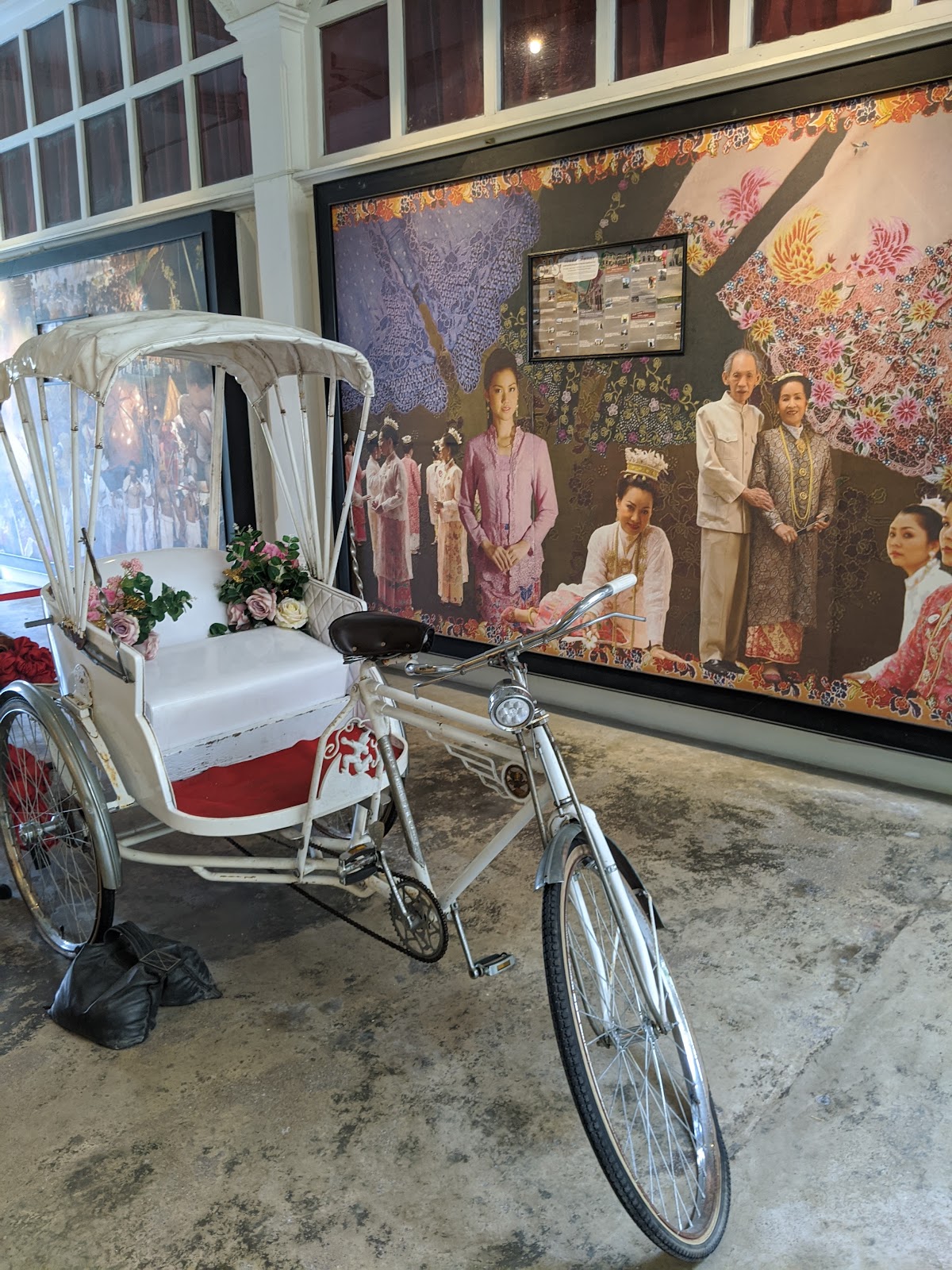
During our visit to the Thai Hua museum, which is housed in an old school building, built in the Portuguese style, we were impressed at the huge influence the Chinese community had on Phuket. We were able to examine many photographs and artefacts relating to the early Chinese immigrants here. This was a great informative cultural episode in our visit to Thailand.
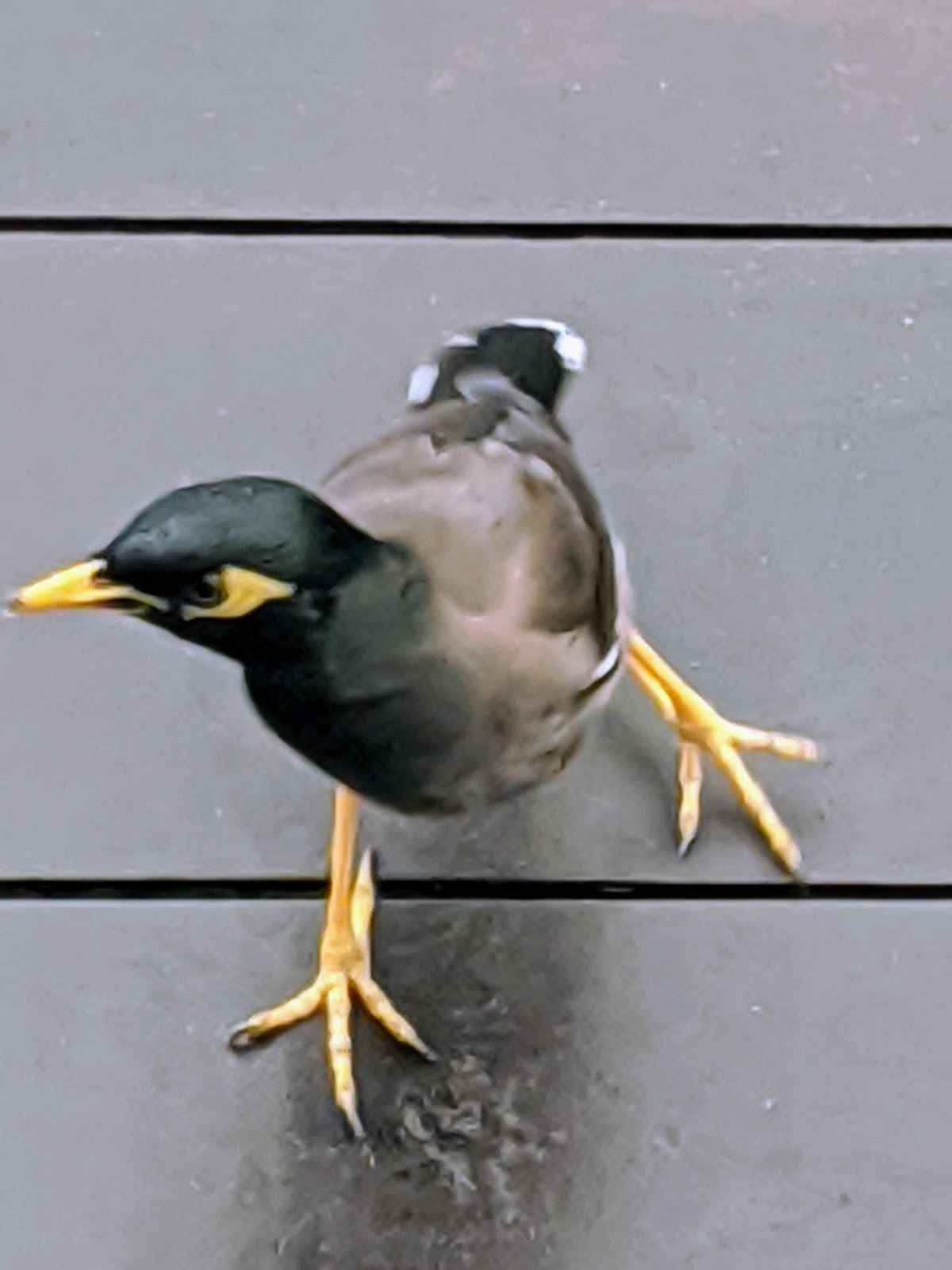
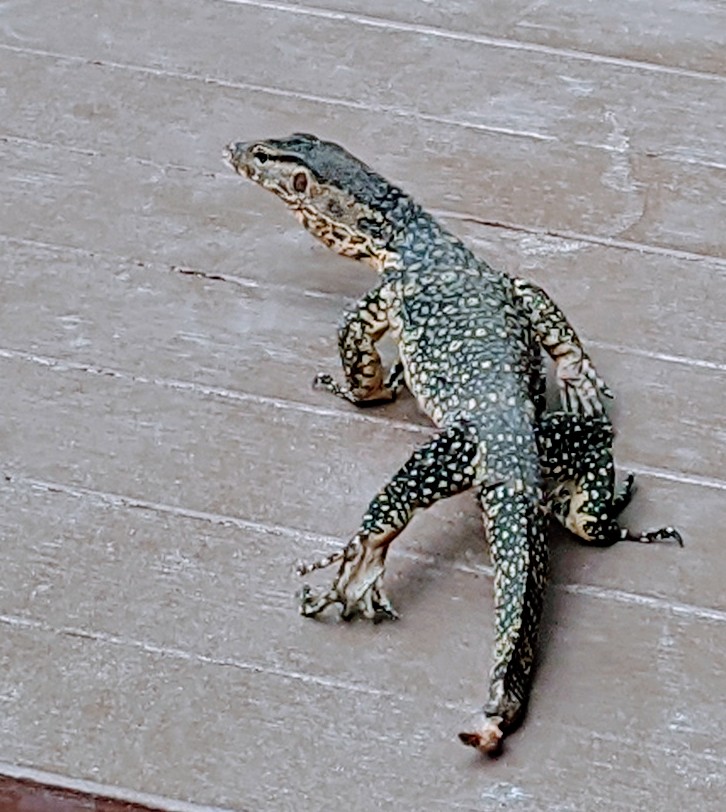
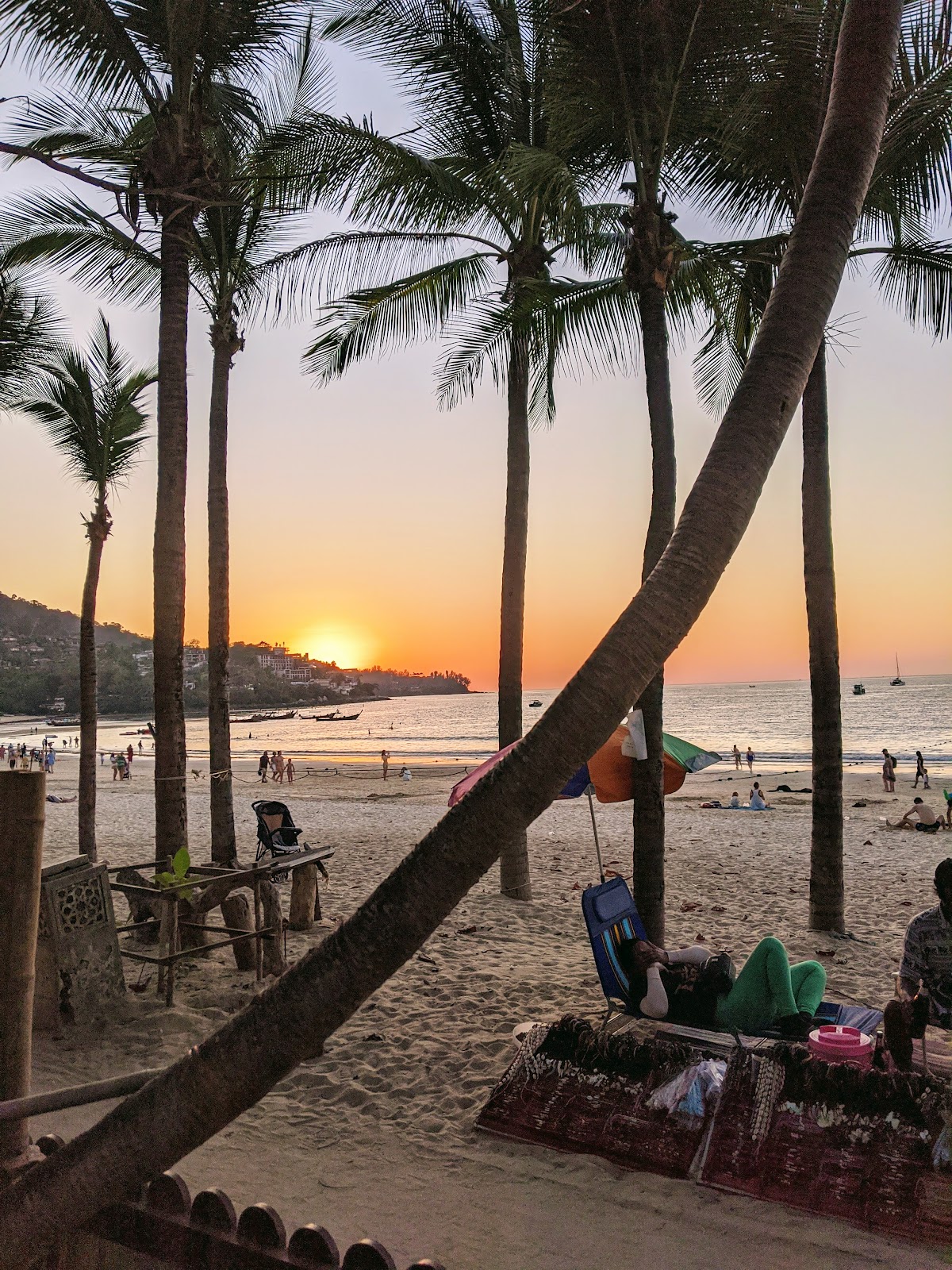
We were enormously impressed with the sunsets and the wild life in Thailand and I couldn’t resist snapping a few photographs during our visit.
.
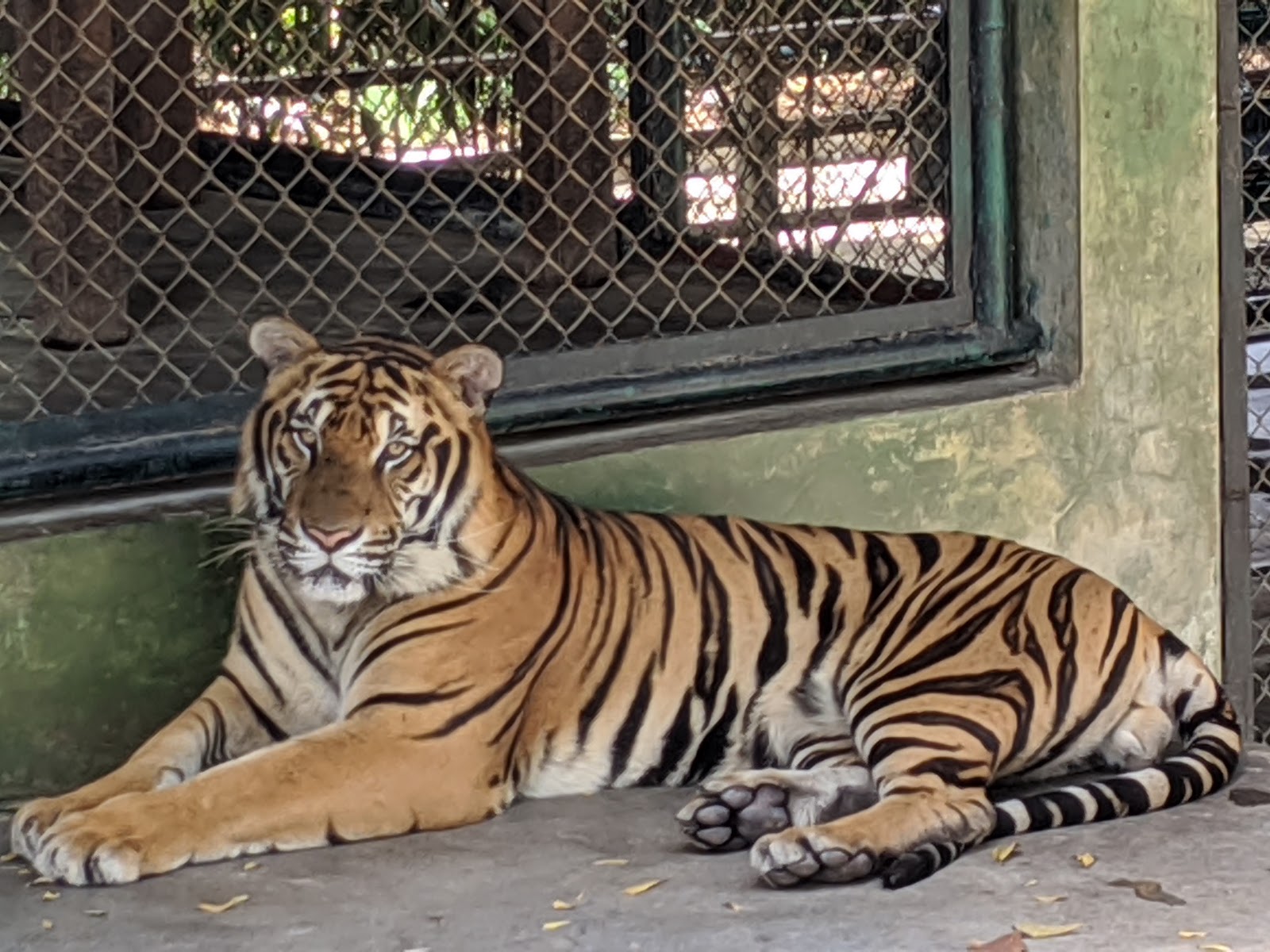
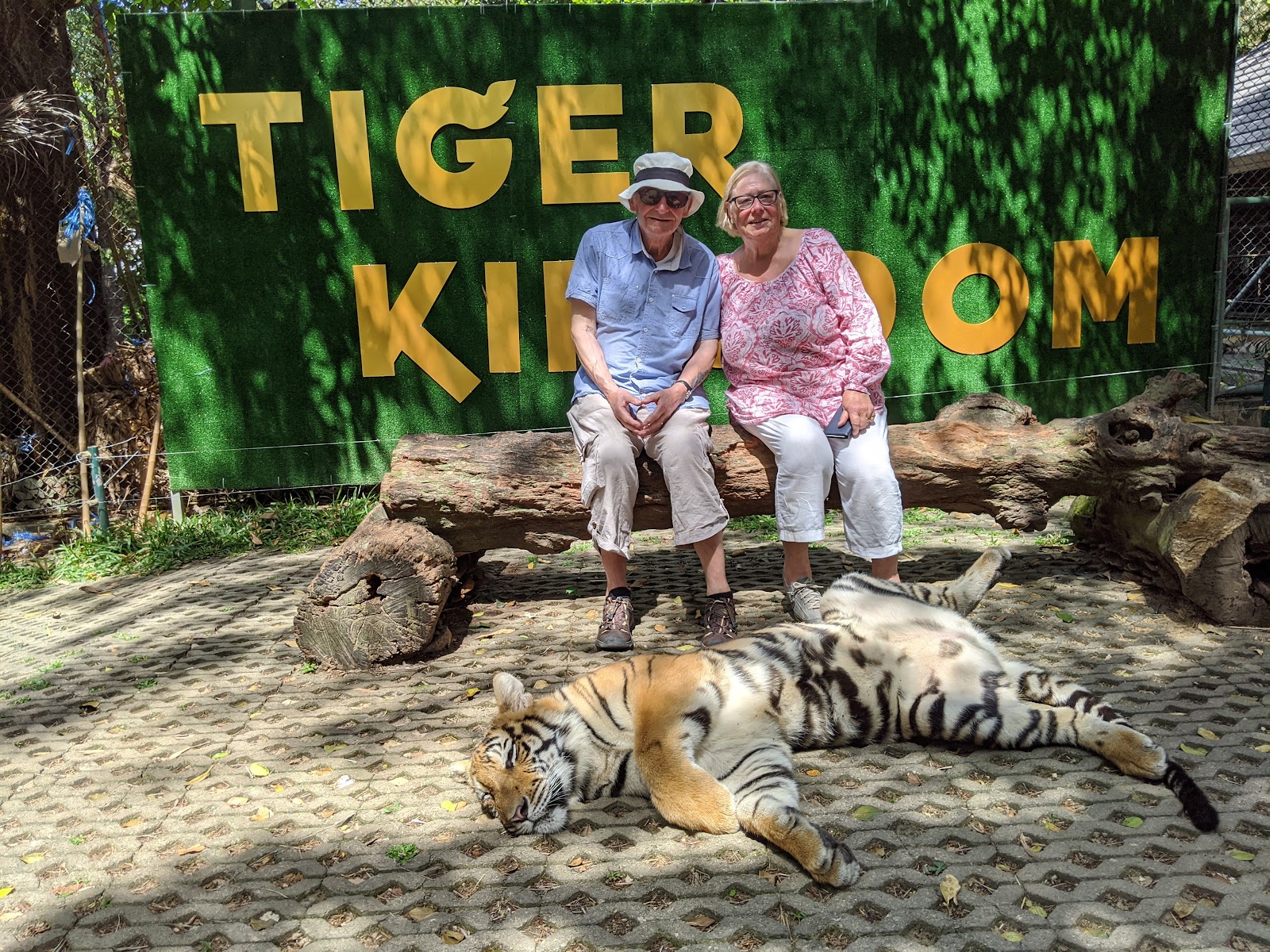
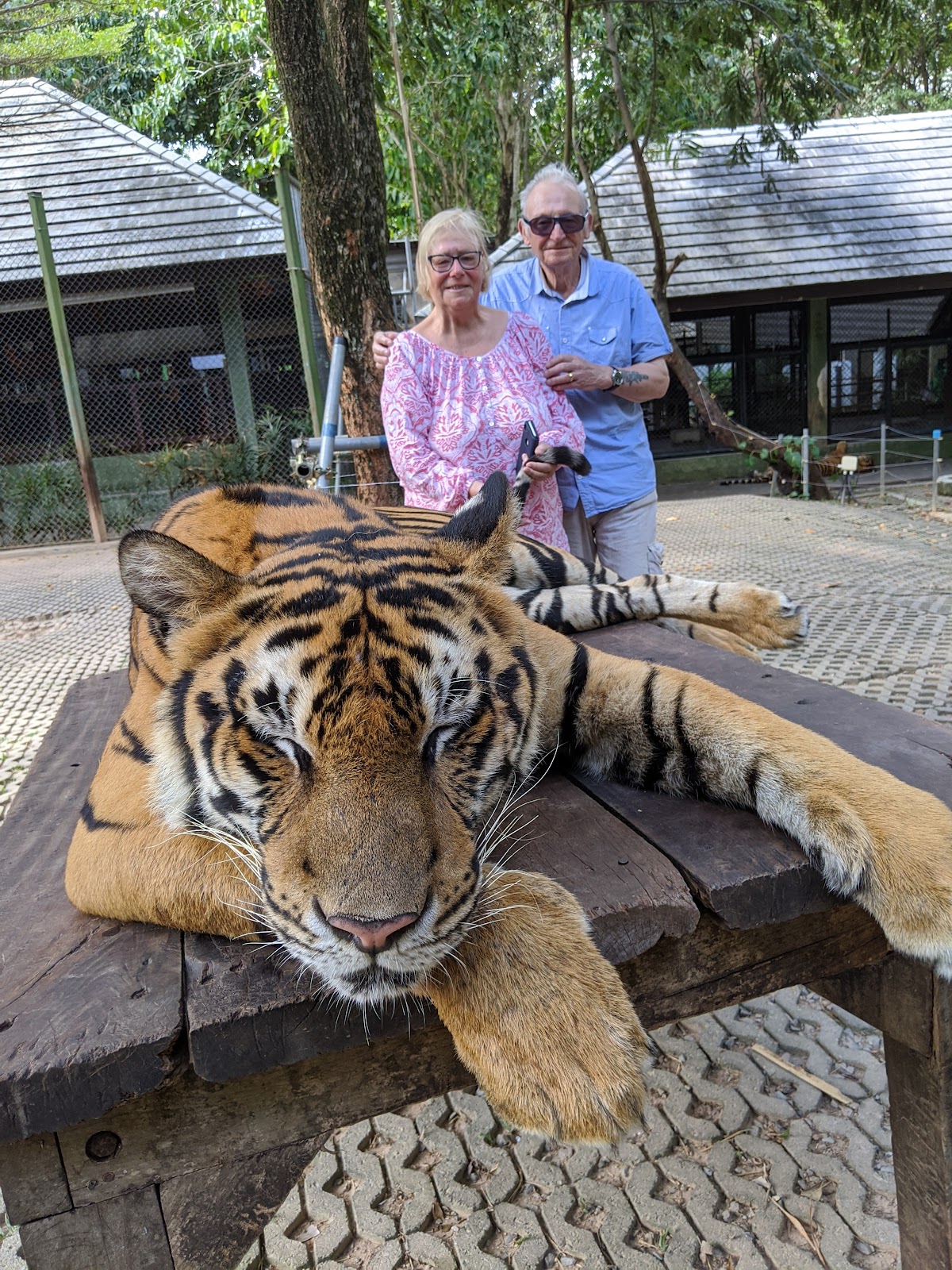
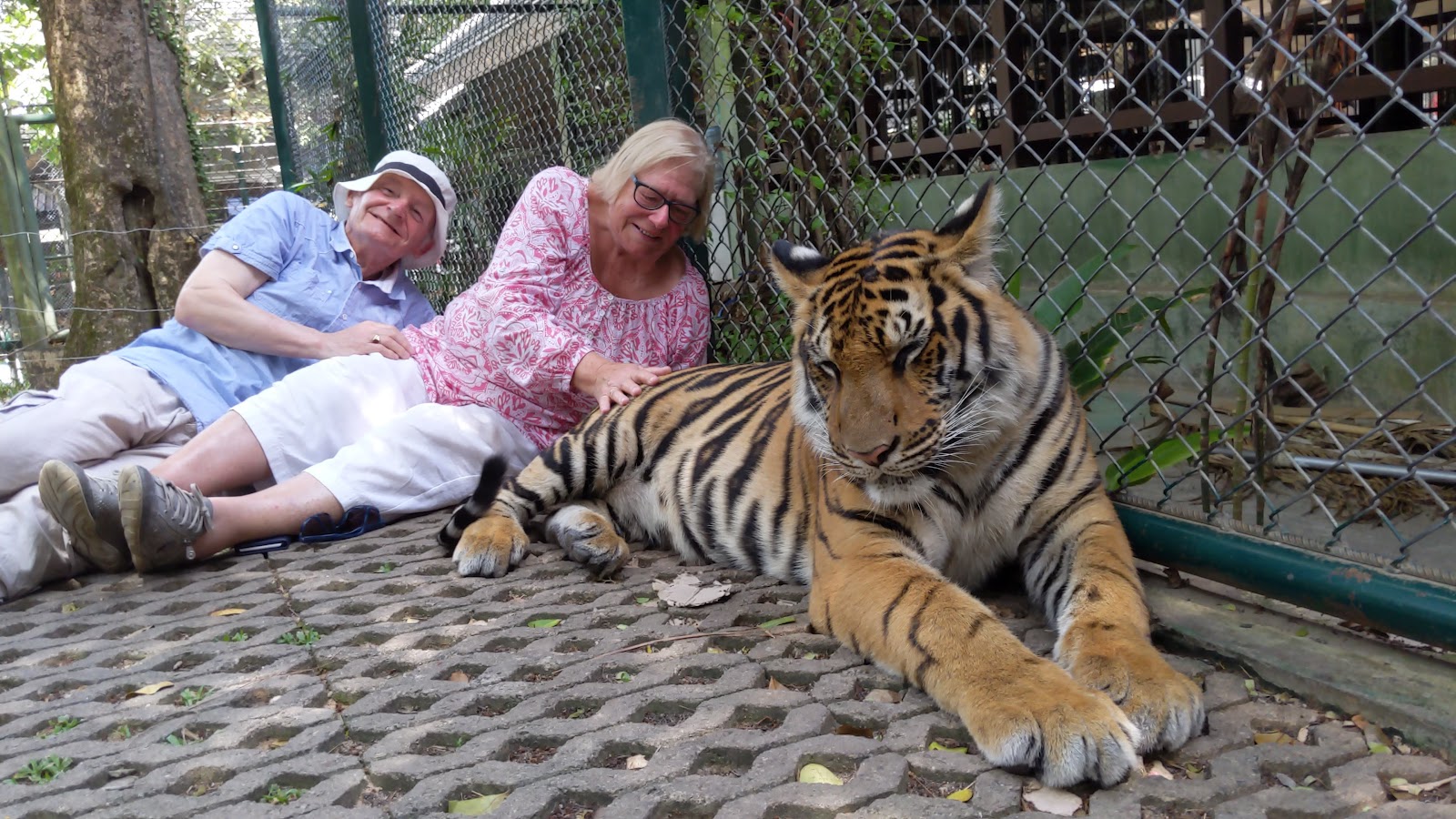
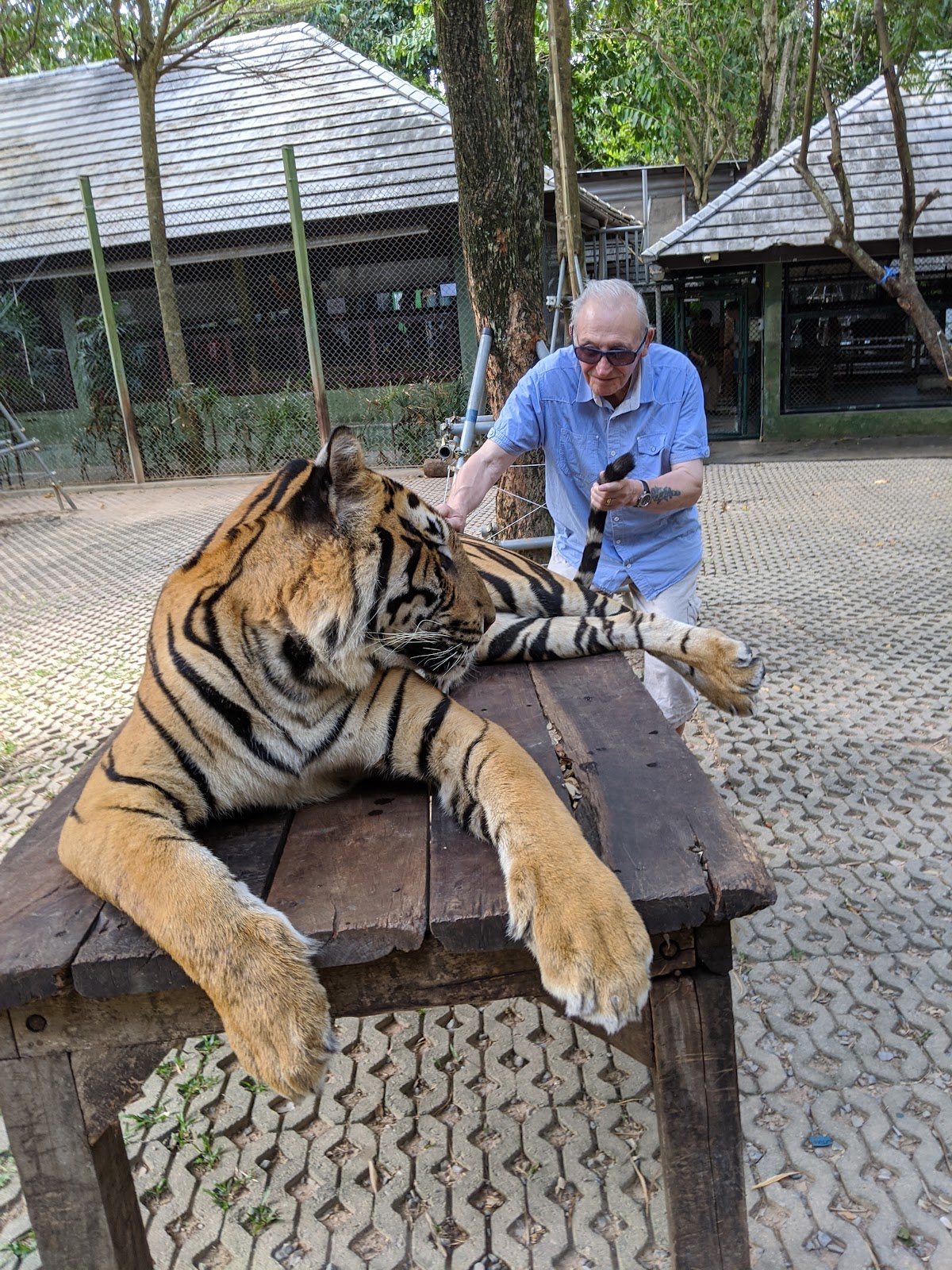
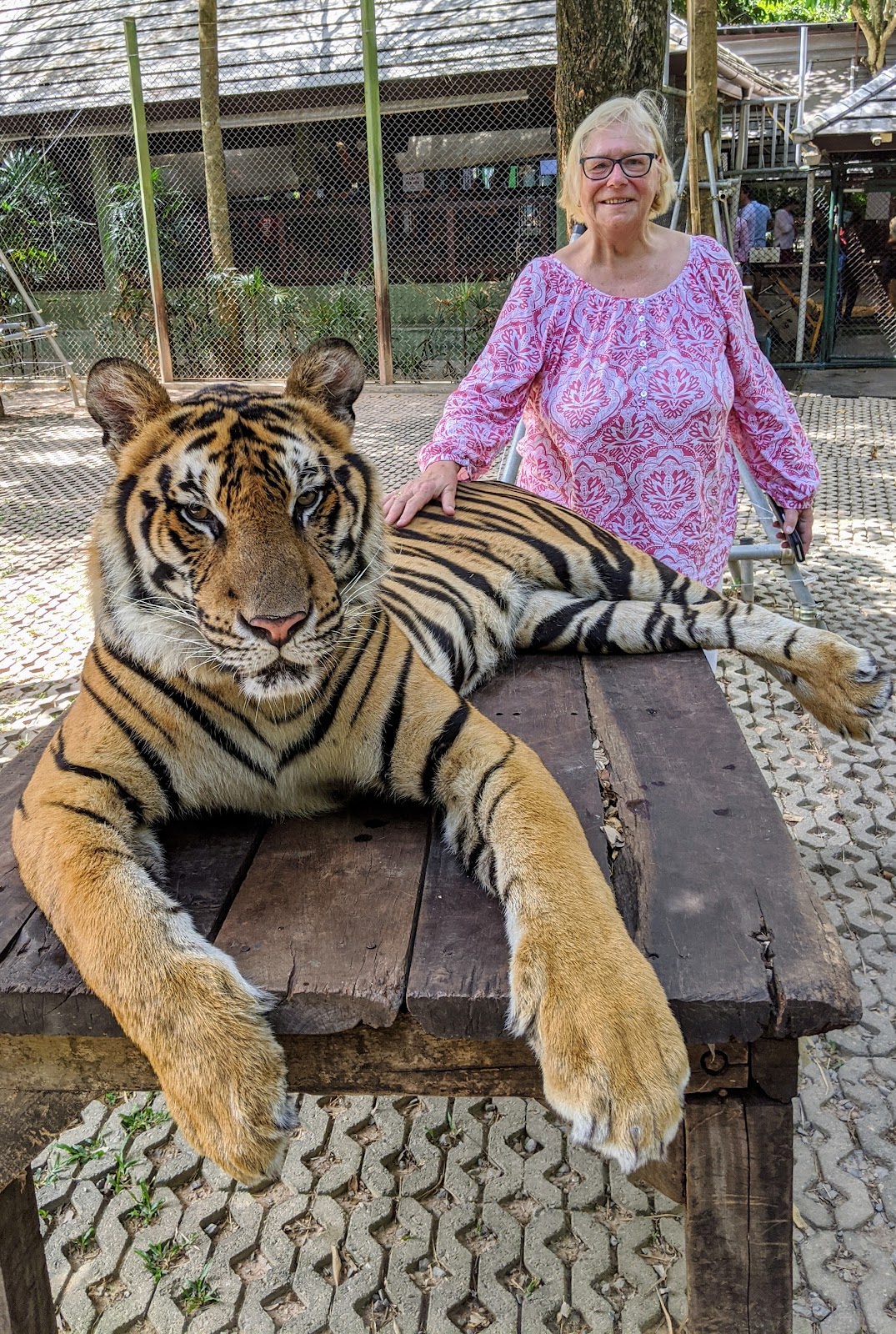
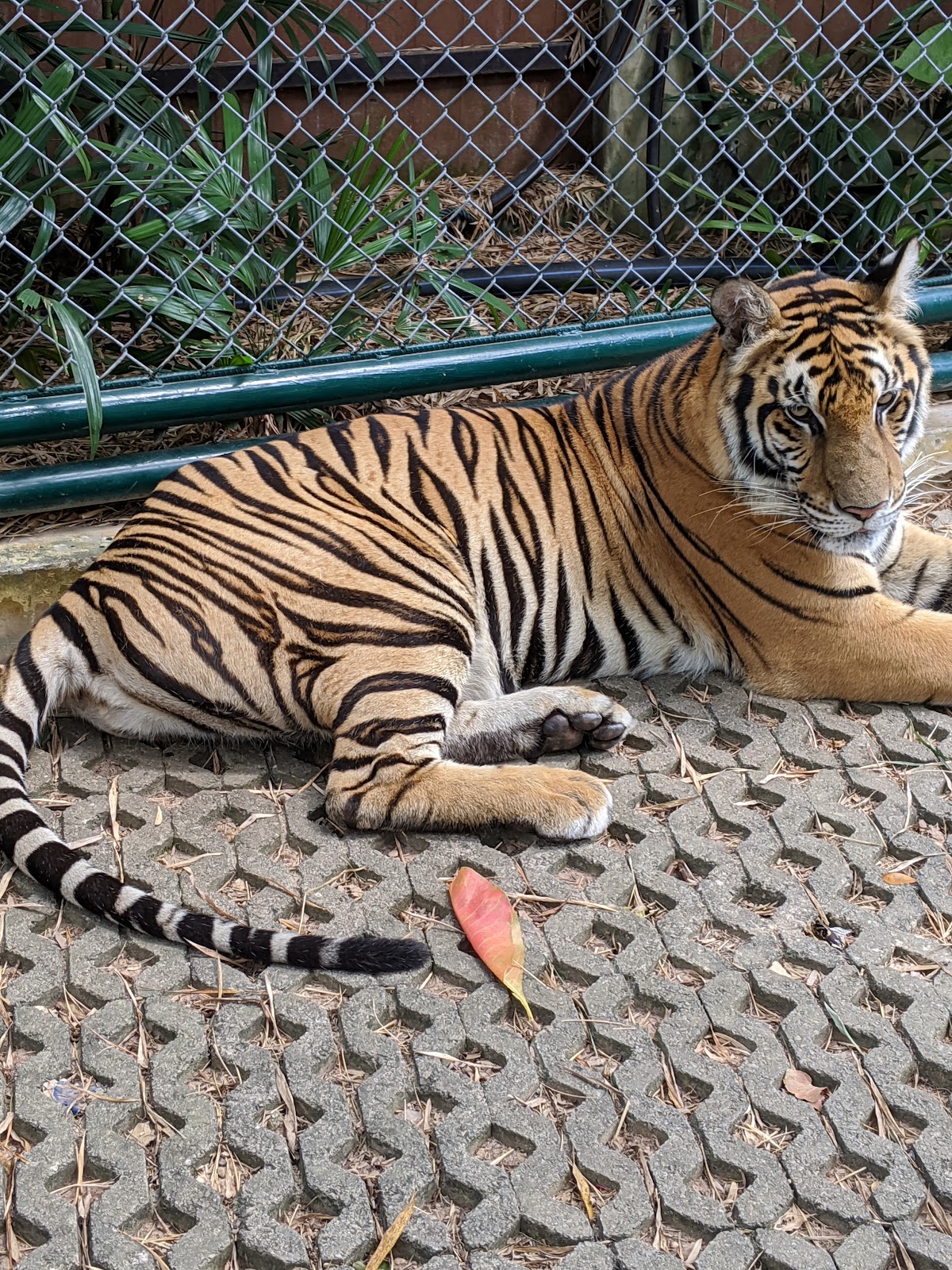
Then came one of the huge highlights of our visit to Phuket island in Thailand when we visited a facility called the Tiger Kingdom.
This tourist attraction is laid out in three areas where the visitors can interact with their choice of Tiger by size, ranging from cub to full grown.The most popular area was the cage containing the tiger cubs. The areas were individually priced or there is a ticket available for all three areas.
We chose to visit a cage containing fully grown adult tigers. We waited quite a while for our turn in a long queue and we had to sign a form that effectively stated we knew the dangers and would follow the printed rules.
We entered a cage containing two full grown tigers accompanied by a keeper, armed with a bamboo pole and a professional photographer. Apparently the bamboo pole is used as a form of control by the keeper. If the tiger shows any sign of aggression, the keeper administers a sharp rap on the tiger’s nose. This is a form of control that apparently works.
We were then able to experience some extremely close contact with the tigers which involved stroking and petting them while the photographer took photographs. We had been advised to always sit and stand behind the tiger when we were stroking them and not to make any sudden moves.
This was an incredible feeling of our vulnerability in the scheme of things and we were both overwhelmed with the experience. We were able to take many photographs on our mobile phone cameras.
I was somewhat wary before we made this visit as I had read and heard many horror stories of cruelty to caged animals in the guise of conservation. I enquired on the net and I questioned the keeper who was in the cage with us during our visit. I had heard these magnificent cats were drugged to make them docile. I was assured they weren’t drugged and the reason they were compliant was because this was normally their sleeping period and they were ready for sleep. These tigers are bred and raised in captivity and their way of life in captivity, with food and shelter provided, makes them totally dependent on their keepers. So much so that if it was necessary; these tigers would never survive in the wild, making it highly questionable if there was any conservation going on here at all.
We did enjoy this memorable experience of getting up close to one of these huge, magnificent big cats. At least we can assume that our entrance fee goes some way to keeping them alive, even if it’s a captive life.
Writing Prompt ~~~ Your dream is to open a restaurant and be a top chef, but how can you do that when you were born without taste buds?
THE VELVET EXPERIENCE
by John Yeo
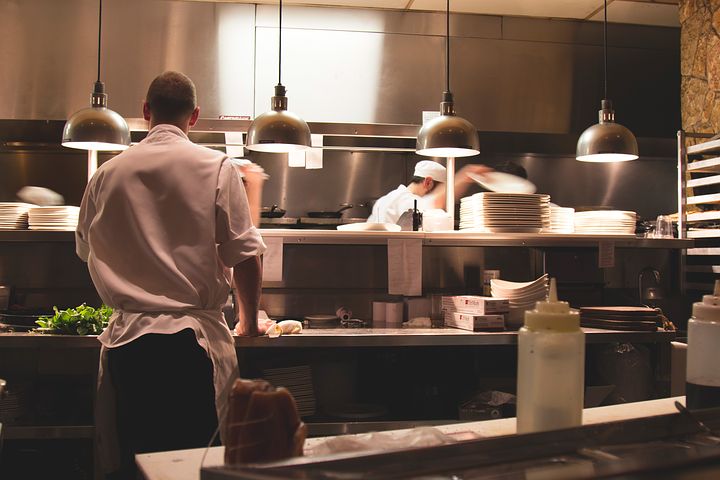
‘My name is Peter; I am 20 years of age. I was born in the leafy suburb of Hampstead in central London. Mum and Dad owned The Velvet Experience, a large Michelin starred restaurant and we lived in a roomy flat above the business. All my early life I was surrounded and suffused with the aromas and the excitement of growing up and working with my parents. It wasn’t until I was eight years old that I realised I had been born differently to everyone else. One day I was working alongside Mum in the large kitchen when she thrust a large silver spoon into my hand and said,
‘Taste this Peter. What do you think of this curry, is it too hot?’
I dipped the spoon into the tureen that was bubbling away on the stove, I could smell the aroma of what looked like a delicious curry. Then I realised, I couldn’t actually taste the curry. I could smell the beautiful aroma and feel the temperature on the inside of my mouth but I had no sensation of the taste.
Mum was puzzled, this wasn’t the first time she had noticed my inability to taste things and she’d usually put it down to my suffering from a cold which was interfering with my taste buds. Dad was horrified and immediately decided with Mums approval that I should see the family Doctor as soon as possible. The Doctor sent me off to see a specialist who consulted with another specialist and after numerous tests it was discovered that I’d been born without taste buds.
Although Mum and Dad were both upset and disappointed with this result, they were still quite happy to allow me to help and study them at work in the kitchen. I studied the menus, the food people enjoyed and the aromas as the food was being prepared in the kitchen. My sense of smell took over the sensations that would have been recognised by my nonexistent taste buds.
I went to catering college to obtain my culinary qualifications where I successfully got by, using my highly developed faculties I passed the exams with flying colours.
Sadly, while I was finishing my studies, Dad had a stroke and became paralysed on his right side. Of course this put an end to his cooking in the restaurant and he would supervise Mum and the employees from the safety of his wheelchair.
I went straight to work after I’d left college and took over the kitchen from my Mum who was beginning to show signs of the worries of both working and taking care of Dad.
I had a good team working with me, Jose and Ali, both excellent would be chefs who had been trained by Dad.
I became adept at judging how our dishes would taste, by the aromas and the quantity of the ingredients backed up by the satisfied looks on our diners faces.
One day unbeknown to me or the staff, we had a visit from a Michelin star assessor. I prepared the speciality of the house myself and it was no surprise when I received compliments from a well dressed portly gentleman.
A few weeks later we were surprised and delighted to receive another Michelin star for our restaurant. This made a certain chef who was born without taste buds and his aged parents extremely proud indeed.’
This is a response to a Flash Fiction prompt from ‘Putting My Feet In the Dirt’, Writing Prompts hosted by ‘M’. Which can be found by following the link below..
‘I never use Siri or Alexa, simply because I find the idea far too eerie. I find it quite disturbing to think that a machine can actually personalise answers to lifestyle questions. I get the feeling that this requires a deep study of my personal likes and dislikes. I am aware that every site I visit on the internet is recorded. Everywhere I go is monitored through my mobile phone, thereby building a complete picture of my habits and lifestyle. Everyone I call or electronically contact is registered, this gives an even clearer picture of my lifestyle and the social status I’ve achieved in life. I’m loath to add to this massive store of electronic information regarding my habitual lifestyle and I never use Siri or Alexa. I consider this accumulation of data connected to me and my lifestyle to be a gross invasion of my personal privacy. I look with horror on the future of mobile communication aids that will possibly include a built in camera that can automatically switch on and off and film my entire waking and sleeping life in incredible detail. Who would be able to view the astonishingly boring episodes but an unfeeling, unthinking machine. My only request for both Siri or Alexa, would be. ‘Hey Switch off!’
This is a response to a Flash Fiction prompt from ‘Putting My Feet In the Dirt’, Writing Prompts hosted by ‘M’. Which can be found by following the link below..
Brains was in the process of constructing a hoax, in the form of a practical joke. He put a secondary hidden wire behind a simple light switch leading to a surprise destination. Brains was top of the class in Science and he felt he had to justify his position. He was acting as if he was new to the subject after a new assistant teacher arrived.
Mr Tweed, a bumptious upstart bully who delighted in showing up the students had picked on him in front of the whole class. To the surprise of everyone in the class Brains was asking questions on the simplest of subjects.
‘Excuse me Sir, can you detail the constitution of electricity.’
‘What do you mean by that you idiotic moron, everyone knows. Electric charge is a fundamental property of matter, borne by particles.’
‘How do you switch on an electric light or a lamp, to convey the electricity to the bulb?’ asked Brains.
‘Are you kidding me, you impudent misbegotten escapee from the planet of the apes?’
There was dead silence in the class as the students held their breath, waiting for a response to this obvious insult.
‘No Sir, I leave all that to the butler and the maid at home, my Father says I don’t have to worry.’
‘Look here! It’s not rocket science. Just screw in the bulb and flip the switch.’
With that the teacher flipped the room light switch and received a nasty electric shock. There was pandemonium as the lights fused and the matron was called. Mr Tweed was whisked off to the infirmary.
Meanwhile Brains removed all signs of his electrical trap.
A week later Mr Tweed returned to the class, he warily treated Brains with a new respect, having realised the embarrassing truth.
This is a response to a Flash Fiction prompt from ‘Putting My Feet In the Dirt’, Writing Prompts hosted by ‘M’. Which can be found by following the link below..
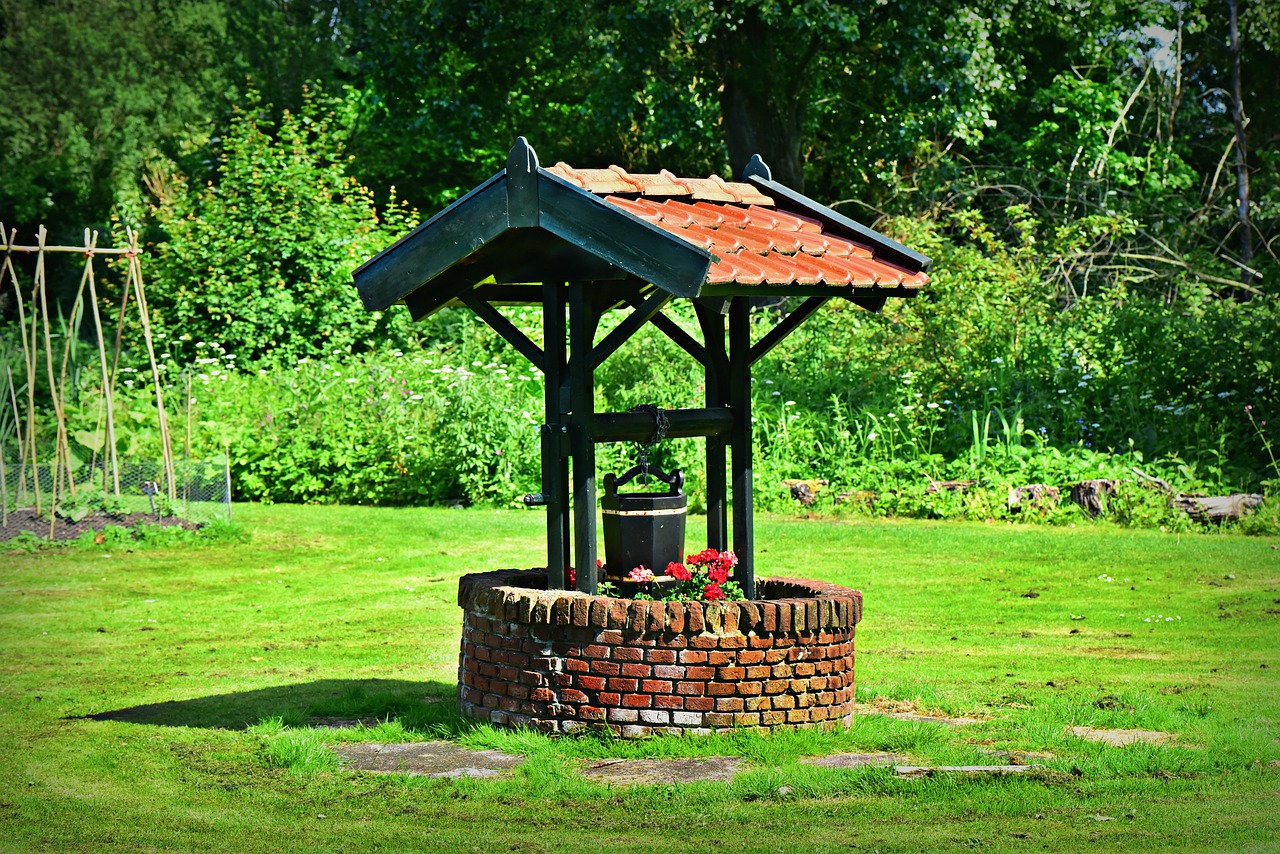
‘Hey Grandad and Grandma! Why have you got a wishing well on your allotment?’
The grandchildren were on holiday and there were five children to be entertained. Four boys and a lively baby girl were exploring and helping out on the allotment. The sun was shining, the children were constantly under supervision and Grandma had her hands full. Grandad pushed his battered trilby hat to the back of his head and smiled.
‘Well, sit down for a minute and I’ll explain about a precious part of gardening, while Grandma sorts out the picnic. Water is special to help the garden plants grow, but our well is really special. This well is extremely deep, the bucket is attached to a long rope. We have a magical friend at the bottom of the well, Wally Wishbone lives there and every time we lower the bucket he fills it to the brim with crystal clear, life giving water. We then quench the thirst of our vegetables and they grow extra strong, large and tasty.’
‘Hey Grandad, does Wally Wishbone make wishes come true?’ asked Finley.
‘Of course, but you have to throw a coin in.’
Bradley, who had been listening closely, frowned and said, ‘We haven’t got any coins Grandad. How can we make a wish.’
‘It just so happens, I’ve got five coins in my pocket, you three bigger boys will have to throw Maya’s and Archer’s coins in as they are both too small.’
OK! Grandad chorused the three eldest boys.
Ronny at ten years old, was the eldest, a thoughtful sort of a lad said,
‘Grandad what happens if we throw the money in and our wishes don’t come true? How do we know Wally Wishbone won’t just keep the money?’
Grandad straightened his trilby, grinned and replied, ‘We don’t know anything for sure Ronny, except we have some excellent sandwiches prepared by Grandma from our fresh home grown vegetables. Wally Wishbone fills buckets full of crystal clear water making our wishes come true every day.’
Here is my take on the eye-opening performance of the play ‘Les Blancs’ written by Lorraine Hansberry., currently streaming on YouTube by the National Theatre. I think this is what reality theatre should be highlighting. The unacceptable face of a whitewashed history.
LES BLANCS
Take a shack, place it in the middle of a revolving stage. Surround it with throbbing beating African music and let the story unfold. Except this was no story, this was the largely untold and hidden history of the horror and abject cruelty of racist imperialism. The hidden history of many European countries who colonised parts of Africa and bled the inhabitants dry of resources and treated the inhabitants as slaves or lesser members of humanity. This play obviously focussed on British imperialism, although it was written by an American, Lorraine Hansberry. Three African brothers are drawn together to attend the funeral of their Father. The shack represents a mission, where the local hospital is located. At the same moment an American writer arrives to research a book he’s writing on the situation in this unnamed part of Africa. The brothers are all from different spheres of life. The first of the brothers we encounter and who plays a leading role in the play has traveled from the USA, where he is married to a white woman, with whom he has a child. The second brother we meet is a priest who is preaching the white man’s religion and is thoroughly imbued with the white man’s culture. The third brother is a helper in the mission and appears to have a relationship with one of the white medical staff who provides him with alcohol and cigarettes. He is a half brother, conceived as a result of a rape of their Mother by an Army officer. There are a melange of important characters who make up the white colonial cast, including a blind elderly lady missionary, two doctors, one male and a lady doctor. The dialogue and the interaction between the various players is a powerful statement of the undercurrents of racism and revolution running through the country at a certain point in time. Revolution against the imperialist invaders is always in the background. The music and the scenes of cold blooded murder, by both the oppressors and the oppressed. There are rumours of white families including babies slaughtered by the rebels as the revolt against imperialism builds apace. Watching and recording everything as it happens in this racist microcosm of African life is always the American writer. Observing and questioning the background and behaviour of both the native rebels and the imperialist invaders. The language and the portrayal of the white supremacist treatment of the natives is shocking and the murders take place openly. The background culture of the lady missionary and the lady doctor as they try to make sense of an insensitive situation is an education in itself. The military presence is portrayed brilliantly by a cruel, racist military officer who has no qualms about shooting and killing a suspect in cold blood. The tension builds as the revolt draws closer and closer to the mission and the white population are ordered to evacuate and leave the area. As the American writer leaves, the lady missionary pleads with him to, ‘Write it and tell it as it is.’ The play makes its way to the final scenes. The remaining two brothers are arguing in a passionate scene and the priest is killed by his brother, who returns to his tribal roots and joins the rebels. The revolution arrives with fire as the mission shack is engulfed in flames. The reality behind this extraordinary play is the hidden history behind the story the author has vividly brought to life. This is the reality of a history that is never taught in schools, perhaps because the establishment is ashamed to draw attention to a past that will always be a stain on the conscience of imperialist colonialism.
Sadly I think very few people will see this performance as the bulk of the viewers will be too busy watching soaps to tune in.
‘What’s Walancha?’ Asked the English student. ‘What do you mean by what’s Walancha?’ ‘ Well, this prompt setter M, has given a cue for a prompt including the word Walancha. ‘The Window to Walancha.’ Mr Sampson wiped his forehead, actually his whole head was a shiny dome, since his wife had shaved all his hair off during a dream. ‘Walancha,’ he mused, you say there’s a window involved?’ I can’t say I’ve come across this word. It sounds just like a place I once knew in the Himalayas. Tibetan monks used a high resolution mirror to reflect the sun into the eyes of their initiates. Thus inducing a state of mind known as Walancha.’ ‘Oh!’ Exclaimed the student ‘Walancha is an altered state of consciousness that can only be reached by getting dazzled.’ ‘Exactly!’ Sampson replied.
 MONDAY 5th OCTOBER 2020 ~ BLOG POST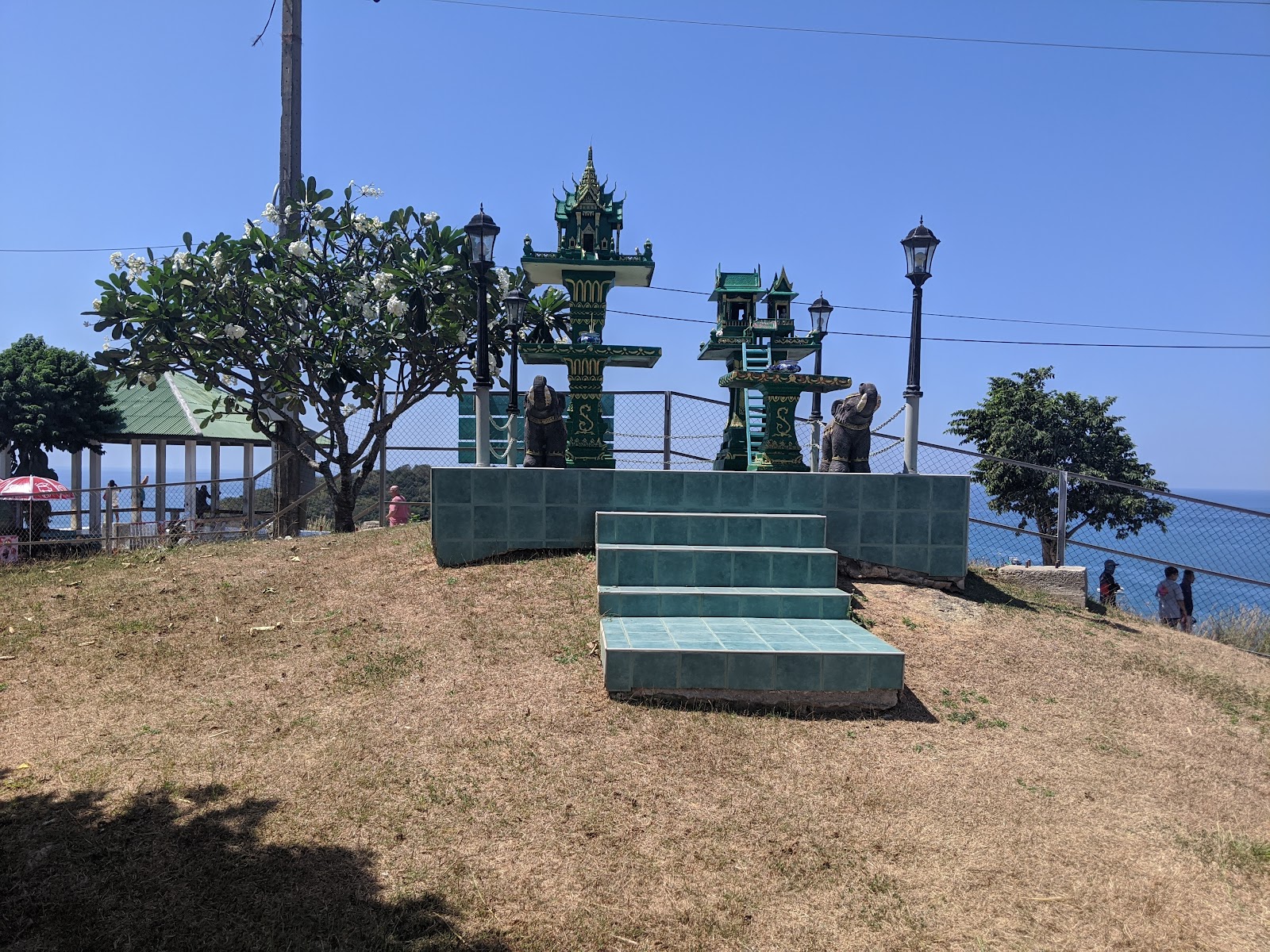

 I would have loved to have stopped along the way to photograph some of these entrepreneurs and their shacks.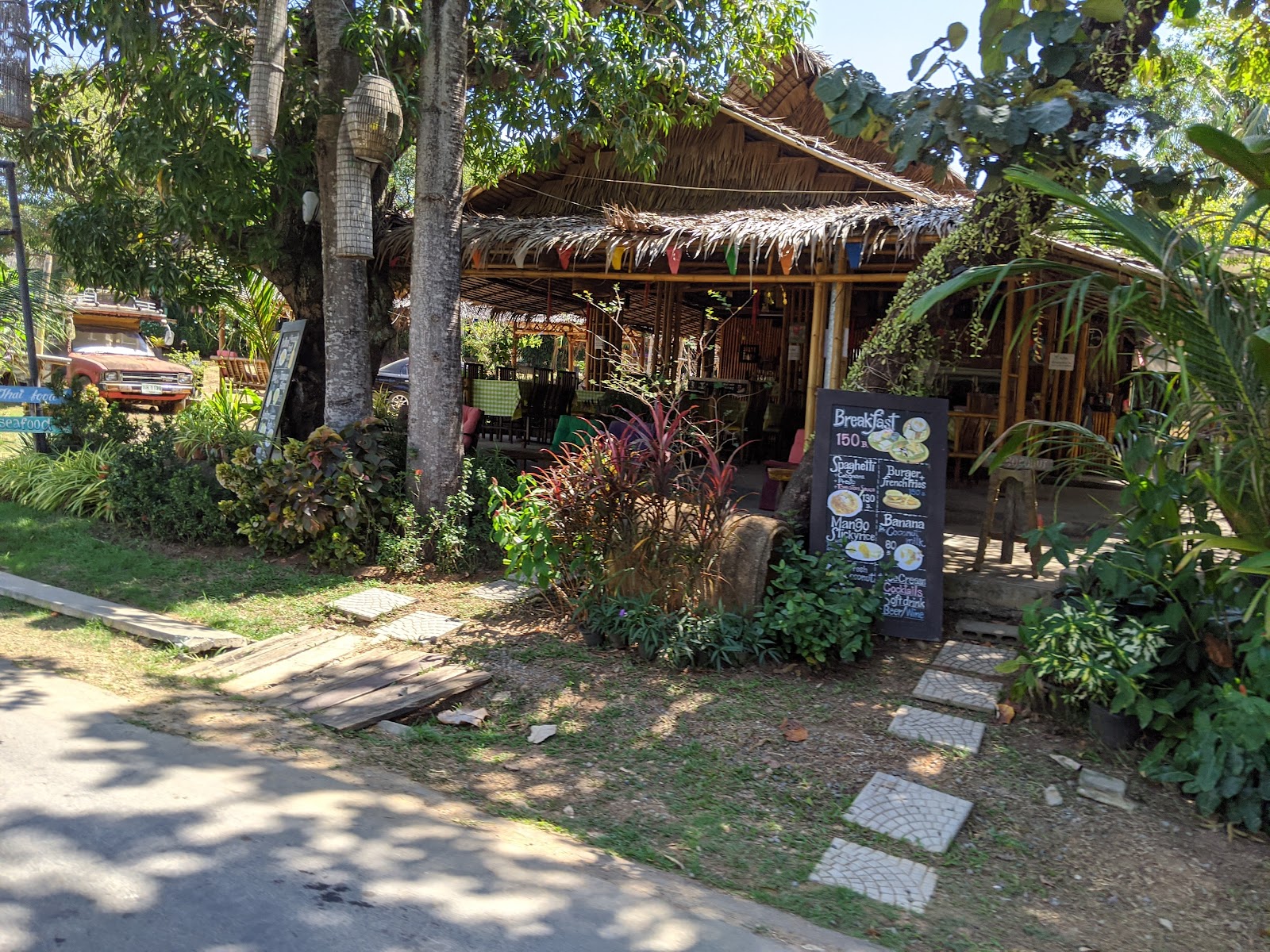
 .
. 
 THE VELVET EXPERIENCE



 THE WINDOW TO WALANCHA
 johnandmargaret1607