FRESH PERSPECTIVES

MONDAY 1st JUNE 2020

FRESH PERSPECTIVES

   Today we ventured out from our self-imposed lockdown and visited Felbrigg Hall, a National Trust property. The Hall buildings and the lovely walled garden were closed, due to the Coronavirus pandemic. However, the beautiful grounds were open and Margaret prepared a picnic lunch and we made our way to the estate. We had to book and reserve a parking slot online, as the management had limited the number of parking spaces available, to prevent overcrowding.
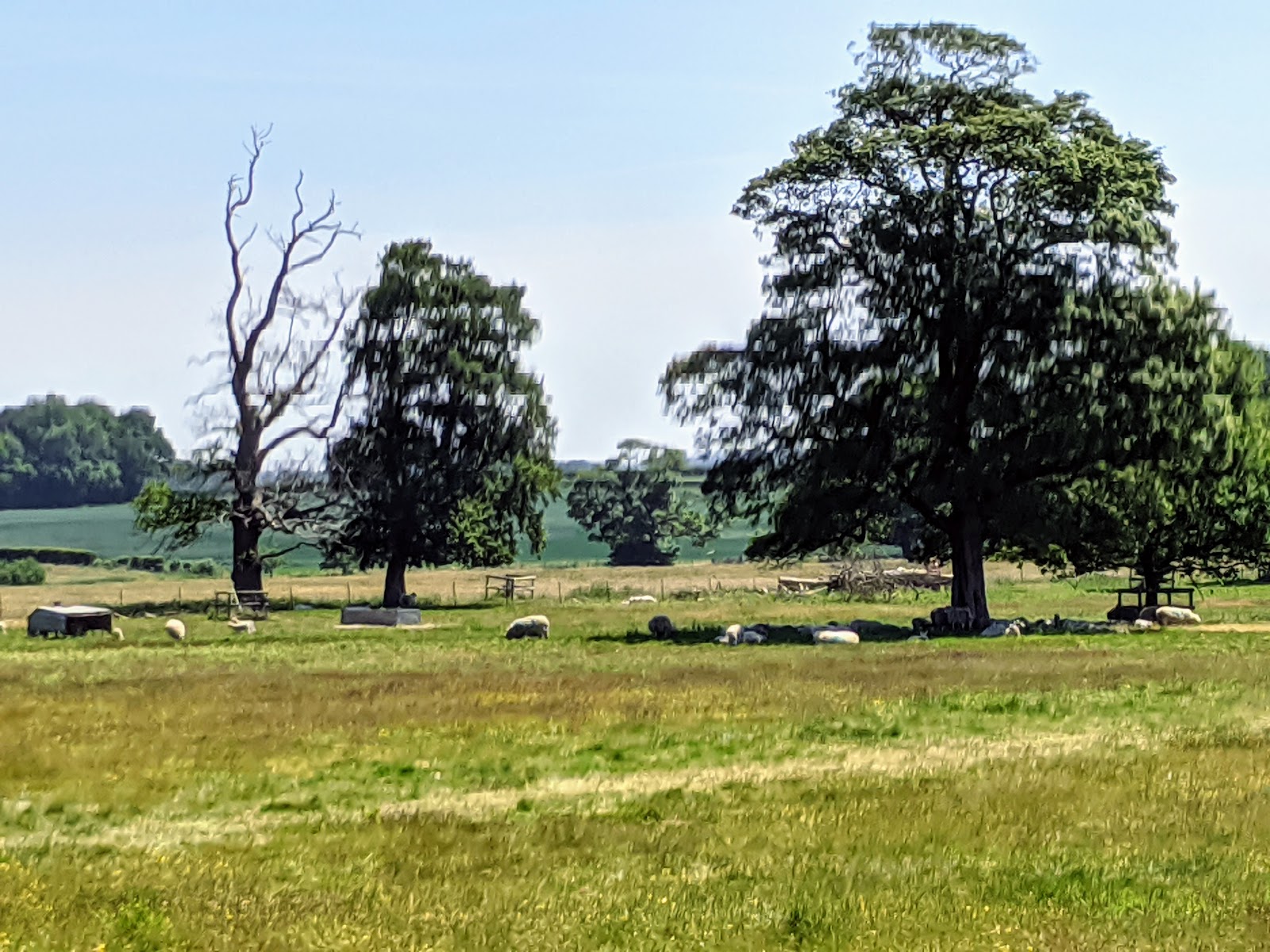
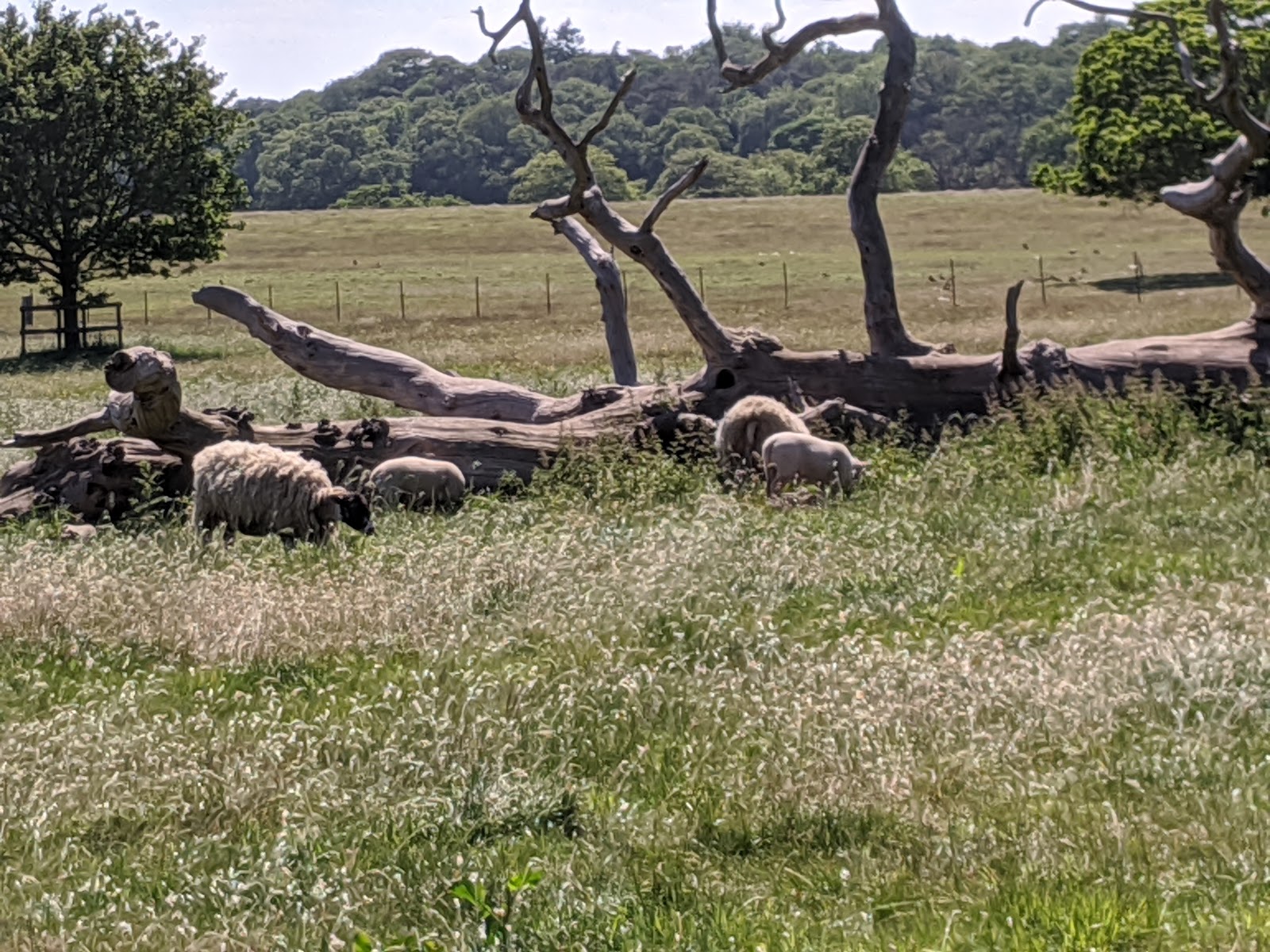
   We found a lovely spot near the car park, overlooking some panoramic sweeping fields, full of sheep and lambs. There were also cattle in a distant neighbouring field. We set up our chairs and began to enjoy our picnic.
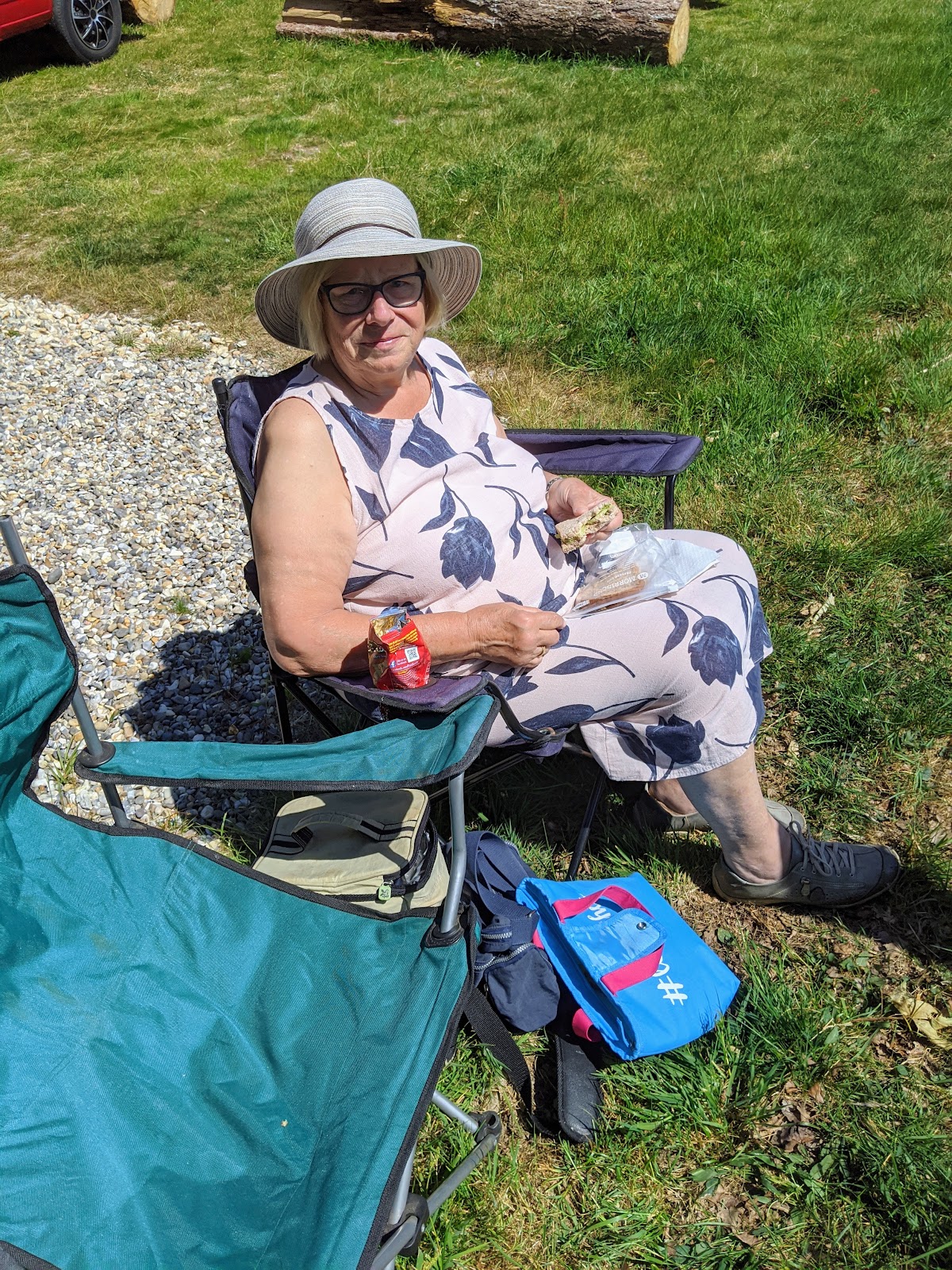

 Margaret spotted a hare dashing through the grass and a couple of pheasants in the distance. There was a continuous cacophony of rooks and crows cawing in a nearby stand of trees and a few wood pigeons visible. Quite a number of other visitors were strolling around, but everyone was keeping their distance from one another and religiously observing the social distancing guidelines.
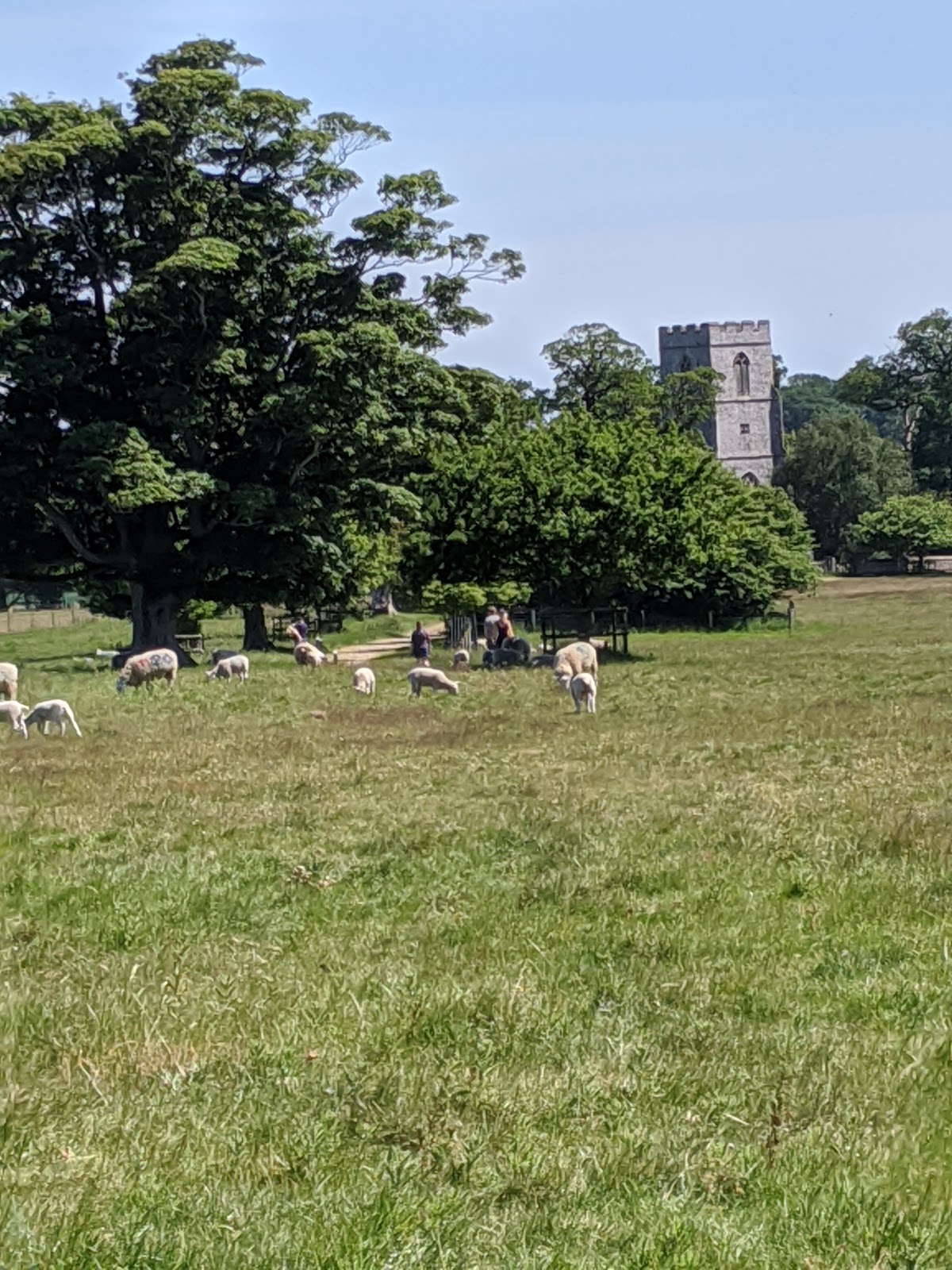
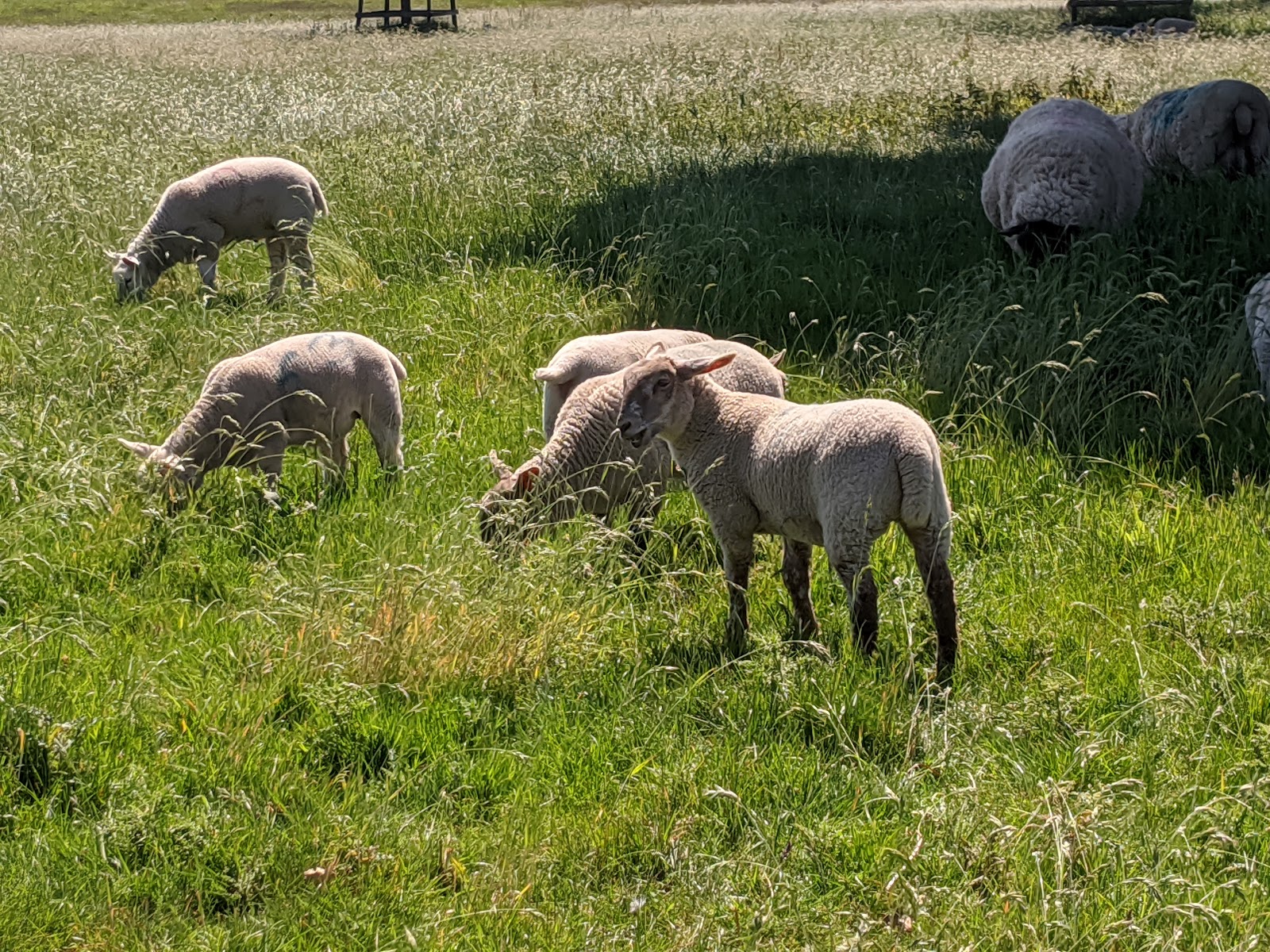
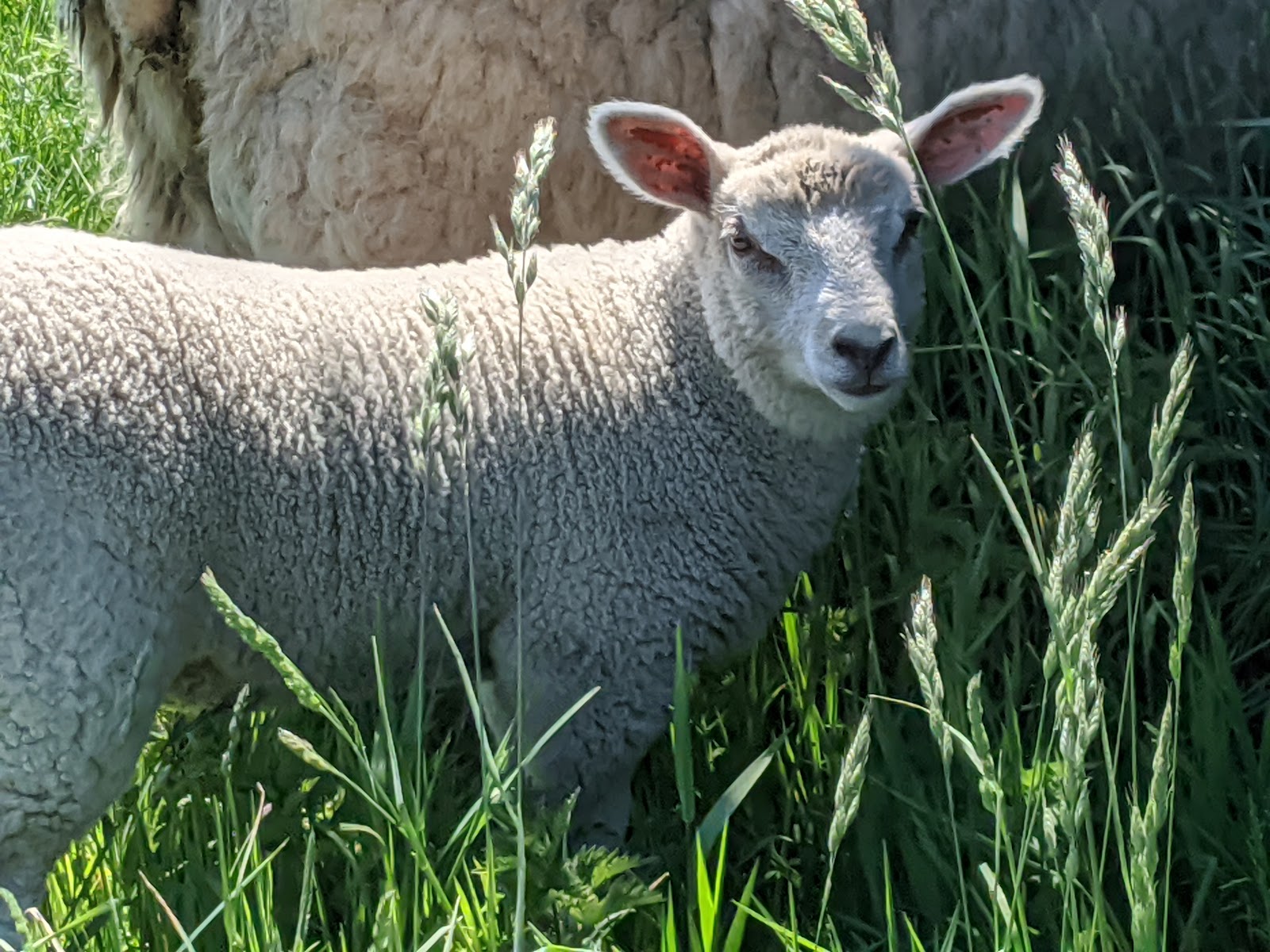
   After our lunch, we followed a footpath and wandered through the field containing the sheep and took many photographs of the lambs on the way.
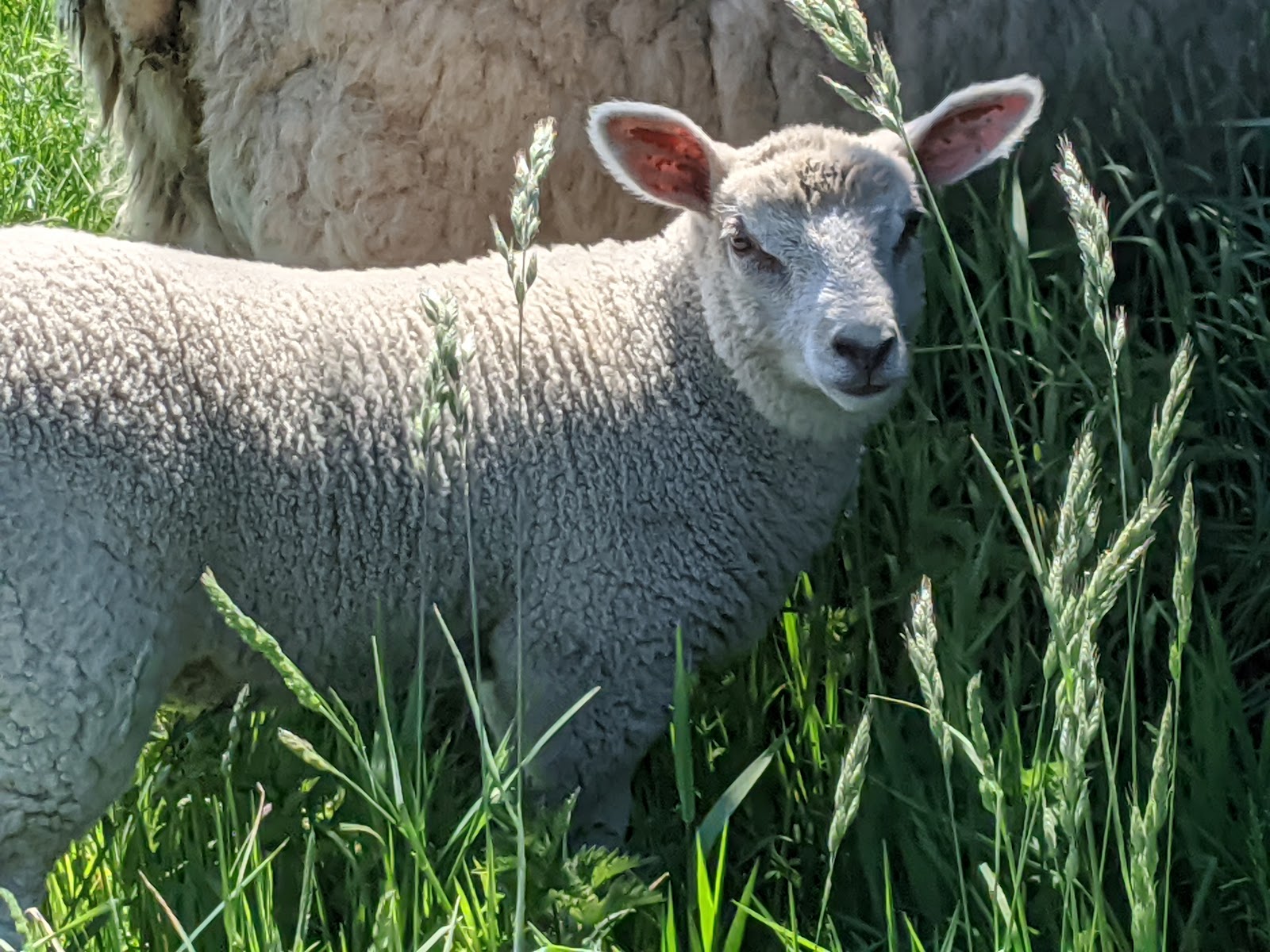
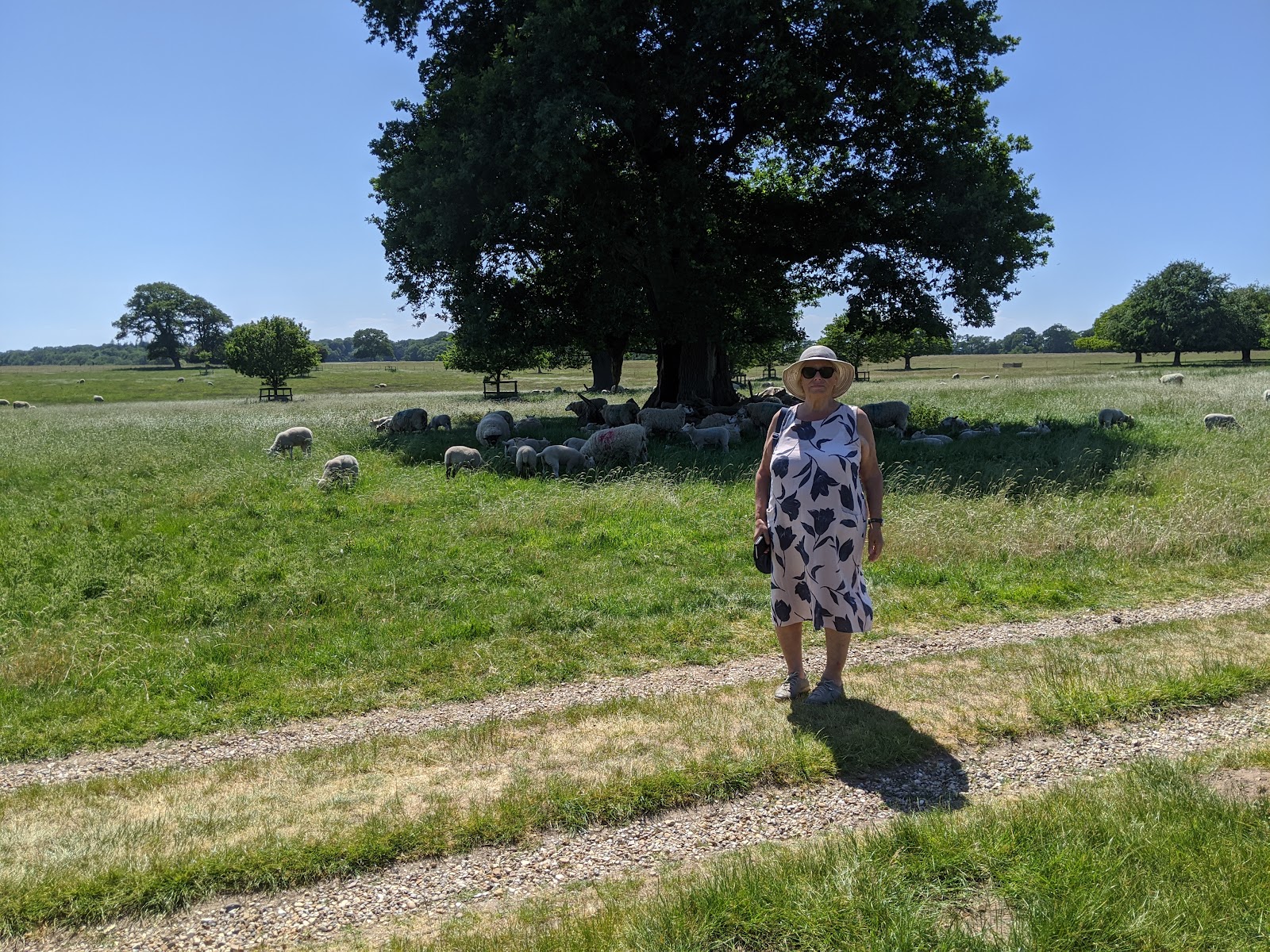
  Several people were wandering through this field with well behaved dogs, on leads but the sheep paid no attention.

   We walked to St. Margaret’s church where we stopped to take yet more photographs, the church building was closed. We made our way back to our car where we sat and enjoyed a last cup of tea and admired the view. 

  This was a lovely way to tentatively break the repetitive routine of the last few weeks and start to come out of social isolation.
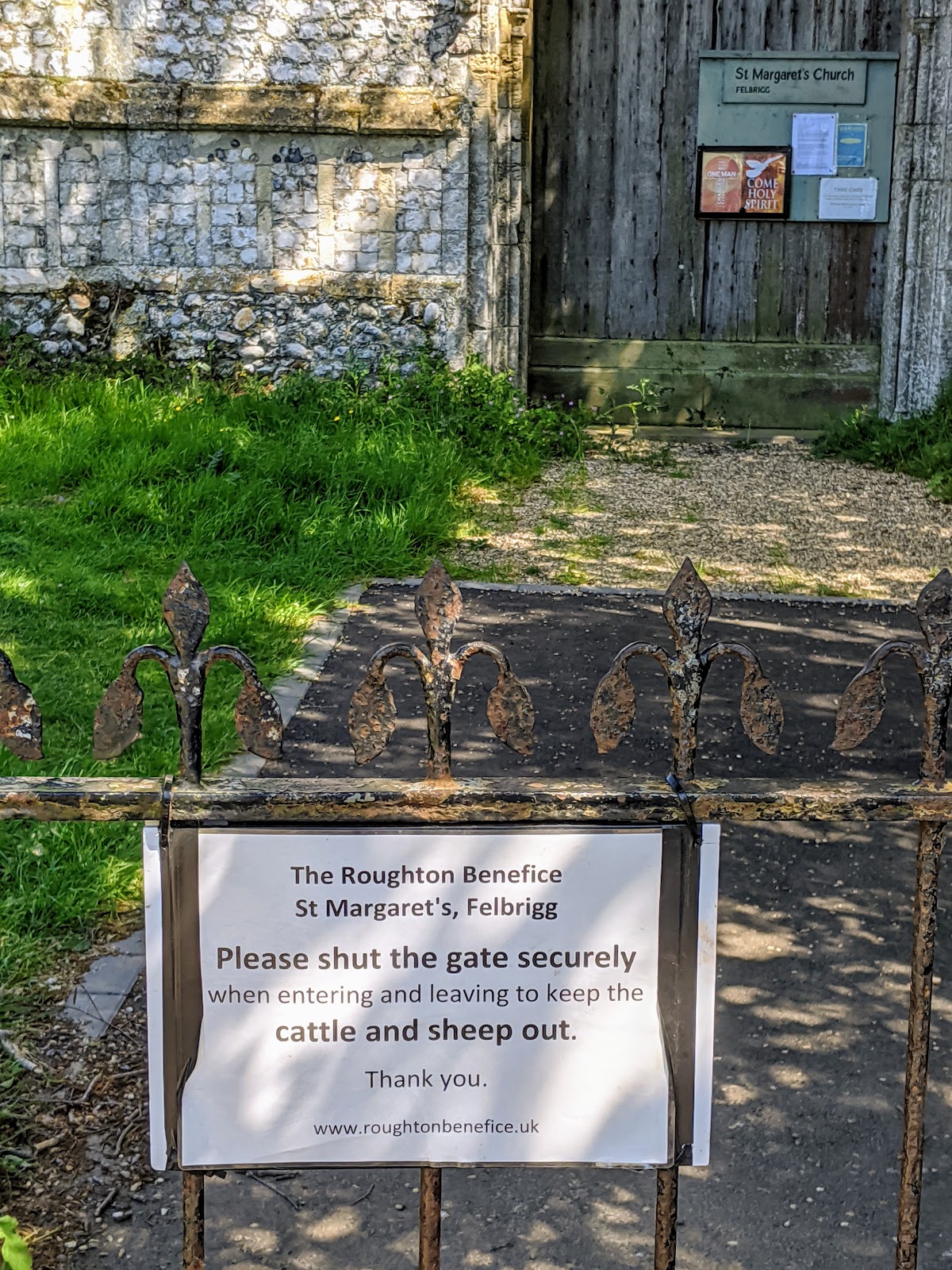
I had to photograph the notice on the church gates. One cannot allow cattle or sheep to interrupt the church service.

© Witten by John Yeo ~ All rights reserved
MARIGOLDS AND TOMATOES

SATURDAY 30th MAY 2020

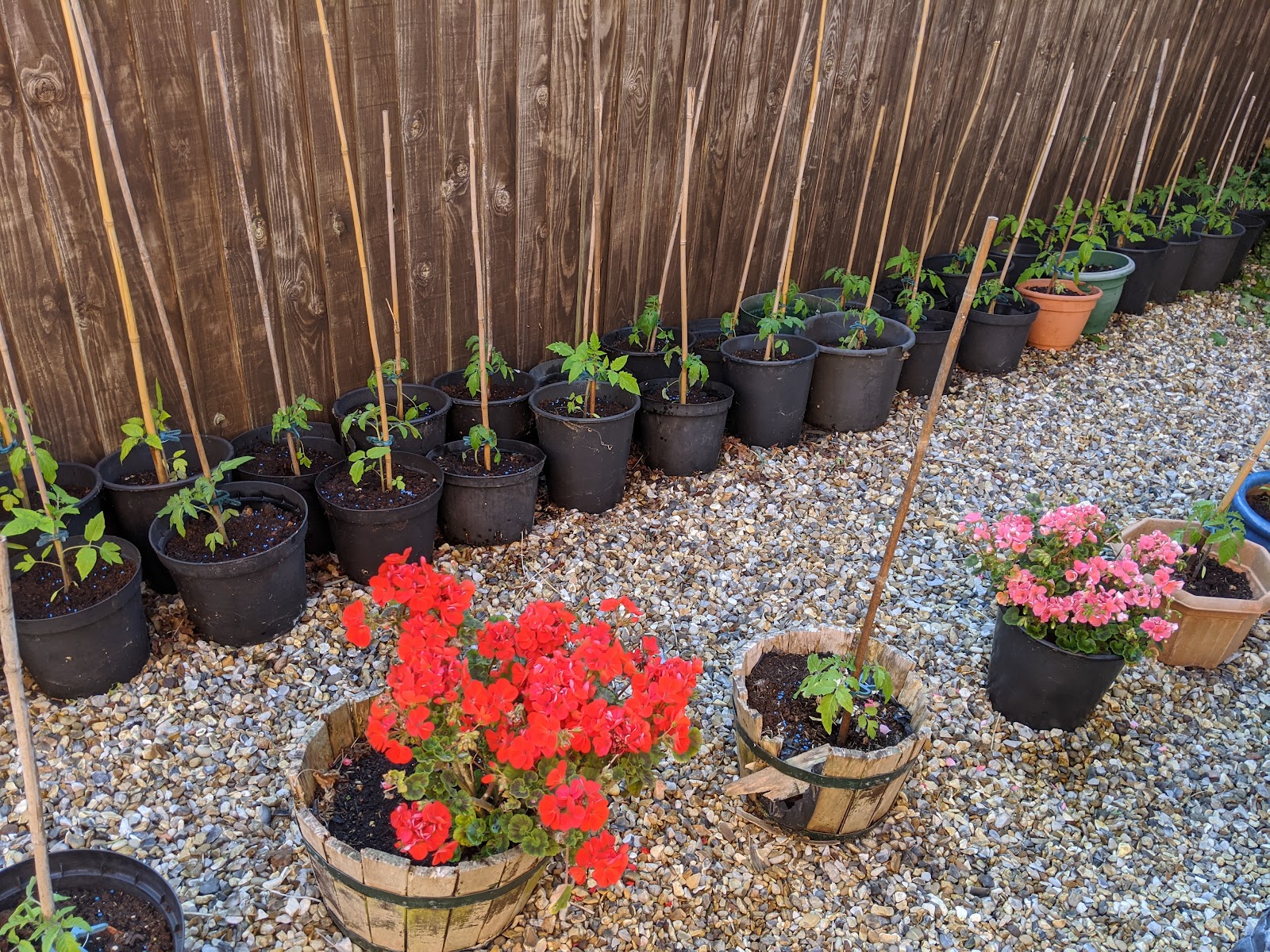
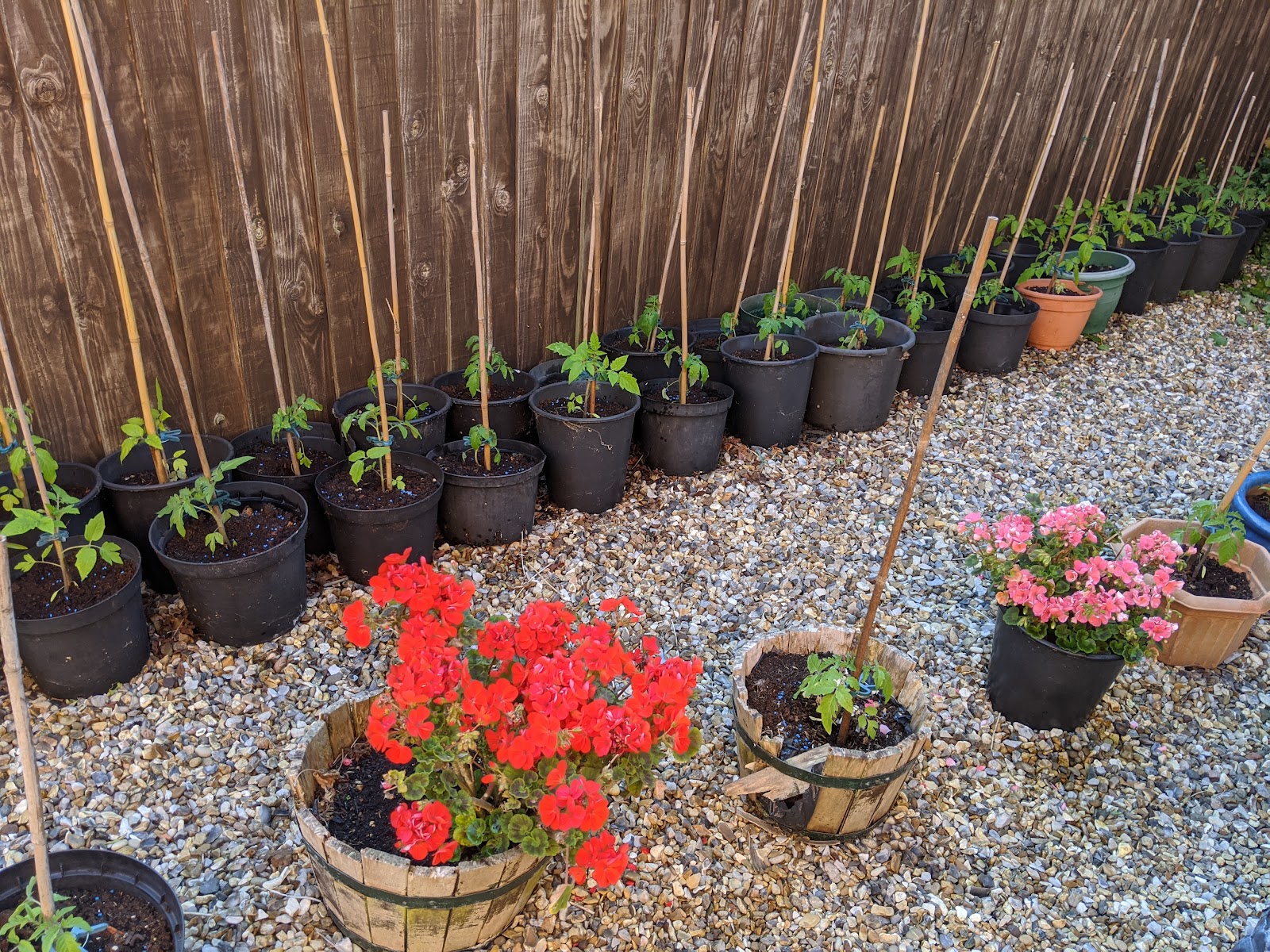
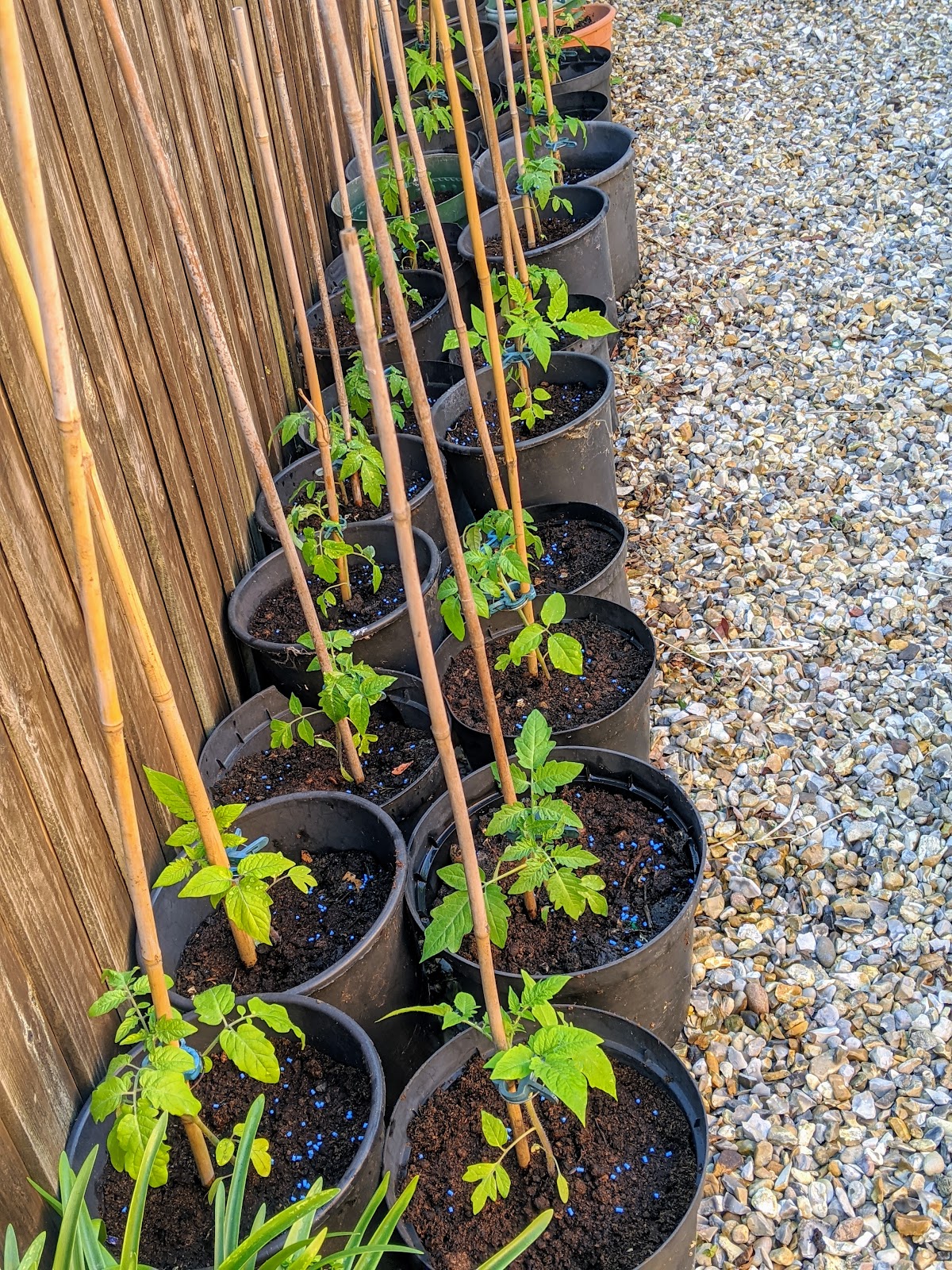
  I worked extremely hard today potting our tomato plants into their final pots. I have 30 really healthy plants sited in our back garden. I can never believe the size these large healthy plants have grown, when I look back and consider the tiny black seeds I planted. Although Margaret is unable to eat tomatoes as she’s developed an allergy to them we both enjoy growing them.

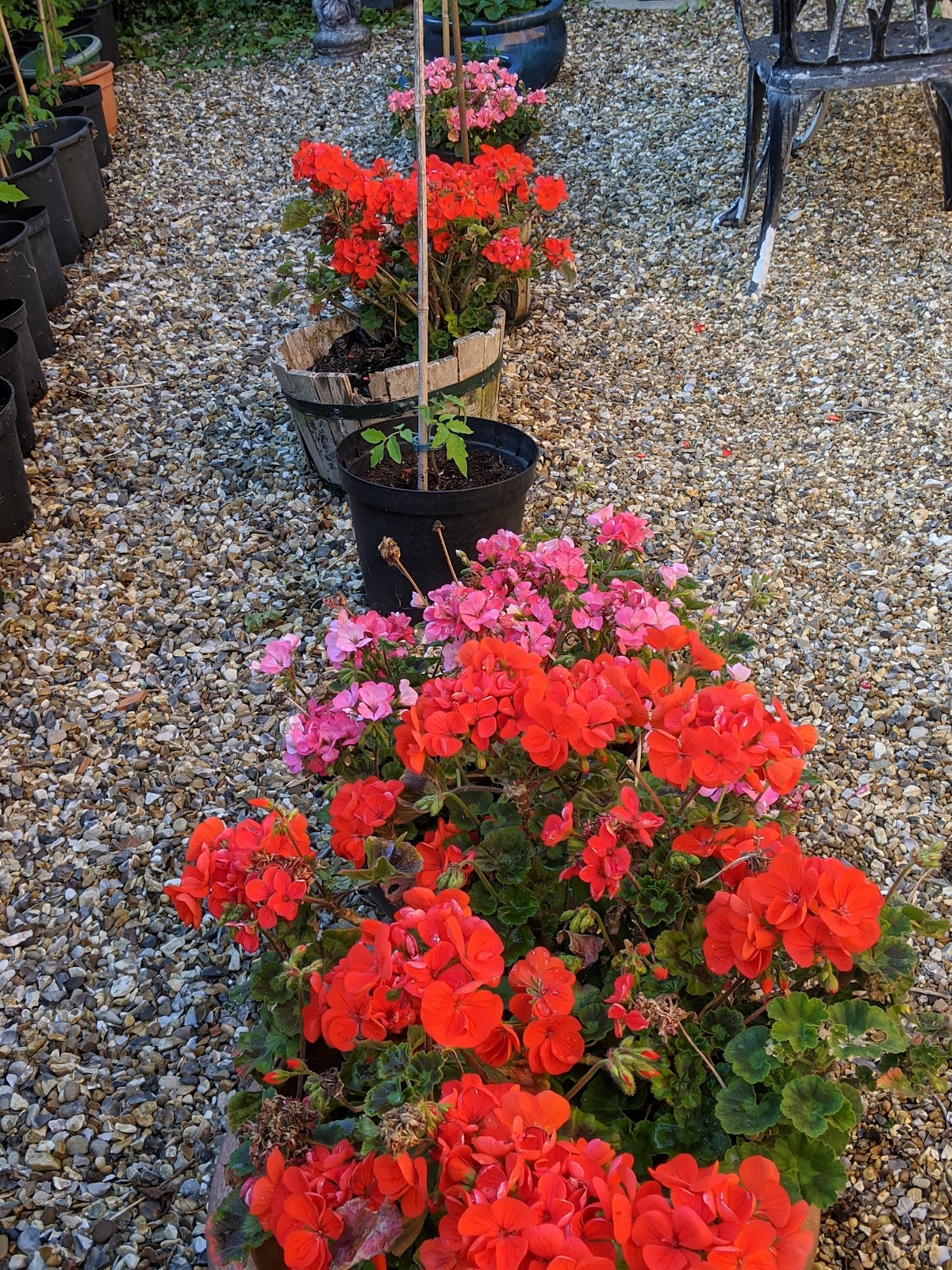
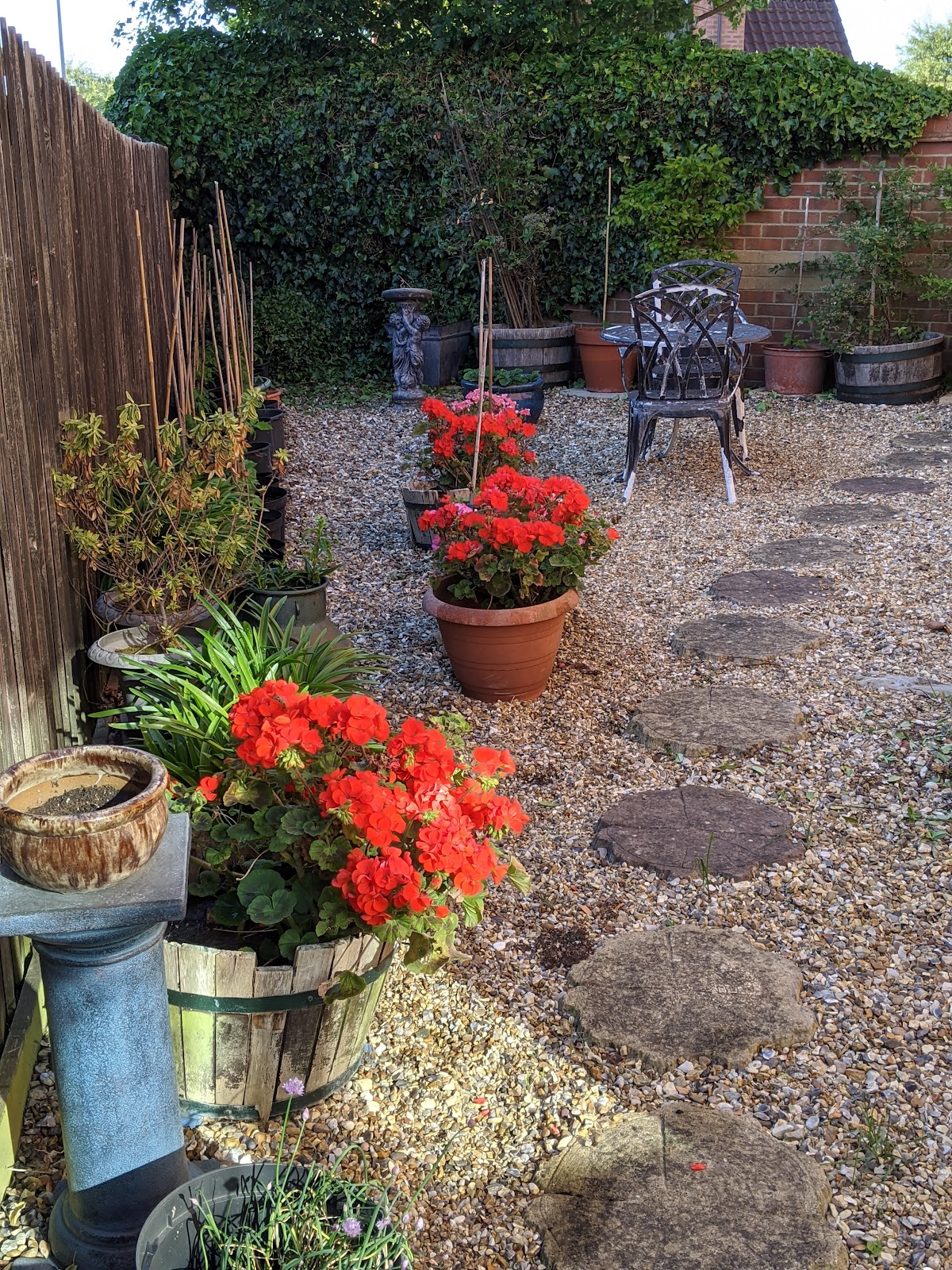
  Our geraniums are looking splendid this year, I always find these wonderful standby plants so easy to grow. Geraniums require the absolute minimum of attention and they come in some glorious colours.

There is a suggestion that geraniums are a beneficial companion plant to tomatoes. I got this information from  https://modernsurvivalblog.com>

Companion plants for tomatoes include Basil, Oregano, Parsley, Carrots, Marigold, Geraniums, Petunias, Borage, any type of Onion or Chives.

When ‘companion plants’ are applied throughout the garden, they can be an effective form of pest management, allowing nature to do its job.

‘Companion planting can discourage harmful insects and pests in your garden without harming the beneficial ones.

Many plants have natural substances in their roots, flowers, and leaves that can repel or attract insects and can enhance the growth and flavour of other varieties of plants.’

Written by John Yeo

MARGARET’S BLUE ROSE

FRIDAY 29th MAY 2020

MARGARET’S BLUE ROSE

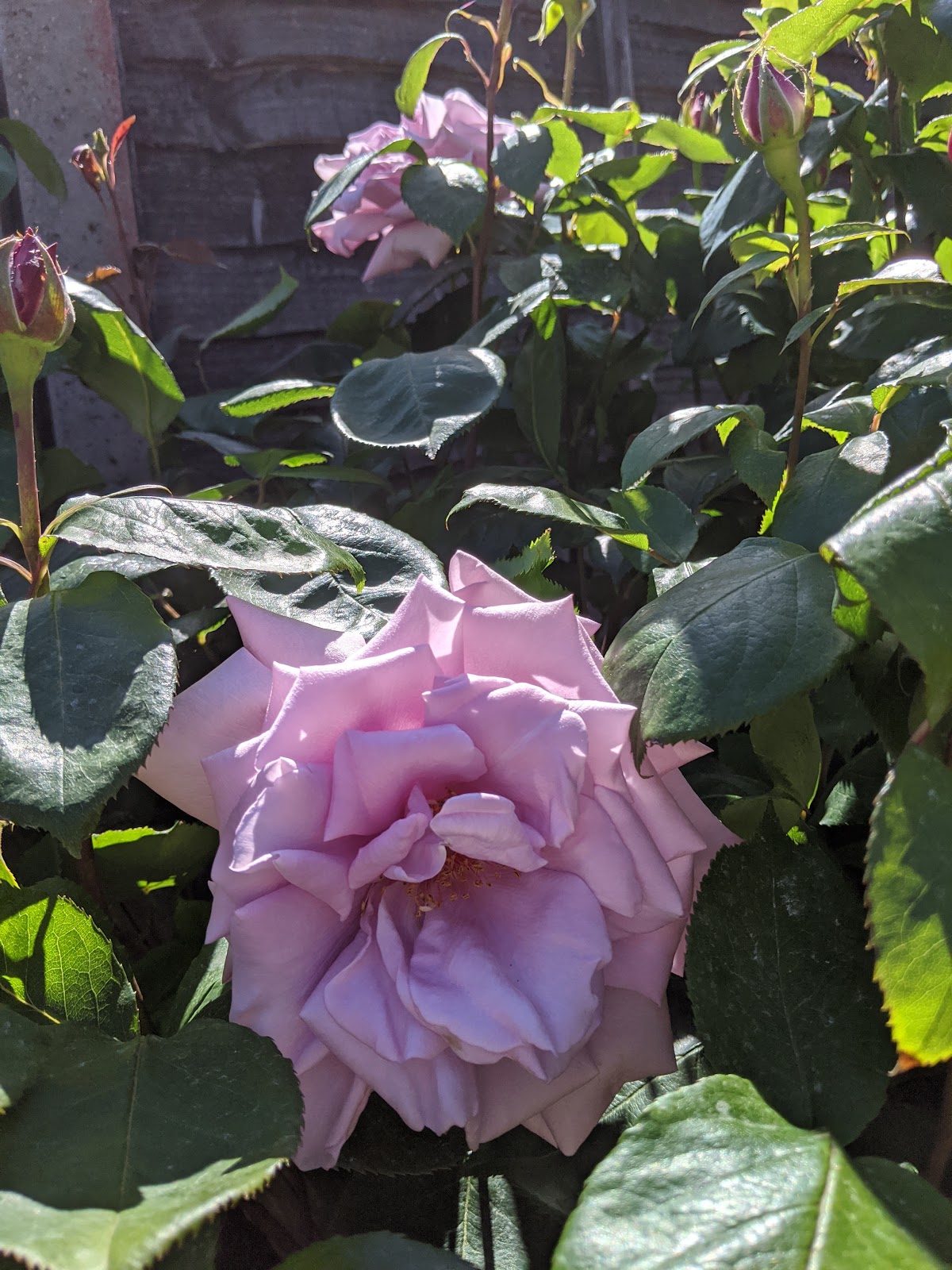
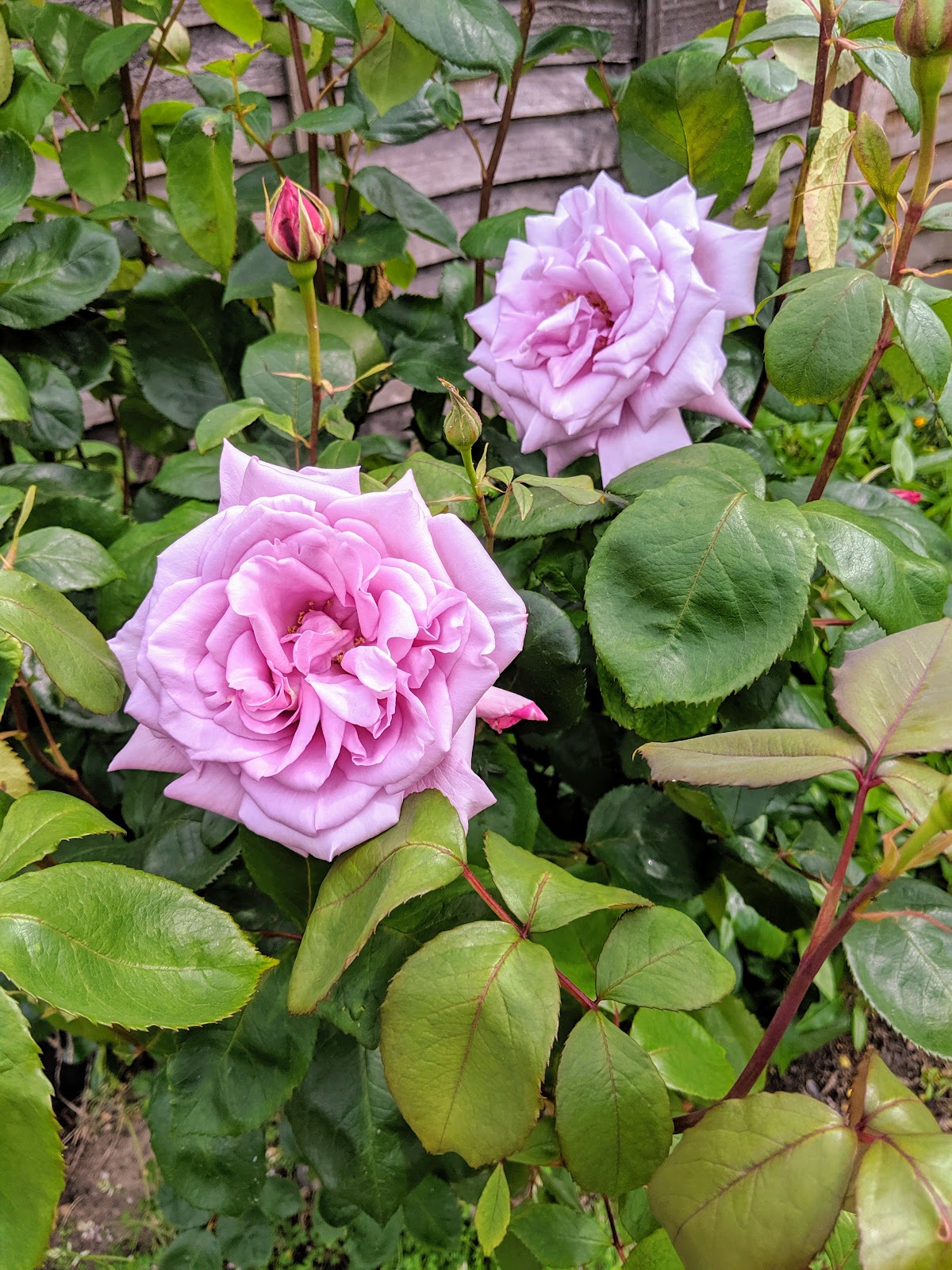
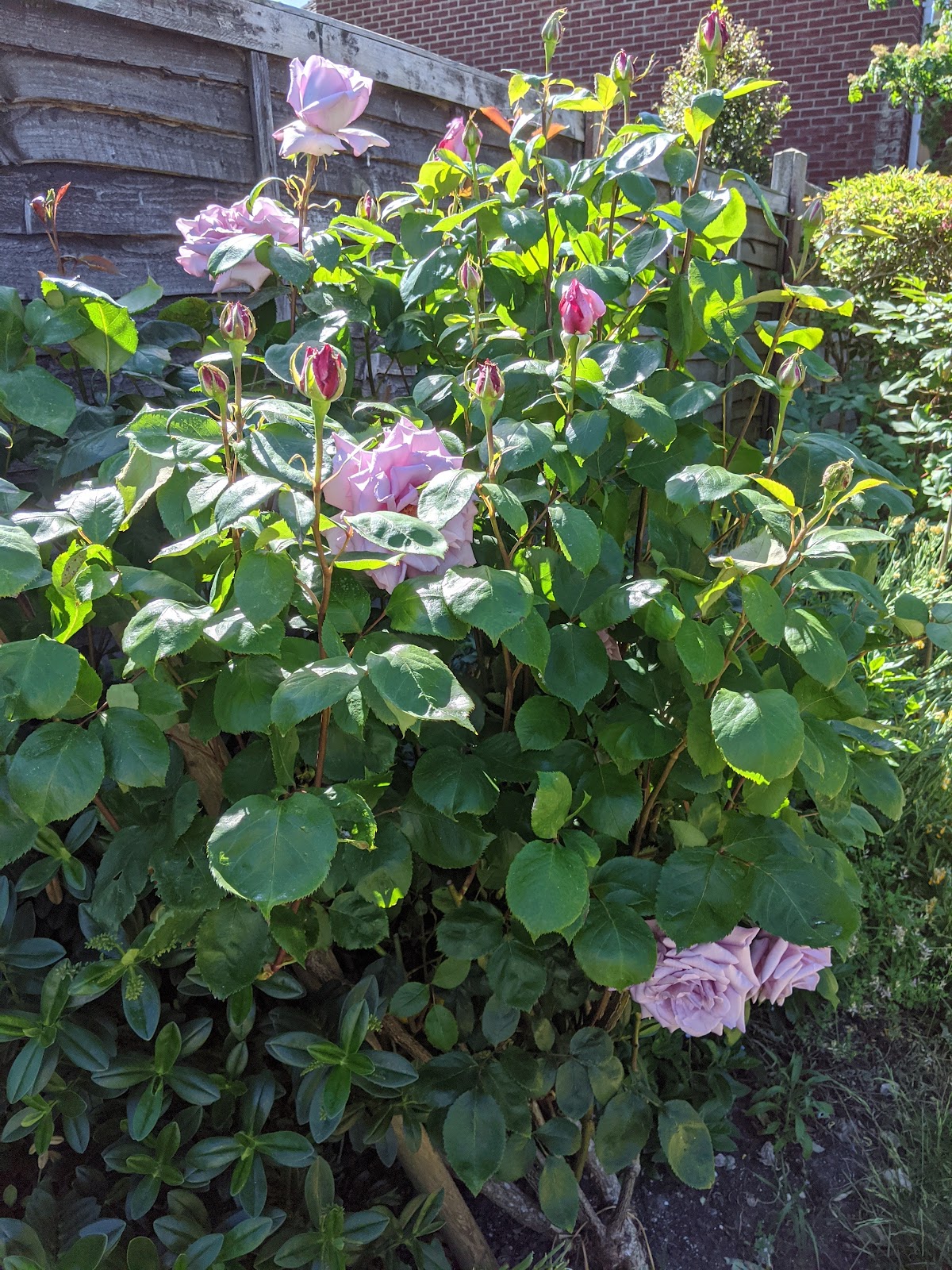
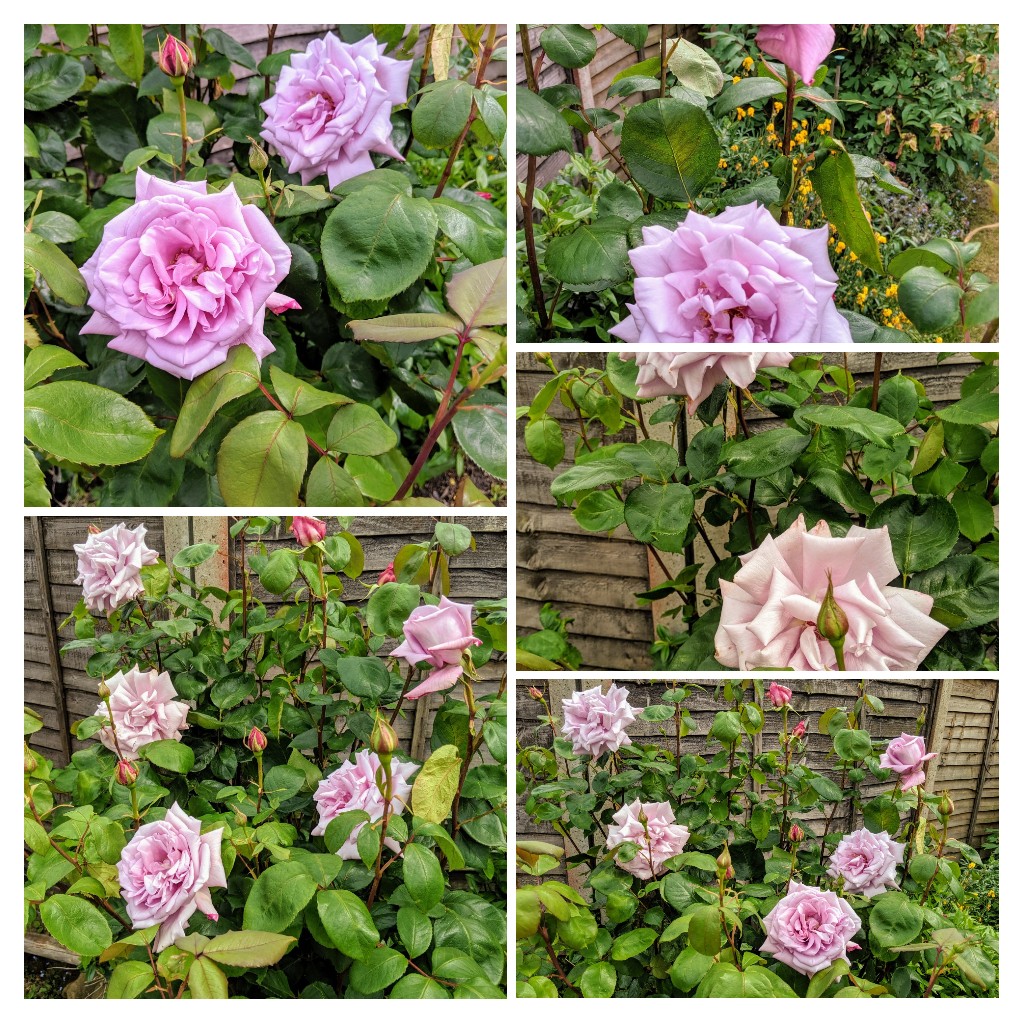
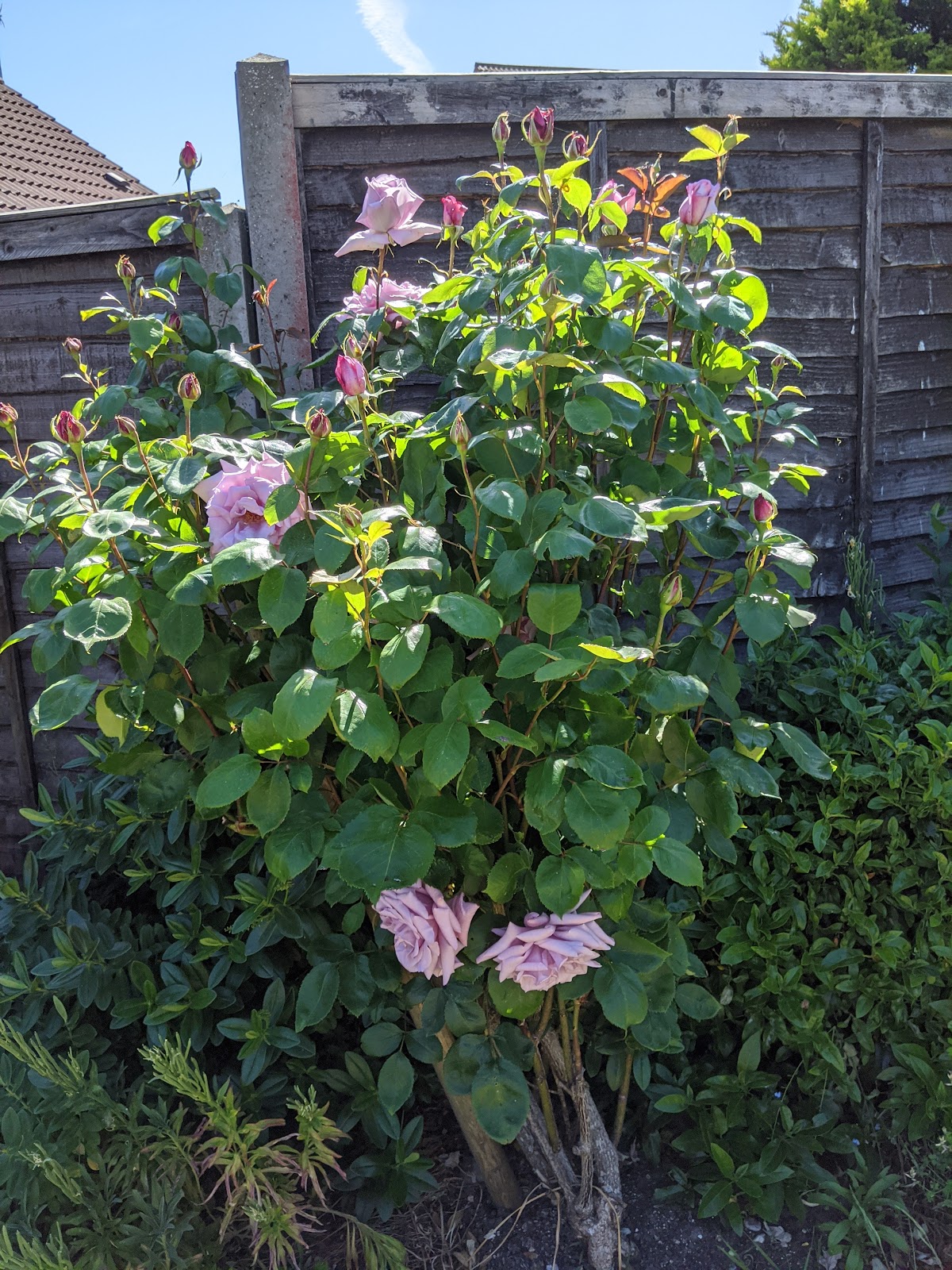
These photographs show our beautiful blue tea rose. I bought this rosebush as a present for Margaret 12 years ago and it has rewarded us with a multitude of magnificent blooms, year after year. This is certainly the most successful floral present I have ever bought for her. The blooms get bigger and better as the years go by. The blooms have an extremely delicate perfume, so fresh and enticing to easily intoxicate any passing bees and insects to promote pollination.

   However in my experience, roses are one of the hardest plants to grow in the garden and need a great deal of tender care and protection. In Spring the shrubs need to be pruned and all the dead wooden branches removed and a good measure of rose food needs to be applied around the roots. They need careful, regular examination to detect any attacks by pests, in the shape of greenfly, black fly or aphids. A good quality bug spray needs to be applied at the first sign and regularly throughout the season. Then there is the dreaded rust-like fungal disease that looks unsightly and causes the leaves to discolour and drop off. A regular spraying with a fungal deterrent is the only method I know to counteract this. 

Regular watering in the dry spells is essential to encourage the buds to swell to produce new wonderful blooms. Another measure of rose food should be applied halfway through the Summer.

Sometimes spurs pop out from well down below the bush, I always remove these as they take energy from the bush that could go towards promoting the flowers. Finally at the end of the flowering season, which can last through to the years end, I have to prune the branches right back to prevent wind-rock. The winter wind blows fiercely and rocks the plant, loosening the roots in the soil, causing weakness or in extreme cases, death.

  In my mind looking after my roses is simply a replacement for taking care of small children, keeping the roses fed, watered and protecting them from predators. The reward of my labour is the smile on Margaret’s face when she picks a perfect rose to photograph and view again year after year.

    I took this brief paragraph of the origin of roses from Wikipedia, there is a lot of information, myths and information there.

  ‘Ornamental roses have been cultivated for millennia, with the earliest known cultivation known to date from at least 500 BC in Mediterranean countries, Persia, and China. It is estimated that 30 to 35 thousand rose hybrids and cultivars have been bred and selected for garden use as flowering plants. Most are double-flowered with many or all of the stamens having morphed into additional petals.’

© Written by John Yeo ~ All rights reserved