PERFECT ASPARAGUS

TUESDAY 16th JUNE 2020 ~ BLOG POST

PERFECT ASPARAGUS

By John Yeo

  Today I will focus on our Asparagus beds on the allotment The photograph above was snapped earlier today after I had spent a couple of hours weeding and manuring the beds with compost. 

 The compost I’ve used is a mixture of well-rotted horse manure and some of our waste kitchen vegetable matter. There’s also a good portion of grass cuttings and some shredded paper. A good combination of nutrition for these greedy feeders. Over the past 25 years of growing Asparagus on allotments, I find this is a potent mixture indeed. In my opinion it’s wise to feed the plants twice a year. I choose to feed them in the early Spring and again when I’ve finished cutting the spears. 

   The nutritional benefits of eating Asparagus are many and this makes the effort of persevering with growing these attractive plants, worthwhile. Asparagus is a low calorie vegetable that is an excellent source of essential vitamins and minerals especially folate and vitamins A C and K. 

 The cutting season for me lasts about eight weeks, from the moment the spears first appear in the middle of April until the 15 June. This cut-off date is extremely important as the spears have time to develop into the attractive Asparagus fern. The ferns soak up the sunshine during the remainder of the Summer, which swells the roots to encourage a good crop of Asparagus spears the following year. 

 The most important threat to Asparagus is an infestation of the dreaded Asparagus beetle that lays its eggs on the emerging spears. They eat the spears as they lay their eggs, they also excrete a substance that is unsightly on the spears and the plants. The larvae eat the centres of the red Asparagus seeds and strip the leaves of the fern.

  Over the years I find frequent cutting during the harvest season keeps this pest from laying eggs in the early part of the season. However the danger of infestation for me lies in the period directly after I’ve stopped harvesting, when the spears first appear before they transform into the impressive ferns. On the neighbouring allotment gardens there are many small patches of Asparagus plants growing and as the Asparagus beetle is a flying pest there’s a good chance of infestation from these sources. The only organic cure for the Asparagus beetle appears to be physically  plucking the beetles and their eggs off the plants by hand and immersing them in soapy water.

  At the end of the season the ferns turn yellow. This is the time to burn them, as opposed to composting them, to prevent any further infestation of the Asparagus beetle.

 When first planting Asparagus crowns its best not to cut and harvest the spears for the first two years. Once they’re established Asparagus plants will continue to crop for over 20 years, if they are well looked after.

  ‘In mythology, Asparagus has been renowned since ancient times both as an aphrodisiac and medicinally, for its healing properties. … With its active compound asparagin stimulating the kidneys, bladder and liver, Asparagus is a powerful detoxifier.’

(Myth information from a Google snippet)

© Written by John Yeo ~ All rights reserved.
A VISIT TO FELBRIGG HALL

SUNDAY 14th JUNE 2020 ~ BLOG POST

A VISIT TO FELBRIGG HALL

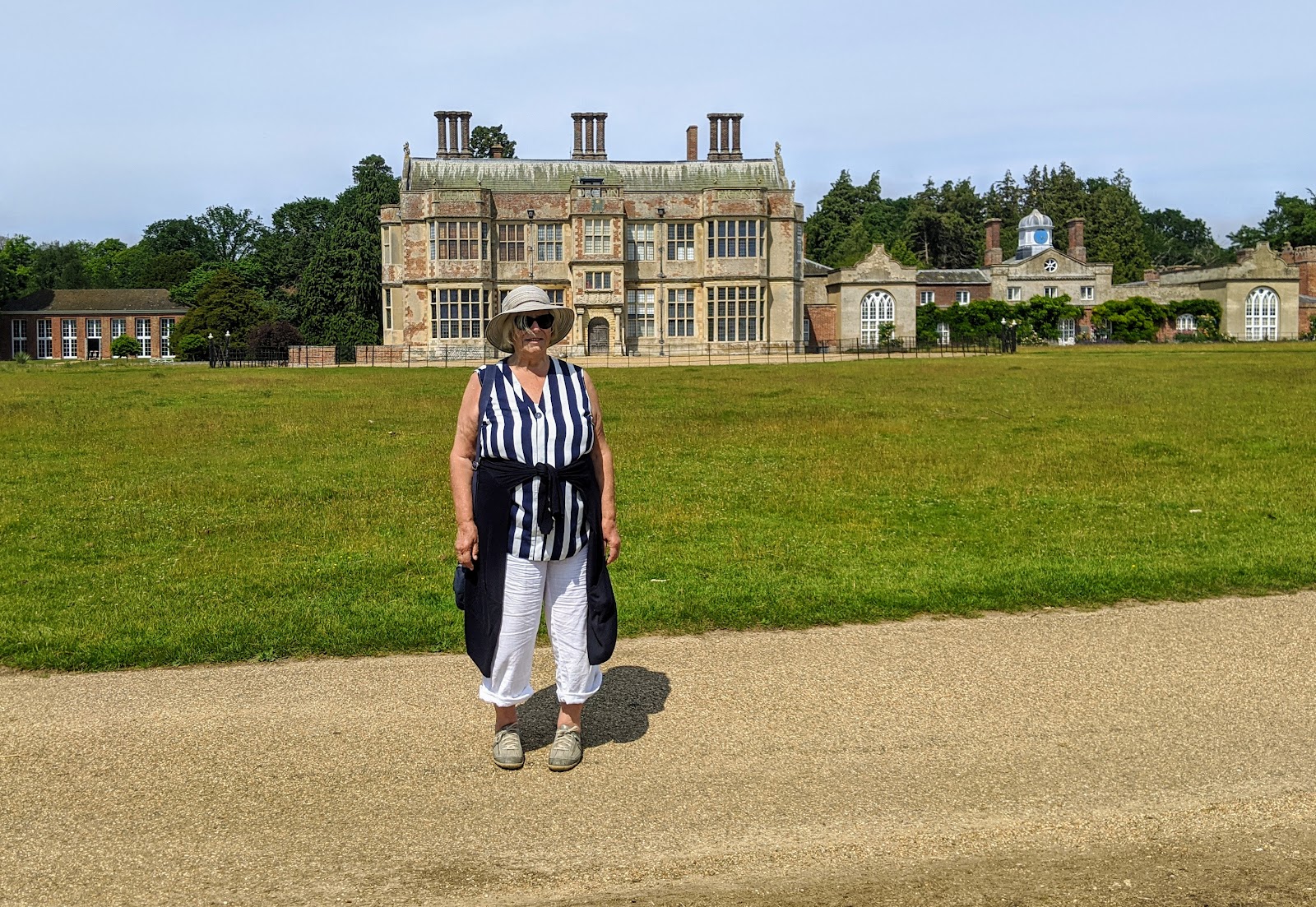
   We decided to book a parking slot and visit Felbrigg Hall, a National Trust property.. We did try to book a visit to Sheringham Park, also part of the National Trust but there was a high demand for parking slots and we were unlucky. The after-effects of the partial lifting of the lock-down restrictions due to the Coronavirus has created a high demand for places in these open air environments.

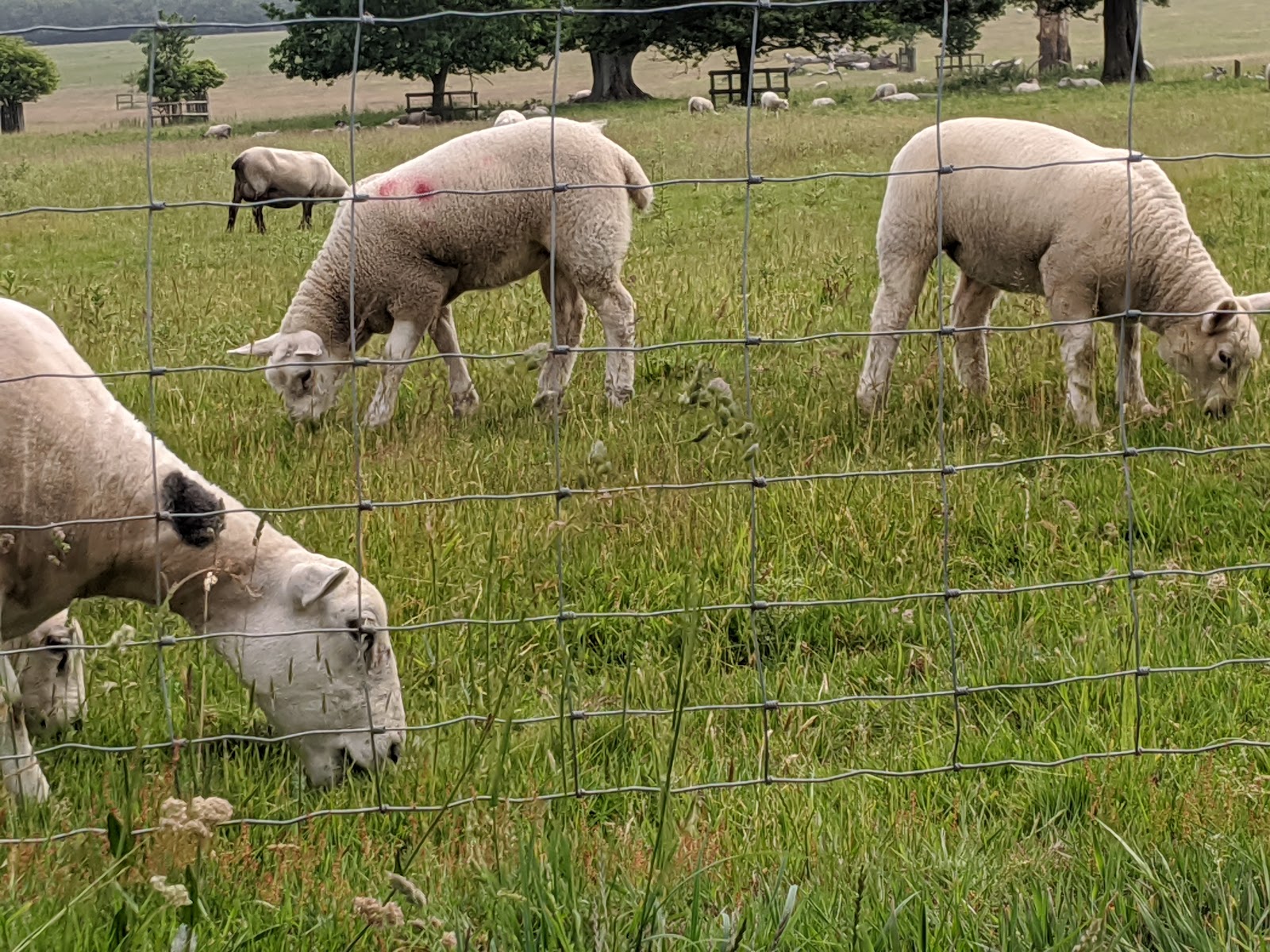
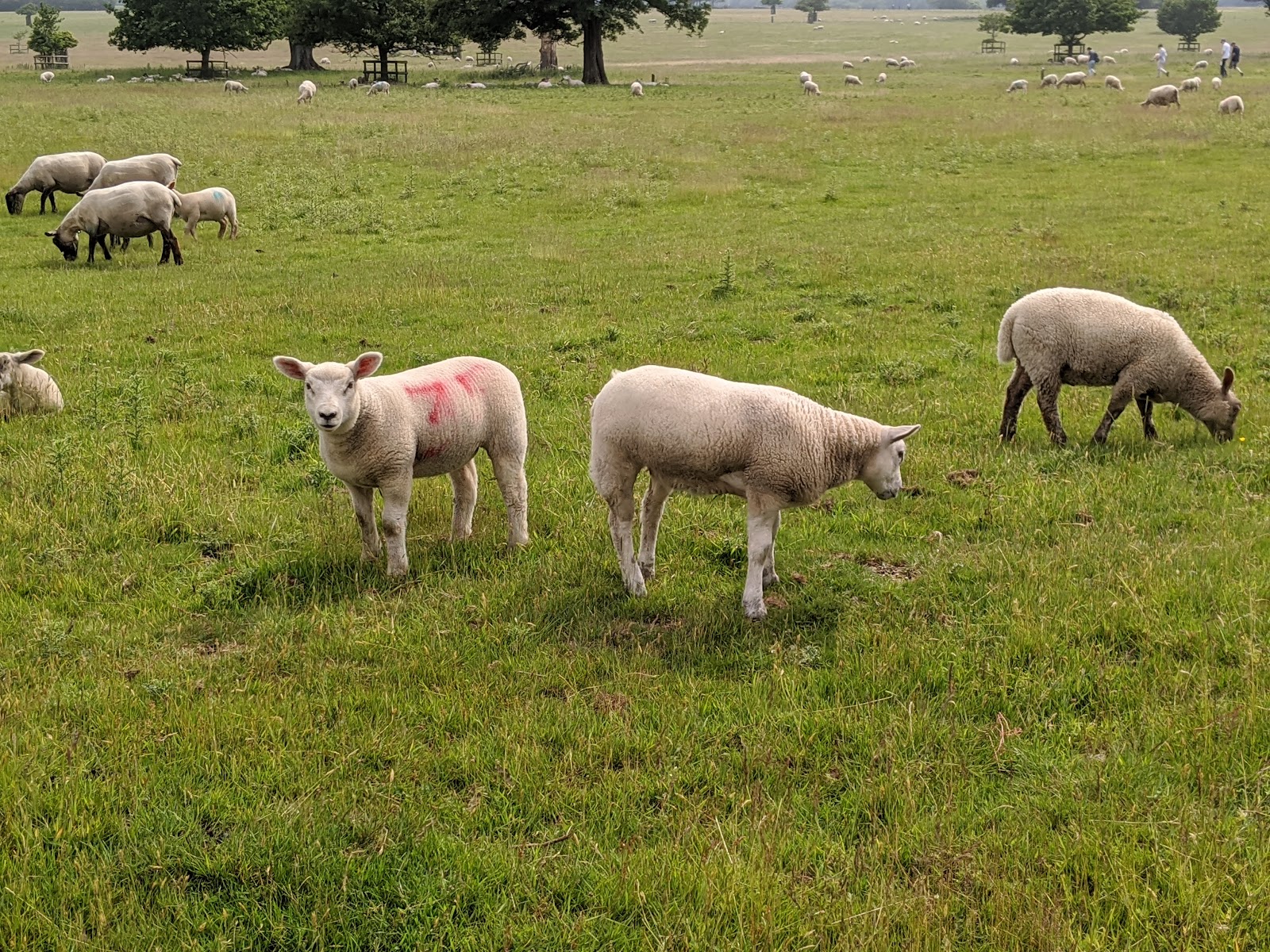
  We parked our car in a lovely spot overlooking acres of  fields full of cows, sheep and lambs munching the luscious green grass. 

  We set up our chairs and sat ready to enjoy our picnic lunch. We were a little early and we spent an hour seated, reading and taking in the sounds and sights of Nature. It was a pleasant day to spend doing very little, just relaxing, watching the grass grow as it were.  

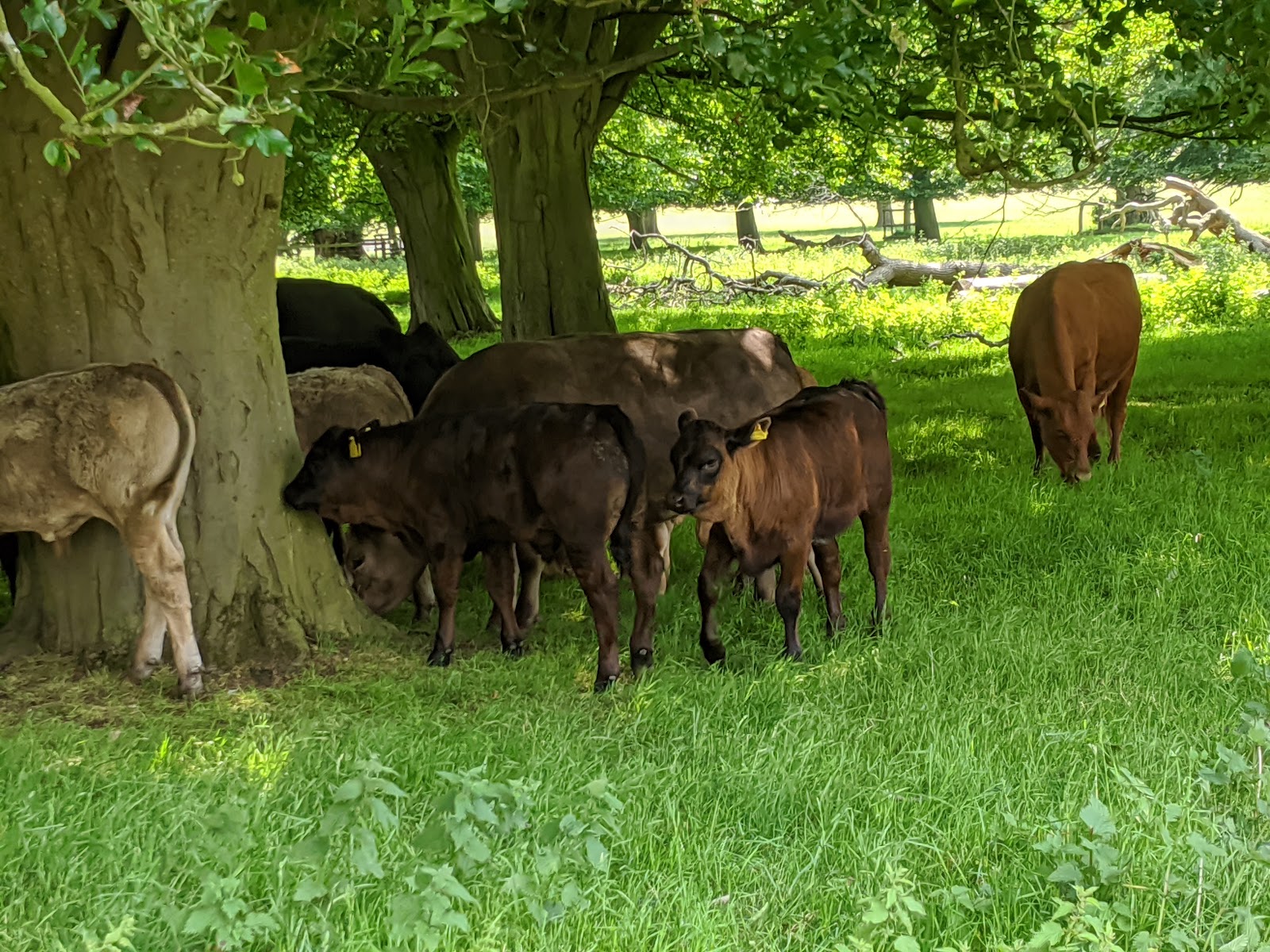
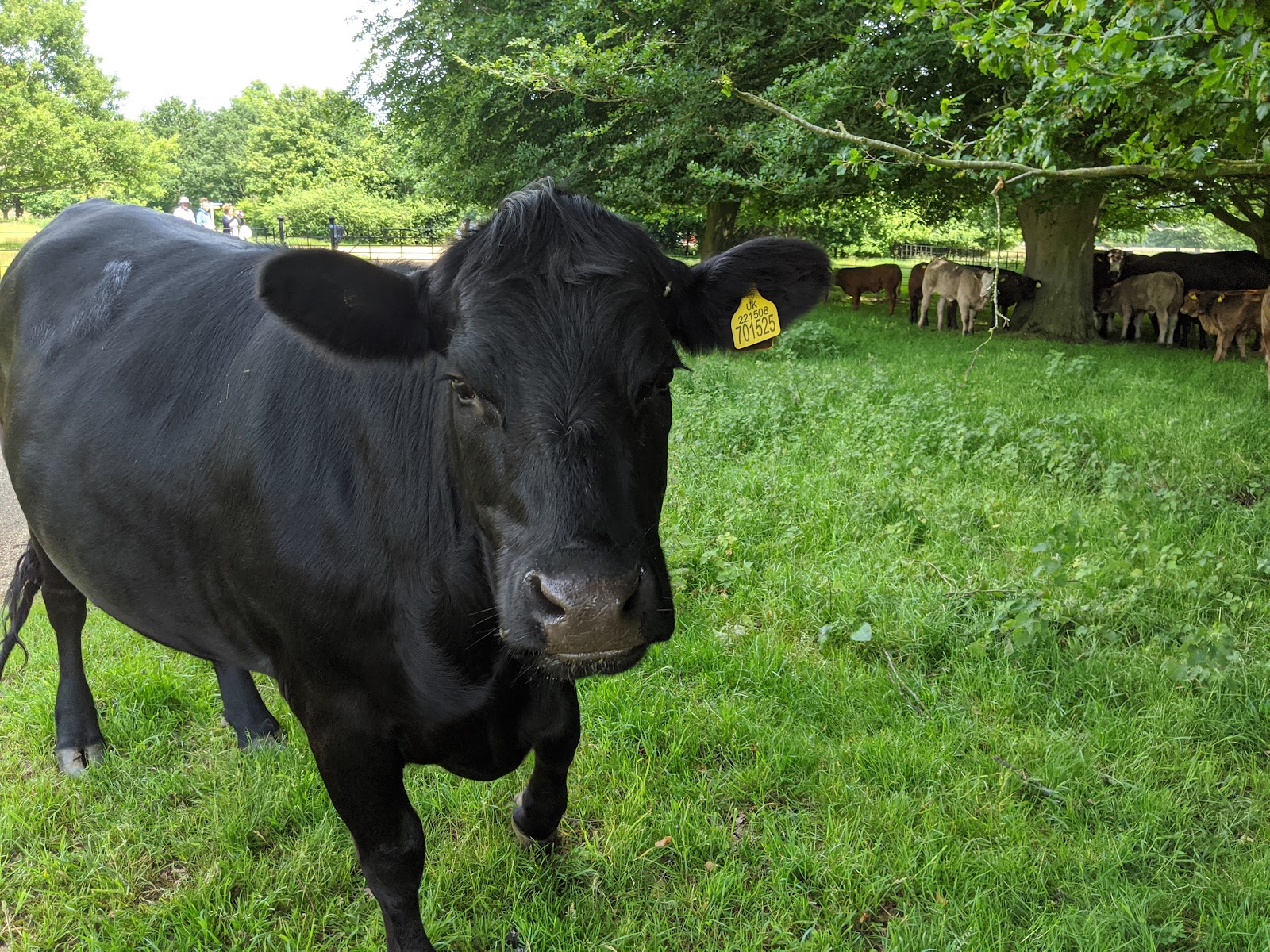
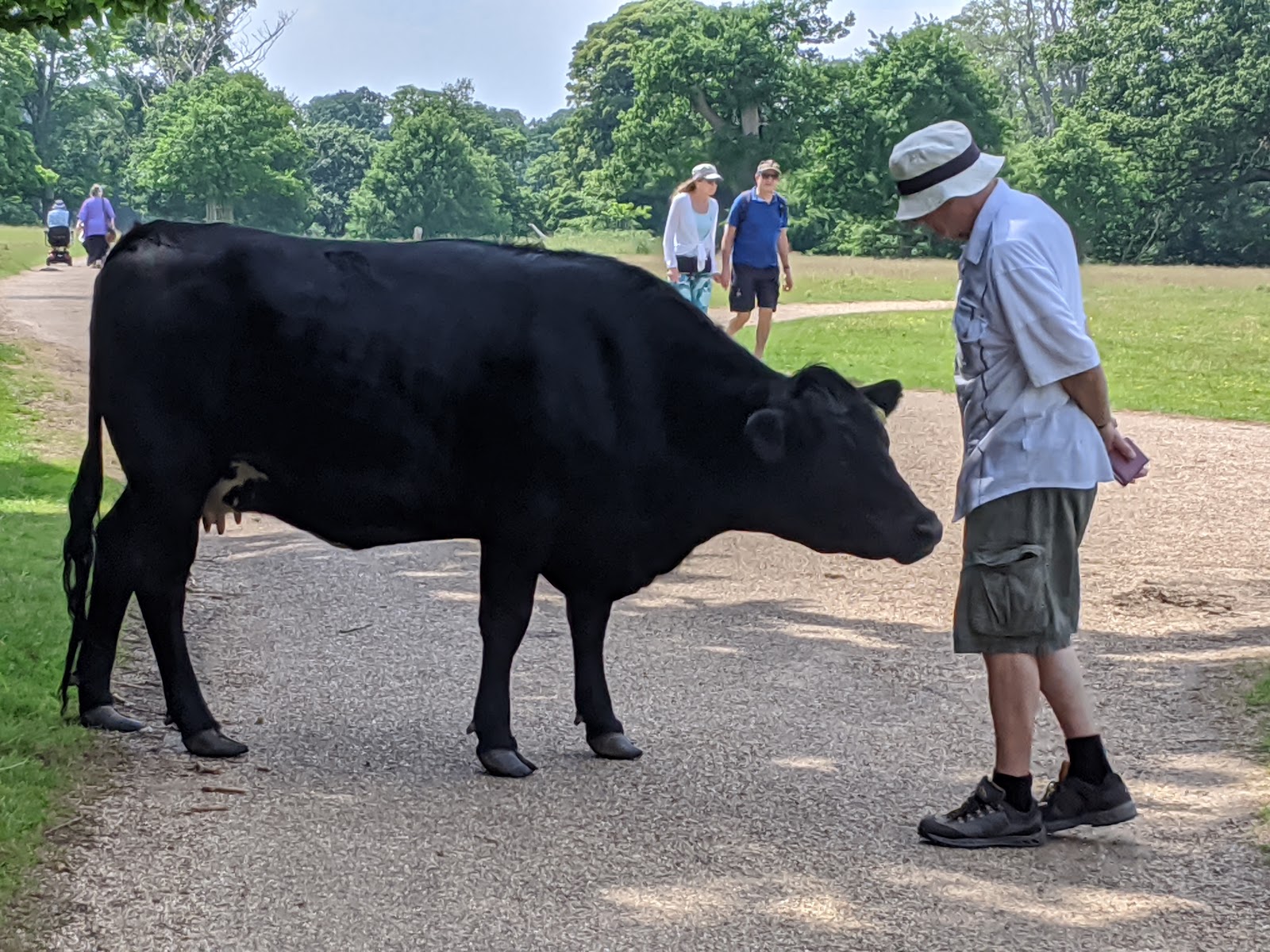
  After lunch we took a stroll towards the main building where we came across a small herd of cows feeding on and under some trees. 

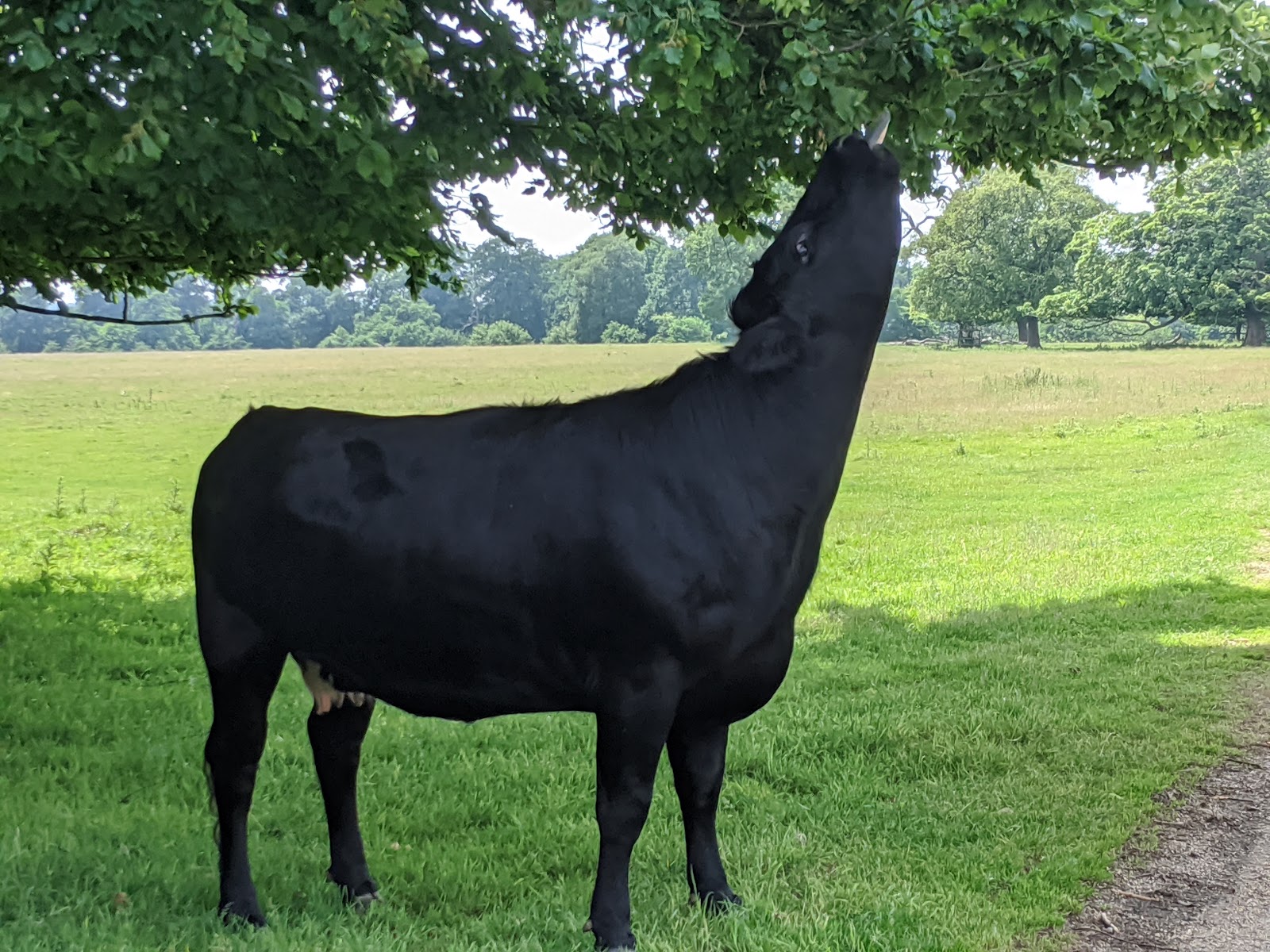
  As we passed a large black cow stepped up towards me with her head down.

    I stepped back and she took another step forward. I would have given her a friendly stroke or a pat on the head but I noticed her head was full of flies, she was that close. Margaret and I decided it was time to move on and we made our way to take some photos of Felbrigg Hall.
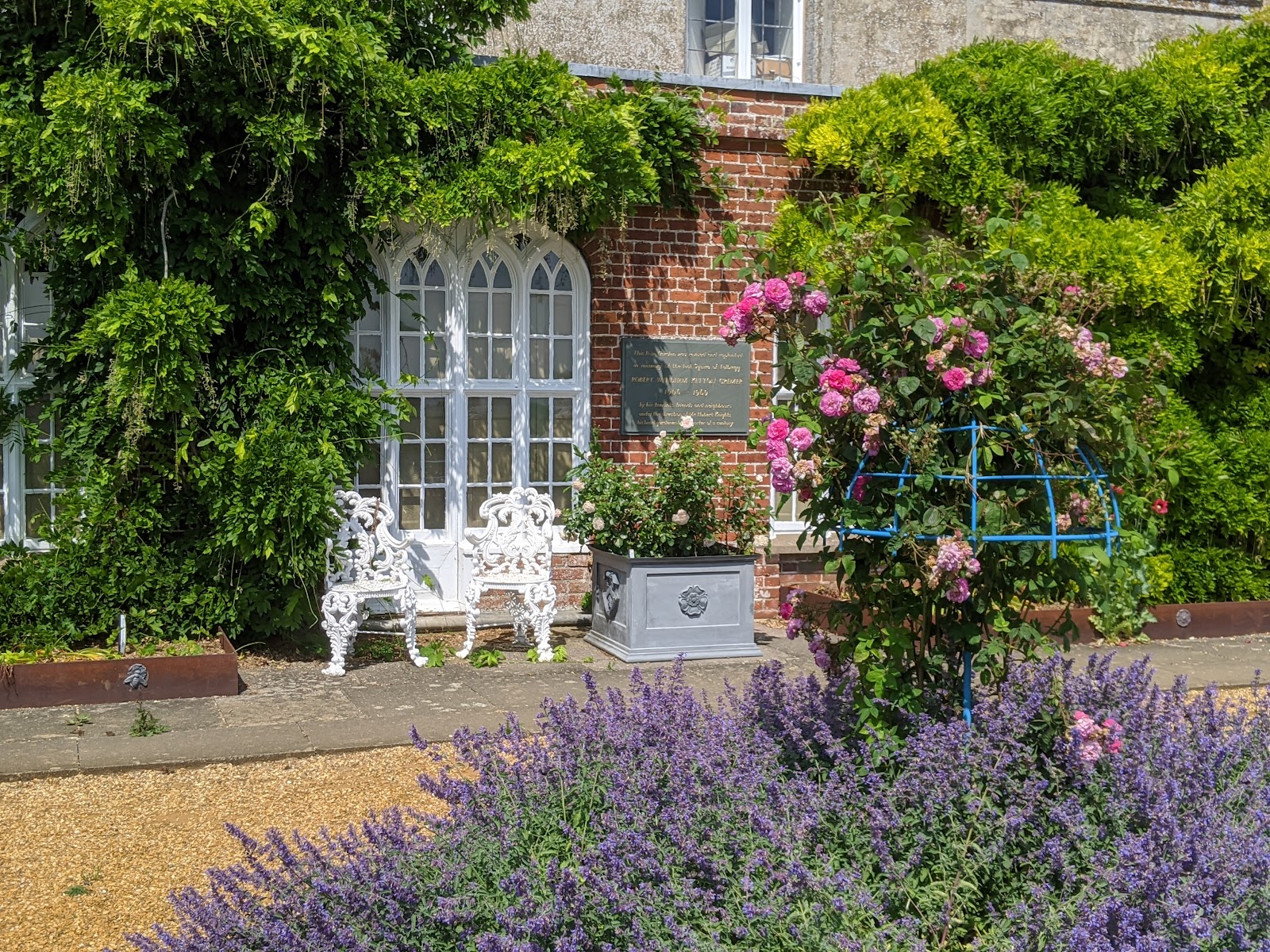

  We passed a pretty, well-cared for garden at the front of the building. There was a notice to inform visitors that although the walled garden was closed to the public, the Head Gardener was still working.

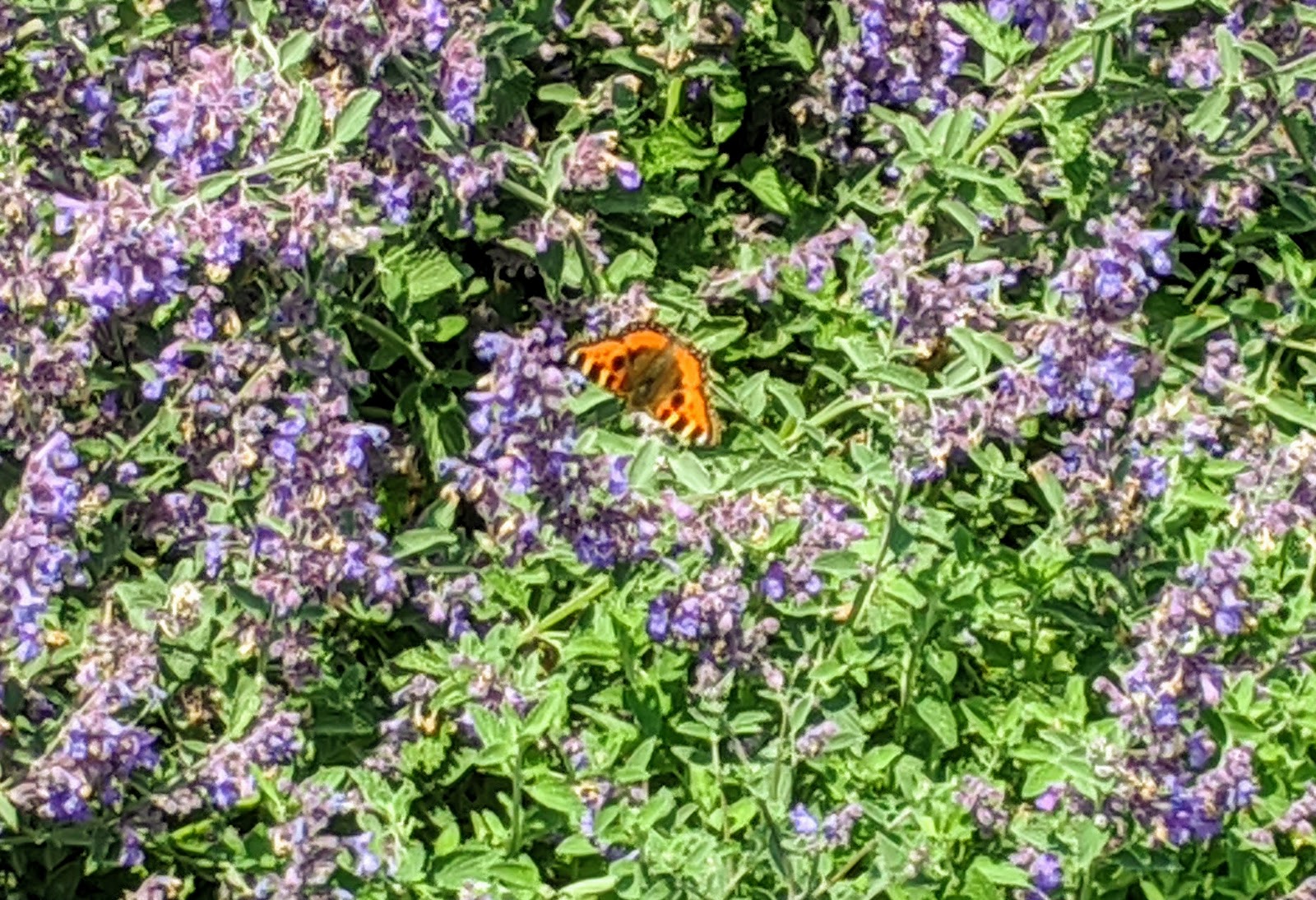
 I snapped a lovely photograph of a small tortoiseshell butterfly sipping nectar from a large lavender bed. The plants were literally covered in insects and butterflies.

We continued strolling around the front of the house.

 Finally we made our way to our car where we enjoyed a nice cup of hot tea from our flask before we made our way home.

© Written by John Yeo ~ All rights reserved.

CABBAGE TREE

WEDNESDAY 10th JUNE 2020

CABBAGE TREE

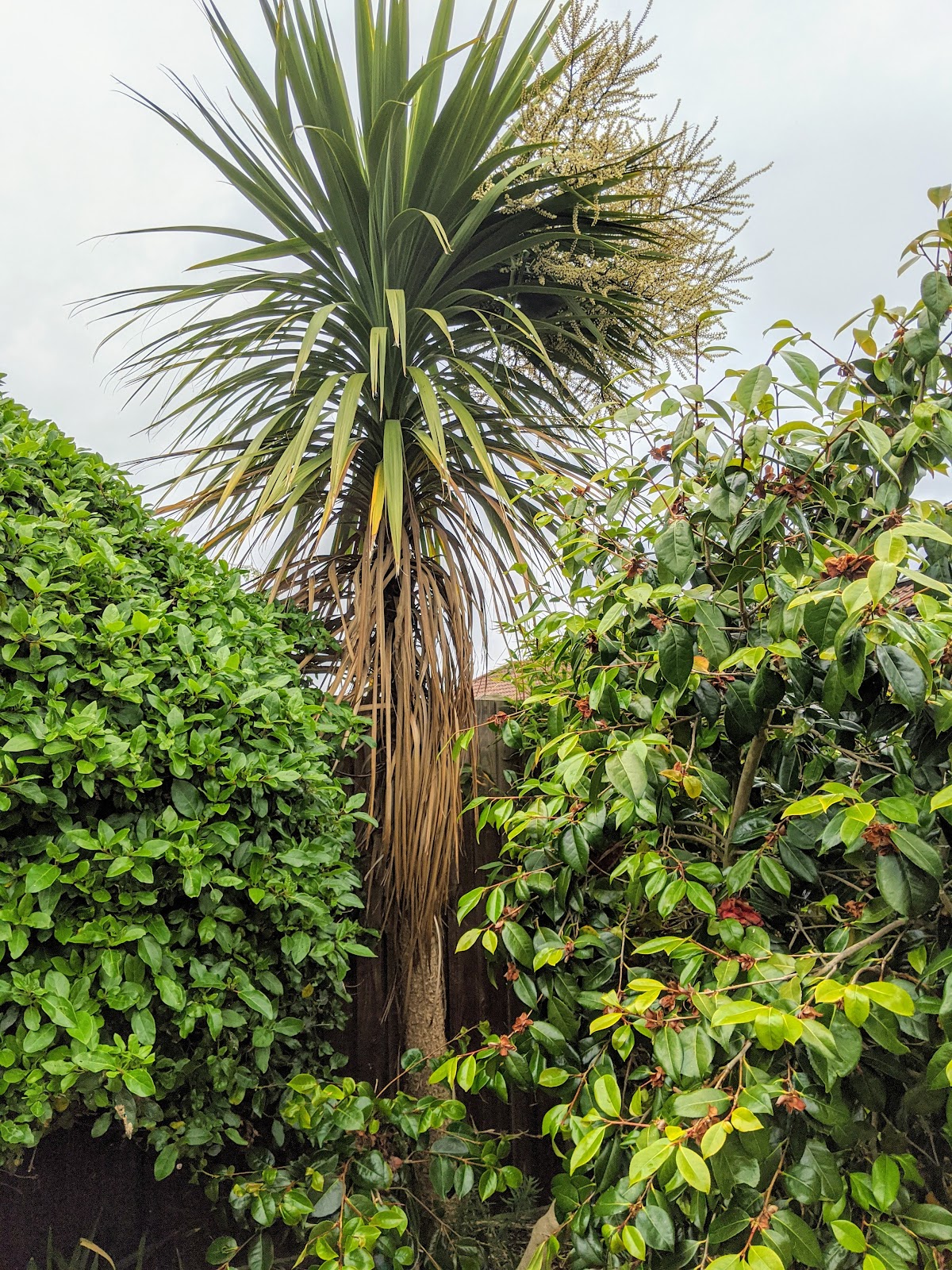
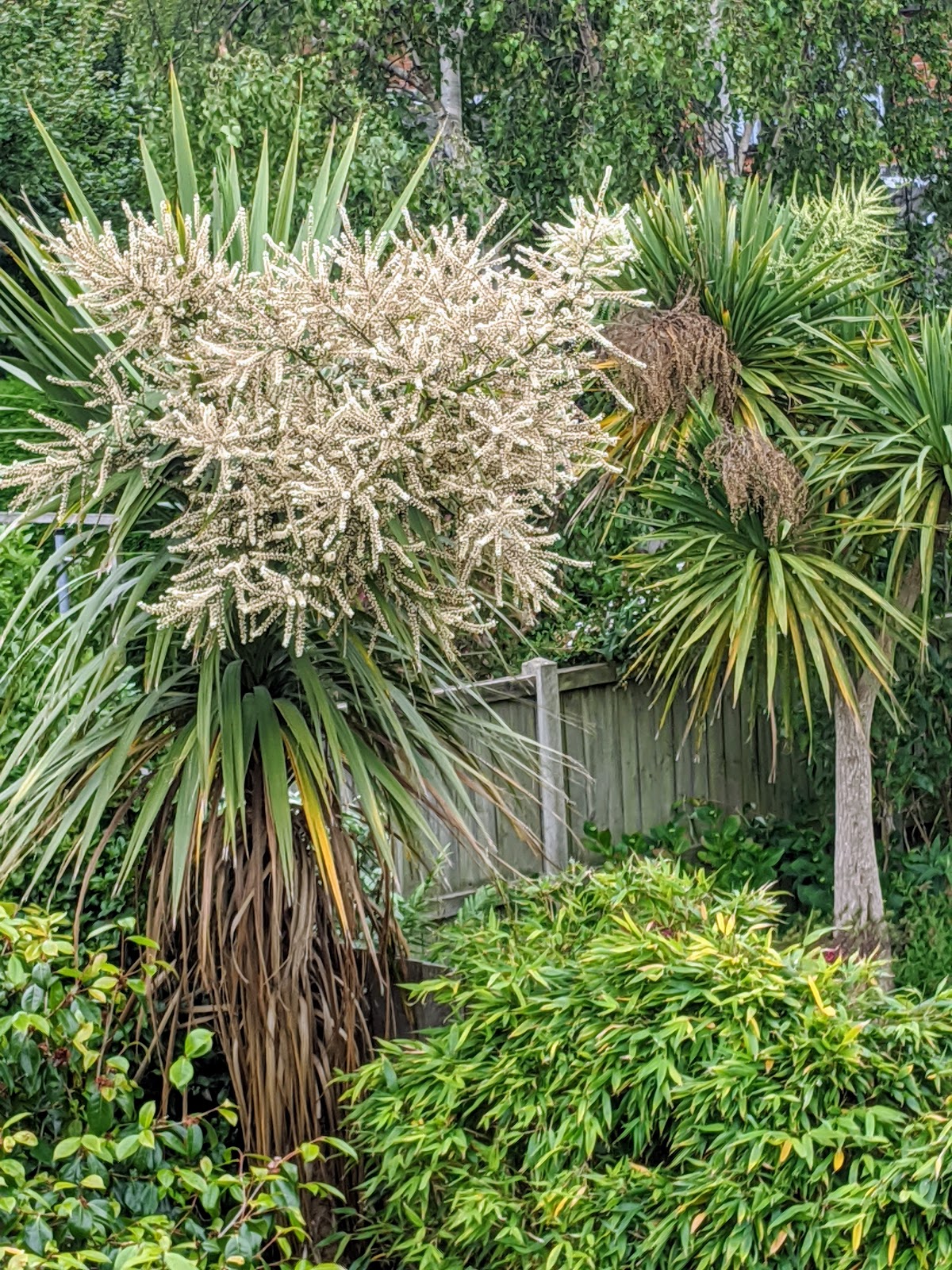
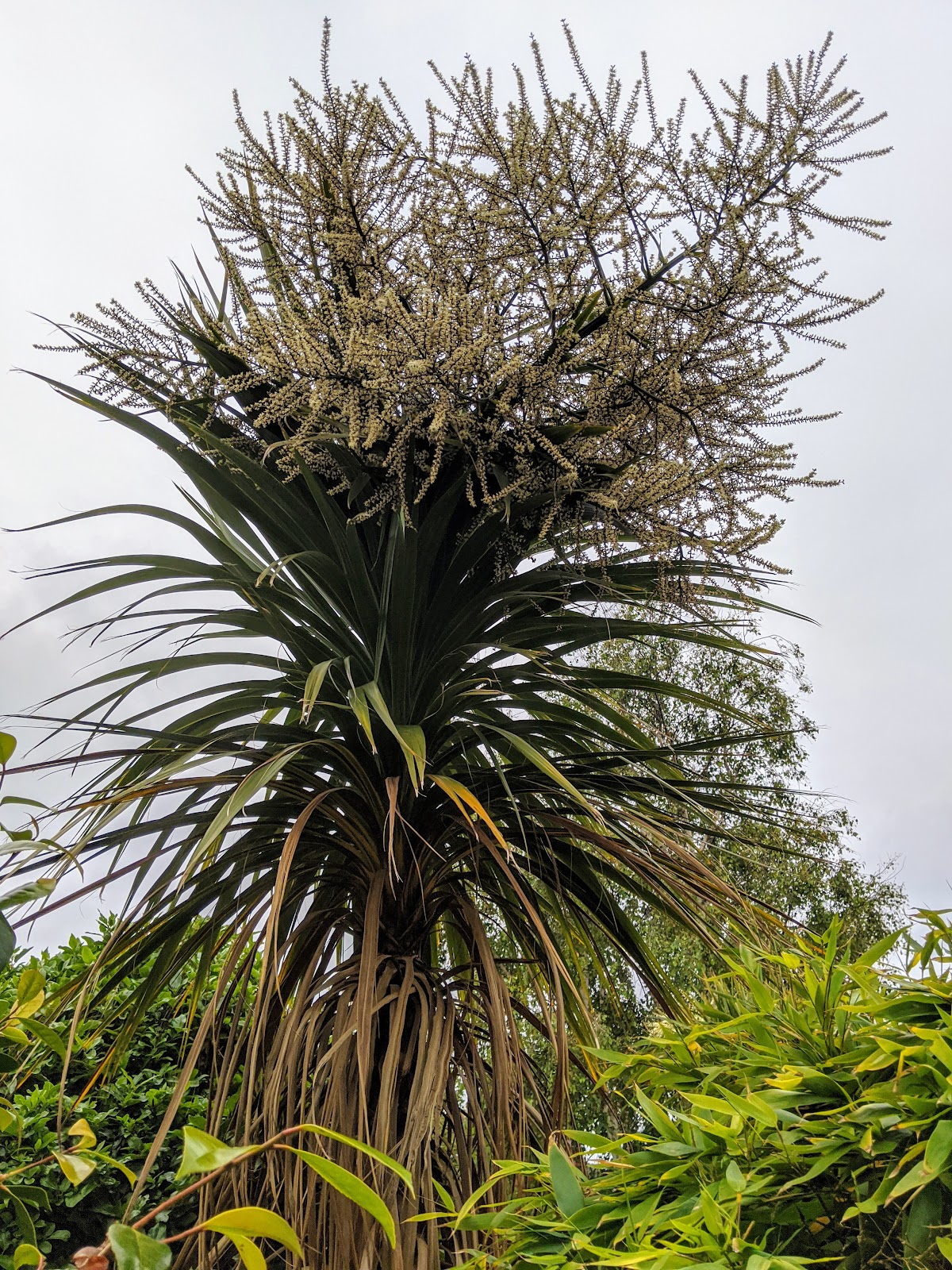
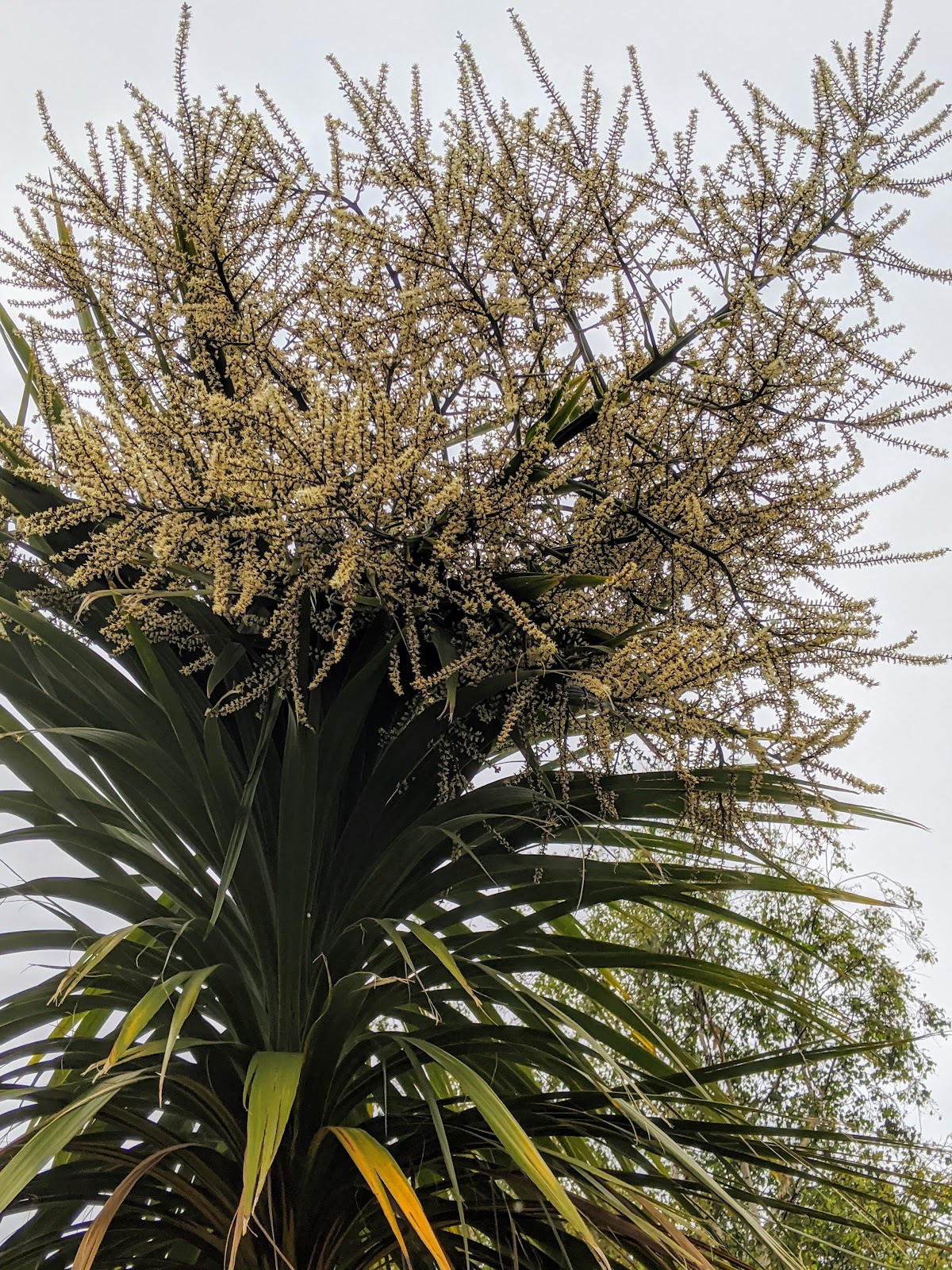
These photographs show an amazing tropical tree that mysteriously appeared in our garden about 10 years ago. It grew from a tiny shoot and became larger and larger until it is now over eight foot tall.

 Our next door neighbour has an older, even larger version of the same tree and we can only draw the conclusion our tree is an offspring of that splendid specimen. We think somehow a seed, perhaps delivered from a passing bird or insect was transported to our garden and took root.

 This year is special though as it has burst out with a huge white branch of small white flowers. Google lens identified it as a Cordyline australis, or a New Zealand plant.

‘Cordyline australis, commonly known as the cabbage tree or cabbage-palm, is a widely branched monocot tree endemic to New Zealand. It grows up to 20 metres tall with a stout trunk and sword-like leaves, which are clustered at the tips of the branches and can be up to 1 metre long. (Wikipedia)’

   I came up with the following information from the internet. Some comprehensive facts on the edible parts of the tree and how the Cabbage tree got its European name and the many interesting uses discovered by the native Maori people.

https://www.tropicalbritain.co.uk/cordyline-australis.html

 The huge flowers are too high on the tree for us to experience the reputed fragrance. There are many bees and insects visiting this unusual tree so there should be some interesting flavoured honey in a hive somewhere nearby.

Written by John Yeo © All rights reserved

HEADLINES

FRIDAY 5th JUNE 2020

HEADLINES

by John Yeo

The entire head took the message

Then responded with a united reply,

The nose addressed the eyes,

I will balance the glasses

You read the words.

I will sniff out the story, 

Pass the result on to the brain.

The brain will interpret 

The meaning of the words.

The magic of the poetry

Will be expressed by the mouth.

~

The ears will balance the glasses

Listen carefully to the response, 

And adjust the result accordingly.

The eyes looked down on the nose

We have no need of your sniffing,

We are reputedly 

The windows of the soul.

The light of truth

Shining directly to the brain

A shining light reflecting 

The light of creativity.

~

Then in unison the ears chorused

Without your glasses you are blind 

We can hear the music of the words.

The mouth joined in the conversation

A very wise mouth indeed! 

You must leave room for interpretation,

Each mind is unique! 

Together we make up the individual

Striving for unique expression,

Guidance is just another opinion

Generated with respect.

~

© Written by John Yeo ~ All rights reserved 

   I remember an unwilling, uninspiring English language teacher several years ago, who demonstrated some individual views on life that would have been highly criticised today. His major goal in life at the time was a high degree of self-promotion. His outward role was to attempt to instil in his pupils, (subjects), an interest in writing and appreciating poetry. He would start a session by reading his personal examples of poetry, then invite comments, which were obviously expected to be positive. The class would then be invited to write a poem on a set subject. An hour later our teacher would sit and take them apart piece by piece. The session would end by him handing out a subject to take away and use as an impetus to write a piece of poetry. When I wrote the above poem, I was influenced by some of his views and his comments. I included a couple of sentences that to this day I hope he noticed and took away with him. 

 Of course I’ve reworded and rejigged some of the words, since I resurrected it. When I look back, I can’t help thinking perhaps he wasn’t a bad teacher as he certainly stung me into action.

MARIGOLDS AND TOMATOES

SATURDAY 30th MAY 2020

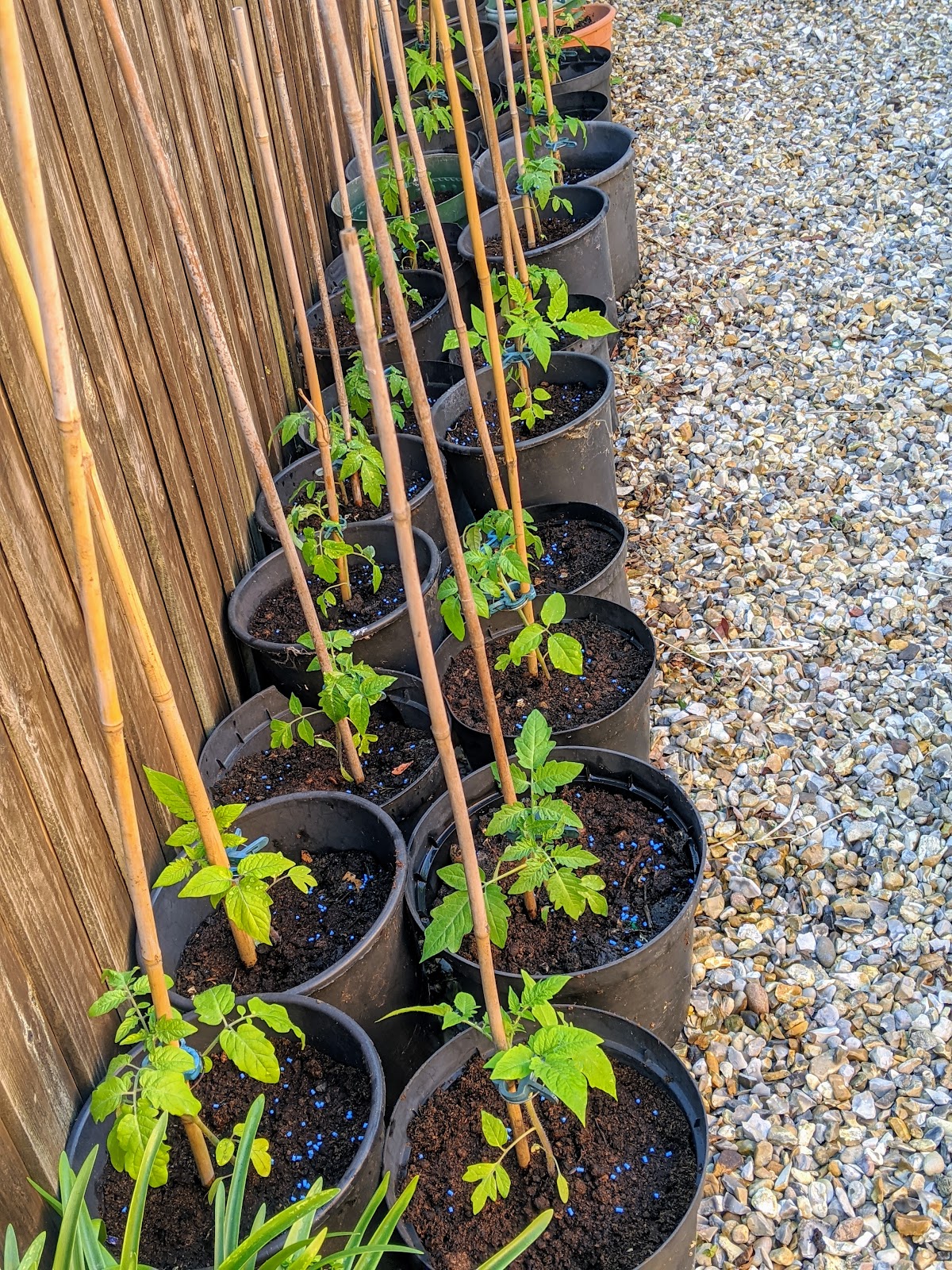
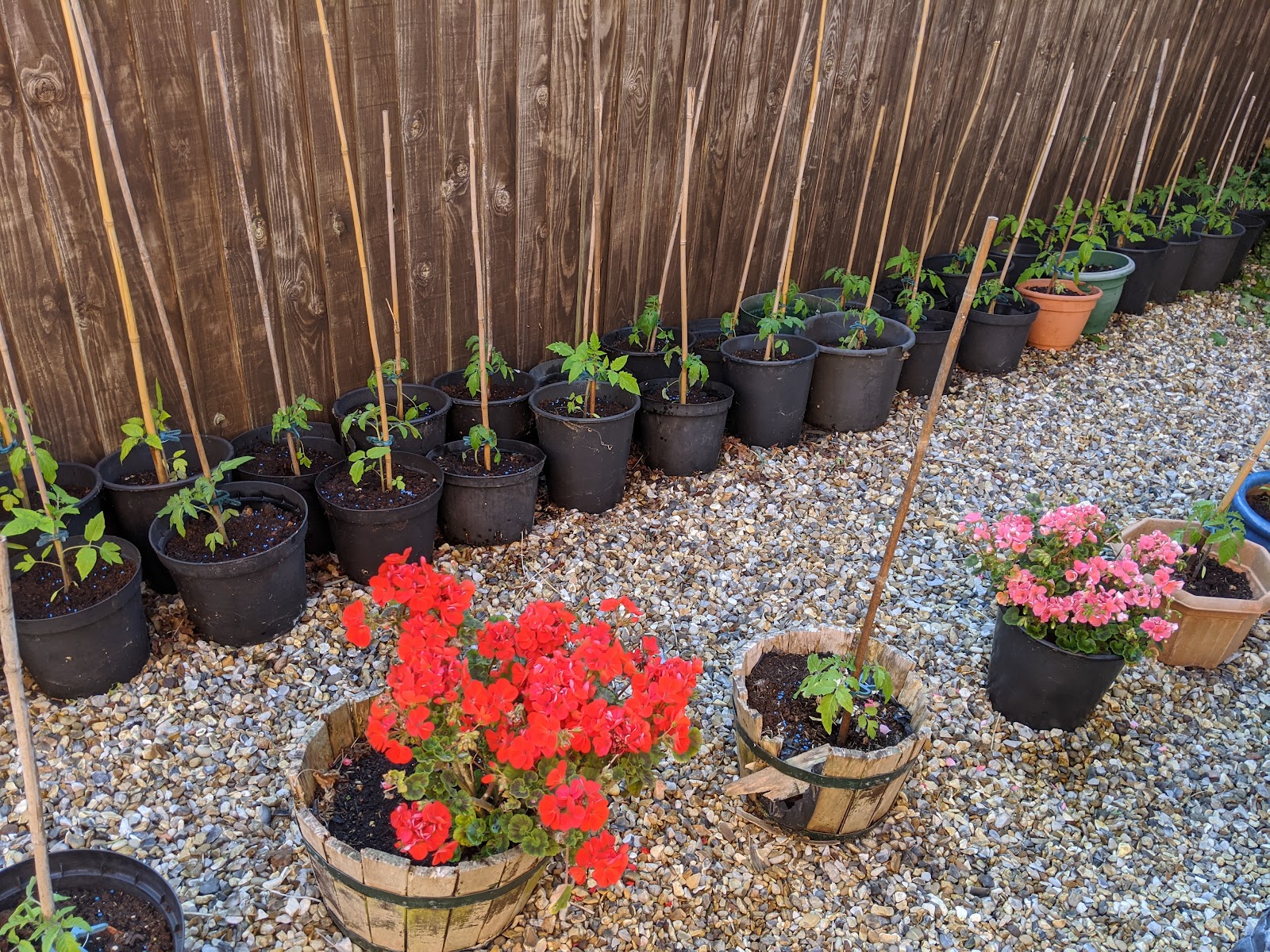
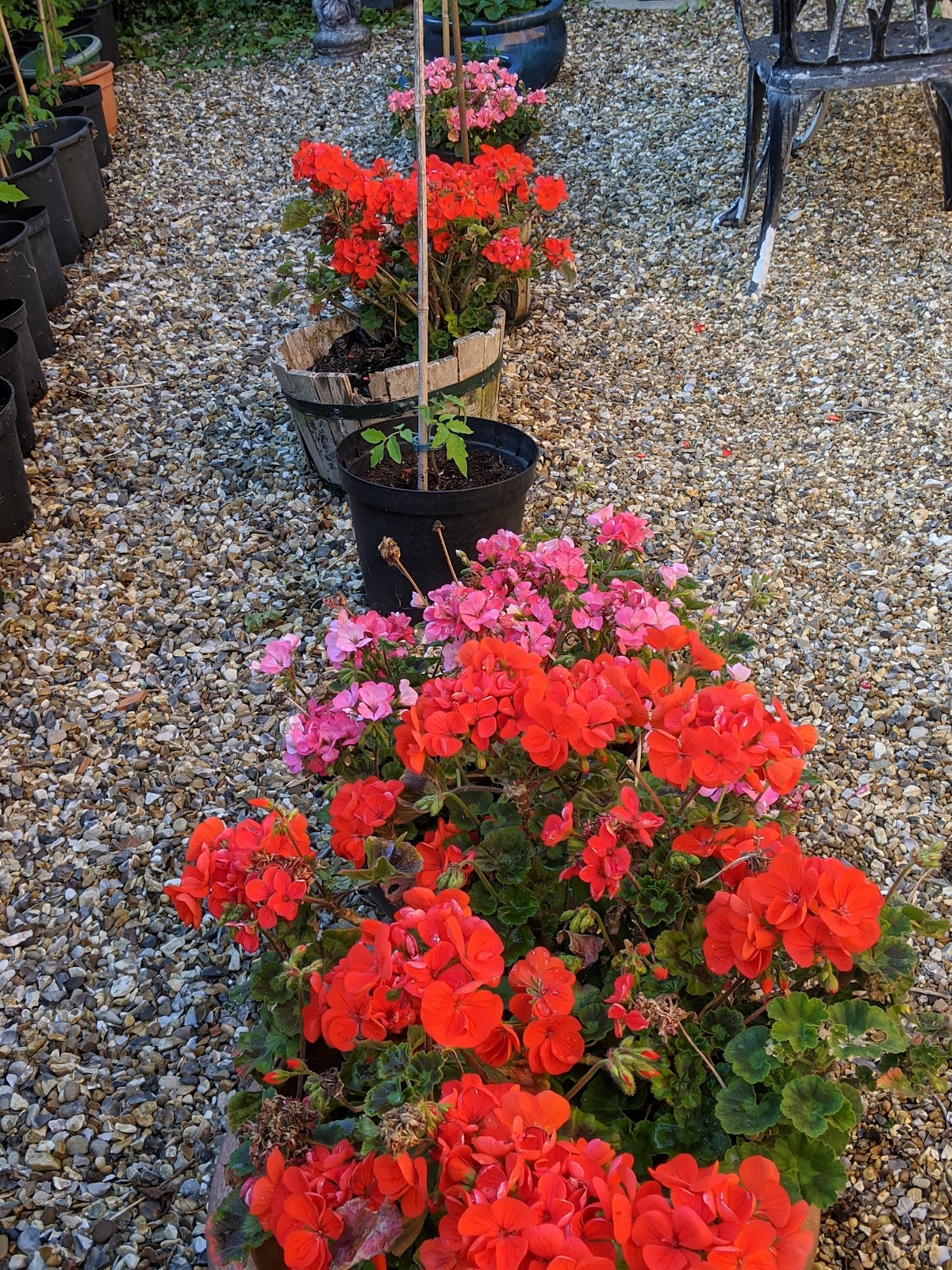
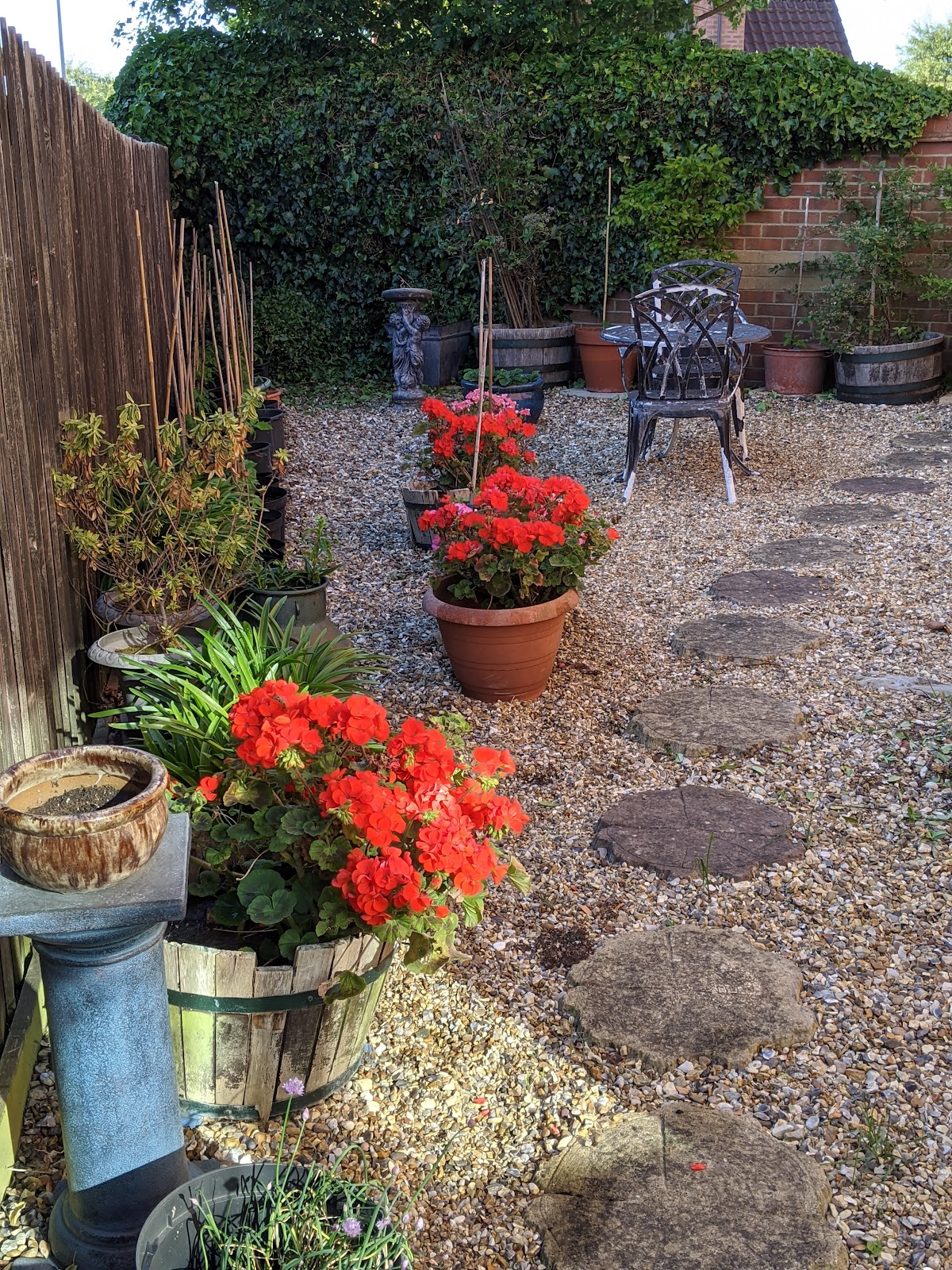
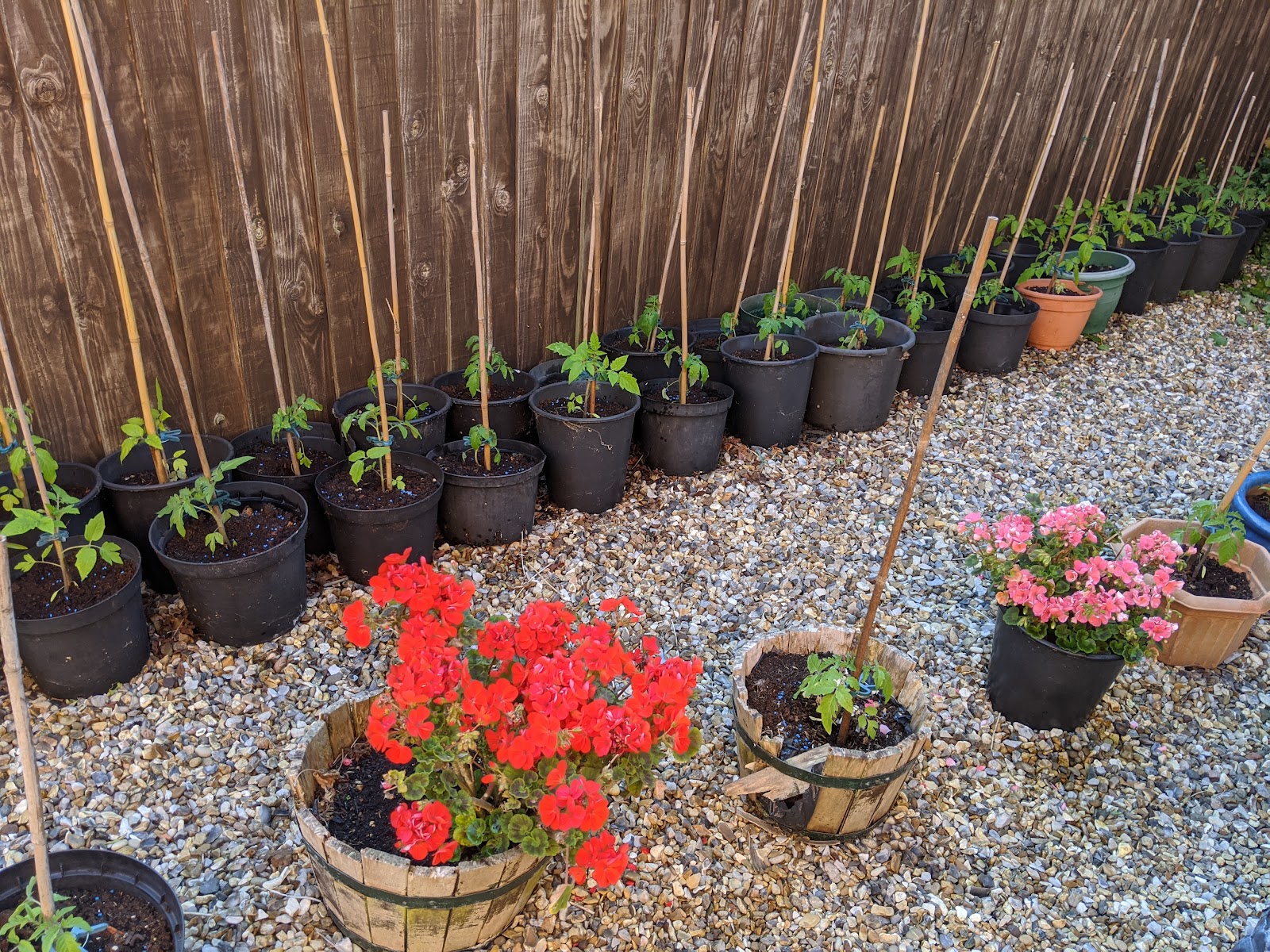
  I worked extremely hard today potting our tomato plants into their final pots. I have 30 really healthy plants sited in our back garden. I can never believe the size these large healthy plants have grown, when I look back and consider the tiny black seeds I planted. Although Margaret is unable to eat tomatoes as she’s developed an allergy to them we both enjoy growing them.

  Our geraniums are looking splendid this year, I always find these wonderful standby plants so easy to grow. Geraniums require the absolute minimum of attention and they come in some glorious colours.

There is a suggestion that geraniums are a beneficial companion plant to tomatoes. I got this information from  https://modernsurvivalblog.com>

Companion plants for tomatoes include Basil, Oregano, Parsley, Carrots, Marigold, Geraniums, Petunias, Borage, any type of Onion or Chives.

When ‘companion plants’ are applied throughout the garden, they can be an effective form of pest management, allowing nature to do its job.

‘Companion planting can discourage harmful insects and pests in your garden without harming the beneficial ones.

Many plants have natural substances in their roots, flowers, and leaves that can repel or attract insects and can enhance the growth and flavour of other varieties of plants.’

Written by John Yeo

MARGARET’S BLUE ROSE

FRIDAY 29th MAY 2020

MARGARET’S BLUE ROSE

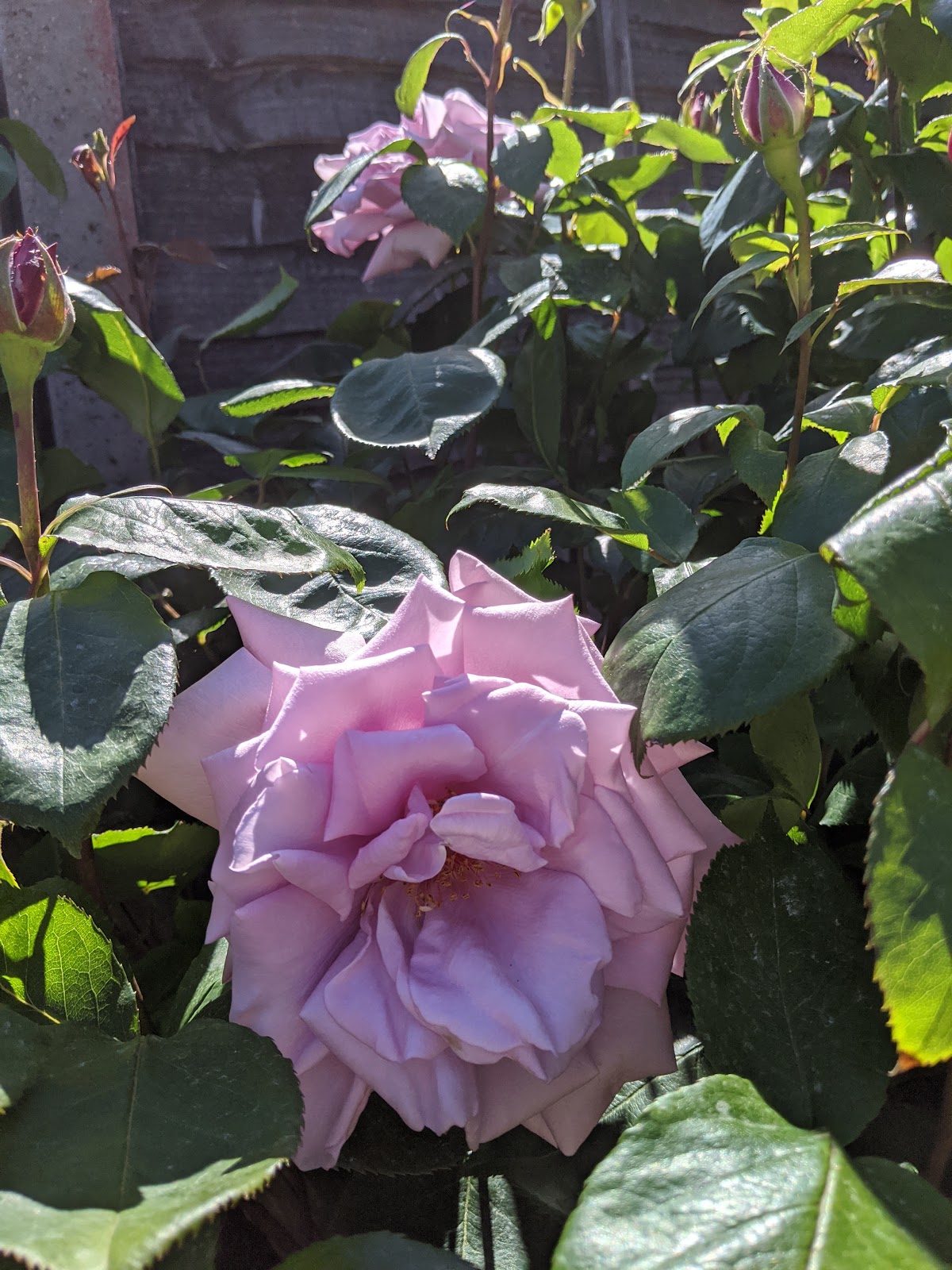
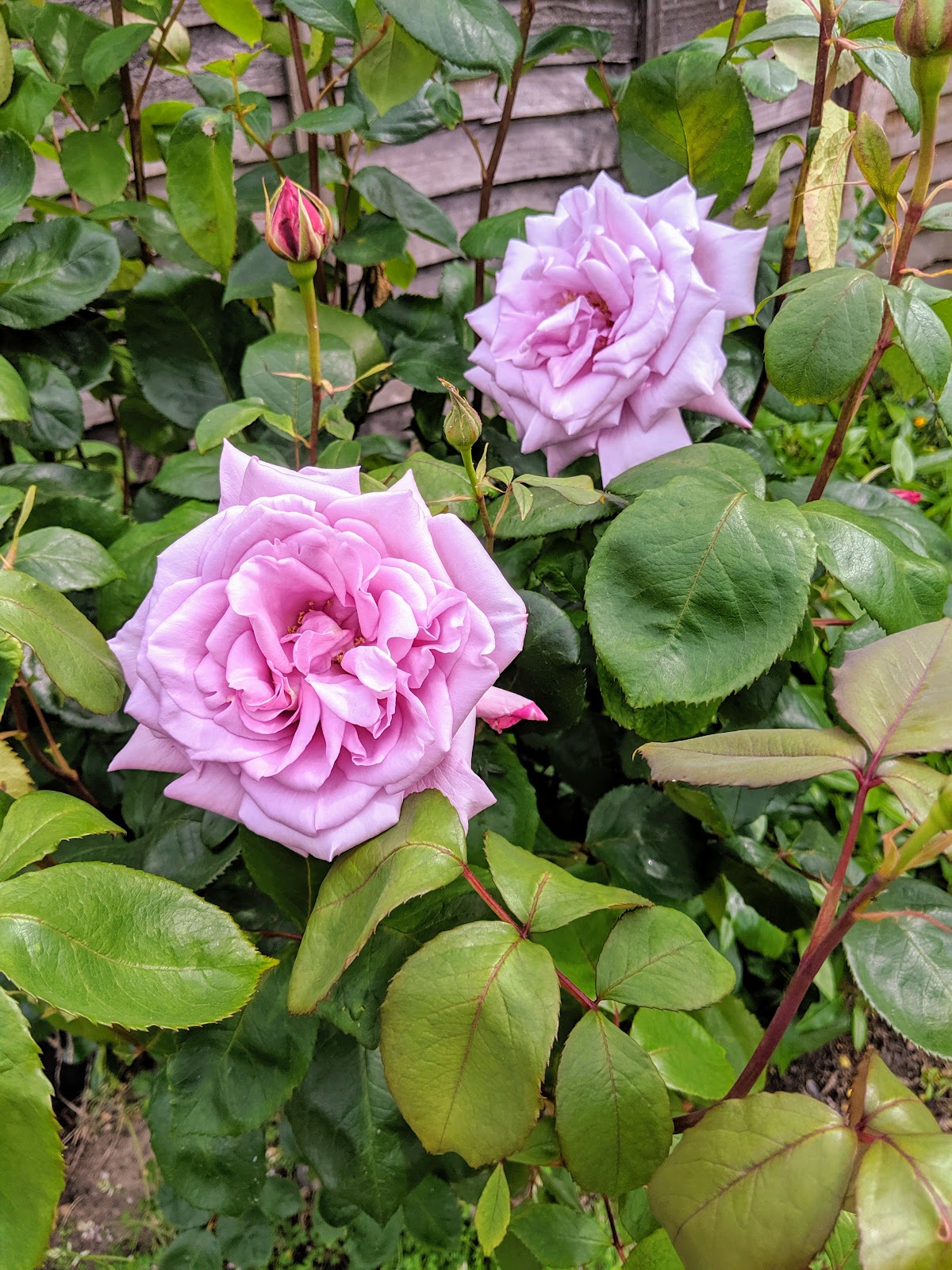
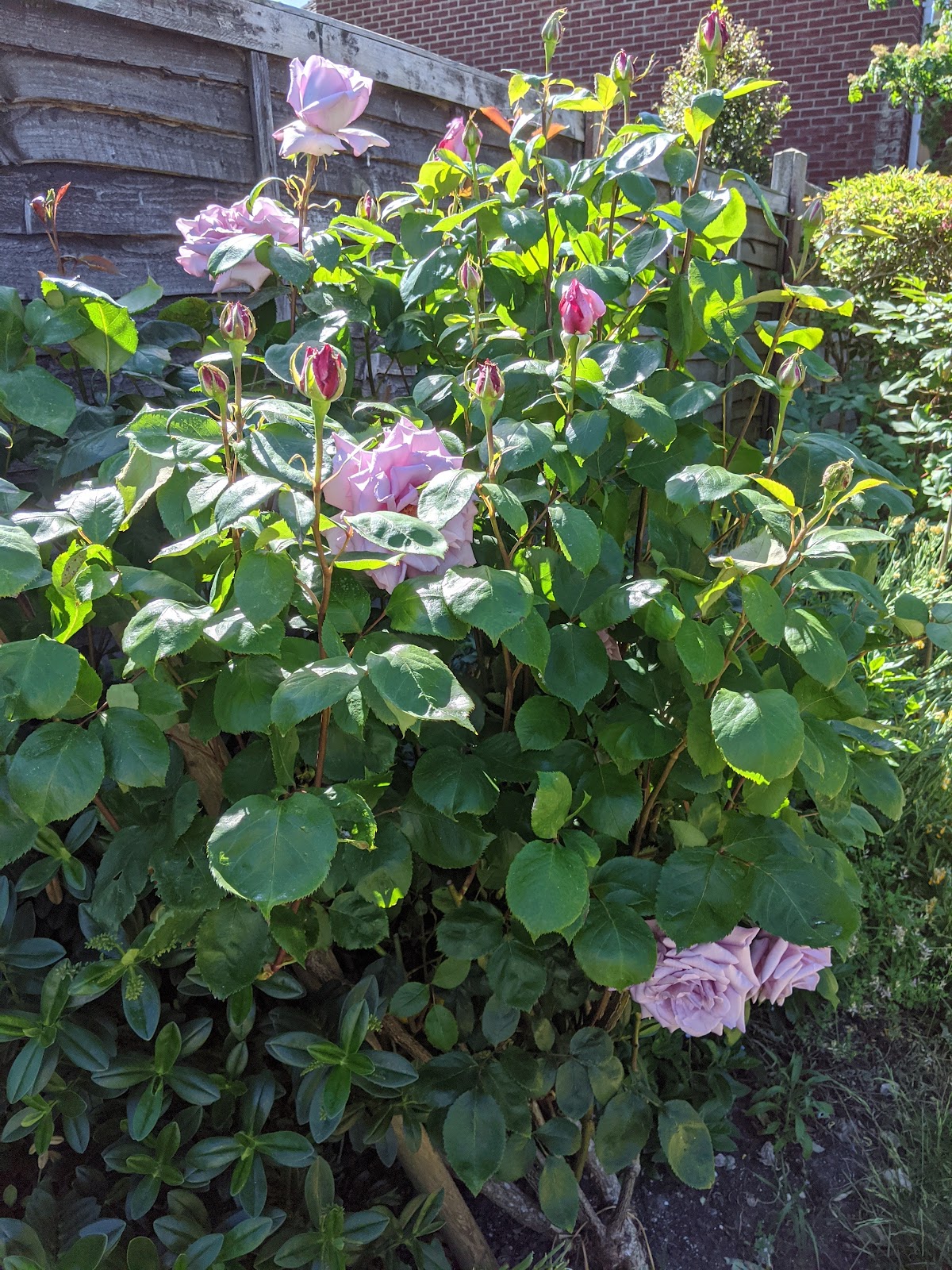
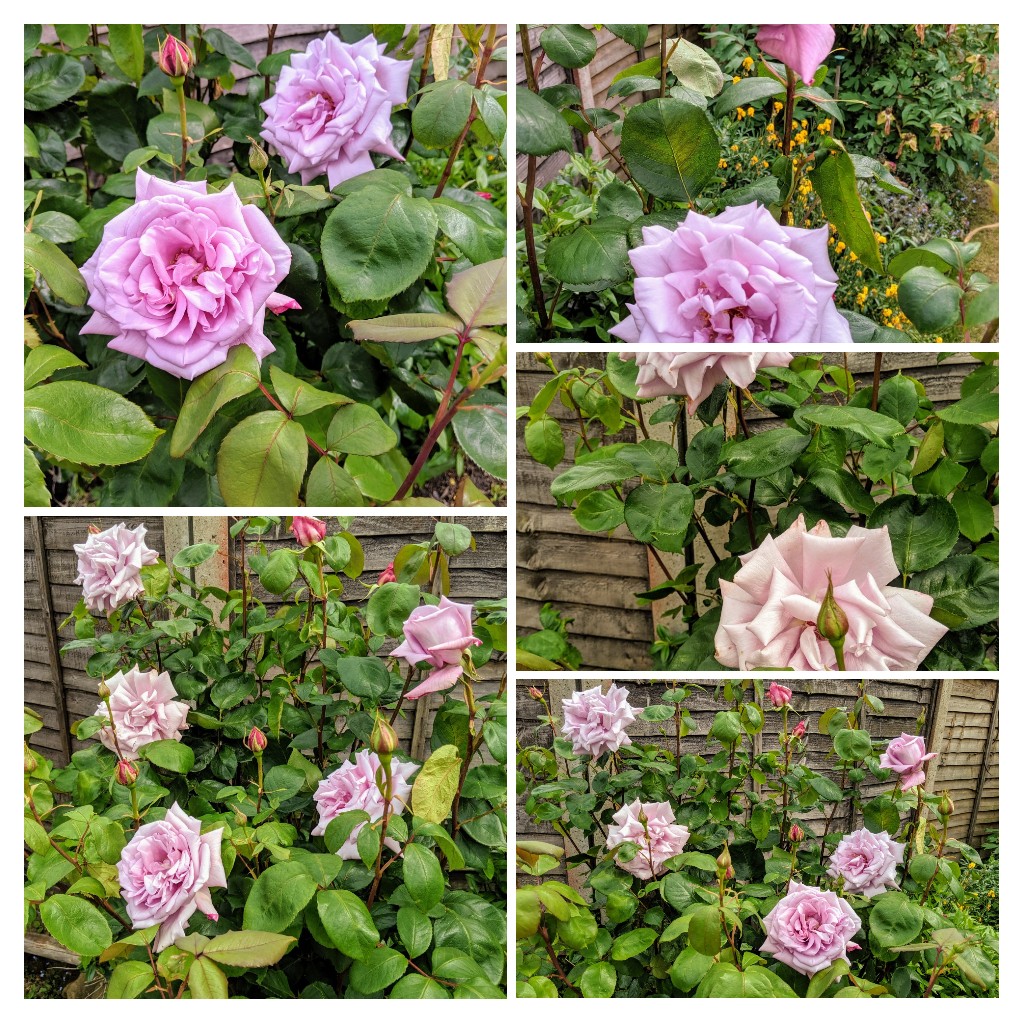
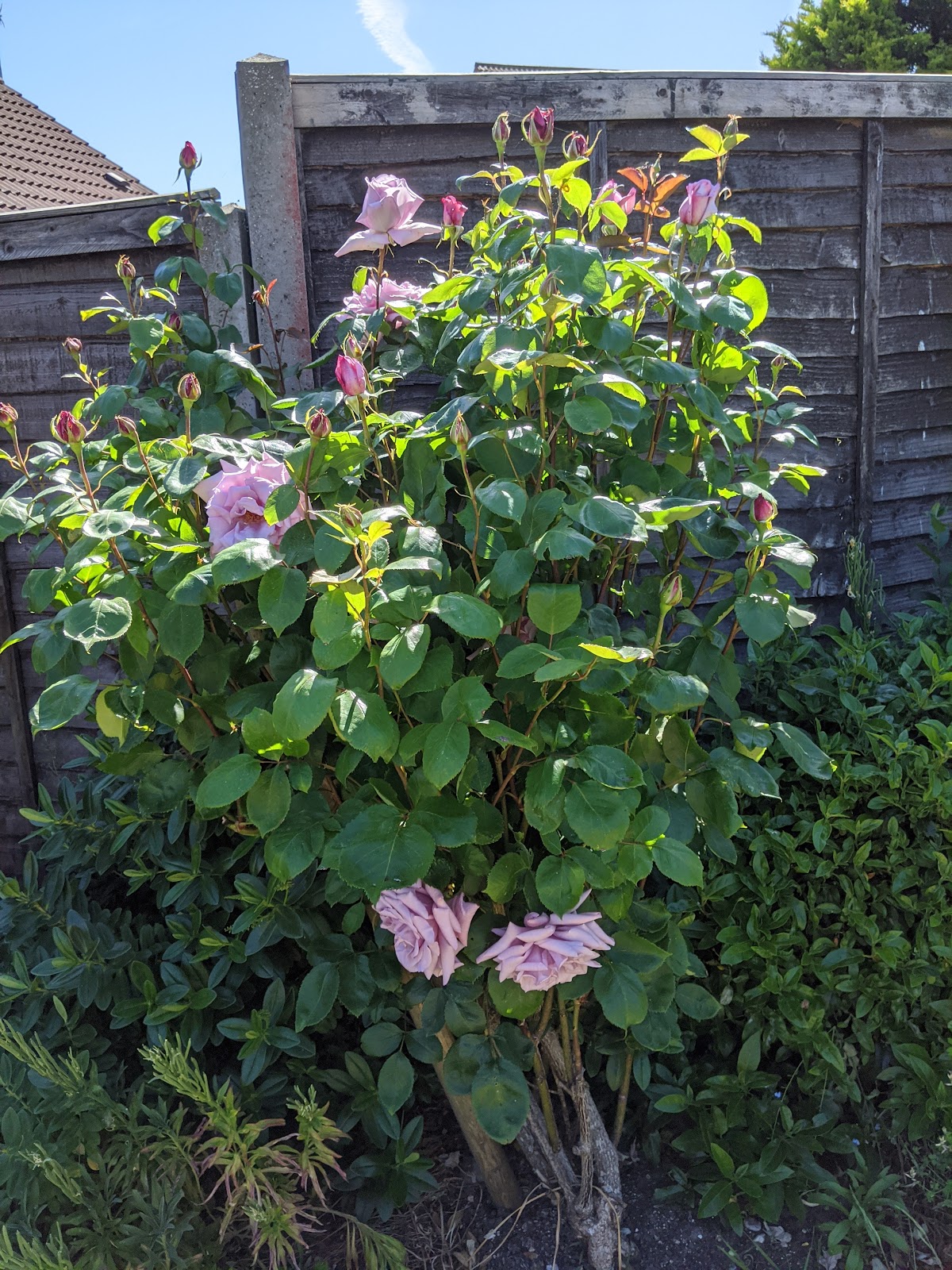
These photographs show our beautiful blue tea rose. I bought this rosebush as a present for Margaret 12 years ago and it has rewarded us with a multitude of magnificent blooms, year after year. This is certainly the most successful floral present I have ever bought for her. The blooms get bigger and better as the years go by. The blooms have an extremely delicate perfume, so fresh and enticing to easily intoxicate any passing bees and insects to promote pollination.

   However in my experience, roses are one of the hardest plants to grow in the garden and need a great deal of tender care and protection. In Spring the shrubs need to be pruned and all the dead wooden branches removed and a good measure of rose food needs to be applied around the roots. They need careful, regular examination to detect any attacks by pests, in the shape of greenfly, black fly or aphids. A good quality bug spray needs to be applied at the first sign and regularly throughout the season. Then there is the dreaded rust-like fungal disease that looks unsightly and causes the leaves to discolour and drop off. A regular spraying with a fungal deterrent is the only method I know to counteract this. 

Regular watering in the dry spells is essential to encourage the buds to swell to produce new wonderful blooms. Another measure of rose food should be applied halfway through the Summer.

Sometimes spurs pop out from well down below the bush, I always remove these as they take energy from the bush that could go towards promoting the flowers. Finally at the end of the flowering season, which can last through to the years end, I have to prune the branches right back to prevent wind-rock. The winter wind blows fiercely and rocks the plant, loosening the roots in the soil, causing weakness or in extreme cases, death.

  In my mind looking after my roses is simply a replacement for taking care of small children, keeping the roses fed, watered and protecting them from predators. The reward of my labour is the smile on Margaret’s face when she picks a perfect rose to photograph and view again year after year.

    I took this brief paragraph of the origin of roses from Wikipedia, there is a lot of information, myths and information there.

  ‘Ornamental roses have been cultivated for millennia, with the earliest known cultivation known to date from at least 500 BC in Mediterranean countries, Persia, and China. It is estimated that 30 to 35 thousand rose hybrids and cultivars have been bred and selected for garden use as flowering plants. Most are double-flowered with many or all of the stamens having morphed into additional petals.’

© Written by John Yeo ~ All rights reserved

UNITED IN MERCY ~ DIVIDED IN FEAR

IMG_8701.JPG

TUESDAY 26th MAY 2020

UNITED IN MERCY ~ DIVIDED IN FEAR

by John Yeo

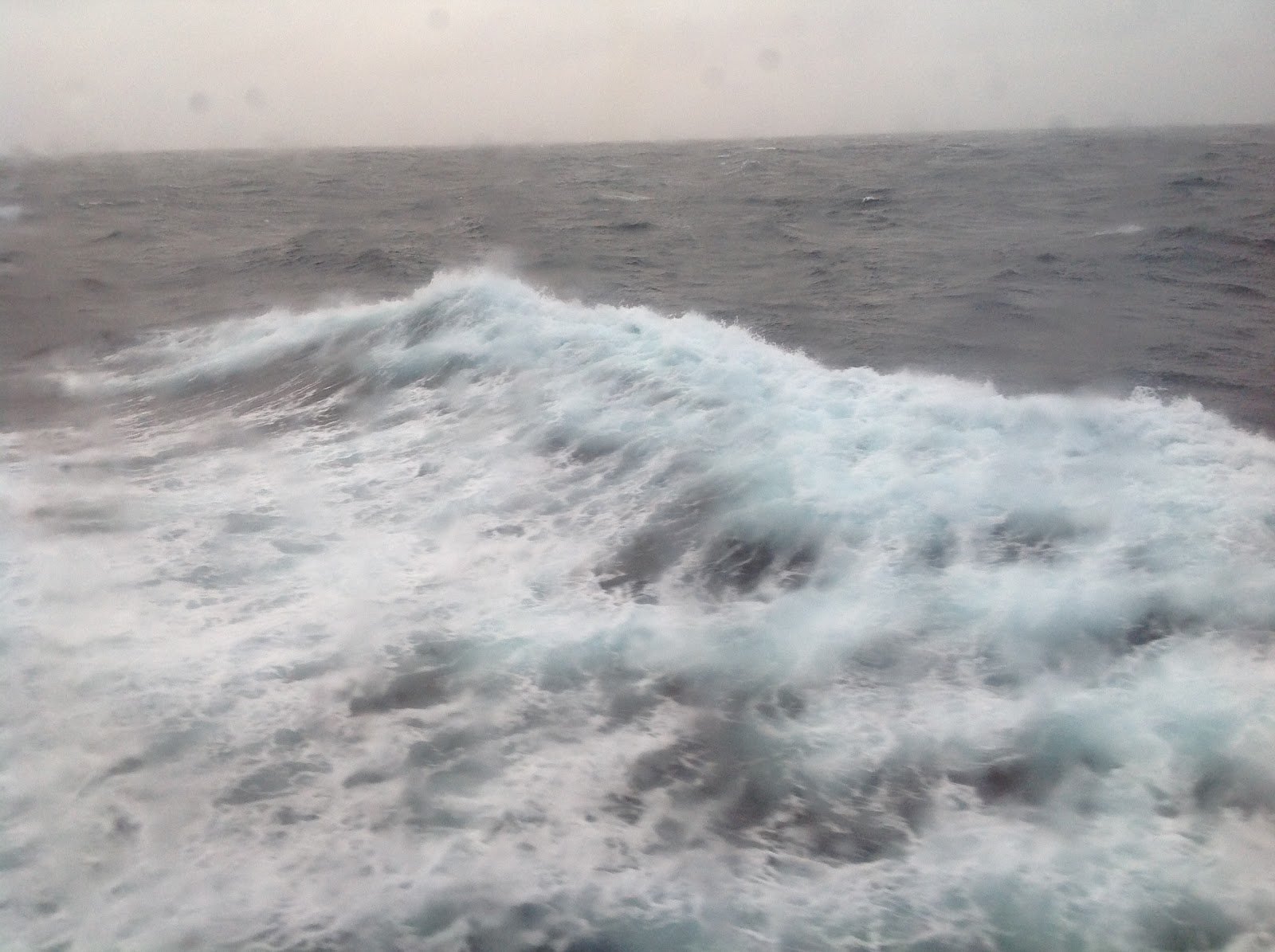
    My picture today reflects the turbulent sea. I recently became aware of the still prevalent problem of refugees and people- smuggling, that is still happening, in spite of the current pandemic that is raging around the four corners of the globe. I’m sure the last thing that springs to mind when one is frightened and desperately searching for a new life in a new land, is social distancing. These unfortunate travellers are crammed together in small dirty boats, or sealed into the backs of lorries using every inch of available space. Many of these people are caught and escorted back to where they came from. Sadly a high number die on the journey. The hidden,  unknown, almost unthinkable side of this ongoing situation, is the thought of the uncountable number of people who actually get through and melt into the population. The incalculable risk of the spread of Coronavirus by this means is something that can never be included in the Scientific data.

UNITED IN MERCY ~ DIVIDED IN FEAR 

by John Yeo

Many  official vessels from different navies

United in a common cause, 

To stem a very sad tide. 

A tidal wave of unfortunate people.

Fleeing their homelands 

Through fear and persecution.

~

The United forces of the comfortable world, 

Come together to save the lives

Of the refugees from oppression.

Crammed into unsafe vessels 

Preyed on for profit by cheats and thieves.

Led to Death by drowning in cruel rough seas. 

~

Divided by cause, culture and strife,

The refugees from hard pressed lands

Arrive to find salvation in a makeshift camp.

To ask for asylum and begin a new life

The saviours argue the point, 

Divided by the situation of overpopulation.

~

United in mercy and compassion.

They discuss going to war to stem the tide. 

Of hopeless humanity on the cruel rough seas.

Divided by the morality of taking life

To save the lives of the unfortunate few.

The disunited, divided impossible solution.

Can this worldwide situation really be true?   

Copyright © Written by John Yeo  ~ All rights reserved 

THE CAREFREE DAYS

SATURDAY 23rd MAY 2020


THE CAREFREE DAYS 

by John Yeo


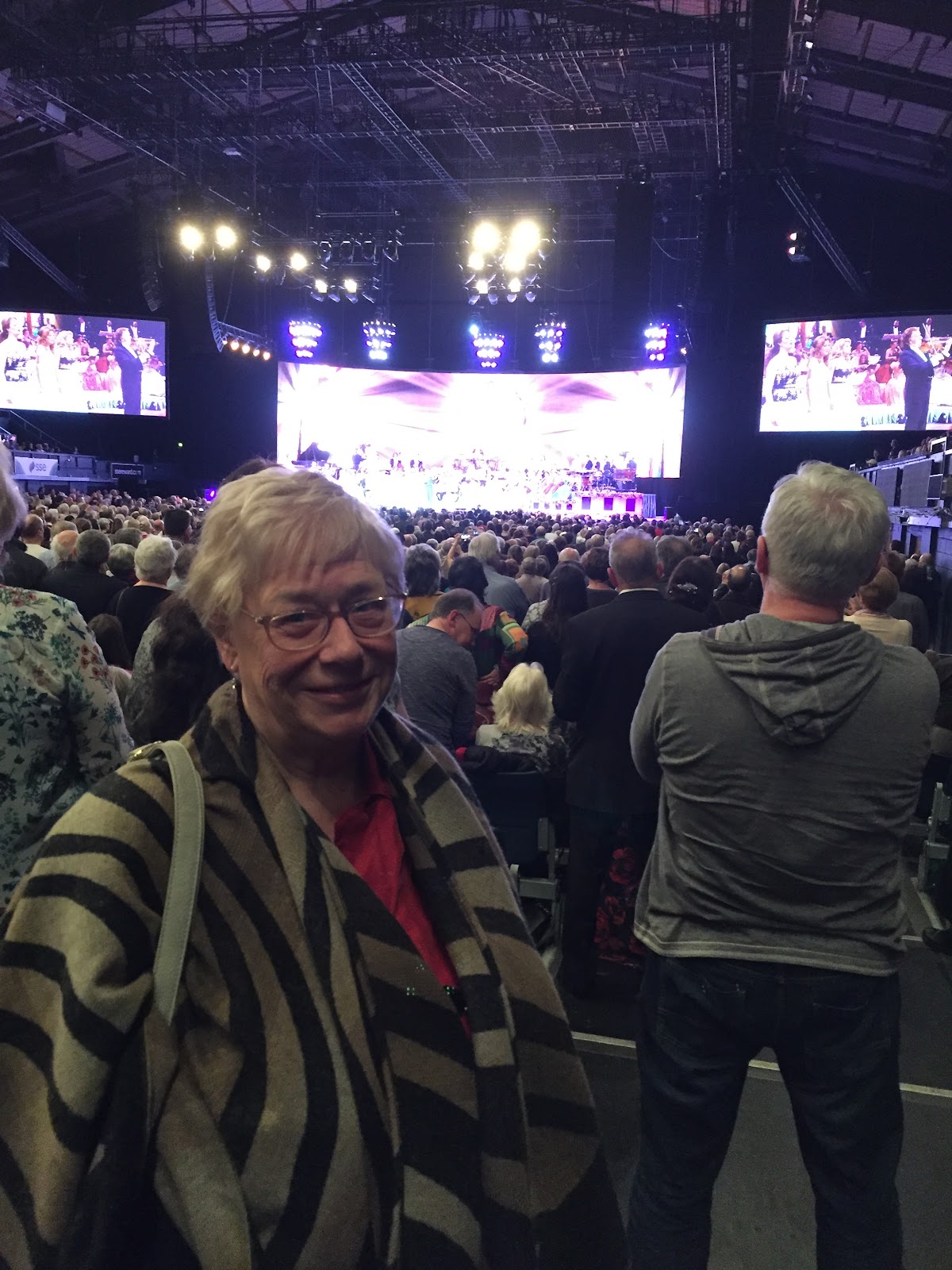
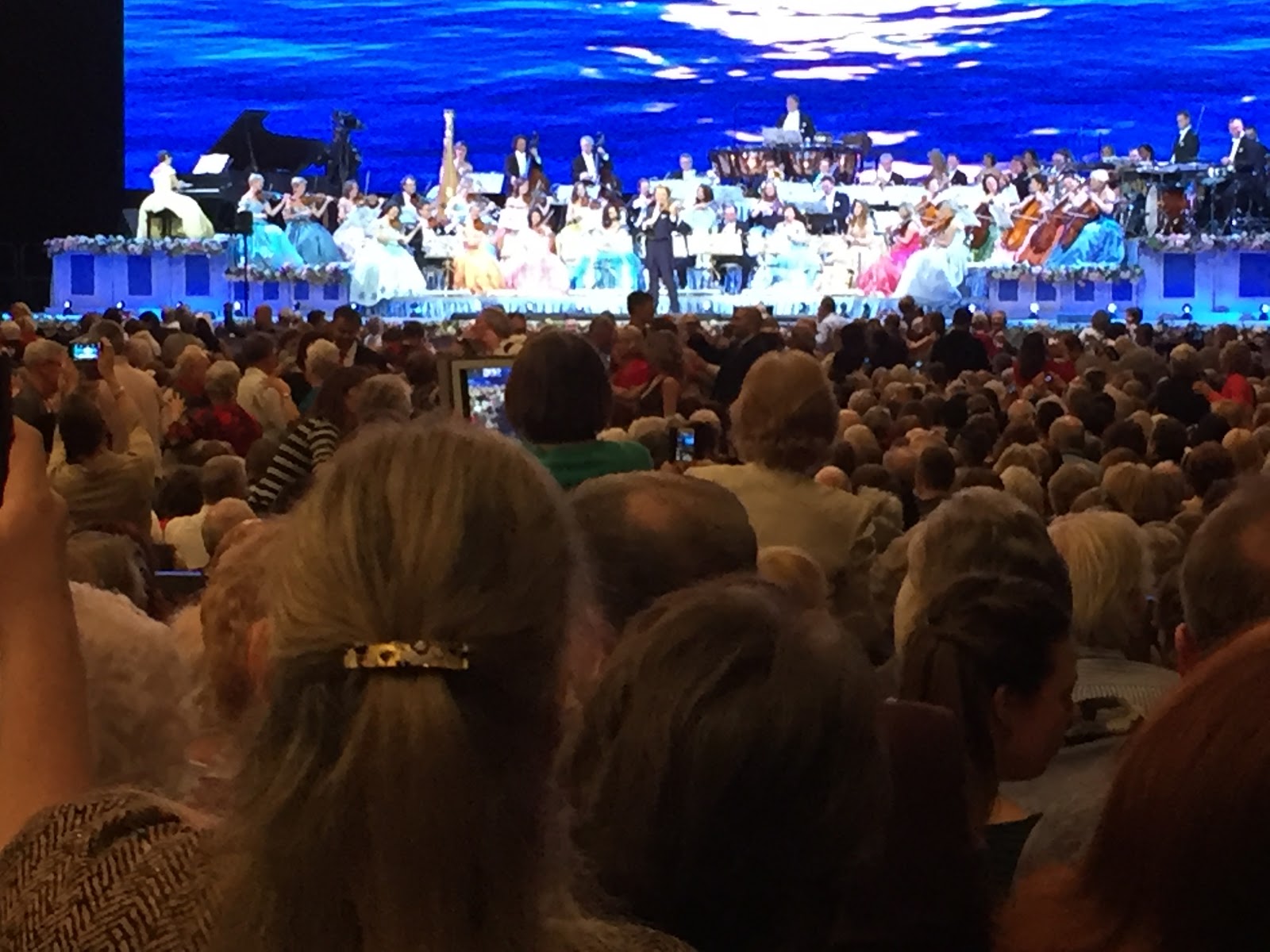
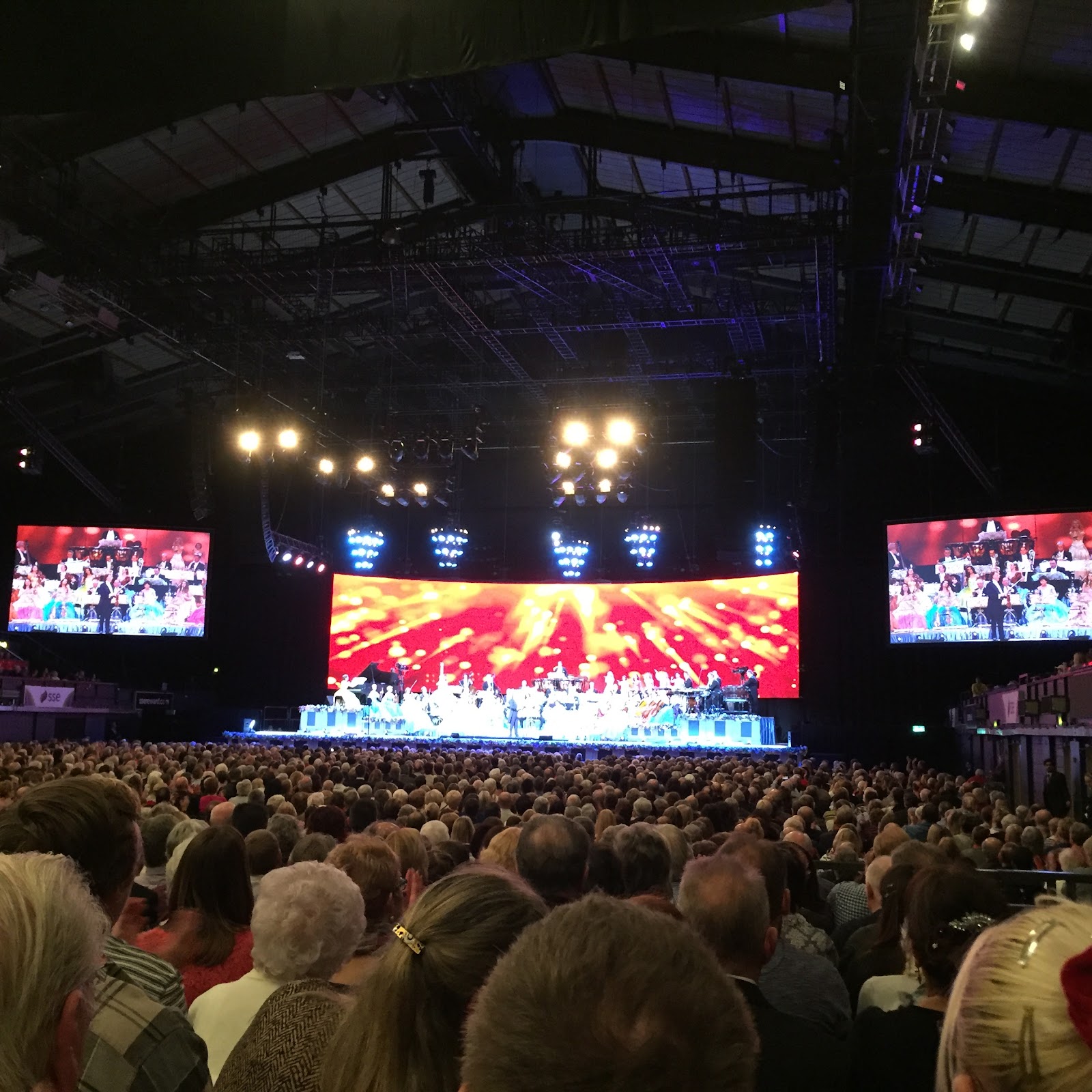
  These photographs bring back a lovely memory of a time in March 2017 when we attended a wonderful concert performance by Andre Rieu and his wonderful orchestra. I can’t help thinking that these days are over now for the foreseeable future.


    I remember we entered the crowded arena, where our bags were screened and we joined a throng of people attempting to locate their seats. I must admit there was order in the chaos and the security people were very helpful in locating our seats, we were soon seated comfortably awaiting the show to begin.


    A spectacular colourful musical extravaganza followed, featuring the orchestra, a female choir, three tenors and three diva sopranos. This was professionally overseen and put together by Andre Rieu, a showman and a character supreme. The female musicians in full length colourful ball gowns and the smartly dressed male members of the orchestra made for wonderful entertainment. They all seemed to be enjoying the experience enormously, which added a wonderful flavour to our evening’s entertainment. 


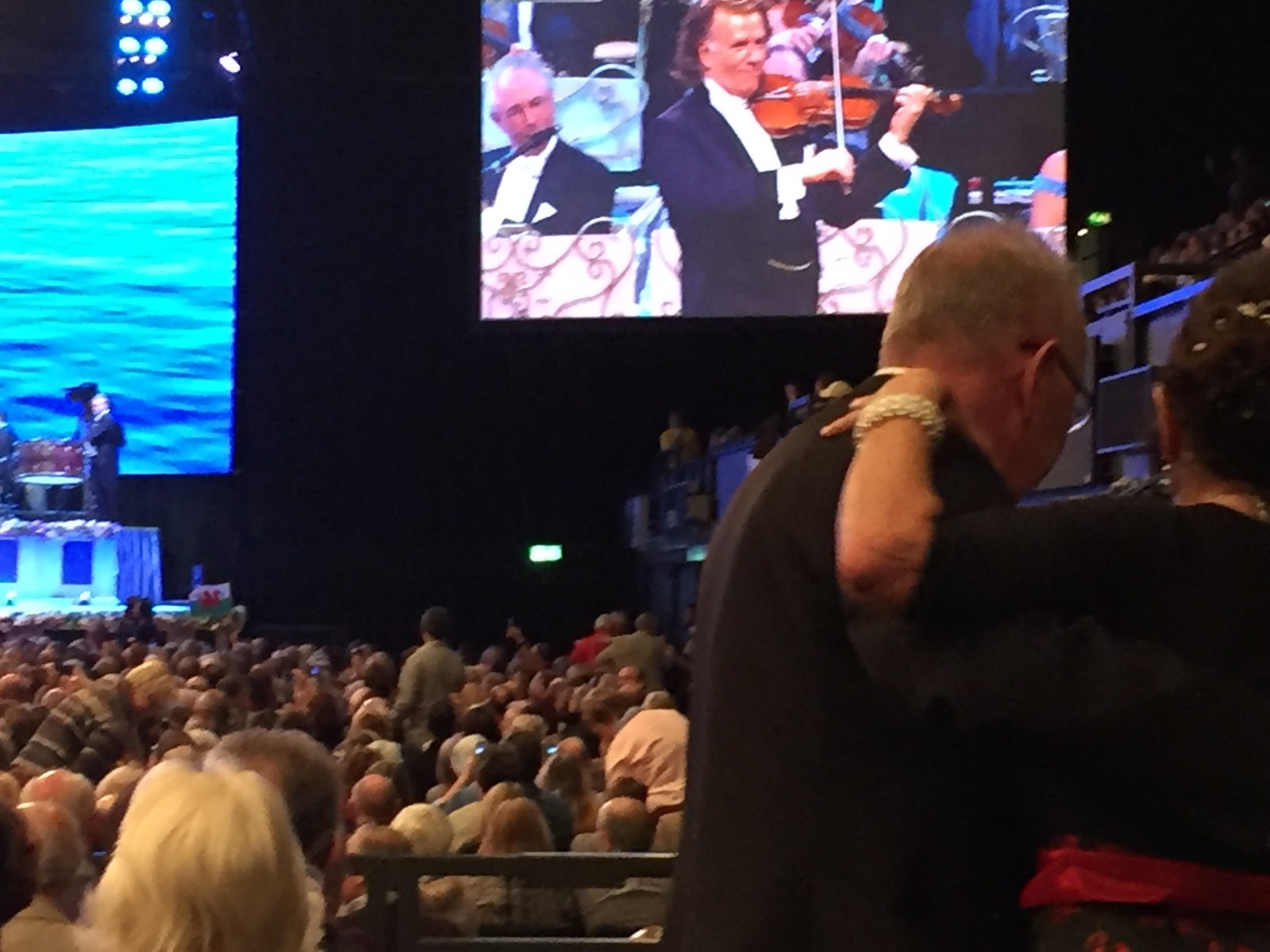
 Then the stunning scenery and dramatic effects added to the occasion and brought out the wonderful timeless music. The audience were invited to dance in the aisles and sing to the popular strains of well known songs.


 The show seemed to go on forever, with encore after encore. People were dancing in the aisles and still singing to the music, as the security people were trying to establish order and safety.


 I have to look back on these unrepeatable photographs and think how sad it is, we will probably never again feel the unabandoned exhilaration of being a part of thousands of people crammed together just enjoying a musical extravaganza such as this. 

 Life for everyone has changed out of all recognition since the arrival of the Covid19, Coronavirus pandemic. Some changes will be permanent. Although the current social distancing measures will certainly be eased in the future, I doubt if the memory of the ease of this sort of disease transmission will ever be forgotten and crowded arenas such as the one shown in these photographs will surely be a thing of the past.

 © Written by John Yeo ~ All rights reserved


REALITY STRIKES HARD

,

Emergency overcome! ❤️

by John Yeo

Life goes by like lightning as the happy years unfurl and seem to drift by at the speed of light. The cruising holiday went well, we toured around some popular ports around the Mediterranean Sea. The food was plentiful and available in many forms.
The carefree consumption of many high fat, high risk food didn’t concern me. I have always been an extremely fit man, indulging in some healthy exercise on my allotment, in our garden and on the club bowling green. With an always optimistic outlook on life I was sure I would contentedly go on forever.

We were at our Bowls Club when the first signs of something untoward occurred, although I suspect the signs and warnings were already there, silent and unrecognised.
I stood at the edge of the bowling green where I suddenly became aware of a strange pain in my chest. I immediately sat down and began to take some deep breaths, I suspected I was suffering from a bout of indigestion. My wife Margaret, asked if I was alright and I nodded and said,

“Don’t worry, I have a funny pain, probably just a touch of indigestion.”
I took a drink of water and after a few minutes the pain seemed to disappear.

We played a great game of bowls together, we were drawn to play on the same side and we gave each other the support we needed to win the match.

We returned home and enjoyed a super-tasty chicken meal, prepared by Margaret. After an evening spent watching television we went to bed.

At 01.30, I woke with a pain in my chest and neck, about ten times worse than the pain I had suffered at the Bowls Club. Margaret woke and became concerned,
“Do you have pain radiating down your arm?”

“No!” I replied. “just a funny pain in my chest and my neck.”

Margaret then decided to immediately telephone 111; NHS Choices.
Margaret spoke to an efficient operator, who advised I take 4 Aspirin, chewing them as opposed to swallowing them for a faster effect. The operator then telephoned for an ambulance.
A paramedic arrived within 10 minutes closely followed by an emergency ambulance. My pulse was taken, my blood pressure was measured and an ECG was done which proved to be slightly abnormal.
The ambulance personnel then informed me I would have to go to the Norfolk and Norwich hospital for further tests. Margaret decided to drive herself to the hospital to give me some support.
On the way to hospital, I had a further four ECG readings which were still showing an abnormal reading, with many other tests. The young lady paramedic was polite and caring and extremely efficient, as she filled in her forms collating the readings and information.

The ambulance arrived at the A&E department, where I was subjected to a barrage of further tests and several blood samples were taken for analysis in the lab. I waited on a trolley for around half an hour before Margaret arrived, bringing several things for me in case I was admitted to hospital. I was really happy to see her.
After about another half an hour doctor arrived and said,

“You have had a heart attack, we are waiting for some results of blood tests from the lab. I am afraid you will have to stay in hospital for a few days.”

The doctor then turned to Margaret and said she should go home and sleep as things may take a while from here.

An hour later, after a further chat with the Doctor,
I found myself in bed, in the male admissions assessment ward. This was an experience that I will remember for a long time to come. I was shown to a bed next to a window, with a pleasant view of the greenery in the hospital grounds.

Copyright © written by John Yeo ~ All rights reserved.

VOLUNTEERS

VOLUNTEERS


by John Yeo

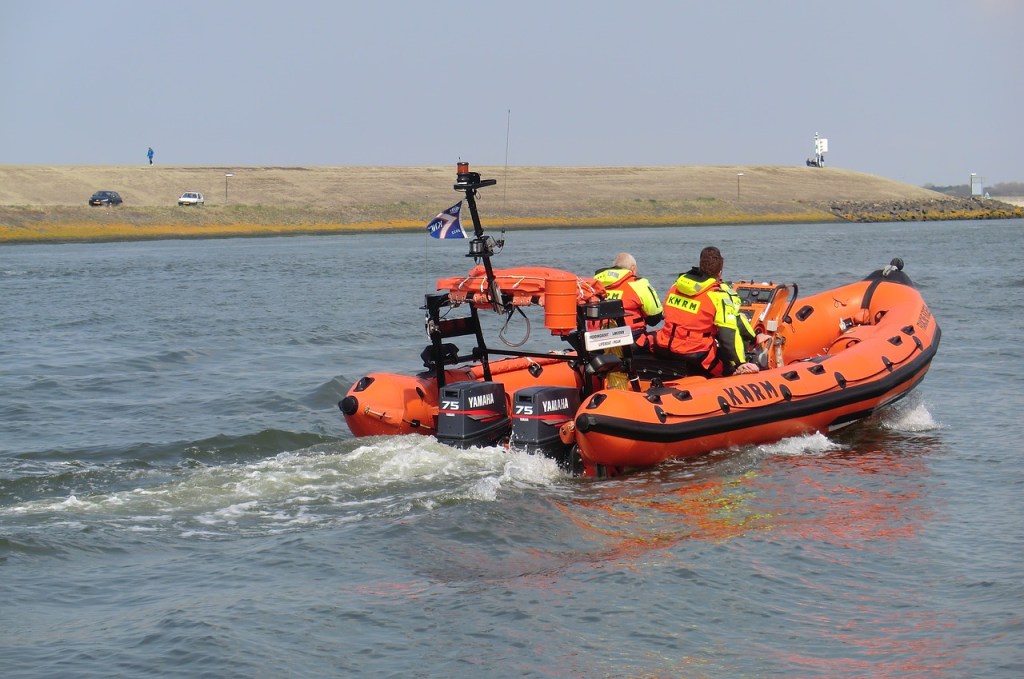
It’s a sunny day in the popular seaside resort. Michael is constructing a garden shed for a customer of his DIY store, when his pager goes off. He scans the device briefly then turns and starts running. His colleagues are not surprised. They’re used to it. Within minutes he arrives at the local lifeboat station on the southeast coast. Soon he and the rest of the crew are at sea, powering towards the rocky cliffs, where two swimmers are trapped against the rocks by a heavy swell.
It’s a tricky operation to steer the rigid inflatable boat close enough without it being smashed against the rocks. The team have to bring it in quickly then hover, balancing carefully at 90 degrees to the swell. The crew hoist one man out and manoeuvre the boat round for the other man before turning for home. With both men delivered safely to the emergency services, the lifeboat is rehoused, washed and prepared for the next incident. Within hours Michael is back at the store.
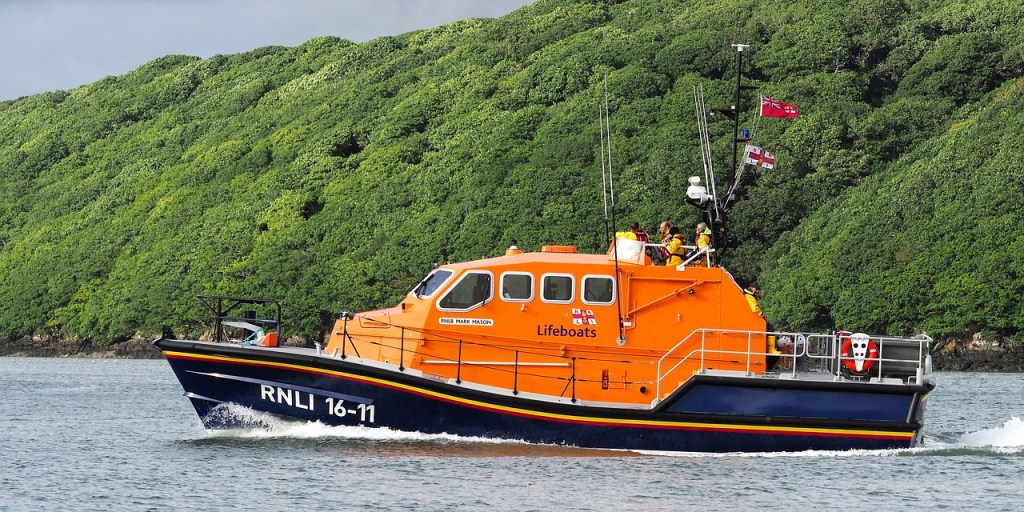
This is just a solitary incident in the life of an unpaid ordinary member of the public who devote their time and efforts to saving lives at sea.
Imagine for a moment that you’re part of the crew on a lifeboat. It’s 2.30am on a freezing January morning and the pager’s just woken you from a deep sleep in a snug warm bed. You then head out to sea in complete darkness and 10m waves rise and fall around you, ready to swamp you at any moment. Strong gale force winds throw the lifeboat around like a toy.
Most lifeboat crew members are volunteers, ordinary people who simply and selflessly want to save lives at sea. When the pagers go off, they drop everything and are regularly called away from their families, their beds and their work, 24 hours a day, 365 days a year.
A donation to to the RNLI, is always money well-spent, to enable this important rescue work to continue.

© Written by John Yeo ~ All rights reserved

I wrote this post for ‘The Quintet’ our church magazine in response to the theme of…VOLUNTEERS