The seas were extremely rough on a day our vessel was moored in the picturesque port of La Gomera, one of the Canary Islands.
We were unable to proceed with our journey, due to high winds and rough waters, our Captain decided that caution was the best way forward. The Captain made an announcement informing everyone that we would be staying in this port for the night and heading straight for the port of Funchal, Madeira, not making the planned stop at Santa Cruz, La Palma. Our estimated time of departure would be 06.30am tomorrow. The waves shook the ship from side to side and the sea swell was just too powerful to risk departure. The Captain had decided to stay put for the night, and await a window of opportunity before attempting to leave this very picturesque harbour. Although the powerful wind shook and buffeted the vessel, there was a bright deceptive sunshine beaming through the windows and the ship’s stabilisers did their job. We were quite comfortable on board and I settled down and wrote a poem.
There was a round of applause the next morning when the Captain announced over the tannoy speaker system, he was about to attempt to turn our ship and leave Gomera harbour. There was a moment of silence and general relief as the ship slowly turned and pulled away from the dockside then headed out to the open sea.
‘La Gomera, the second-smallest of the main islands in Spain’s Canary Island chain, is marked by craggy volcanic mountains crisscrossed with hiking trails. In higher altitudes, dense forests of ferns and moss-covered trees grow in the mists of Garajonay National Park. The upper reaches of this densely wooded region are almost permanently shrouded in clouds and mist, and as a result are covered in lush and diverse vegetation: they form the protected environment of Spain’s Garajonay National Park, which was declared a UNESCO World Heritage Site in 1986. The slopes are criss-crossed by paths that present varying levels of difficulty to visitors, and stunning views to seasoned hikers. The central mountains catch the moisture from the trade wind clouds and yield a dense jungle climate in the cooler air, which contrasts with the warmer, sun-baked cliffs near sea level. Between these extremes one finds a fascinating gamut of microclimates; for centuries, the inhabitants of La Gomera have farmed the lower levels by channelling runoff water to irrigate their vineyards, orchards and banana groves.’
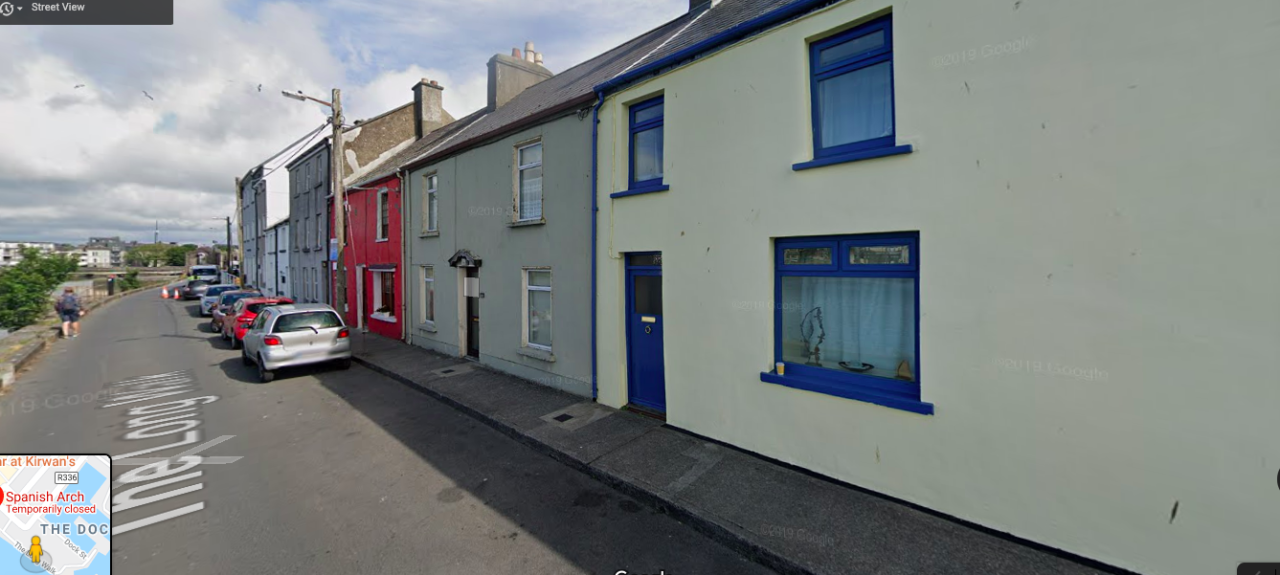
The Pirate Queen Grace O’Malley, was perturbed as her ship pulled away from Clare Island. The plan was to sail to England and plead for mercy from Queen Elizabeth. There were just two major hurdles to climb. Her two piratical rivals Drake and Raleigh were reported to be at court. Granuaile, as she was popularly known, had encountered both of these pirate seafarers on the high seas and there was no love lost between them. The ship was first scheduled to visit Galway harbour to stock supplies. Granuaile and her bosun Patrick met with some fellow seafarers in a hostelry near the Spanish Arch. It was here she received a message from Queen Elizabeth’s spymaster, Walsingham, warning her not to attempt a meeting at this time as her two infamous rivals knew her plans and were waiting. However, the message clearly inferred she would be received by the Queen.
Word count: 149. Written for this week’s What Pegman Saw writing challenge. Every week, Pegman takes us to a new place on Google maps, and we get to search around for whatever sights catch our fancy.
This week Pegman takes us to Galway, Ireland.
Connemara Galway Folklore and Legend Connemara’s bleak and beautiful landscape and strong tradition of storytelling have given rise to fantastic superstitions, folklore and legends which were passed down through the generations in tales told by a winter fire. The most legendary of these surely Granuaile or Grace O’Malley, a fiery 16th-century pirate queen. She married Connemara man, Donall O’Flaherty, one of the ferocious O’Flaherty clan members, and they lived for a number of years at Bunowen near Ballyconneely. Renowned for her bravery, wrath and lawlessness, she became the scourge of any English ship that dared to sail her waters. Confident to the last she reputedly sailed to London to meet Elizabeth I, secure a pardon for her wayward son and a pension for herself.
I thought I would indulge in some flash fiction today.
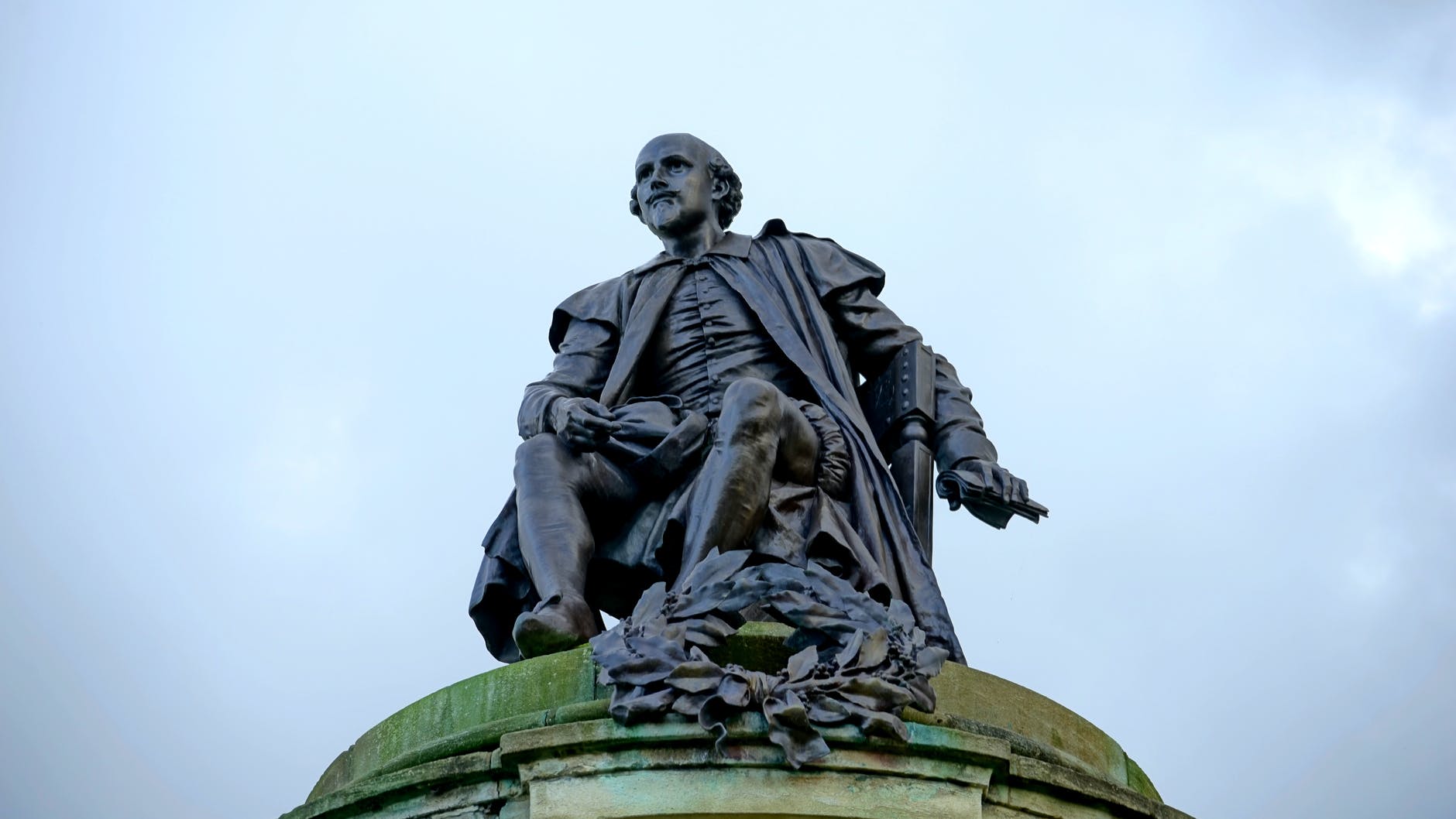
The photograph is a picture I snapped in a theatre Margaret and I visited in Stratford-upon-Avon, five years ago. The bust that is central to this display is of course the immortal bard surrounded by colourful costumes. There is a small fountain tinkling away in the foreground giving some wonderful atmospheric sound effects.
Supposing, just supposing, the great playwright came back to life and applied to act the leading role in a production of one of his plays.
AUTHENTIC ARGUMENT
by John Yeo
A letter received by a would-be Hamlet.
THE AUTHENTIC SHAKESPEARE COMPANY
Stratford-Upon-Avon.
Dear Sir.
We are pleased to inform you that your application to play Hamlet in our current production has been successful. In view of your extensive past experience of playing this role, and the excellent performance you treated us to at the interview. Please report to the director at the theatre next Wednesday morning, where you will meet the rest of the cast.
Yours faithfully,
Jonathon Milton
~~~~~~
Wednesday at the Authentic theatre
‘Hello Luvvies, wonderful to meet you all, I am here to replace your leading man, I hear he is not very well, I’m sorry to hear that. I’m William! I understand if we have a successful informal rehearsal first, then we can have a full dress rehearsal this afternoon.’
‘That’s right William, Grab a stool and start following the lines when we begin. You were very impressive during the interview, everyone was amazed at the way you read your lines from memory. Although there were a few anomalies and variations from the script. Nothing we can’t iron out though. After all, we don’t want to change the words of the immortal bard.’
Later in the pub, the talk is all about the wonderful, trouble free rehearsal of the morning and the full dress rehearsal to follow, this afternoon.
‘William please have another good home brewed stout! Sorry they don’t serve sack here, perhaps if we ask them to order some especially for you, then you can enjoy it while you are working here!’
‘Fine thanks! I won’t have another drink now. If I drink too much then I will be heady this afternoon.’ Replied William.
Back at the theatre, William is shown to the star’s dressing room. ‘Here are your costumes made to an authentic Elizabethan design. Good job you are the same build as our previous leading man. The makeup artist will be along shortly.’
‘WHAT! I was under the impression this was an authentic production. You have even altered the original words out of all recognition. I know the author, William Shakespeare would never have applied modern day makeup. I am not a circus clown man! I would like to see the Director.’ Shouted William irritability. ‘Get him at once!’
‘Yes Sir!’ said the stage hand.
The Director arrived and was stunned to hear about this turn of events.
William shouted at him, before he could open his mouth. “If I’m expected to mouth incomplete sentences and words that have been subtly altered, then to have this muck applied to my face, then I refuse to play the part. It’s bad enough that the original play has been altered forever over the centuries.’
The Director scratched his head and firmly replied, ‘Are you mad? This play is a word-for-word adaptation from the Folger library, based on the First Folios. Now I suggest you get your coat and clear off back to where you came from!’
William was taken aback by this attitude and as he was putting his coat on he shouted, ‘I will refer this non-authenticity to the trades description department of the Lord Chancellor’s Office.’
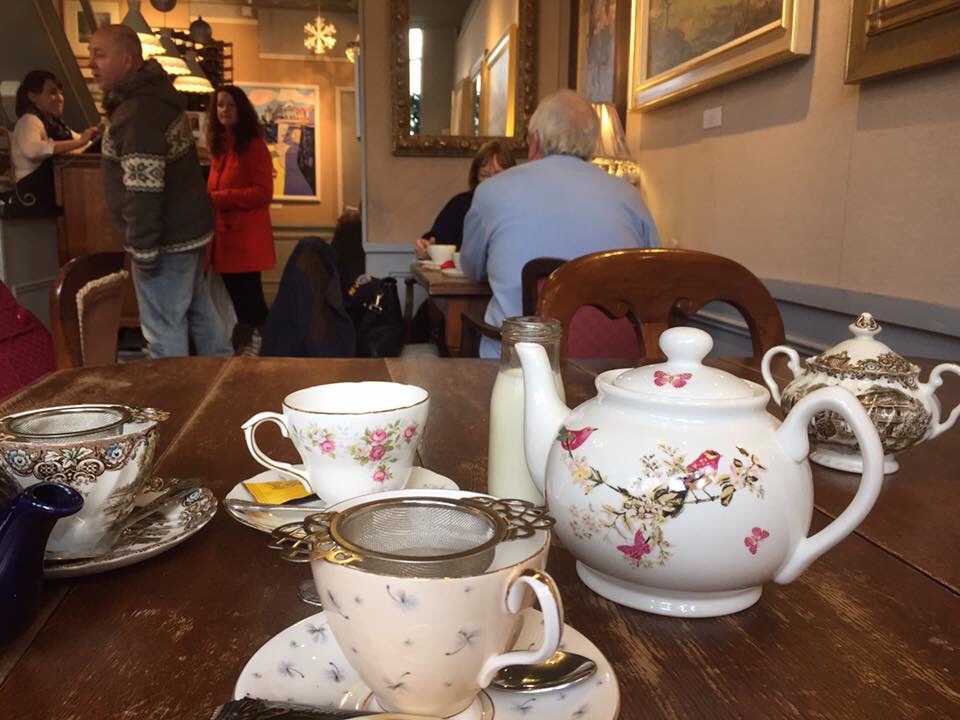
I thought I would display a photograph of a varied bone china tea set that we were served with, in a delightful little tea shop In
town. We love the authenticity of drinking tea from bone china.
The presence of a tea strainer suggests there are authentic tea leaves in the pot. This is another aspect of the ritual having tea that has sadly gone to the dogs with the universal introduction of tea bags.
Looking closely at the tea set, it becomes clear that not one of the pieces actually match. They are obviously a mismatch of various tea sets that have been put together randomly. I love the teapotwith the birds and butterflies, this was probably from an expensive tea set that suffered breakages of individual pieces over the years and it now lives with the remains of several other tea sets. I wonder if the proprietors of this tea shop rescued these individual pieces from charity shops and jumble sales.
I hesitate to think how many people have enjoyed afternoon tea from these separate pieces over the years and under what circumstances. There must be a thousand gallons of water and washing up liquid and gallons of tea that have passed through and gently caressed the delicate surfaces. Every cup tells a story.
A prompt response to the weekly Friday prompt from ‘What the Pegman Saw.’ A weekly writing prompt to write a story in 150 words based on a different photograph from Google maps.
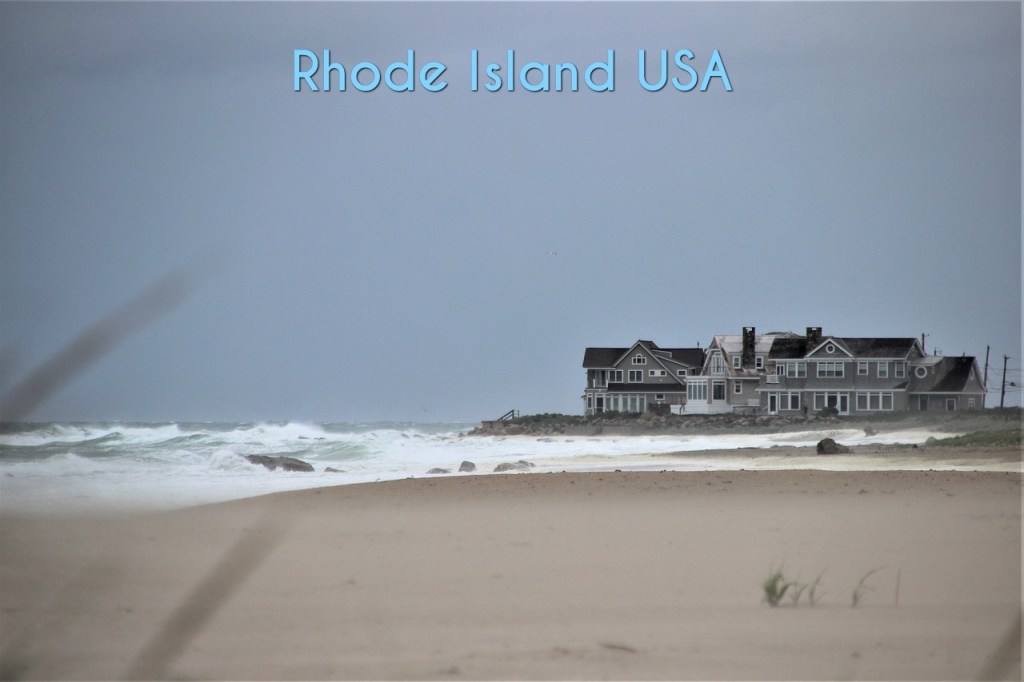
Joey was acting as a gambler, a man who would bet on anything that moved or resulted in a half predictable result. Joey had met a man in a bar in downtown Providence. Clarke Ball was an avid entrepreneur who was heavily involved in the cruel sport of cockfighting. A deal was in the offing. Clarke was pushing Joey to buy a Rhode Island Red cockerel.
‘You can’t go wrong with this local bird, you put the money up and we split the winnings. Of course you, as the owner will take most, I’ll handle the arrangements for a small percentage.’
Later the two men met on the outskirts of town, Clarke pulled a box off his van. Joey took one look, then turned to his new friend and pulled out his police ID.
‘I’m arresting you for promoting illegal cockfighting.’
People are passing away here
The graphs tell a frightening story
The media screams in mortal dread
When a lockdown becomes mandatory.
This new deadly virus spreads rapidly
Infecting the populace everywhere
The daily toll mounts, life is cheap now
Our prospects are extremely unclear.
My determination for living today,
Rests firmly in the here and now,
Margaret, will always be my best friend
With me sharing every step of the way.
We face the rigours of age and decay
With no other weapons but our faith.
Faith that my wife and I will survive
And overcome anything in our way.
Our families touch our lives always
Entwined and part of us both.
As we face this pandemic together
With love and acceptance to all.
My soulmate and I came together,
We built our lives with tender care.
I look for her and knowingly smile
Whenever I turn round she’s there.
This new deadly virus spreads rapidly
Infecting the populace everywhere
The daily toll mounts, life is cheap now
Our prospects are extremely unclear.
We tackle this new plague together
Without regret, fear or despair.
We need no excuse for each other
Acceptance will always be here.
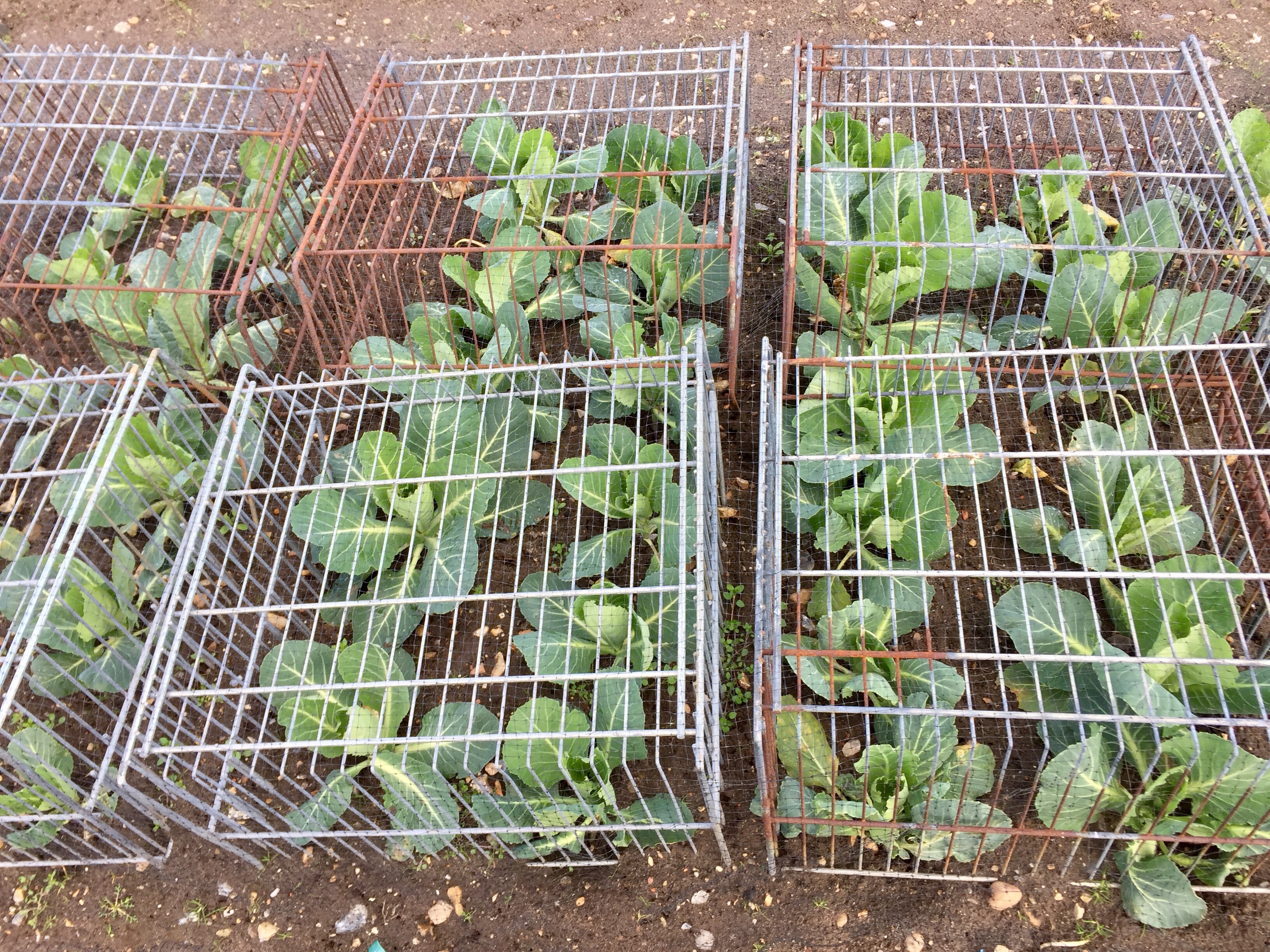
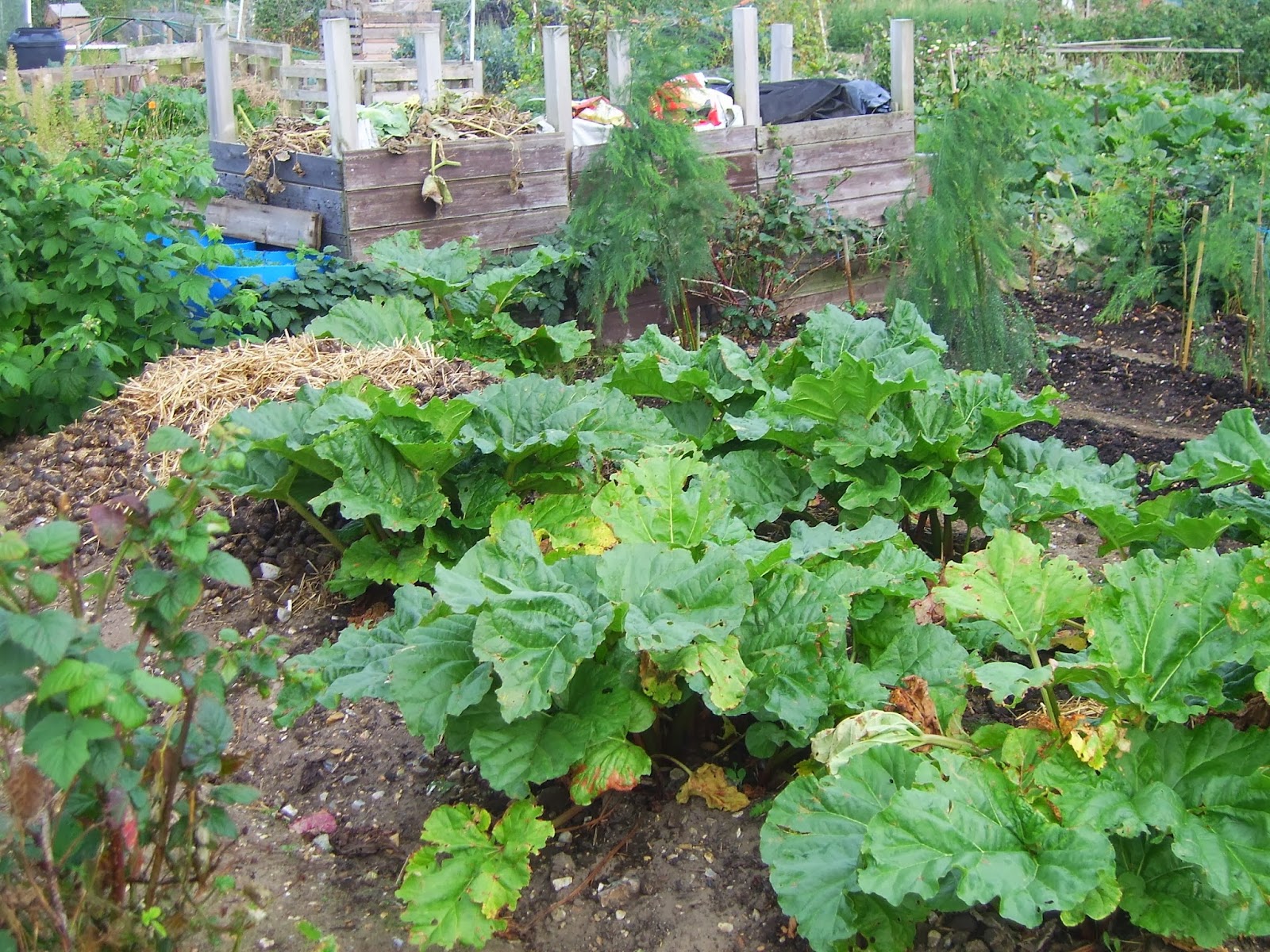
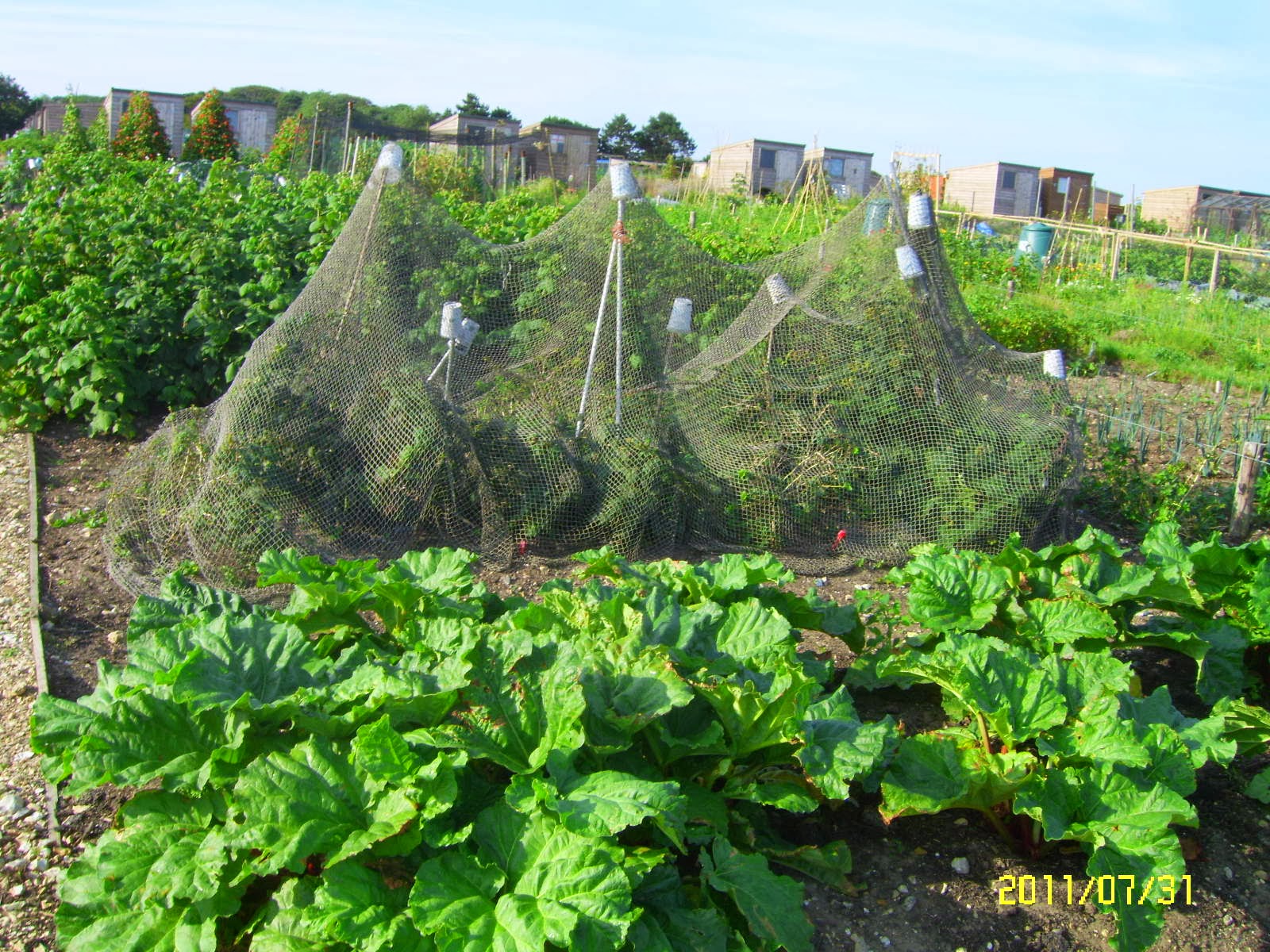
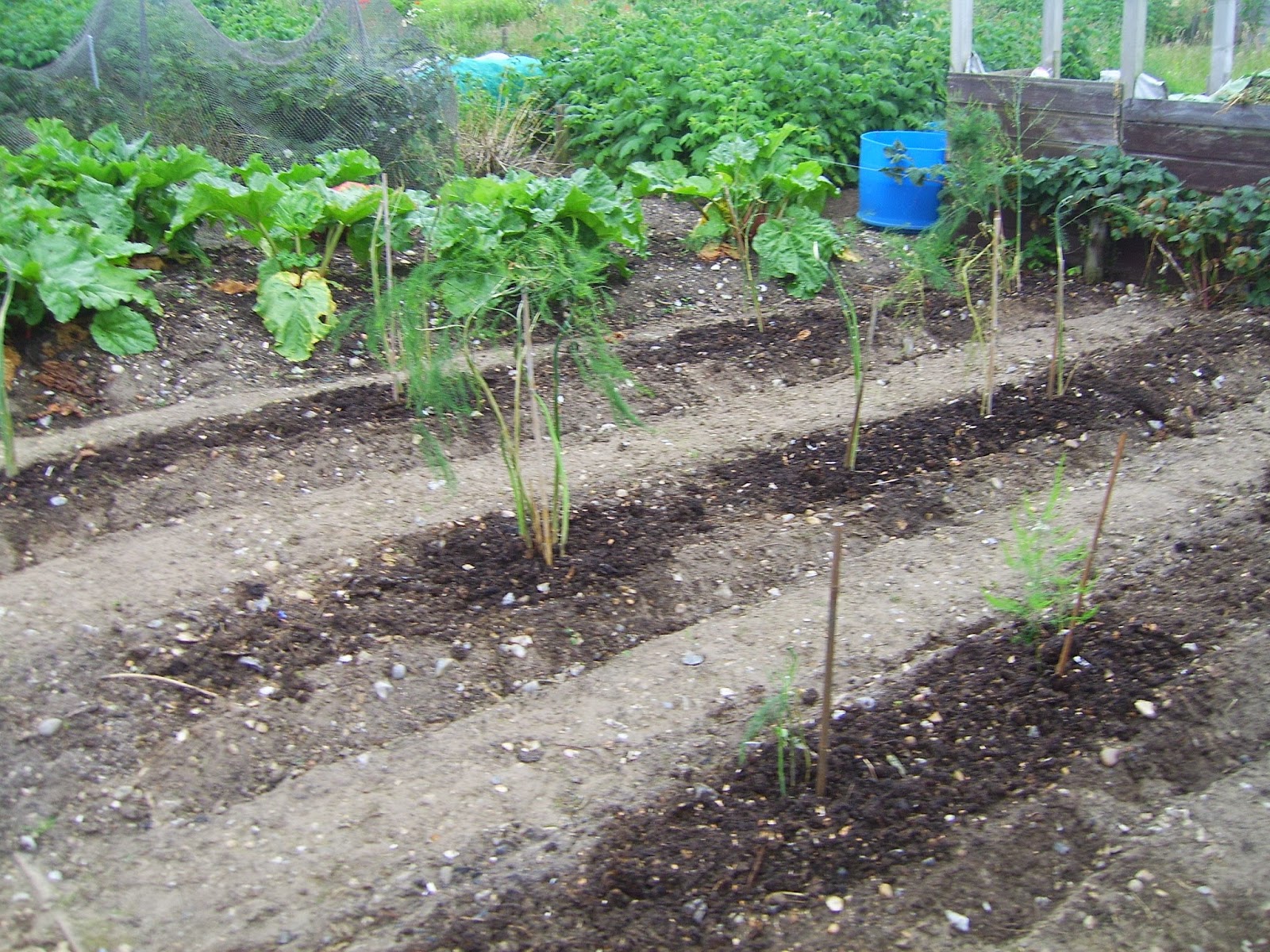
I was musing to myself whilst I was hard at work on the allotment today. How can an institution own a plant that was purchased by someone who had rented an allotment. I have grown and nurtured many plants on my allotment over the years, including perennial plants such as Rhubarb, Raspberry bushes, Gooseberry bushes and even my healthy Asparagus plants. These will grow on for many years to come, for example Asparagus is expected to last for 20 years.
One of my Rhubarb plants had sadly passed away. I can’t think of a reason why this should suddenly happen, the plant just suddenly shrivelled and died. I did grow some large Globe Artichokes quite close to this plant and I have a sneaking suspicion these may have been responsible for my wonderfully healthy Rhubarb plants early demise. Globe Artichokes are greedy feeders and they may have starved the Rhubarb of essential nourishment and moisture.
My wife is quite clever at making different types of Rhubarb crumble and several other tart, tasty Rhubarb dishes. I bought a couple of replacement plants from a local garden centre, but to my surprise, neither of them took to this position in the garden at all.
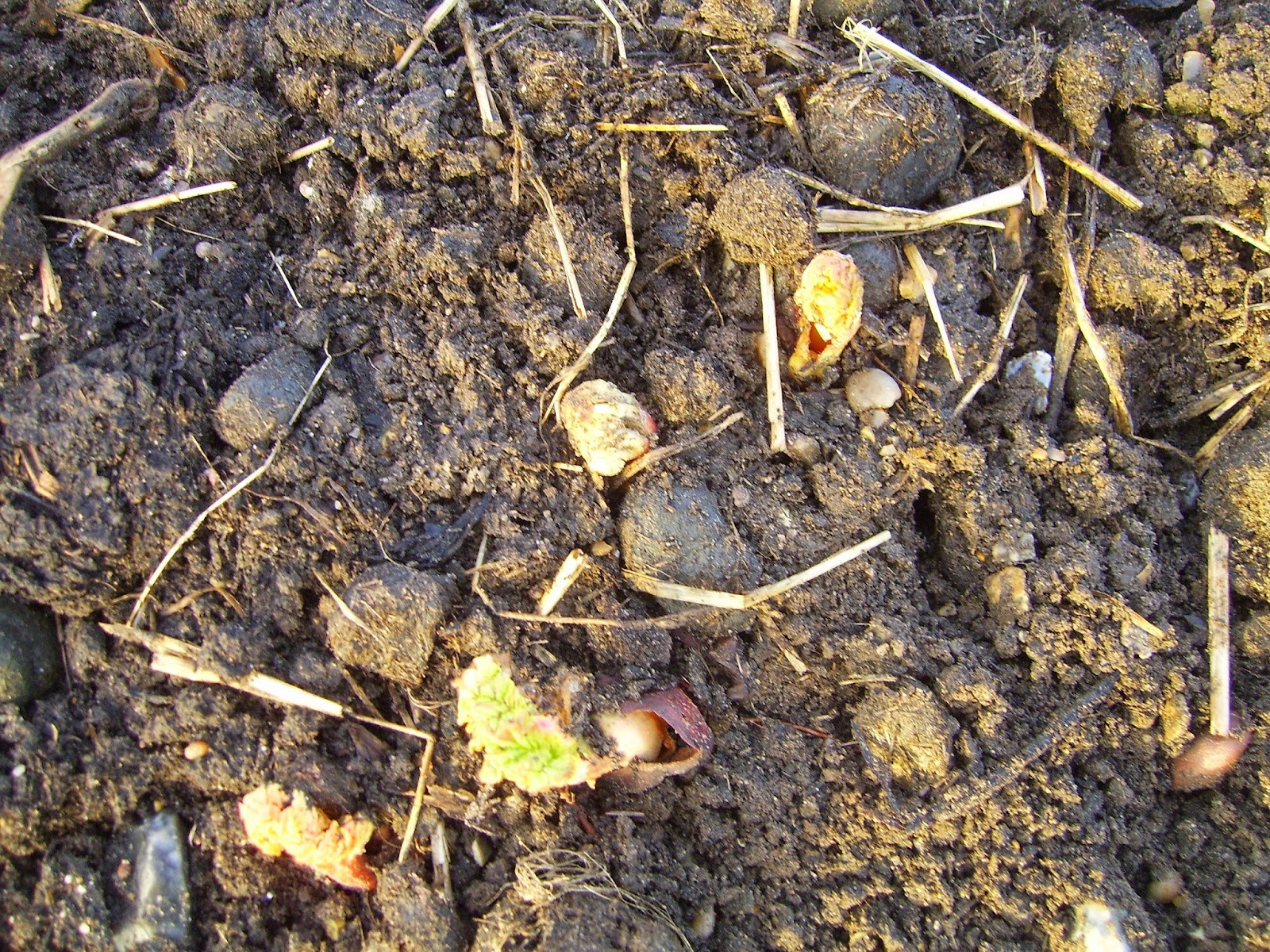
I think it must be some anomaly within the soil. I persevered and dug in copious amounts of fertiliser without any success. One of the two plants seemed to just give up the ghost and the other just about feebly stayed alive, but no edible stalks appeared. I put this down to the fact it was probably because it was the first year of growth and perhaps I was being a bit too impatient.
I remember ten years ago, a good friend of mine had some surplus Rhubarb plants and offered one to me, if I dug it up. I of course said, ‘Yes’. Then followed a strenuous couple of hours work as I began to tackle the job of digging up a well established Rhubarb plant. I never envisaged just how large and thick this Rhubarbs root system would be. It was like removing an Oak tree, by digging it up by the roots. Anyway perseverance made the day and I was left with this huge root. I then began the process of division, using a sharp spade to chop the root into sections. I was pleased to finish the job with six separate pieces of root that all grew into healthy plants quite quickly. Looking back, I think over the years, one of these sections had grown into the plant that had recently sadly died.
I noticed some extremely healthy Rhubarb plants growing on a nearby allotment, where the tenants had given up and moved on.
When I enquired whether it would be possible to retrieve one of these plants as nobody was obviously working on the allotment this year. I was informed that they had become the property of the landlord. However another friend donated a rooted Rhubarb plant that hopefully will go some way to rewarding us with a crop next year.


 THURSDAY 28th MAY 2020




 johnandmargaret1607