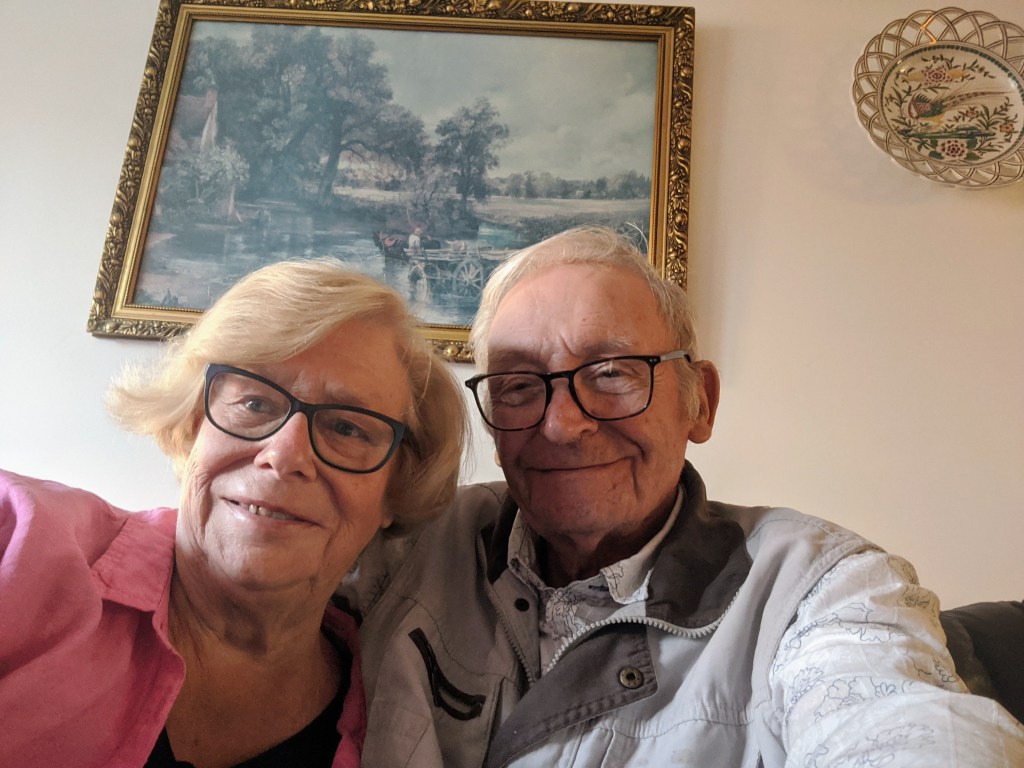
So far Margaret and I have come through this lockdown period extremely well, despite being confined together in our home for 24 hours a day. We have been quite happily following our separate pass-times and interests. My writing is keeping me occupied and Margaret has just taken some tentative steps to return to writing again, having set up her own independent website. We both love reading and we never differ about what programmes to watch on television. Above all, the secret of our lives together, lies in the fact that we actually like each other as people. Quite a good recipe for both of us, after we initially fell madly in love with each other and got married 15 years ago.
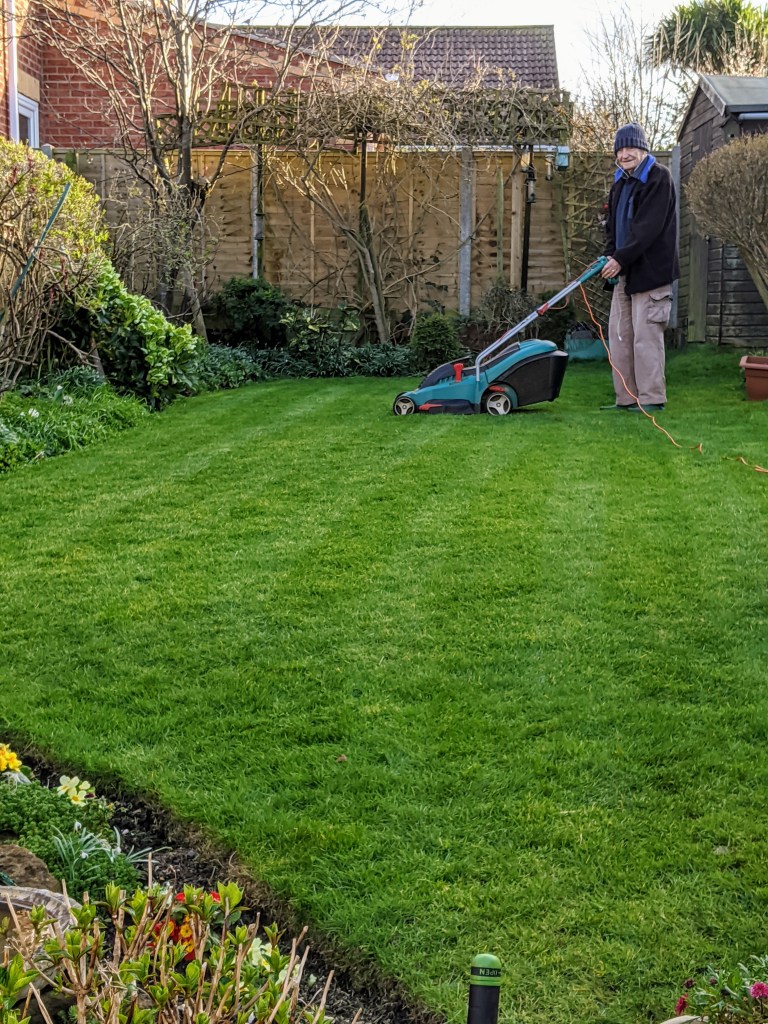
Sometimes the old aphorisms seem to contain more truth embedded in them than we realise at face value. I can see this even more now as we were thinking of taking a holiday in the near future. The lure of distant lands and exploring different shores and scenes is always strong. Excitedly the build-up and the preparations fill the mind with expectations of a change of scenery. New horizons beckon with the magic and the mystique of unknown cultures that one has barely had any contact with. Then in some of the quieter moments, between the pressure of the arrangements, uncomfortable feelings creep into the consciousness. A look through the kitchen window reveals the beauty of some Spring flowers still displaying beautiful colourful blooms in the garden. The lush green colour of our lawn, still fiercely full of growth and looking homely familiar and attractive
This brings to mind the very old aphorism.
‘The Grass is always Greener on the other Side of the Hill.’
In my experience this is never the case in reality. Often when one heads for distant parts the different climate has the habit of scorching the grass and the green rapidly becomes a dried up brown.
This is also very true of the living conditions for the residents in some of these tropical holiday destinations. From the shelter of the other side of the hill, that tropical paradise, beckoning invitingly on the surface, seems to reflect a real easy pace with a laid-back style of living. Sadly this is often not the case and the inhabitants are looking with longing to visit our homeland. There is a tremendous envy of our standard of living and our way of life, wherever we roam.
The warm sun reflected on the surface of a calm tropical sea with sandy beaches and palm trees, sometimes hides the tropical storms of unemployment, poverty and the hidden dangers that can rise to the surface without warning.
This brings to mind another very old aphorism.
‘There is no place Like Home.’
Yes! I think it is wonderful to travel abroad and see the world. That to me, makes the coming home all the sweeter.
When this lockdown, due to the Coronavirus pandemic is over, Margaret and I will probably become home-birds and think deeply and carefully before we make any future travel plans.
As an antidote to the horrors of this evil Coronavirus pandemic that is sweeping the country. I thought I would relive one of our journeys again.
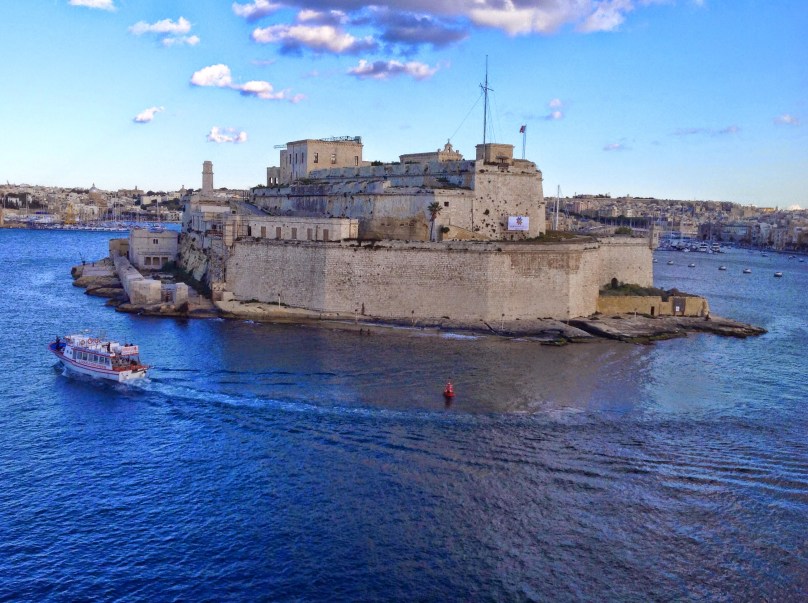
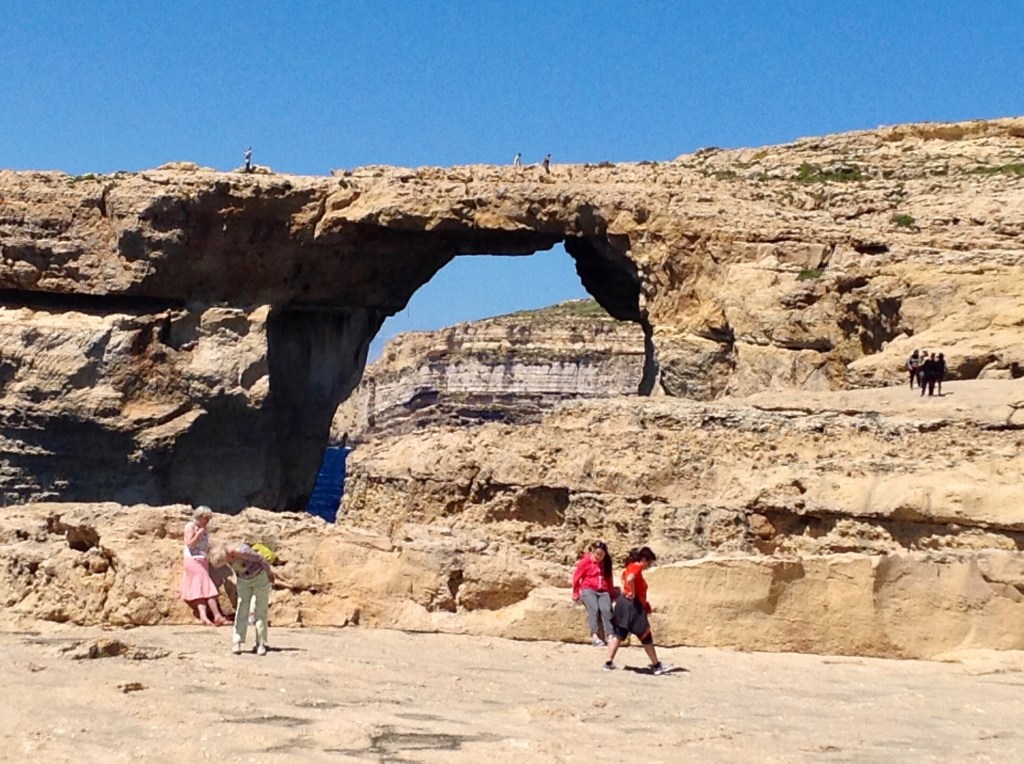
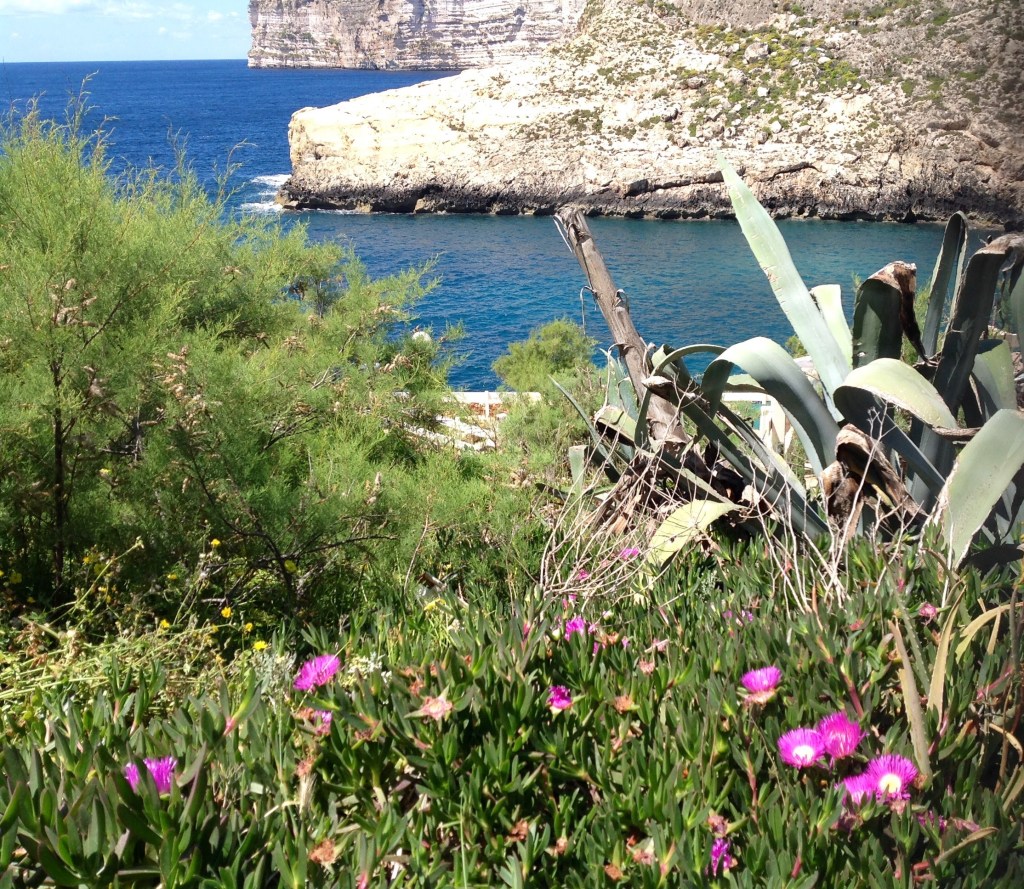
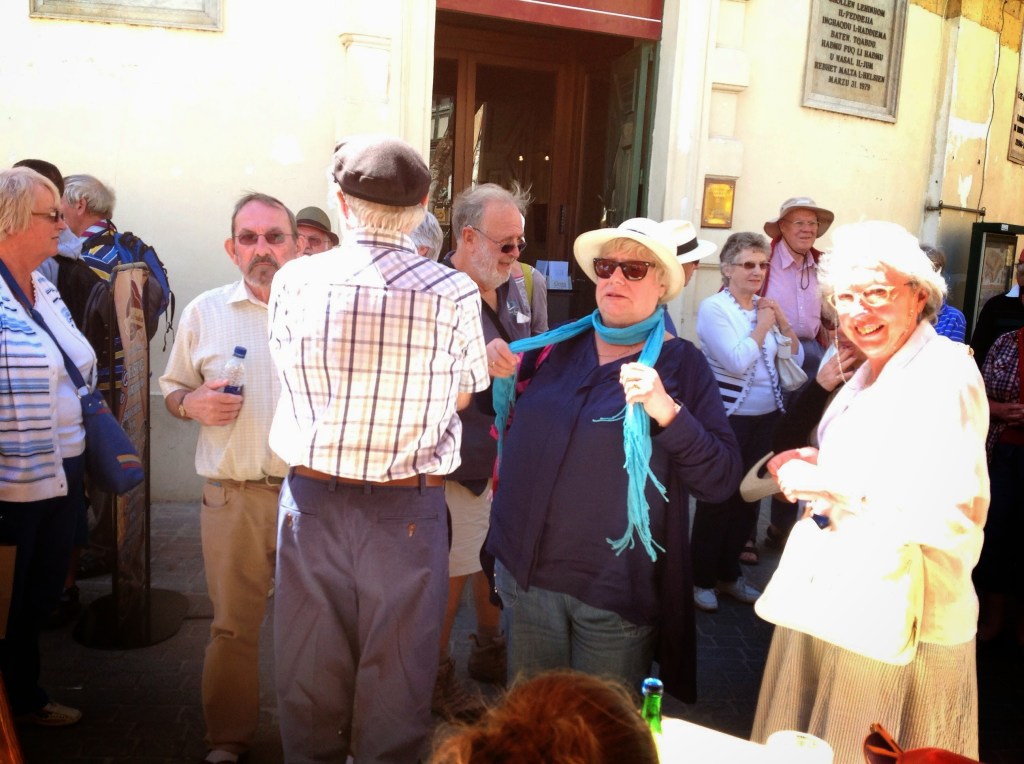
In April 2014, Margaret and I were on a sea cruise, aboard a Saga Cruise ship, one of the destinations we visited was Malta and the off-shore island of Gozo, on an organised excursion. We boarded a coach from our ship in the harbour, for a 40 minute drive to the ferry crossing, situated in the North of the Malta. Our tour guide was an informative, enthusiastic Maltese lady. As we crossed the island our guide gave us a wonderful running commentary of the history of the two islands. There is a third island that is almost uninhabited.
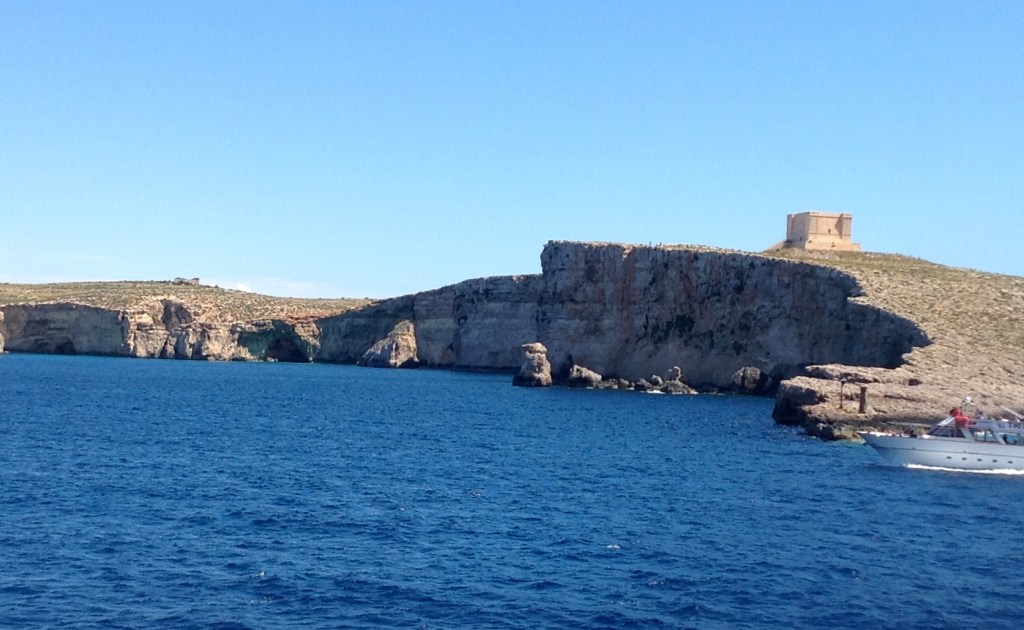
Malta is the business centre and the tourist destination of these small islands and is obviously a lot more built up and densely populated than Gozo. Most of the industry and the University is located in Malta and the inhabitants of Gozo commute by ferry to work and study, on a daily basis. There are some fortified stone towers spread over the island of Malta. These were used in the days before electronic communication to warn of approaching danger, a fire was lit and the warning spread from tower to tower.
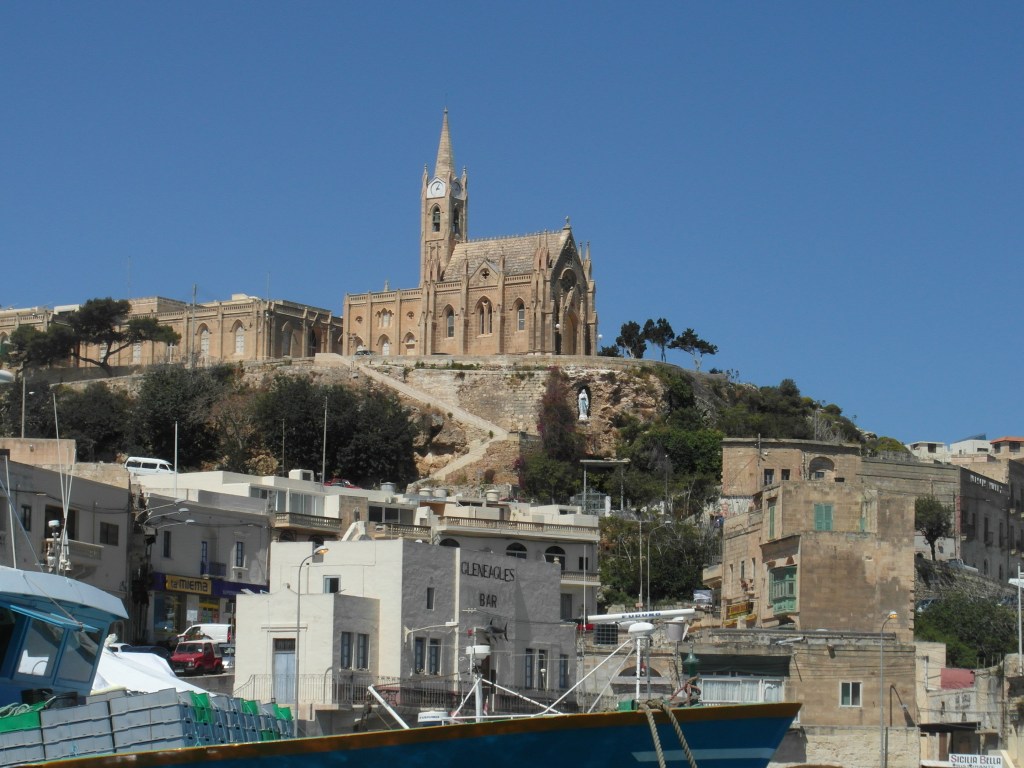
Malta is not as dependant on agriculture as Gozo and is more densely populated. We boarded a modern passenger ferry for the 20 minute, four mile crossing from Malta to Gozo. There is a wonderful large church overlooking the harbour of Gozo, with a large statue of the virgin Mary built into the rocks.
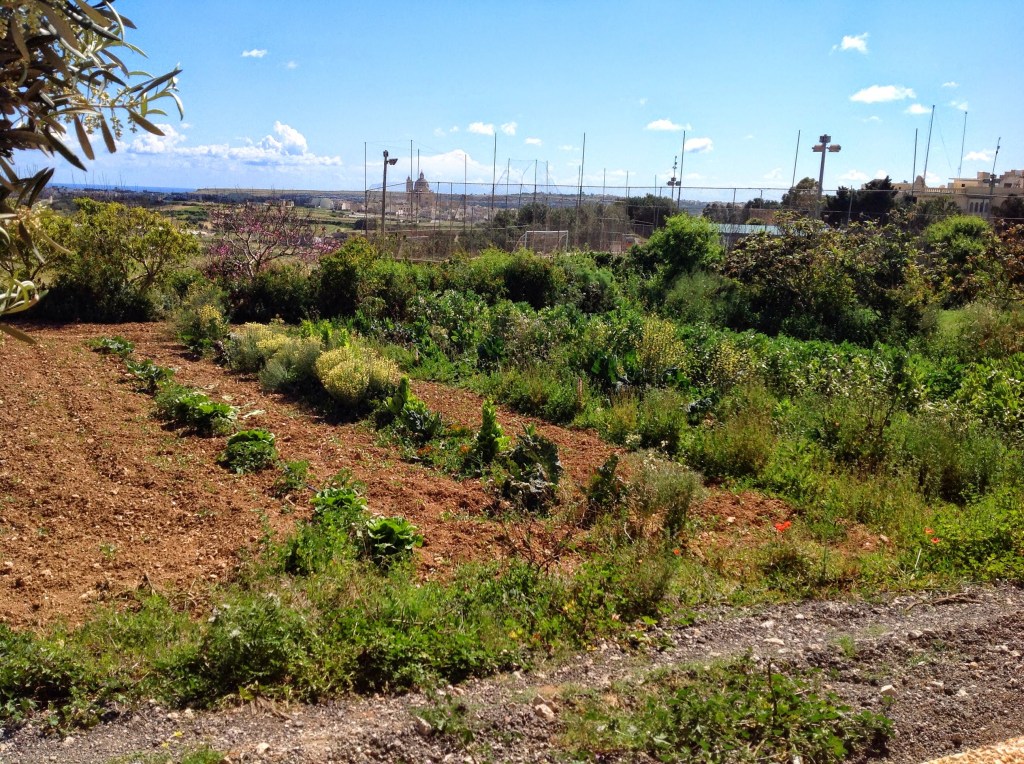
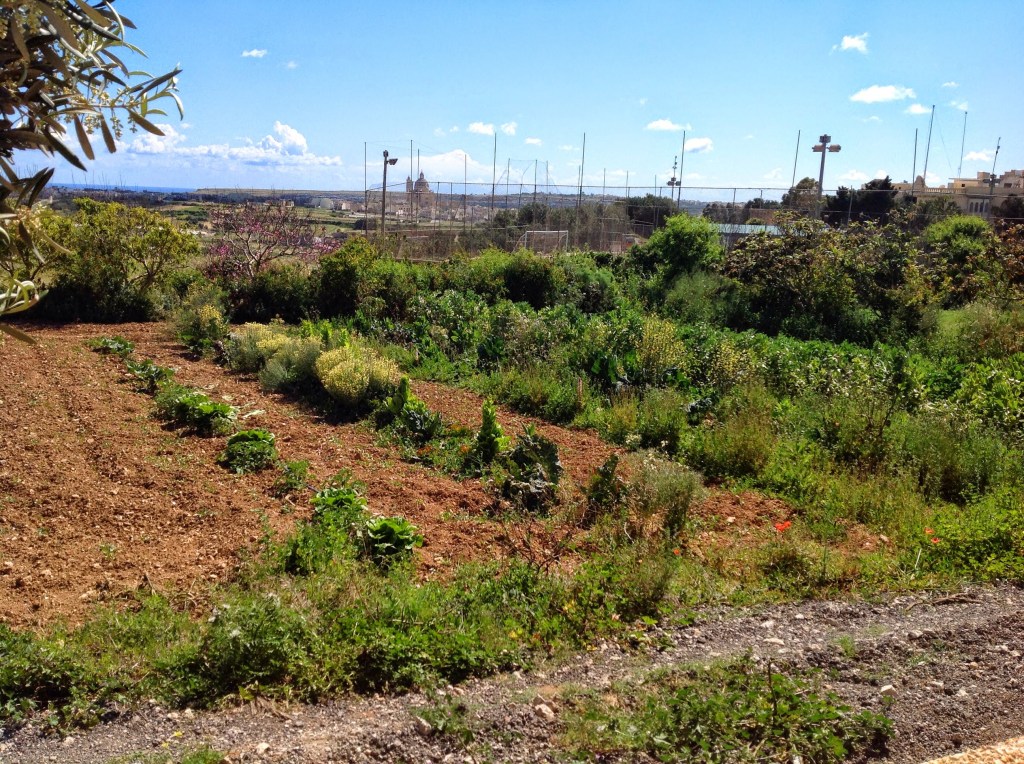
We boarded another coach for our whistle stop tour of the island of Gozo. The scenery on our drive through the island was mainly agricultural and beautiful. There are many small-holdings and the unique stepped method of culture is used everywhere, sadly the young workers commute to Malta to work and for their education and finding labour to work the land is becoming an increasingly difficult problem.
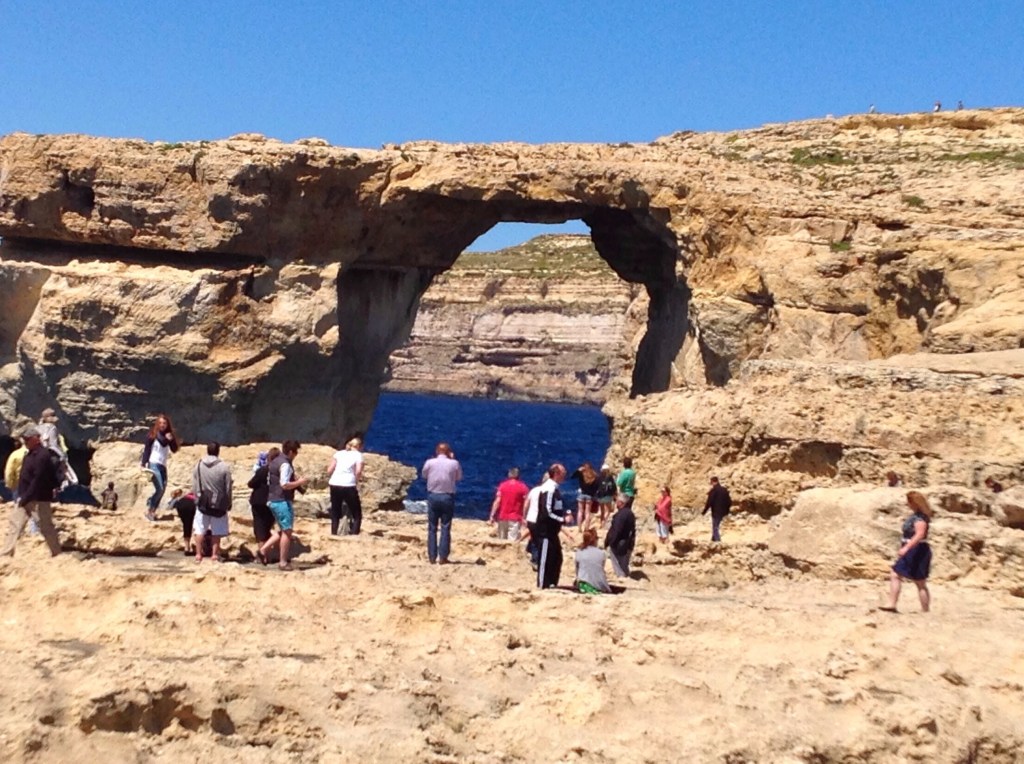
We visited the famous Azure window, a circular ring of rock that is very beautiful to photograph, this area was amazing, the ground underfoot was incredibly uneven, we were actually walking over many limestone fossils dating back thousands of years, from when this whole island was under water.
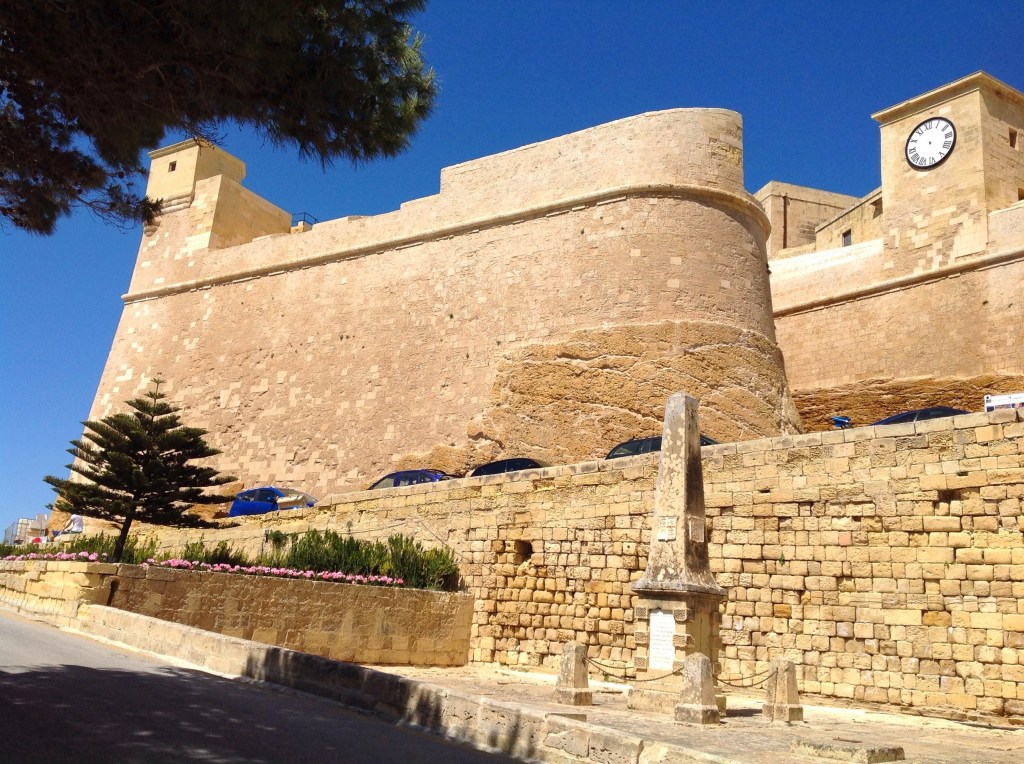
We then visited the incredible Citadel, an impressive fortress with incredibly thick walls that is situated on a hill. I climbed the hill and took some photographs leaving Margaret to wander around an interesting little street market at the bottom of the hill.
Margaret visiting a convenient market
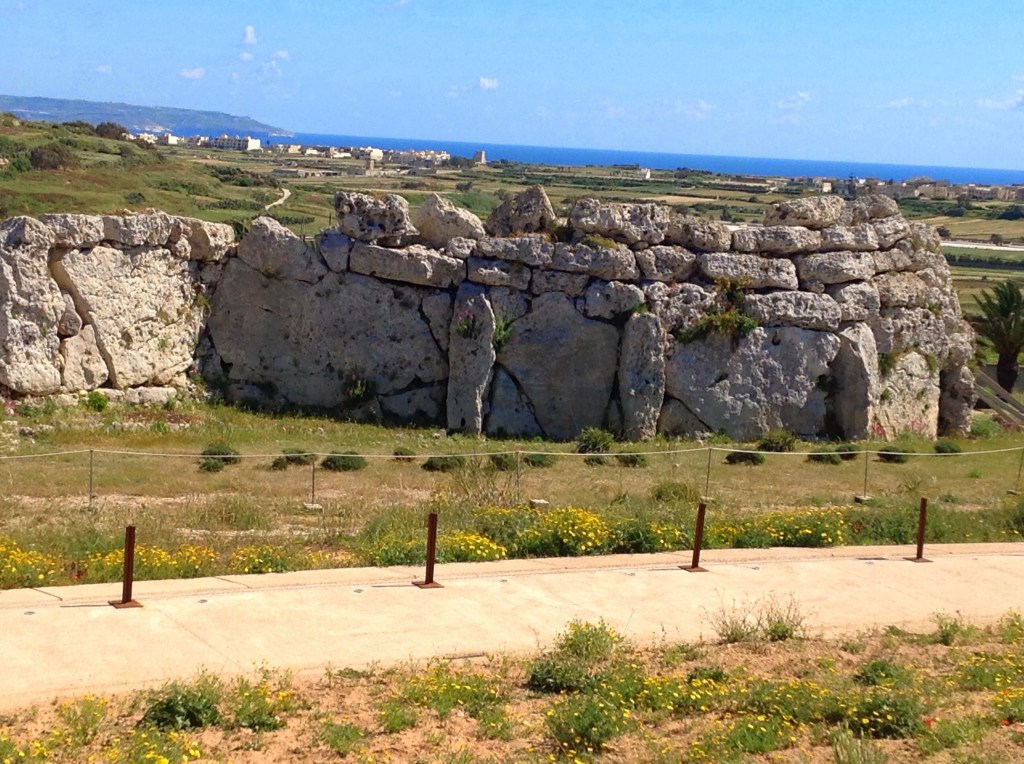
We then boarded our coach again to visit the Gjantija Temples, a World Heritage site, where we viewed the ancient ruins of some incredible buildings constructed of huge blocks of stone, many thousand years before the birth of Christ. They are said to be older than the pyramids of Egypt.
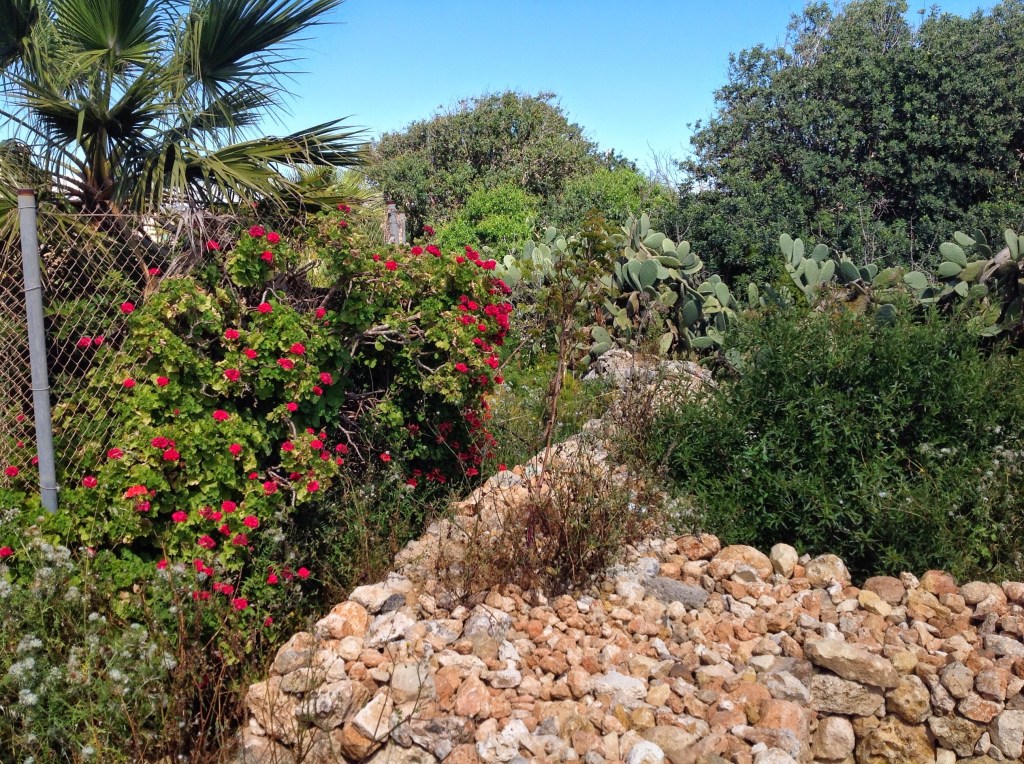
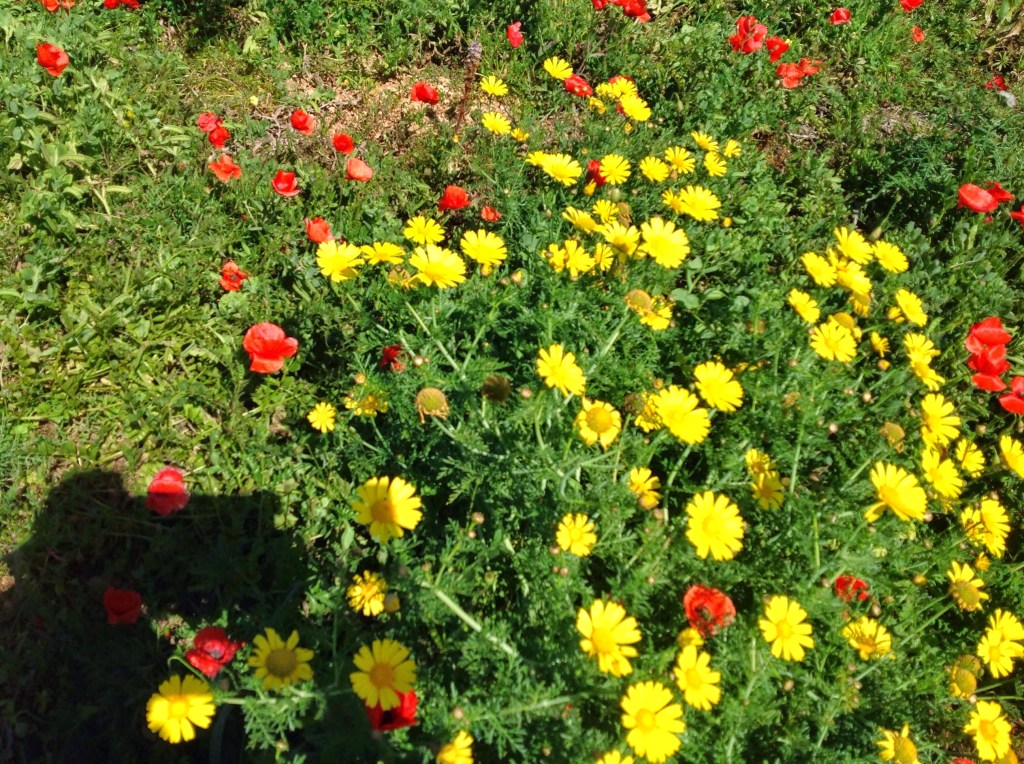
They were situated in a pretty area with flowers everywhere and we took many more photographs.
We boarded our coach to catch our ferry back to Malta with our photographs as wonderful memories and with fond thoughts of the island of Gozo.
Travelling through Malta on our way back to the ship brought more contrasts between the two islands and we both agreed this has been an unforgettable visit.
Old Ted leaned on his hoe, scratched behind his left buttock and sneezed. Suffice to say the aforementioned buttock was currently encased in a grubby pair of creased unwashed, gardening trousers that hadn’t seen a good laundering for weeks. Ted was in his late sixties, retired after a long colourful career he was set in his ways. Since Carrie his late wife had sadly passed away a good few years ago, he’d developed a solid routine. Today was the day of the allotment. Ted was a shortish sort of a man, short and quite stocky with a pugnacious sort of a clean-shaved face. He sported a crooked nose that apparently had been altered in a few boxing matches during his schooldays. Ted bent to pull out a few more pernicious weeds and felt a sharp pain, ‘Flip’, he exclaimed loudly, enough to send a scavenging Blackbird, two plots away flying high in the air with a squawk of alarm. Just at that moment, Jim, his neighbour on the next plot arrived, ‘Hallo there Ted!’ he called from a good distance away. ‘How are you keeping? What do you think of this here, virus malarkey?’ Ted looked up and moved towards Jim. ‘Keep back! Keep your distance! Keep at least two metres away!’ Shouted Jim. Jim had never managed to get rid of the authoritative tone of voice he’d developed during his long career as a Sergeant Major in the Army. Ted, who was not one to take much notice of anyone who raised his voice, stopped dead in his tracks at the urgency that was evident in this request. ‘OK! No need to get irritated; I may be a dumb leper, but I’m not flipping stupid.’ ‘What do I think of an evil pandemic that is sweeping the world with people dying everywhere and enforced lockdowns?’ Ted looked around at the simple beauty of nature spread out and unfolding all around them. Scratched his right buttock and continued, ‘I think the worlds inhabitants have been pushing the boundaries for far too long and the day of reckoning is not far away.’ Ted then sneezed again into the crook of his arm and pulled up a stray dock leaf root. Jim straightened his well laundered shirt collar, and adjusted his flat cap to a more jaunty angle and replied. ‘We all have to be careful Ted! These damn virus spores are everywhere. I hear one of the most powerful leaders in the world is advocating the injection of disinfectant into the body. I reckon that would be like injecting weed killer into the dung heap and spreading it all over the plot.’ ‘That sounds like a good idea Jim. That would kill the weeds at the same time as feeding the vegetables and you may have touched upon a good way of introducing the disinfectant into the body without the need for a painful injection. Of course it may kill a few vegetables until an immune response is established. Sort of a high level trial and error basis without the need for applied Science.’ ‘You could be right there Jim. Have a good day!’
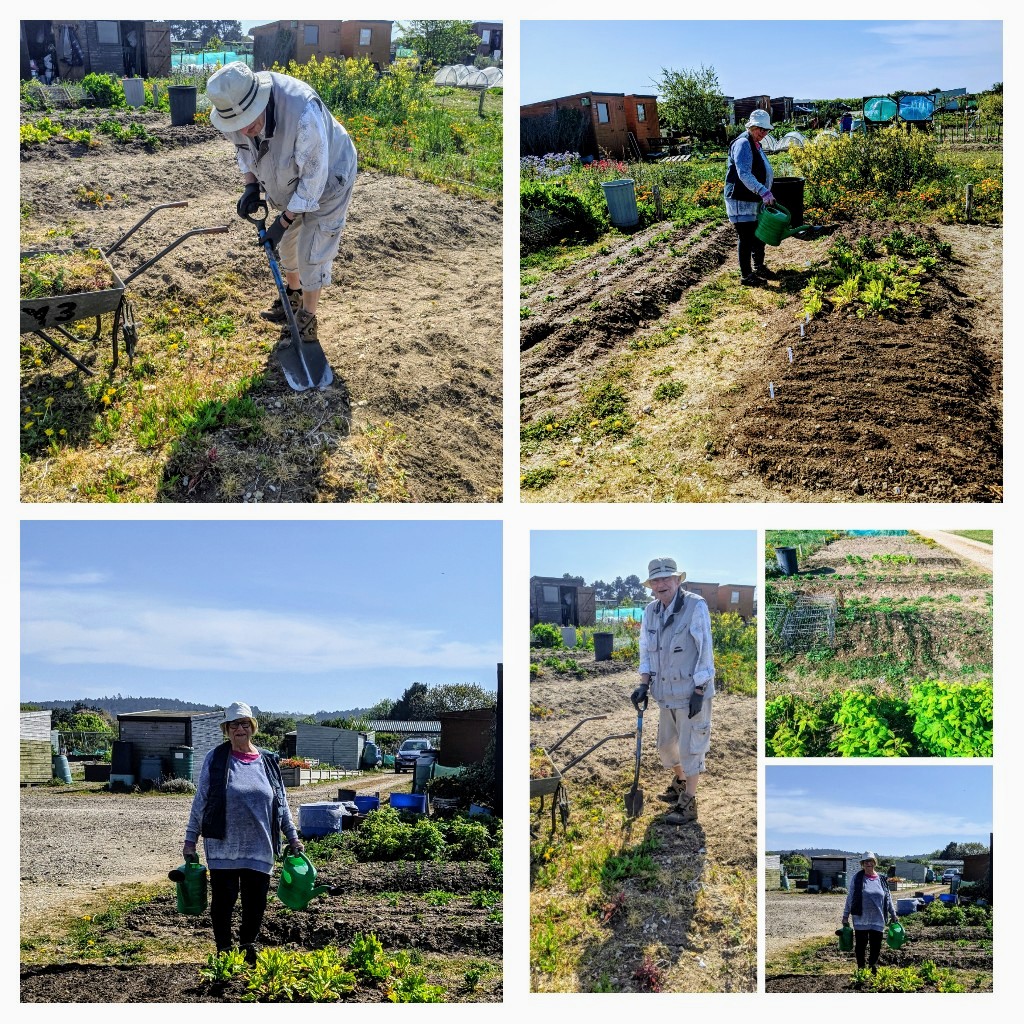
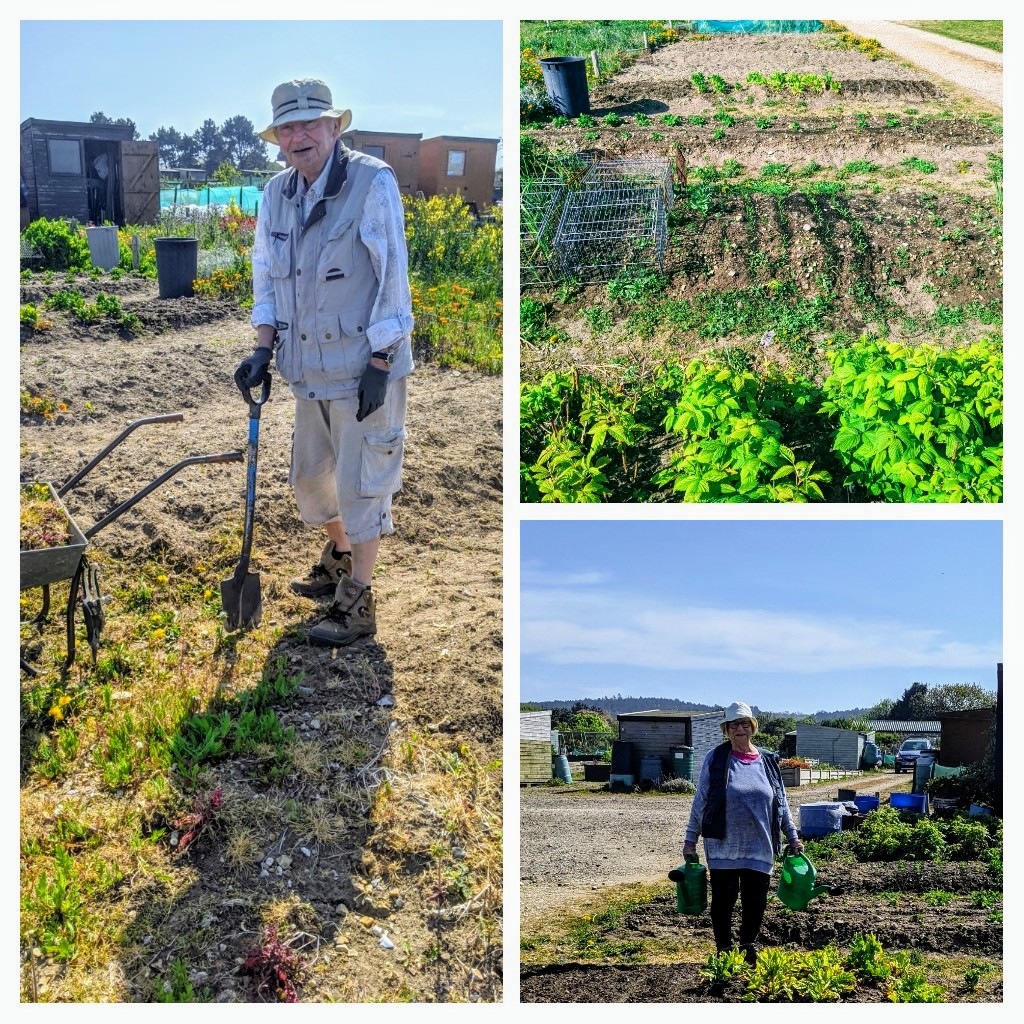
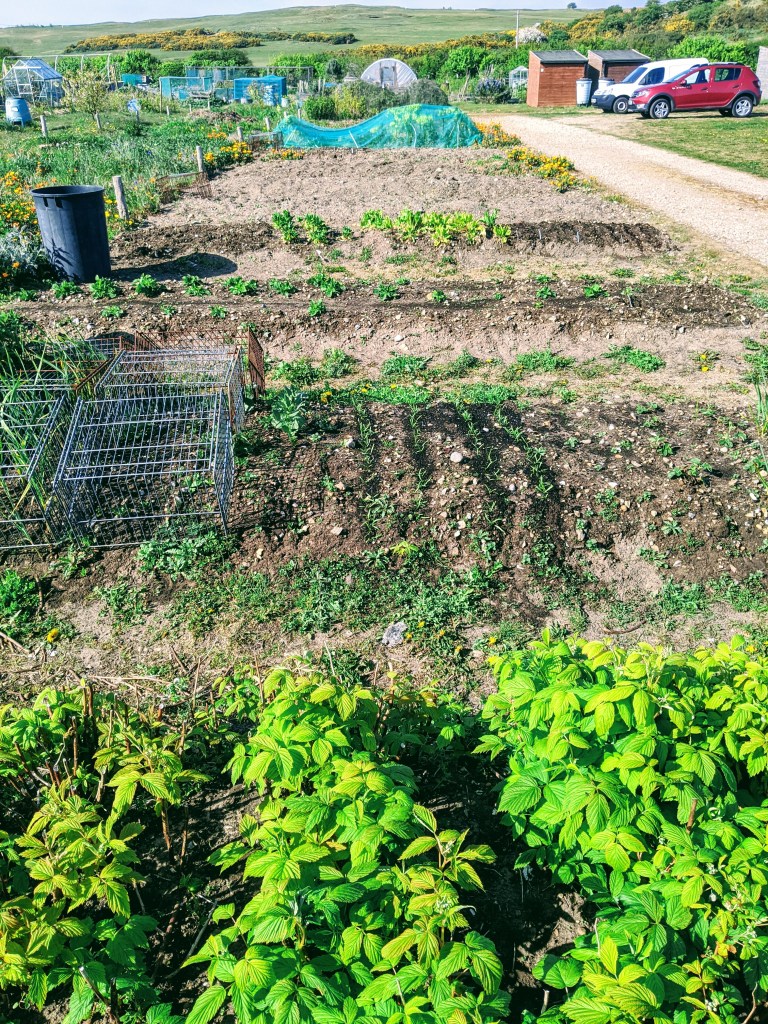
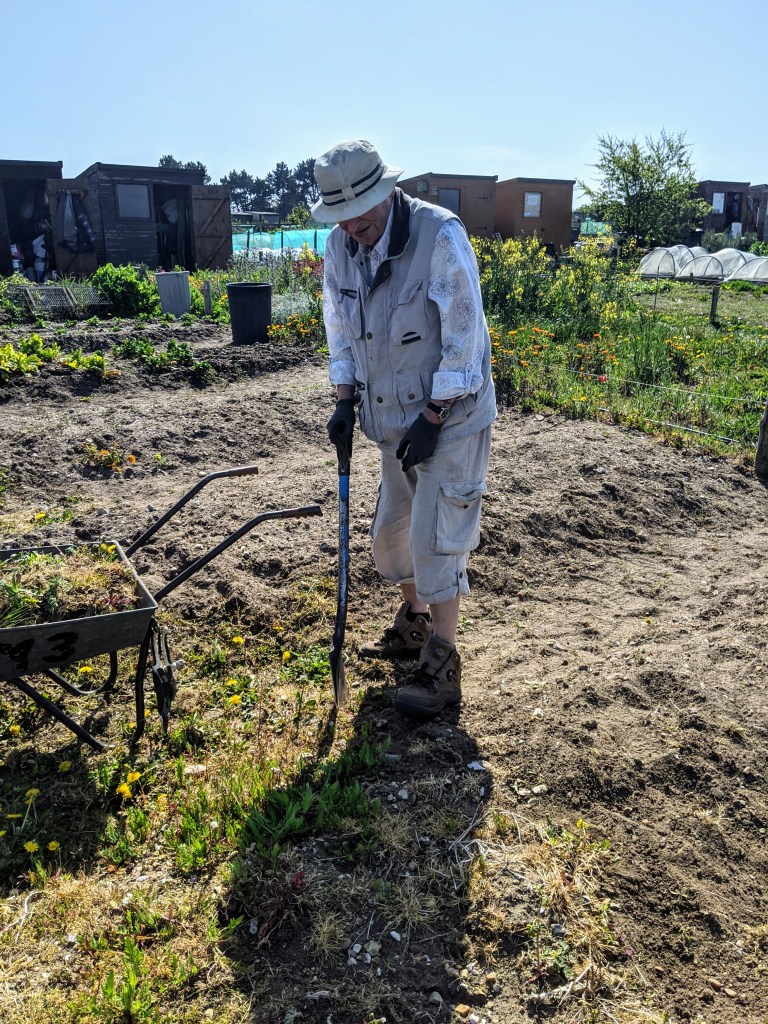
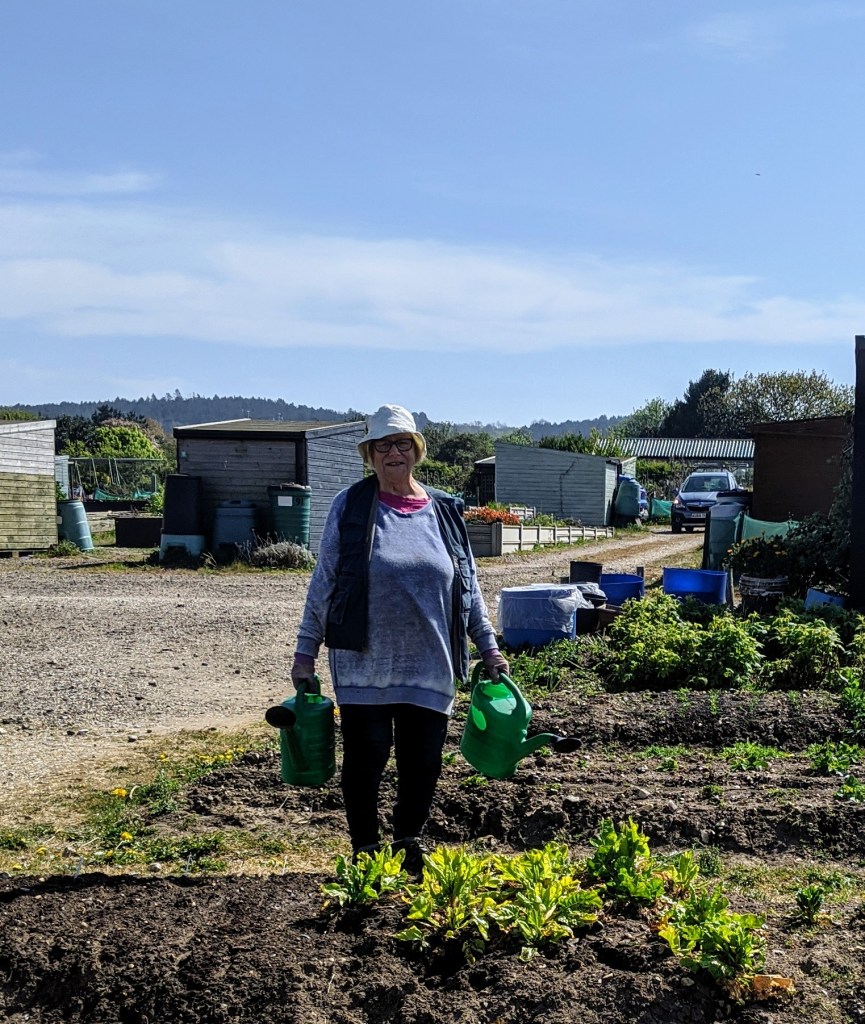
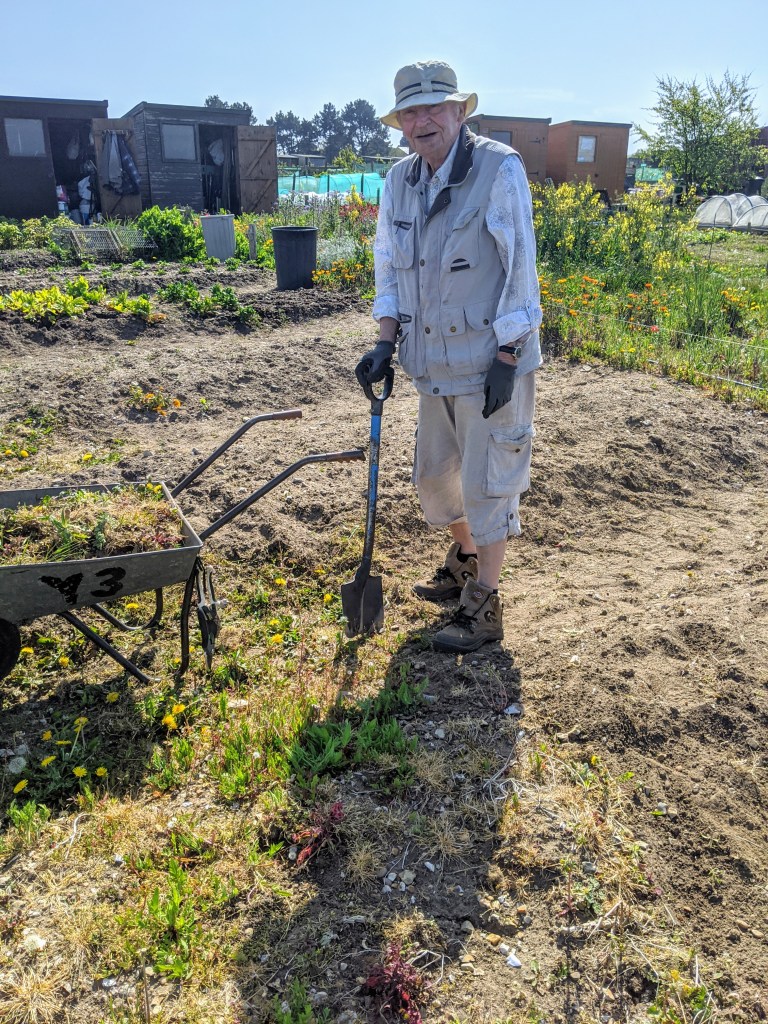
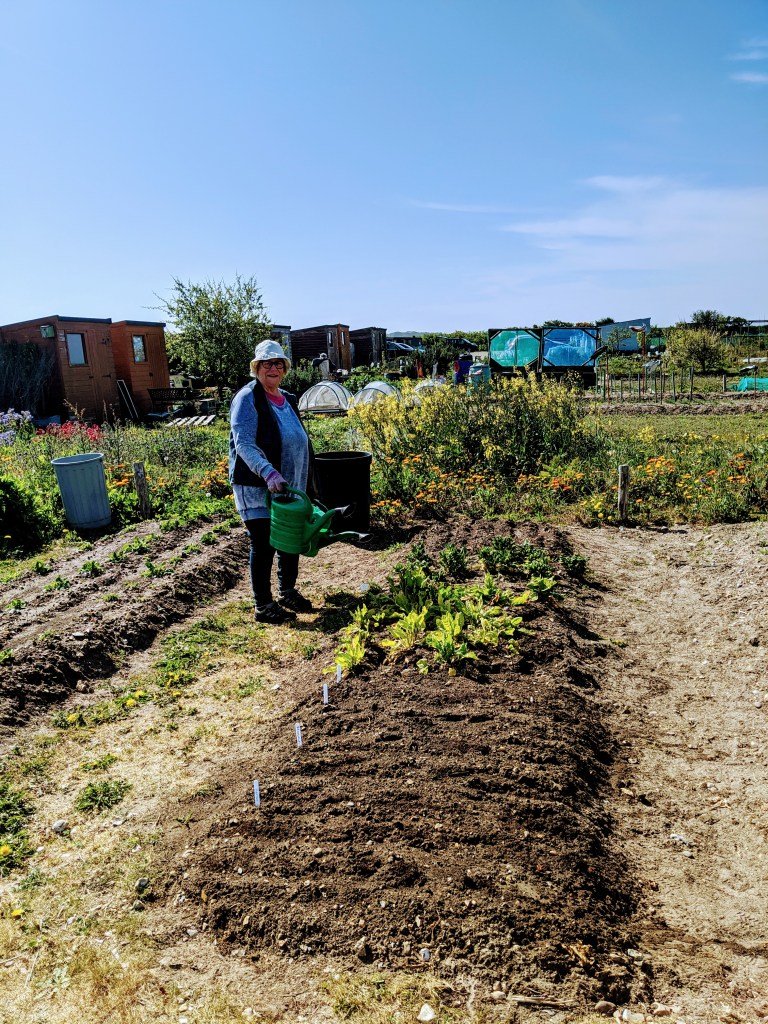
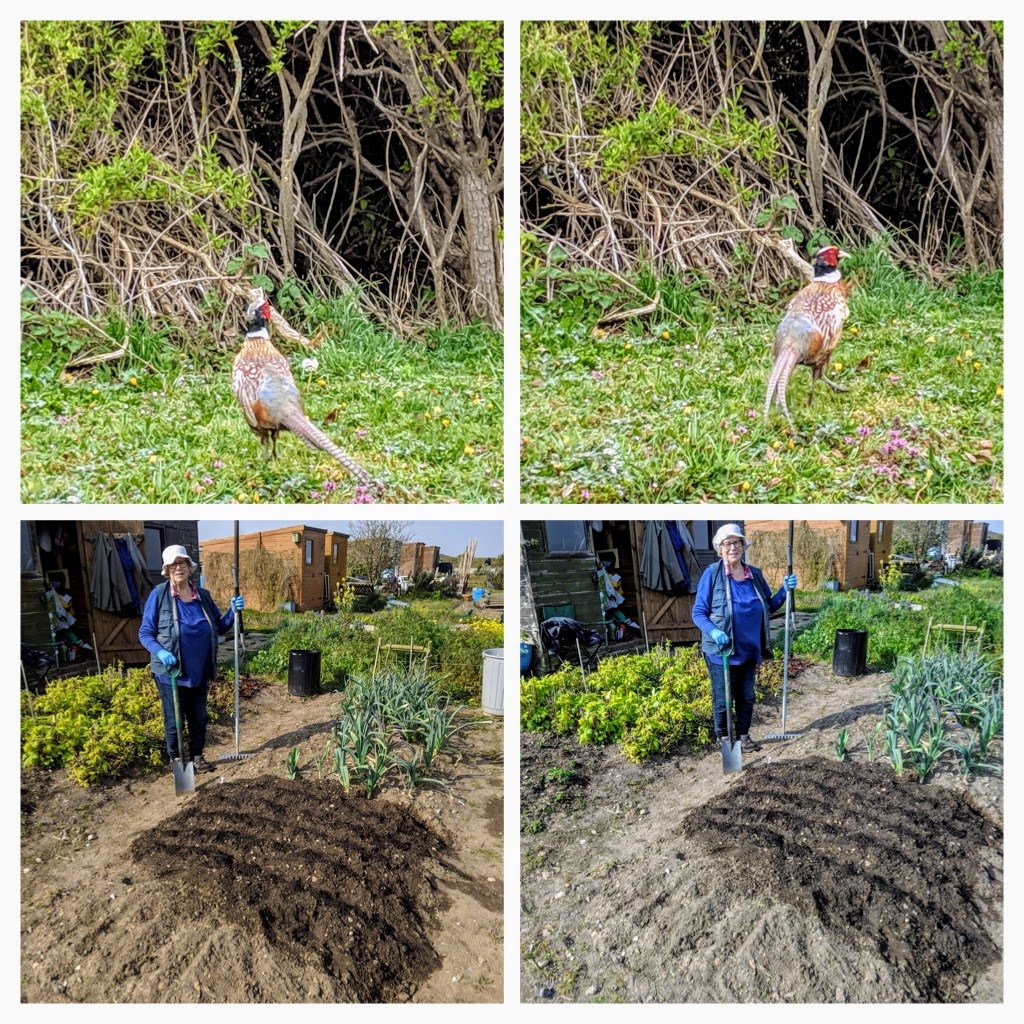
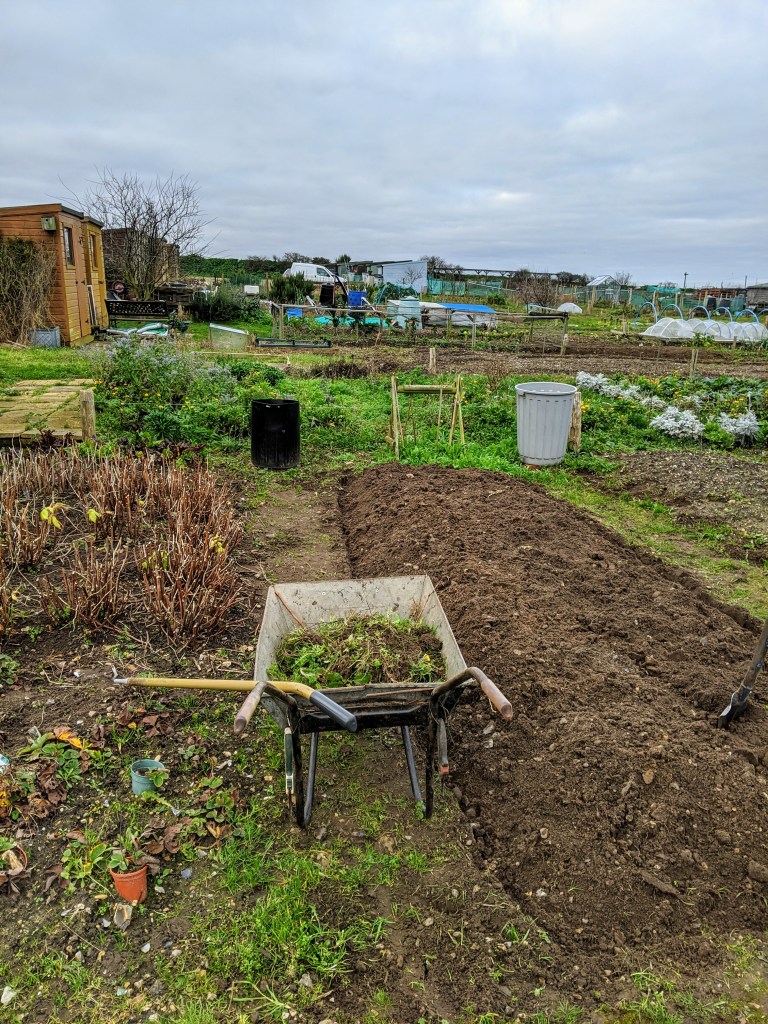
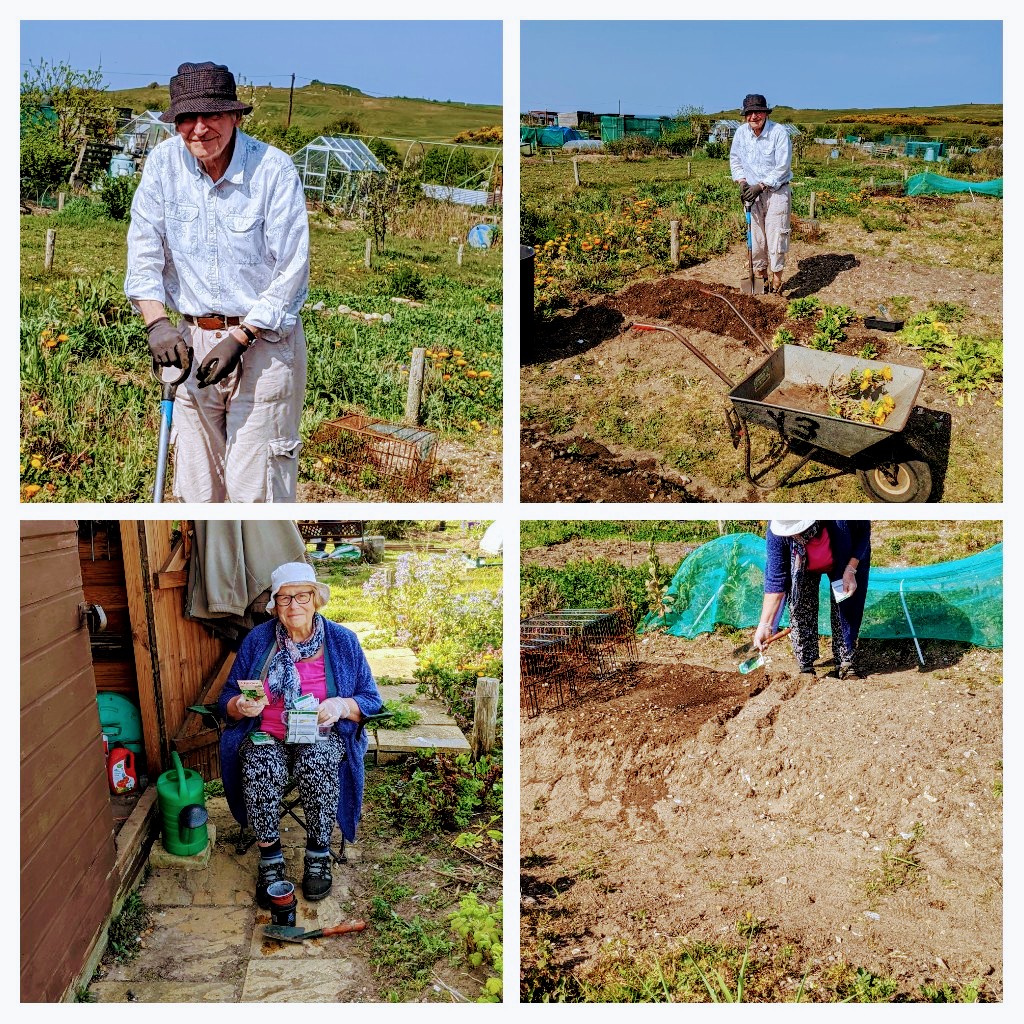
These are the latest photographs of our main activity in life during the lockdown period we are enduring at the moment, thanks to the accursed Coronavirus. Our allotment is moving forward nicely, with most of our seeds sown and growing healthily. Thanks to a good few hours of collaborative hard work.
It’s strange the way our interests and activities have changed over the years. Margaret was a nurse for most of her working life and with the pressures of a career and bringing up a family she had no time, or inclination, to develop an interest in gardening. I lived in a flat in London and worked in an office for many years before I eventually took an allotment and this opened the doors to a whole new world.
The benefits and the positive aspects of allotment gardening are numerous. Fresh air, fresh vegetables, healthy exercise with the added advantage of being close to Nature. We both now take an interest in planting tiny seeds and watching them germinate and turn into healthy plants. It has become almost a full time job taking care of our individual sections of the allotment. Fighting off the natural pests and diseases and breaking our backs bending to remove the weeds that proliferate, soaking up the water and nourishment we provide for the vegetables.
This has become a complete new way of life for both of us in contrast to our earlier careers in life. Love ♥️ and Peace ☮️ from John and Margaret 🎎🙂🙂🌞
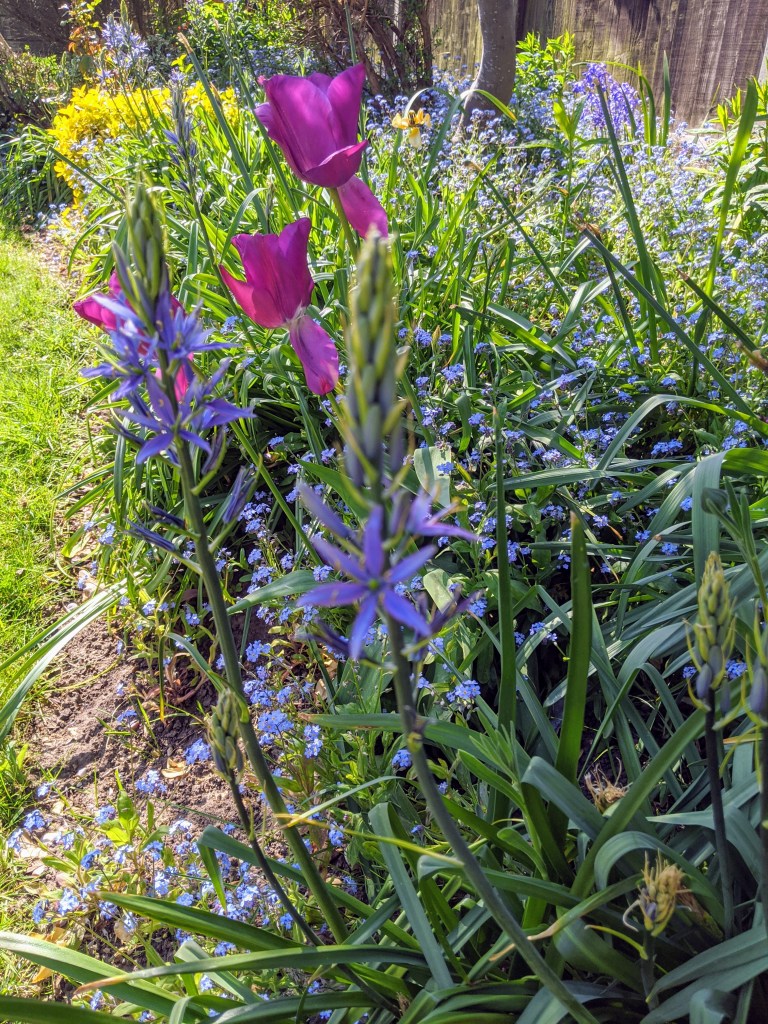
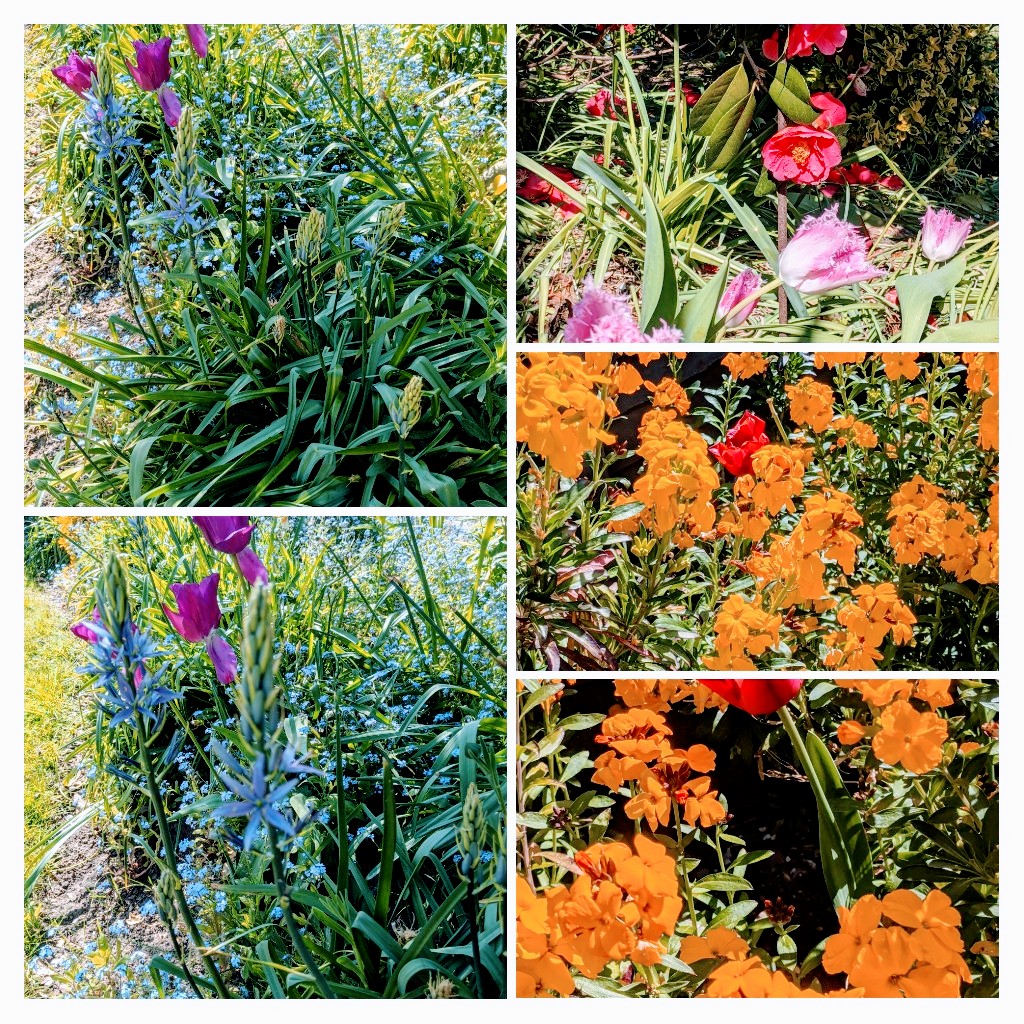
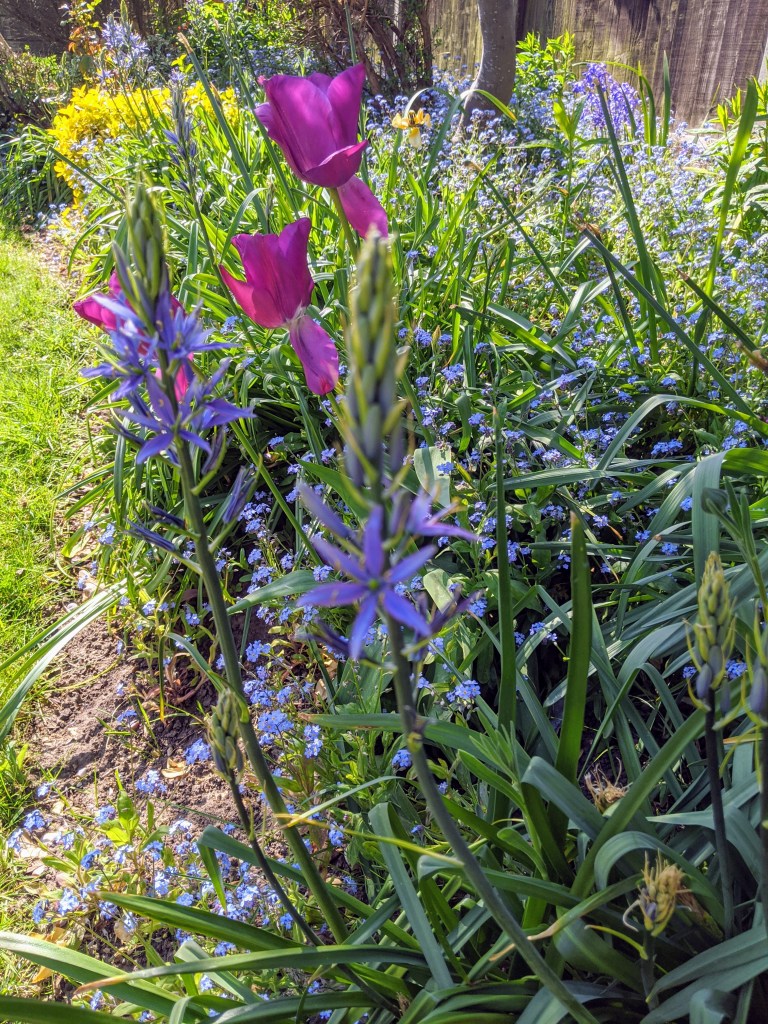
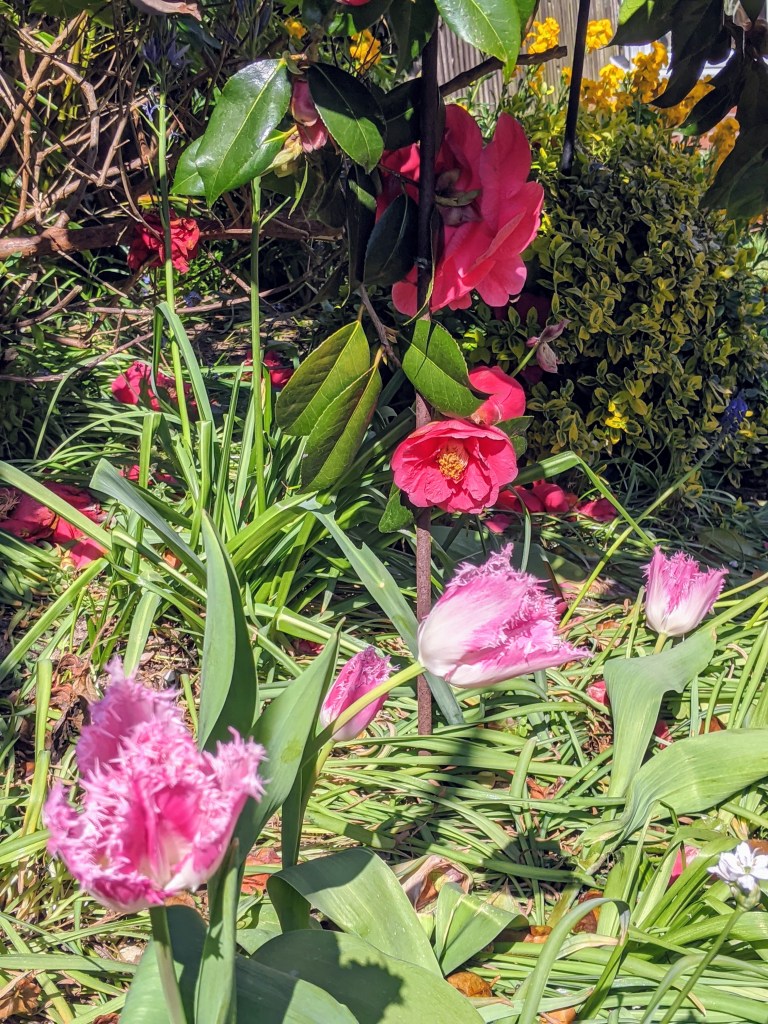
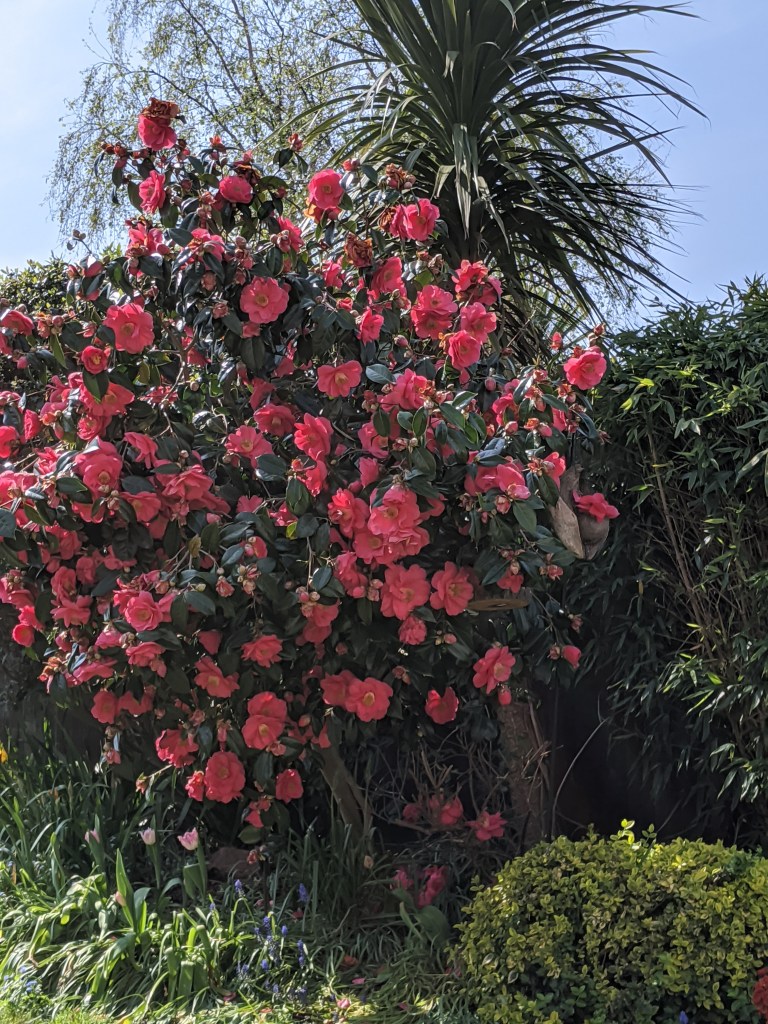
The garden in late Spring is full of colourful special flowers. Blue Forget-me-nots and the interesting, Indian Lily flowers vie with Purple Tulips for space, food and sunlight. Pink ragged edged Tulips happily thrive alongside the magnificent Pink Camelias that are coming to the end of their flowering cycle. This year we are lucky to see some bright Orange Wallflowers; these are perennial plants. There’s a bold Red Tulip hidden away, almost swamped, by the brilliant Orange colour of the Wallflowers.
The blue pyramid-shaped plant in the foreground is the interesting Camas plant, alternatively named, Indian Lily or Wild Hyacinth. I understand this plant is widespread in the USA and the name Indian Lily refers to the North American Indians. The bulbs apparently are edible and after getting slowly cooked for one to three days edible sugars are broken down, the roots were an important staple of the Native American Indian’s diet. Margaret and I grow these fascinating plants for their looks. The voraciously spreading blue Forget-me-nots make an excellent backdrop allowing the impressive showy purple Tulips to come into their own.
The impressive Pink ragged-edged Tulips growing in the foregoing of the photograph above highlight the Camelia flowers still growing on the shrub behind. These are a lovely hybrid variety of Tulips, I bought these bulbs from a market stall and they have been an excellent investment. I expect them to develop into some nice clumps of blooms eventually. The photograph below shows our Camelia shrub in all its full flowered glory.
Today I will submerge myself in nostalgia. As we are confined to our house in the UK, observing the universal lockdown due to the Coronavirus pandemic. This seems to be the only way Margaret and I will be able to travel for a very long time to come.
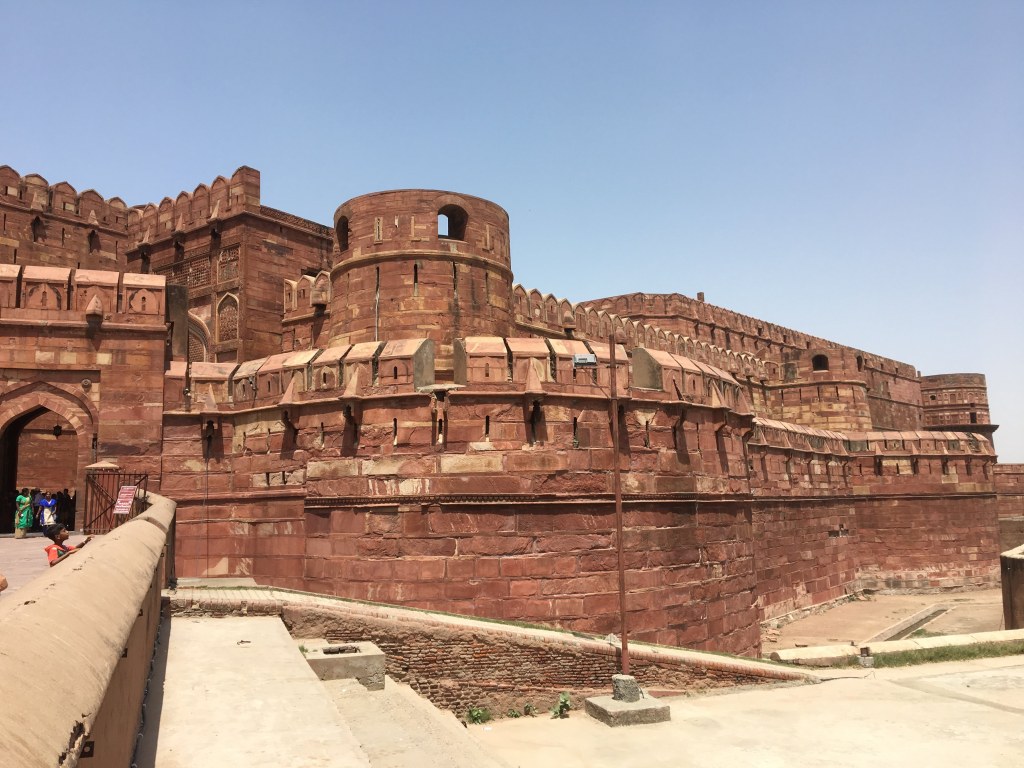
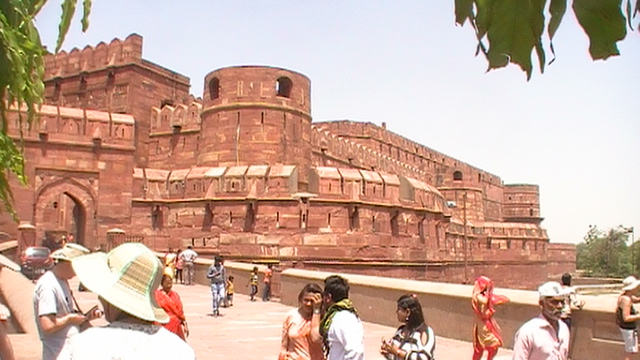
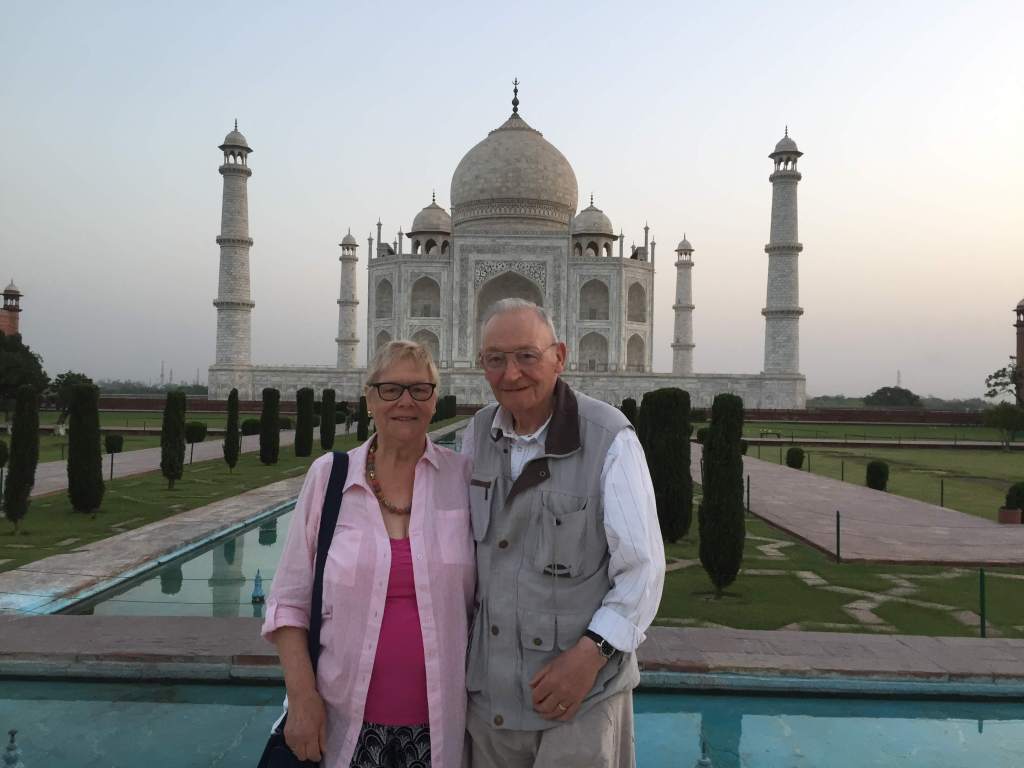
I thought I would revisit our trip to India today and I chose this photograph of the red fort in Agra.
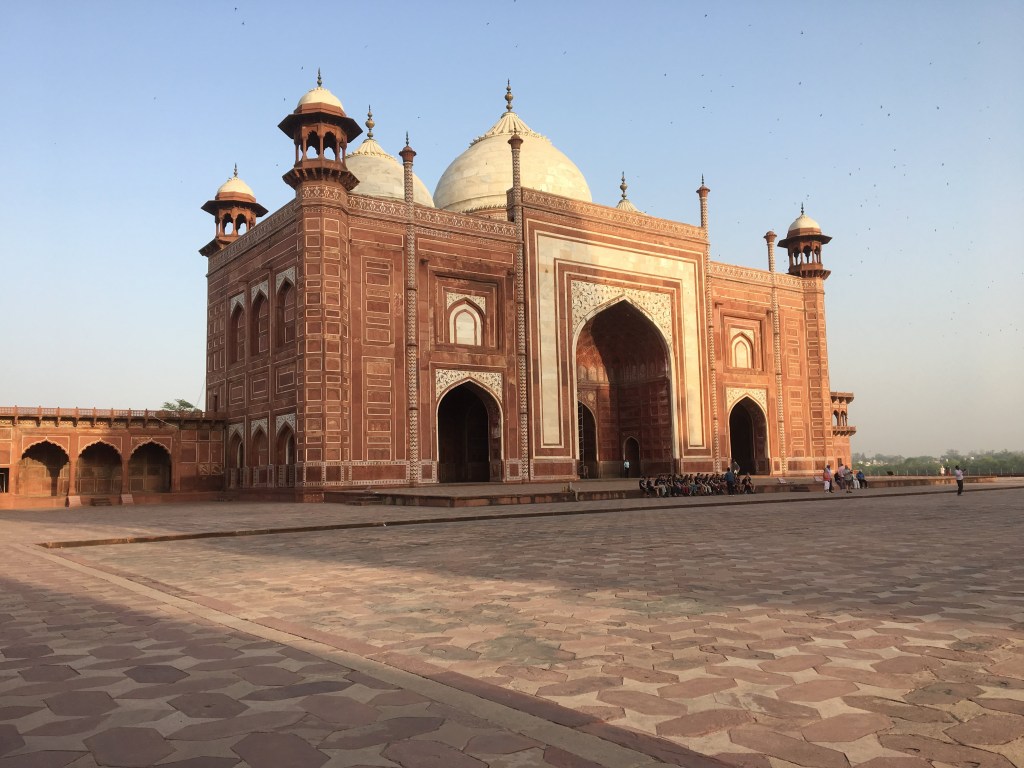
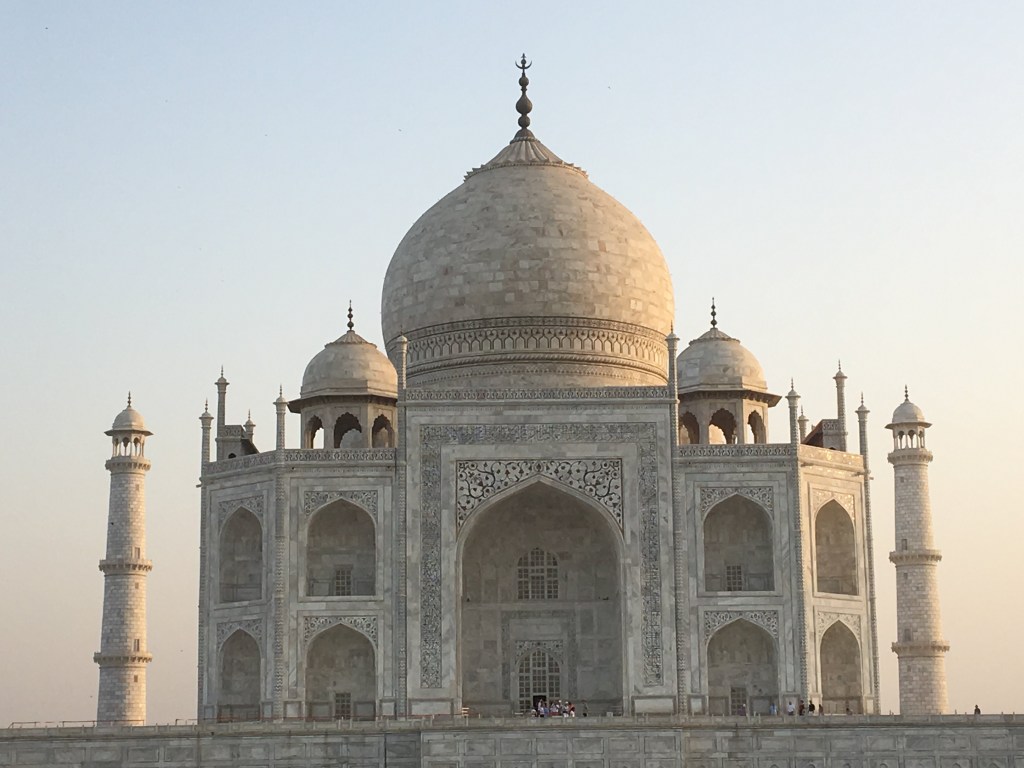
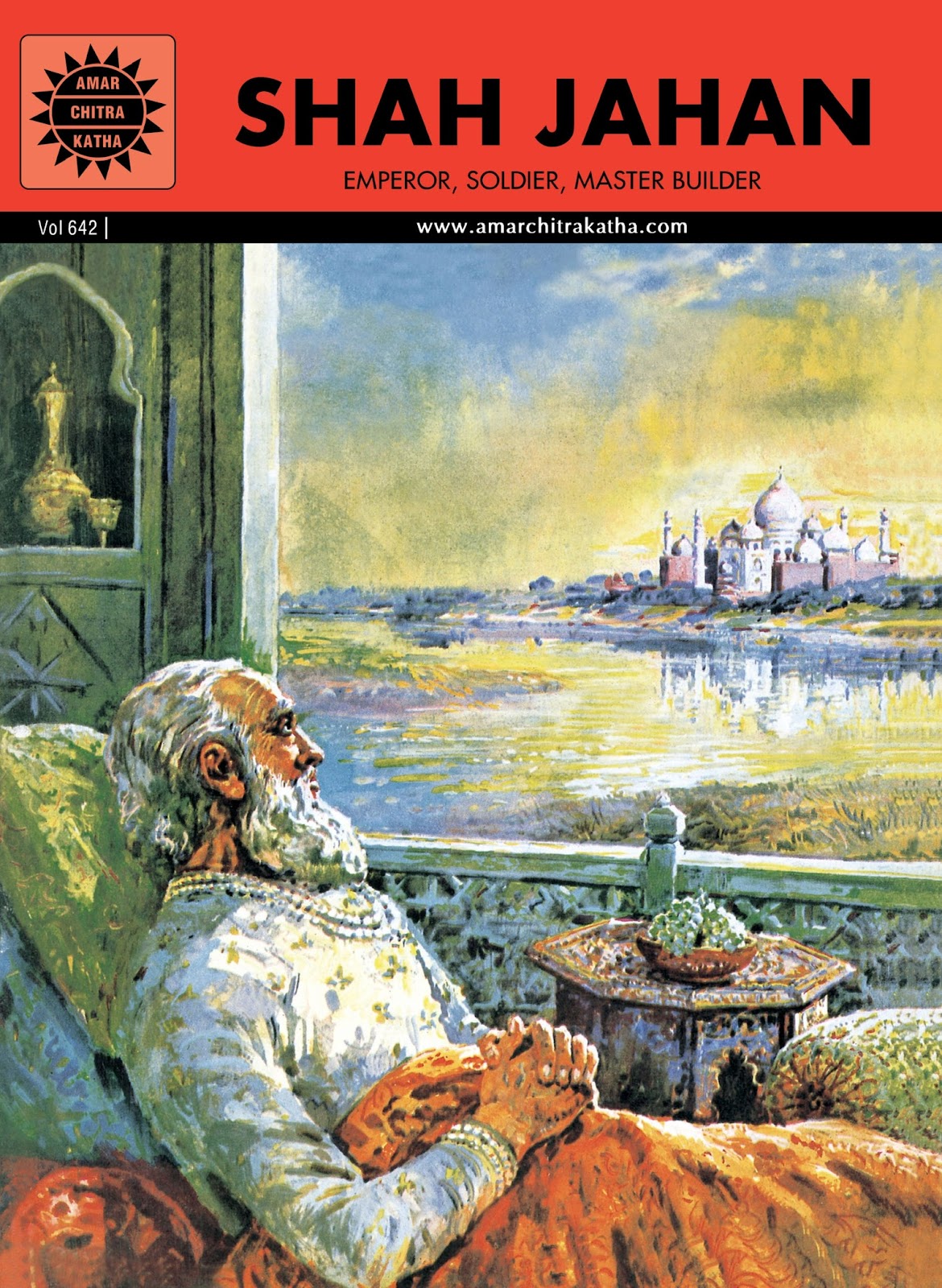
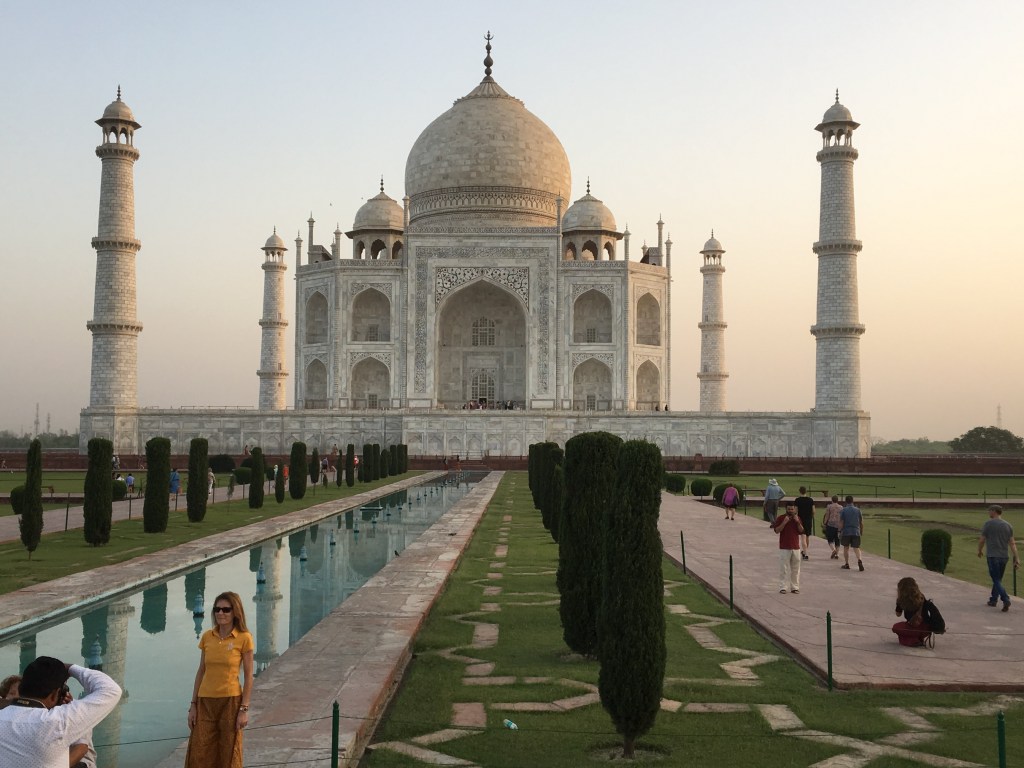
We visited this amazing tourist attraction during our trip. I remember a sad story about the Shah Jahan who built the astonishing Taj Mahal a pure work of art, his tomb in remembrance of his lover. Apparently his son took over his rule and he was consigned to a comfortable room in the Red Fort. The story goes that he would lie in his bed overlooking the Taj Mahal and remember his deceased love.
Taj Mahal
The Taj Mahal took approximately 20 years and approximately 20,000 workers to complete. There were about 1000 Elephants used to transport the materials needed for construction.
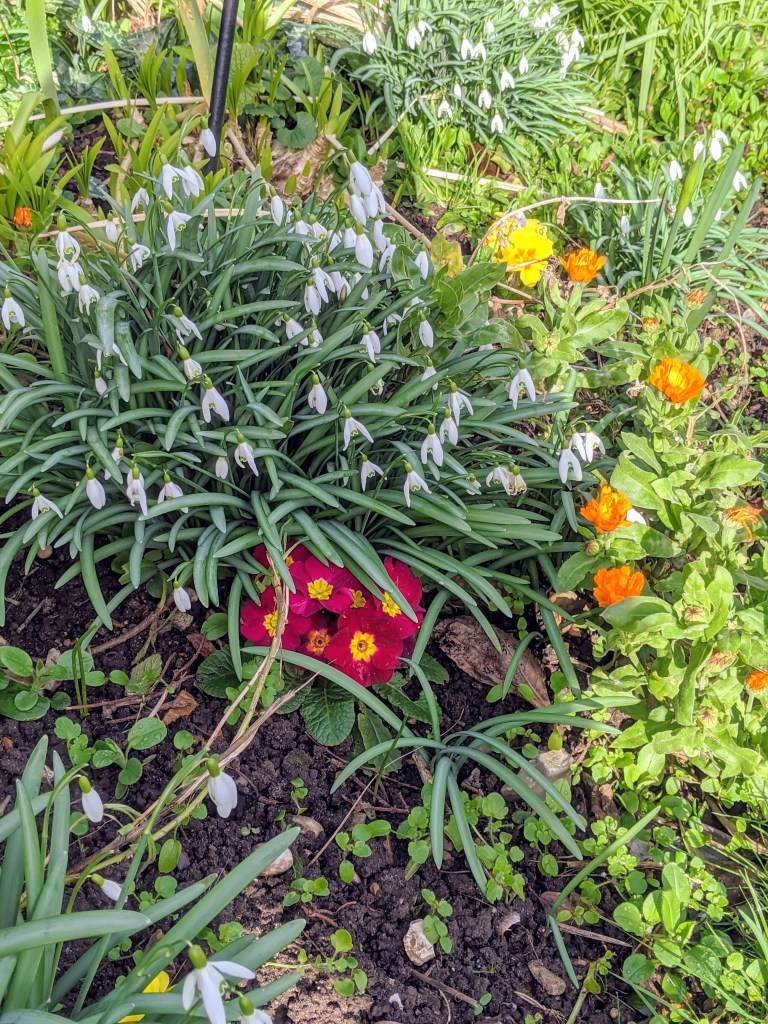
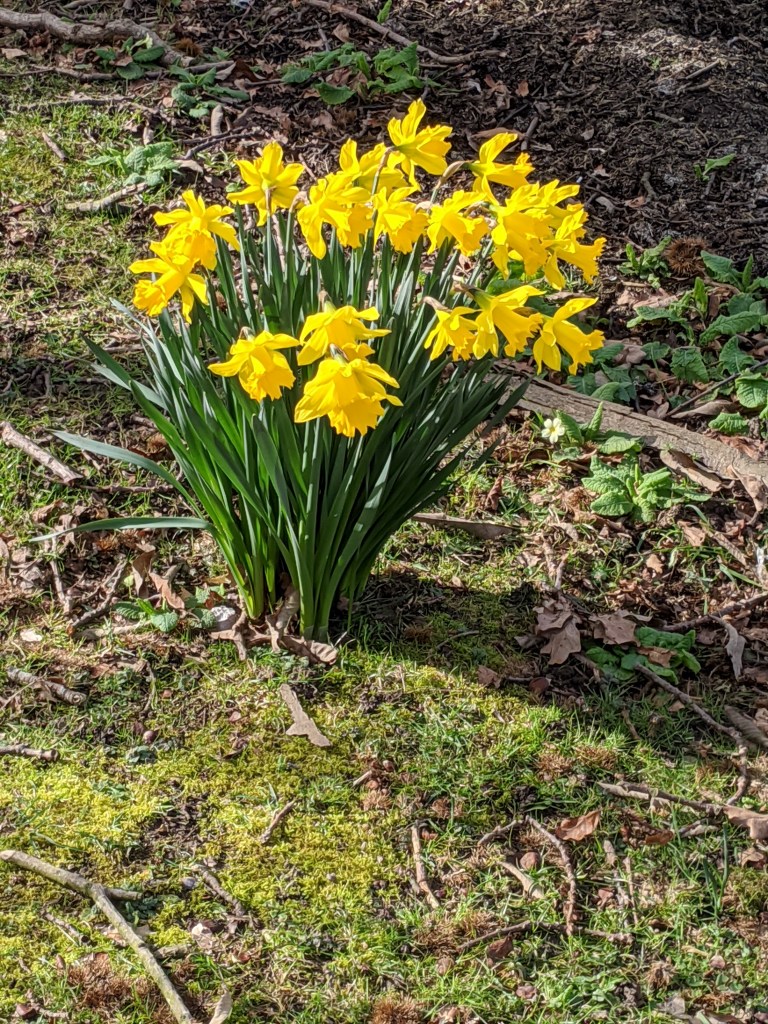
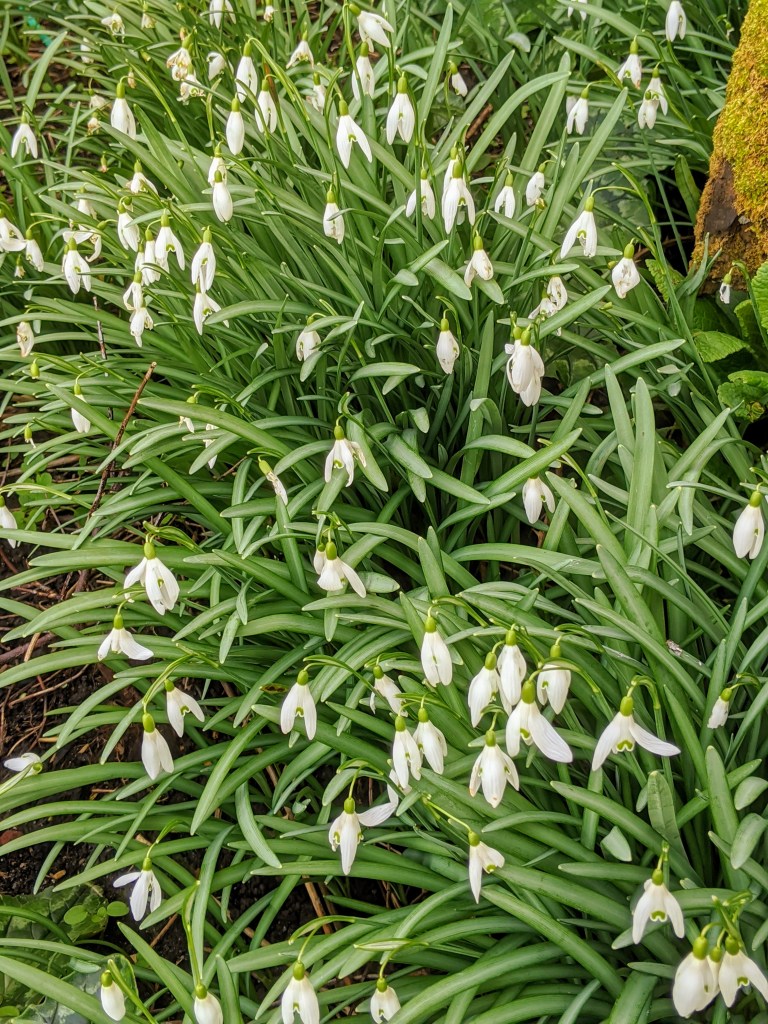
The allotments are a fruitful place to ponder on the ever-changing cycles of the planting year and the changes of the scenery as man made structures appear. People are making the most of this early period to erect greenhouses, polytunnels and coldframes. Perennial flowers are a sure sign of continuous change. At the end of winter the snowdrops are the first flowers to appear, closely followed by daffodils and primulas and hyacinths.
The hardy vegetables that have survived the windy blasts of winter, such as kale, leeks and broccoli are finishing their cycle of life and then the weather dictates the garden year. The soil has to be warm to enable seeds to be set and it is interesting to see the changes of method aligned to the natural cycle of weather.
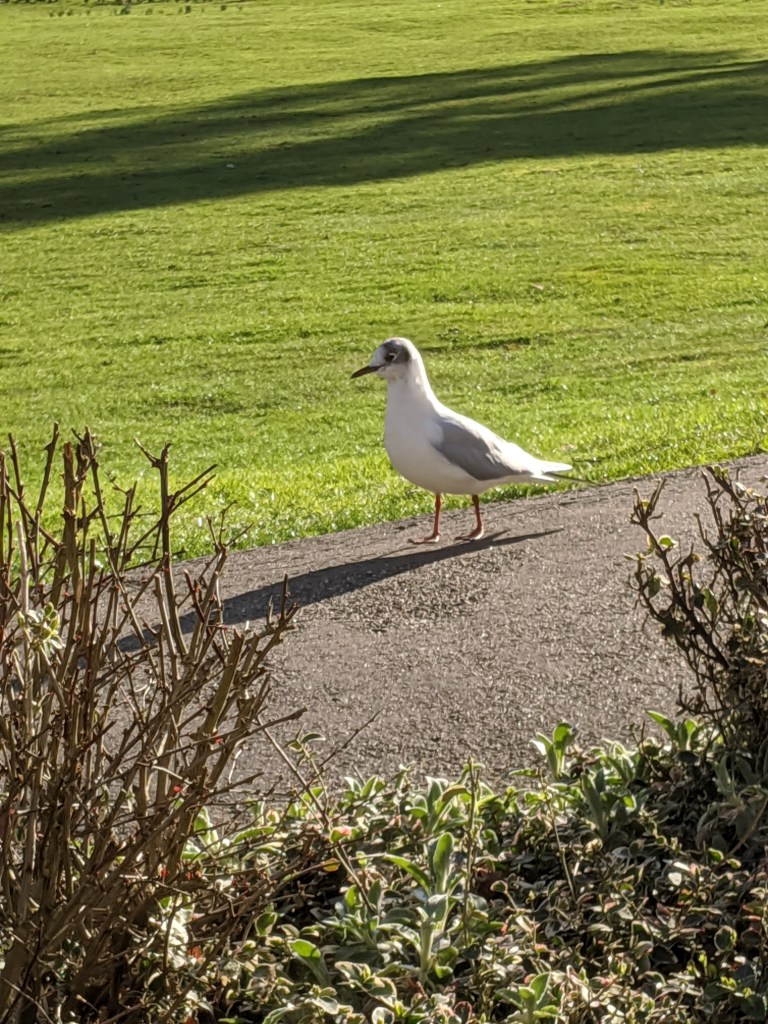
At the beginning of spring more birds appear as the breeding cycle begins. An unusual sight is a pair of large seagulls that have taken up residence, one is on the waste green part of the allotments every day, just watching and taking in the scenery.
Many subtle changes are slowly taking place that will dictate the eventual results of the growing cycle. Perhaps a new greenhouse on a neighbouring allotment will allow a new barter system to operate as plants are swapped between friends. Small changes that can result in large alterations as life on the allotments goes forward.
The Coronavirus pandemic that is sweeping the world at present is possibly making permanent changes to the way most people view the natural world. The decision to make Allotments a part of the required daily exercise during the self isolation lockdown was a blessing for the many vegetable gardeners in the UK. Gardening is an occupation that brings peace of mind in any circumstance. The feeling of creating a small space tailored with a variety of plants or vegetables is a pathway to health both of the body and the mind. The satisfaction of sowing seeds in your patch, watching the plants slowly mature, then taking care of them is a constant occupation. The ongoing fight against plant predators and diseases is constant. Yet gardening is always a calming pleasure, as the wonder of the natural cycle of life with the company of wild birdlife and small creatures unfolds in and around the allotment.
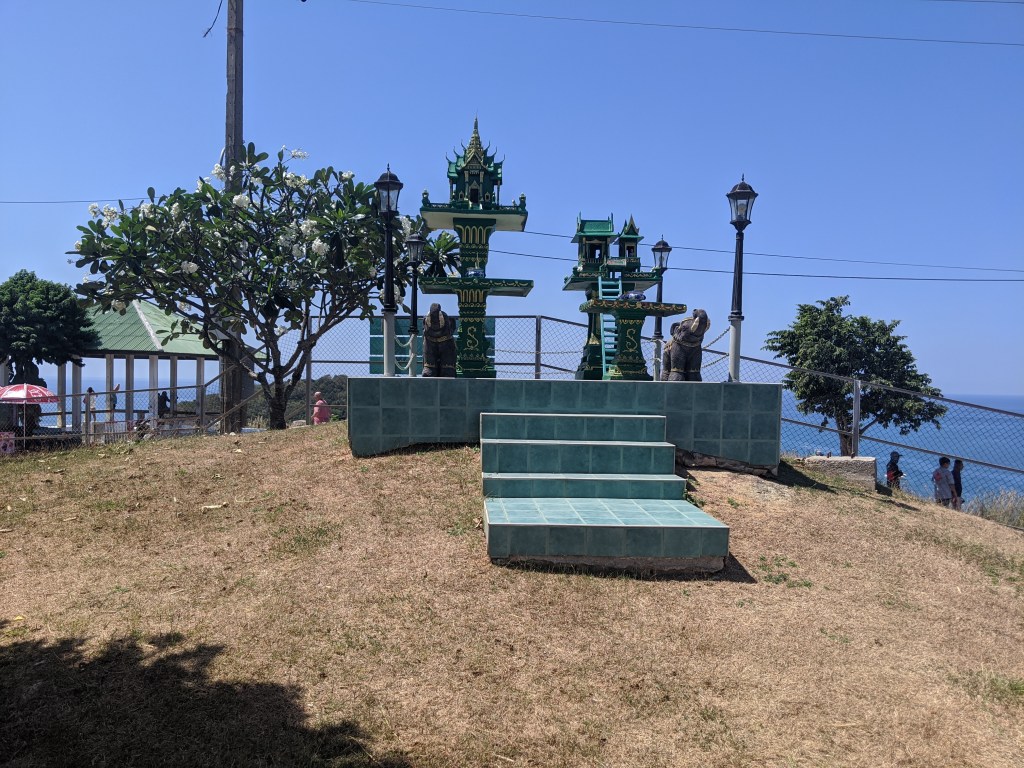
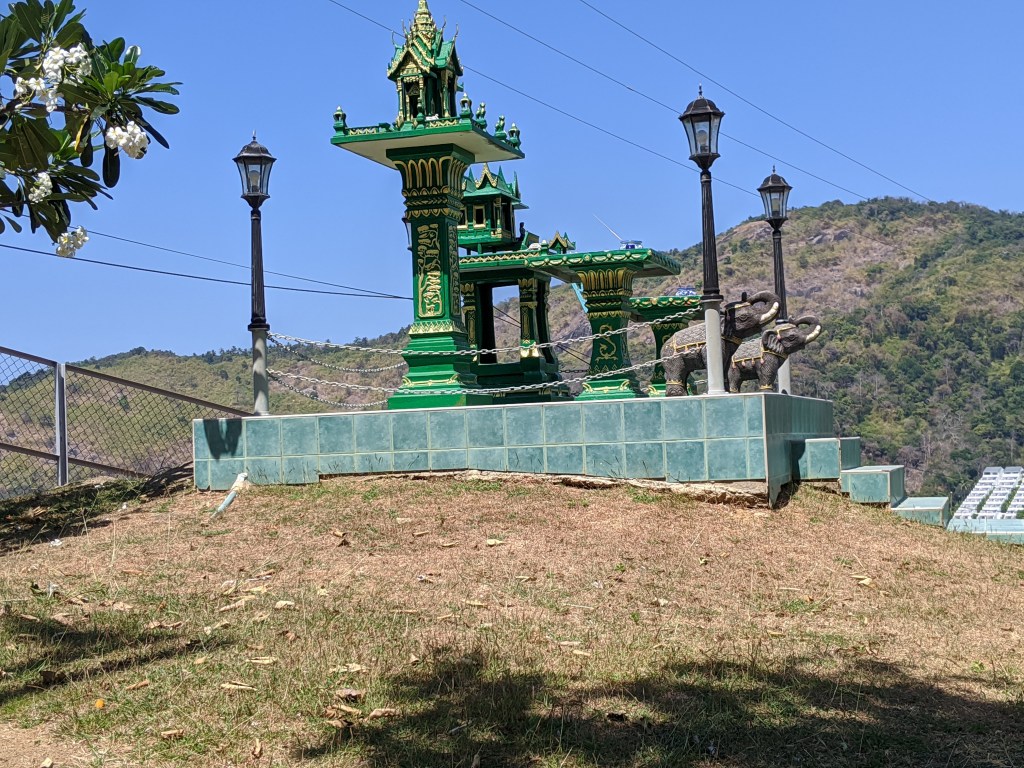
An ancient Buddhist tradition with a modern Wind turbine.
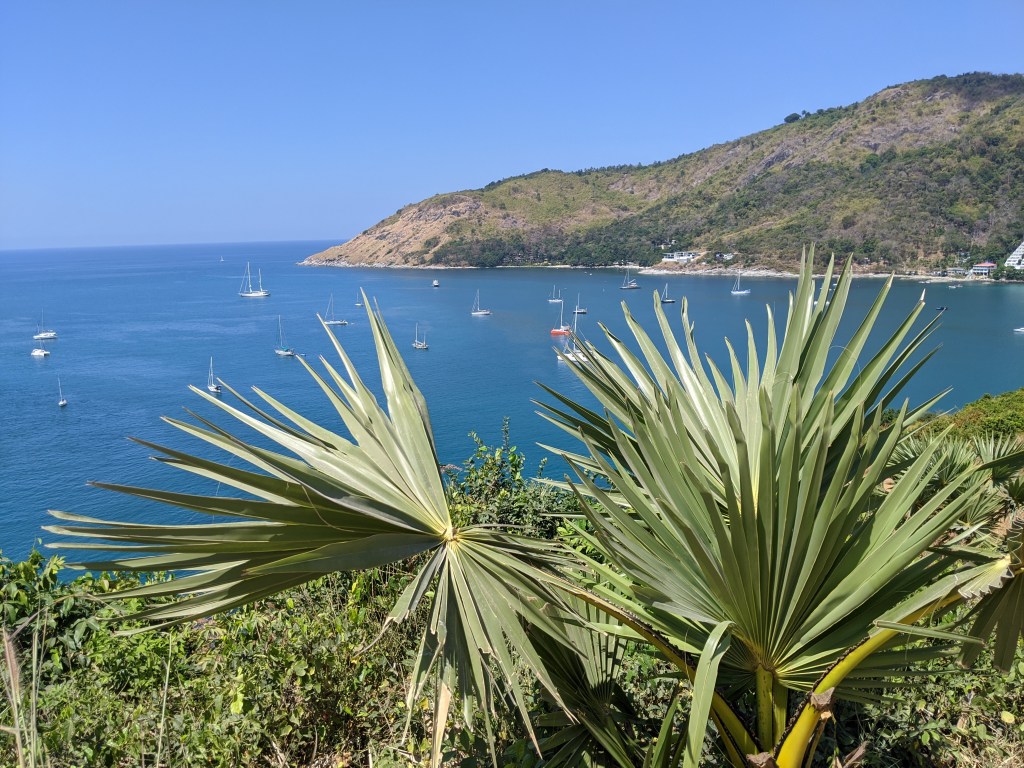
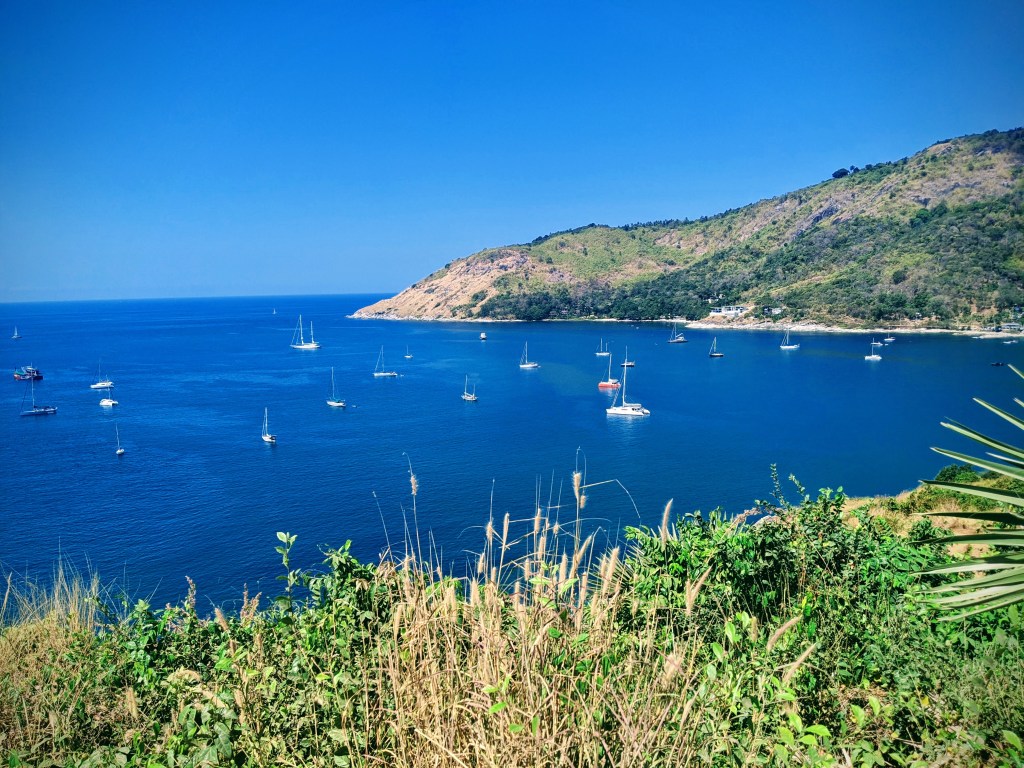
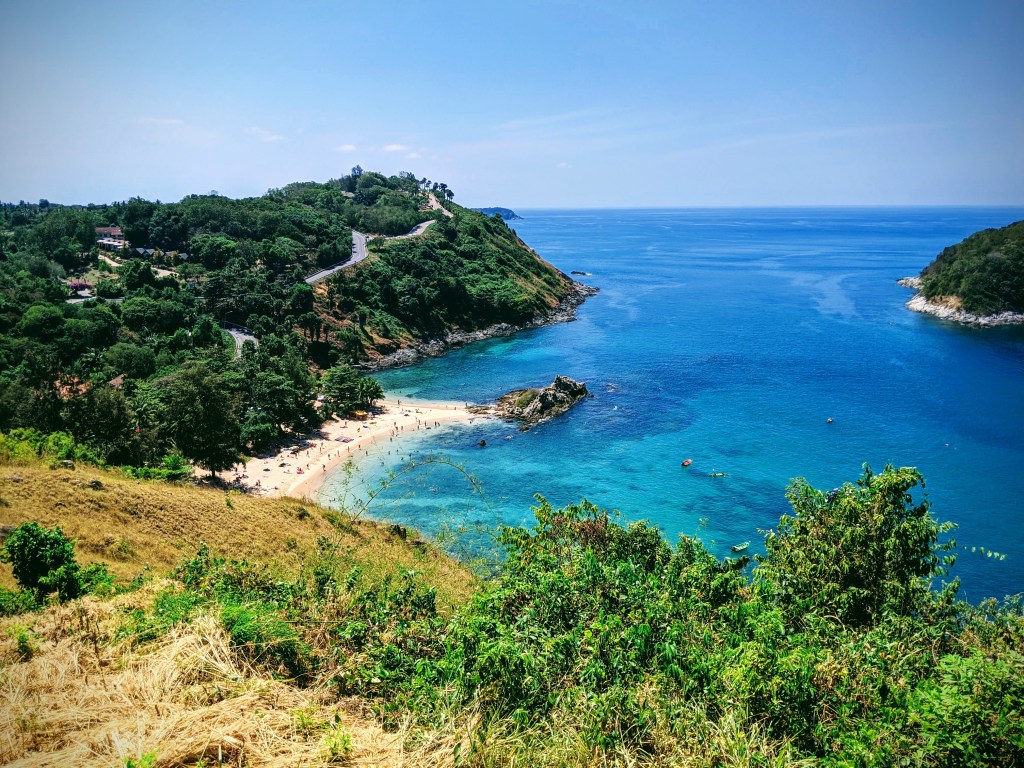
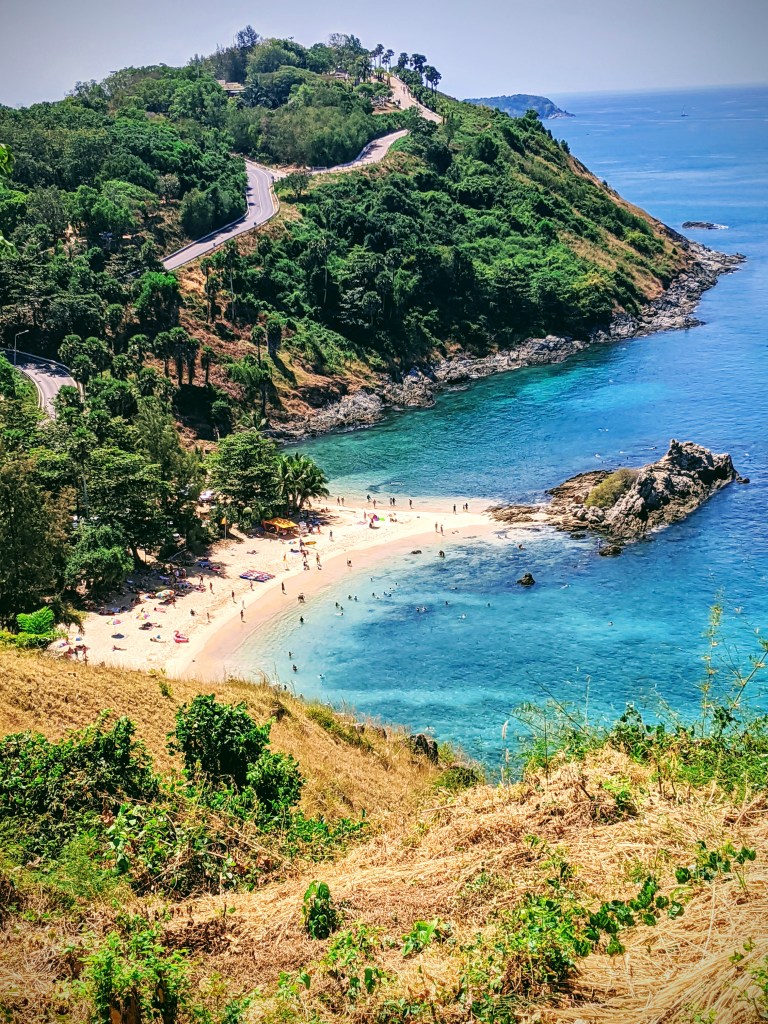
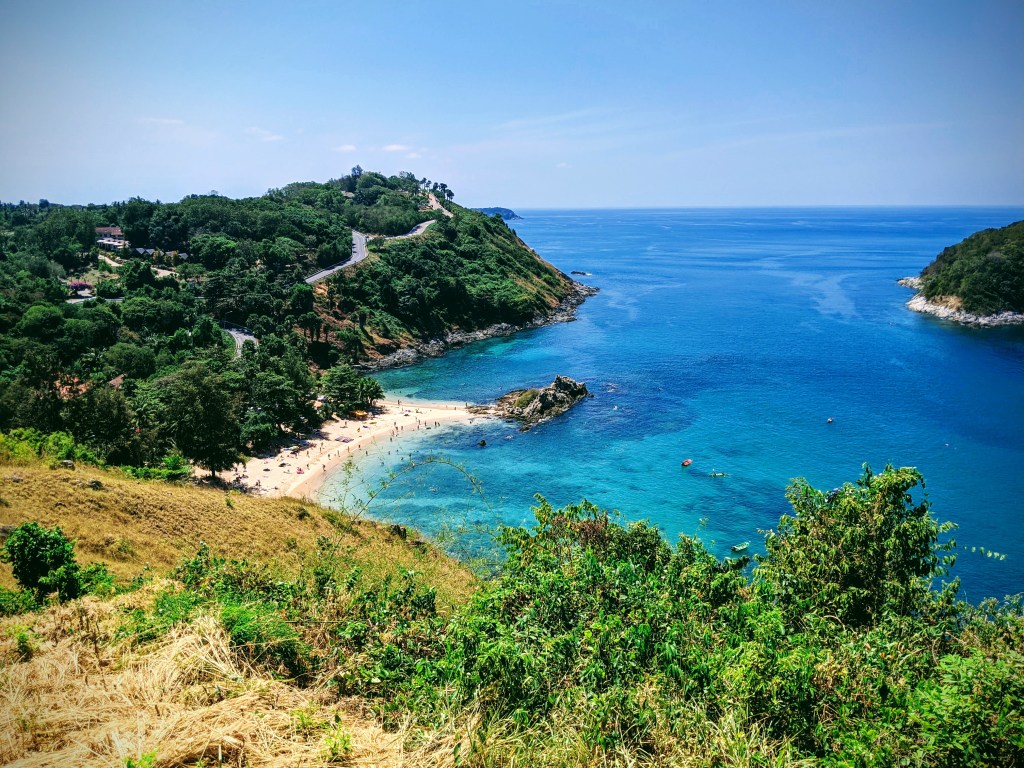
I snapped this beautiful scene in the south of Phuket island in Thailand during our recent holiday.
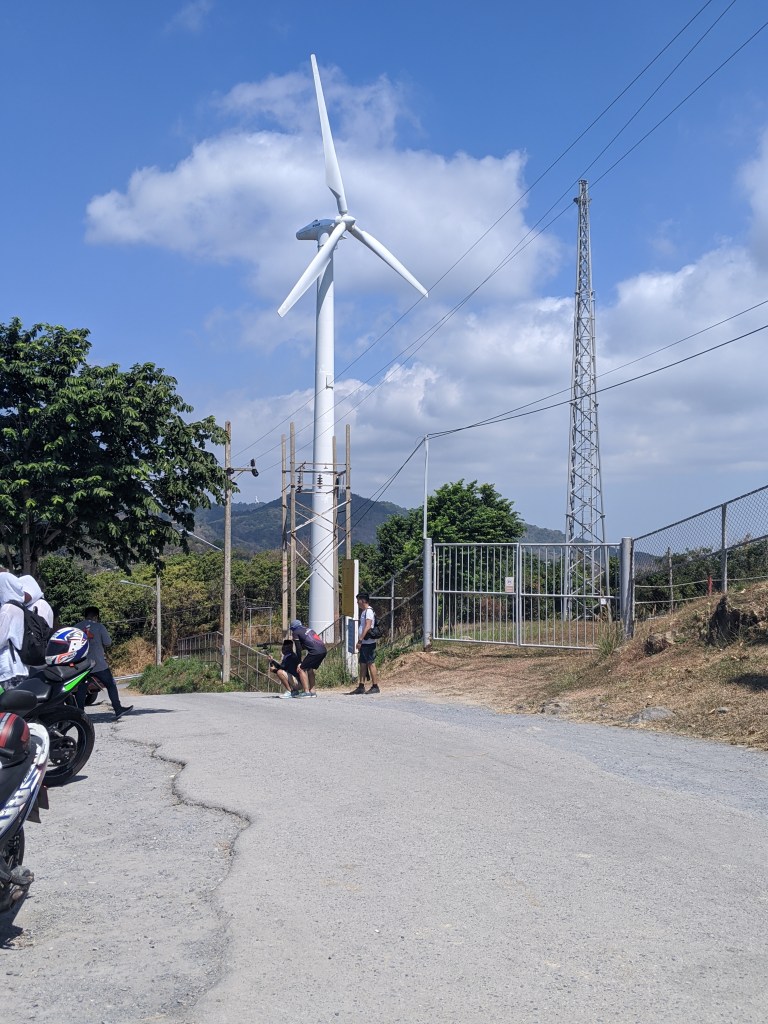
This high hill overlooking the popular Ya Nui Beach on one side, and the bay of Nai Harn on the other, is called the Windmill Viewpoint, The Windmill is actually a huge wind turbine that is visible for miles around. Our first sight was an interesting green-coloured Buddhist shrine containing offerings of flowers, fronted by an impressive pair of Elephant statues. I have included a photograph of this at the bottom of this post. The view here was spectacular with a cloudless blue sky overlooking a darker blue sea. The green vegetation on the hillside, consisting mainly of palms and cacti, looked beautiful. We were high above Ya Nui Beach, looking down on the tiny figures of people on the beach below. The deep-blue sea was dotted with small boats. Passing sea traffic, ranging from long-tail boats to fishing boats heading out into the Andaman sea, This impressive viewpoint overlooks a tiny, green, tree-covered island, named ‘Koh Man’, which reminded me of a tiny green emerald set in a sapphire blue sea. These beautiful photographs brighten up our strangely compressed lockdown days. We can but relive the memories. Perhaps one day Margaret and I will safely return to our travels again. Stay safe and keep well. Love ❤️ and Peace ☮️ from John and Margaret
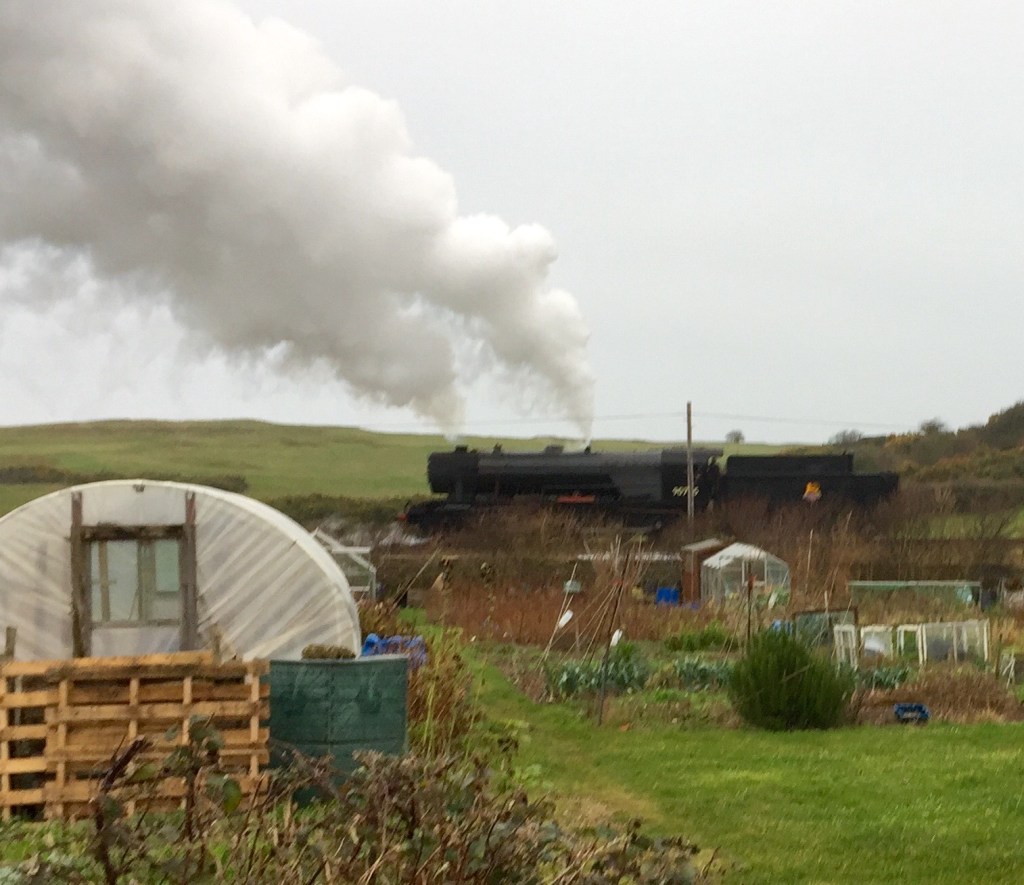
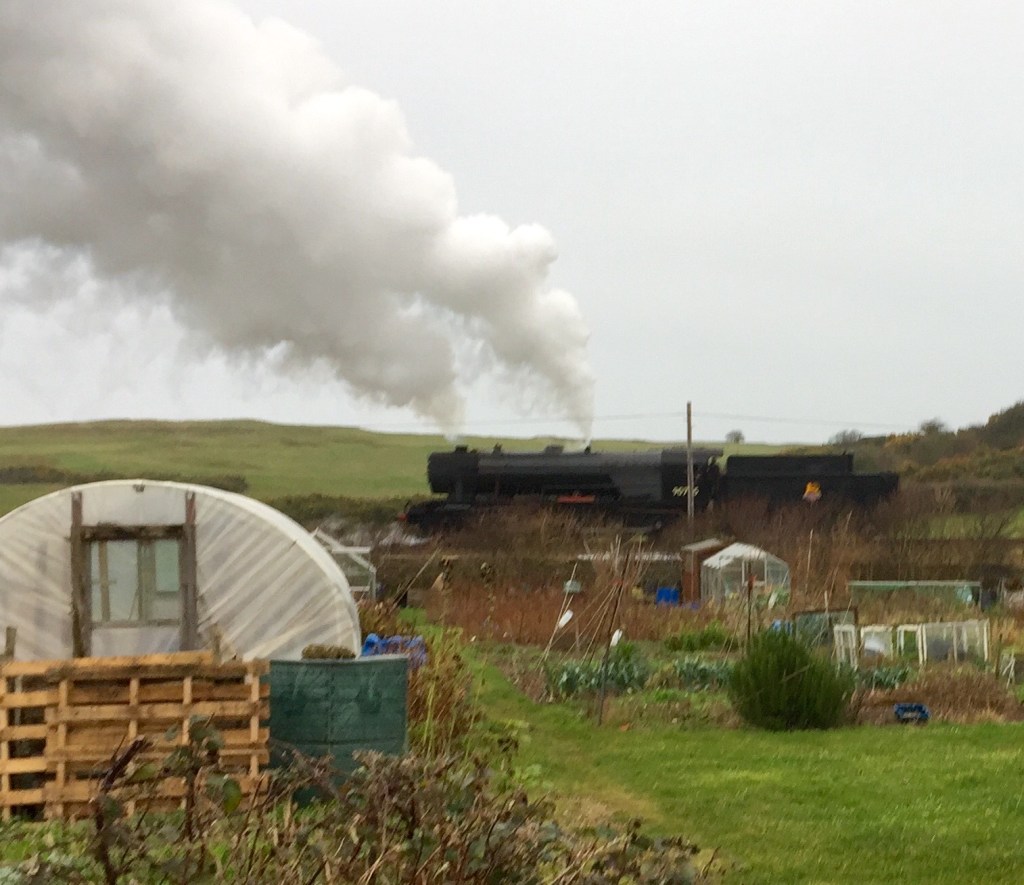
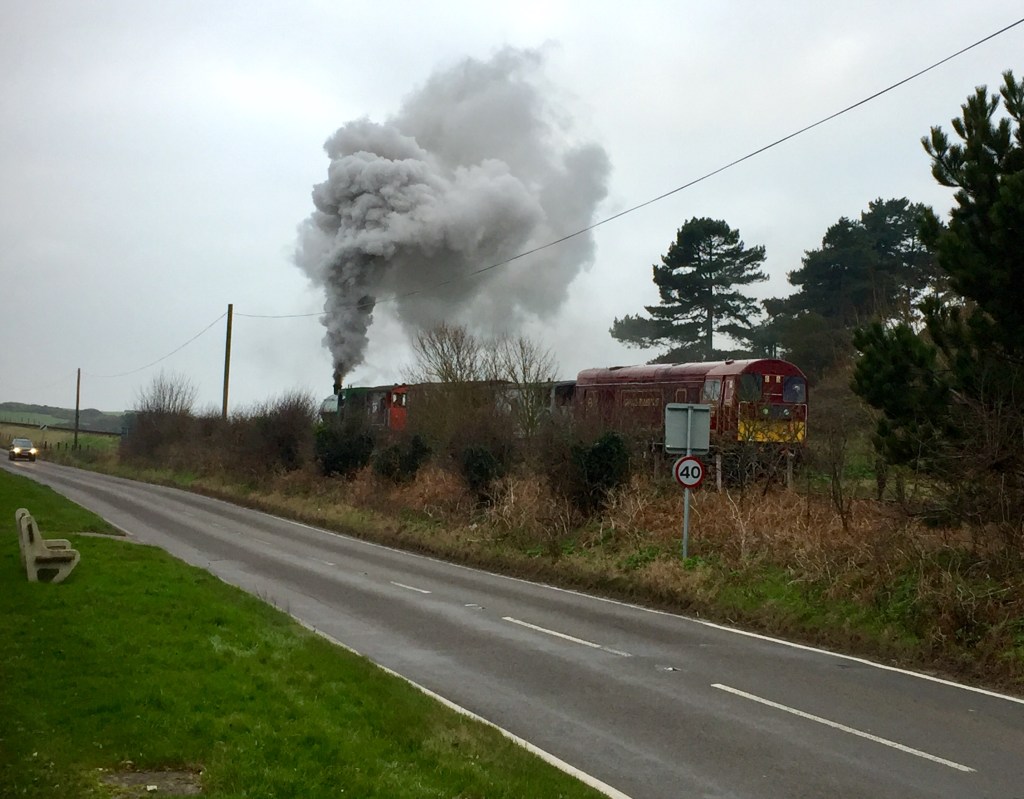
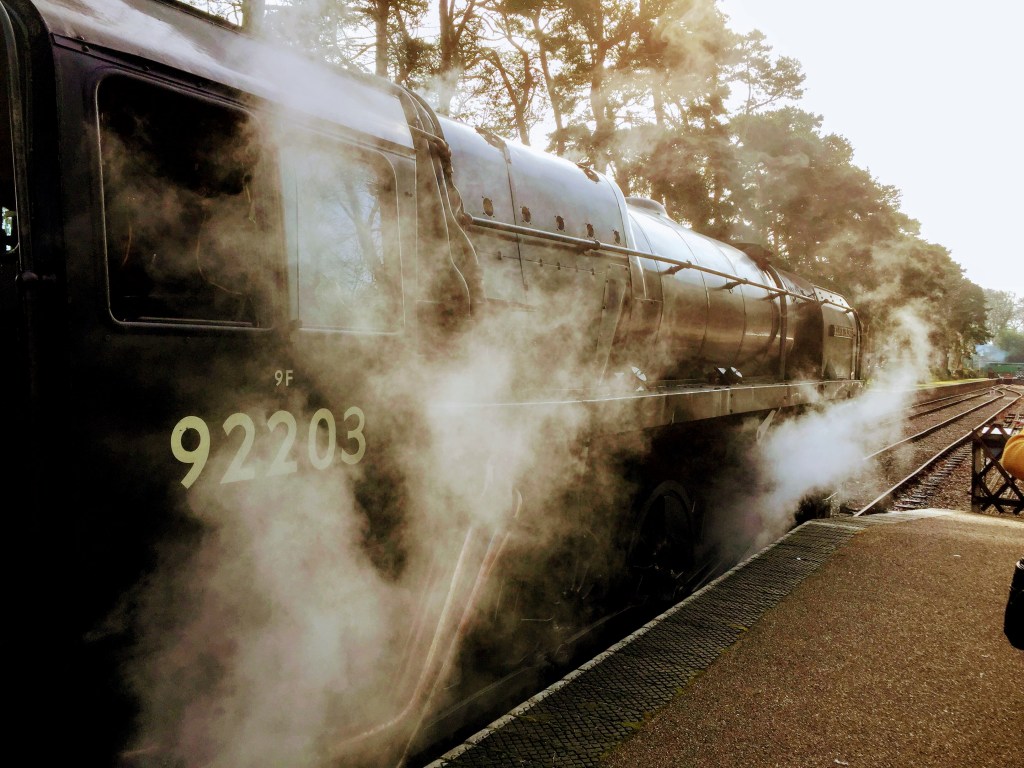
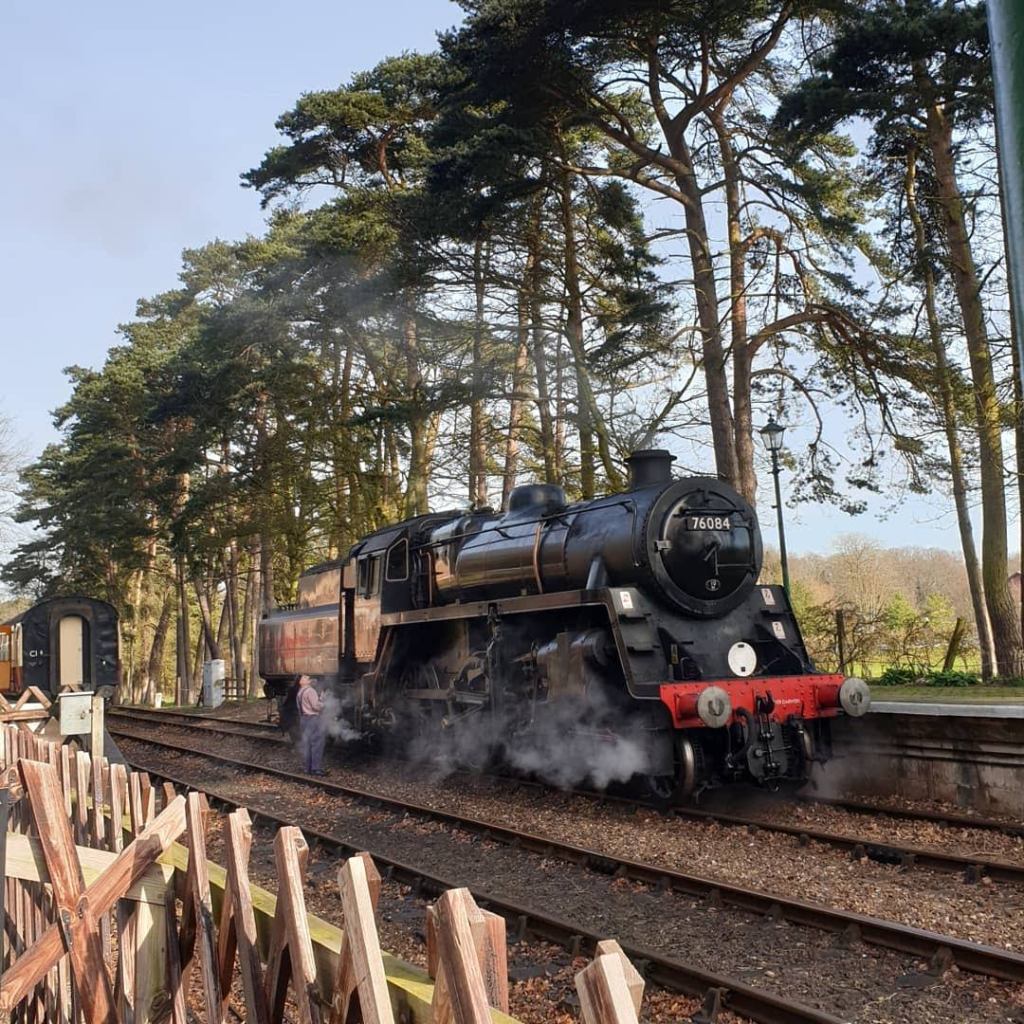
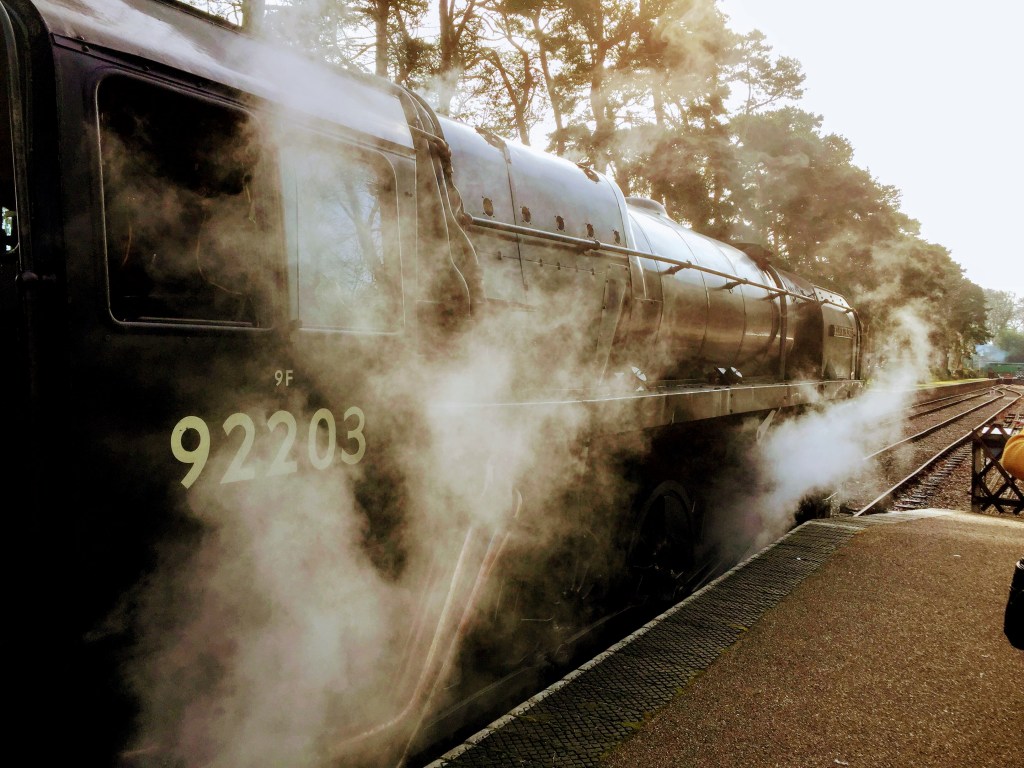
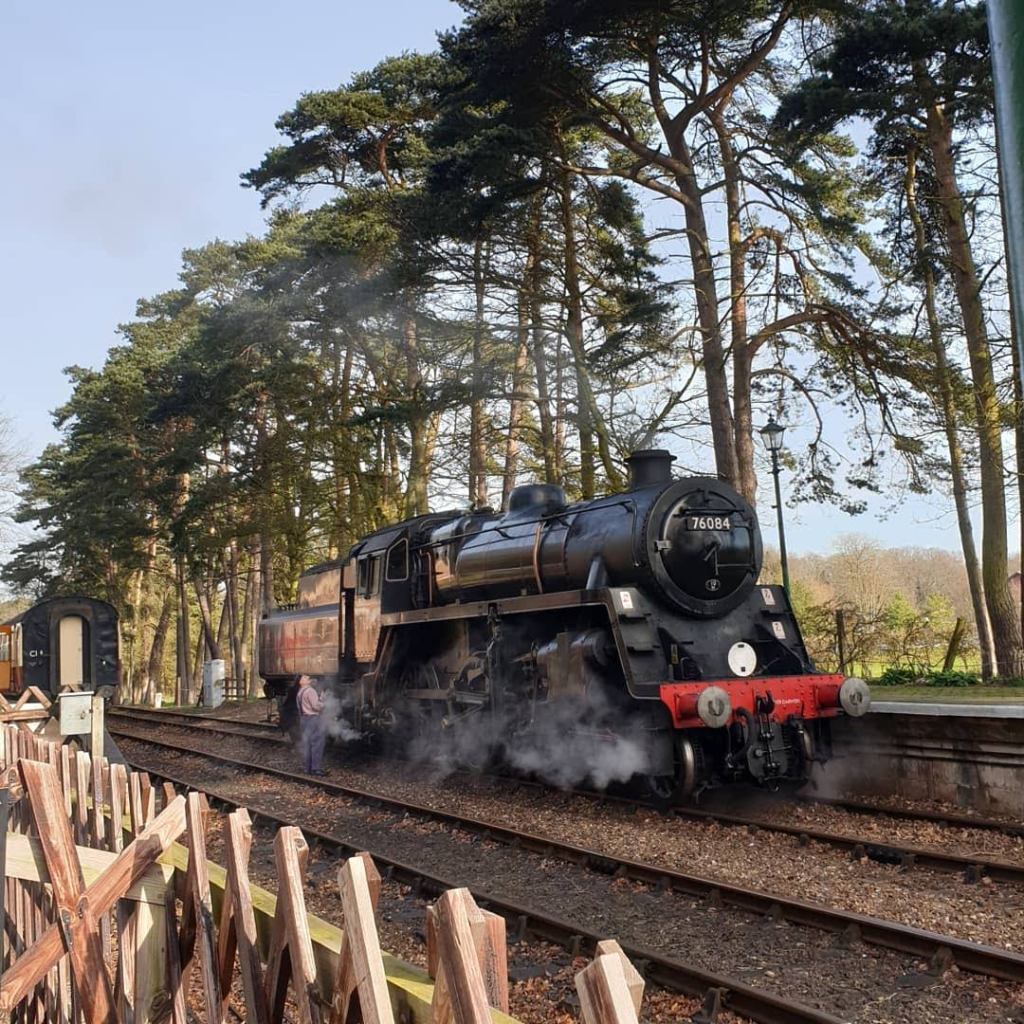
I snapped the above photograph when Margaret and I travelled on the train pictured above last Summer. Hopefully the leisure steam train industry will survive the current lockdown ban, due to the Coronavirus pandemic.
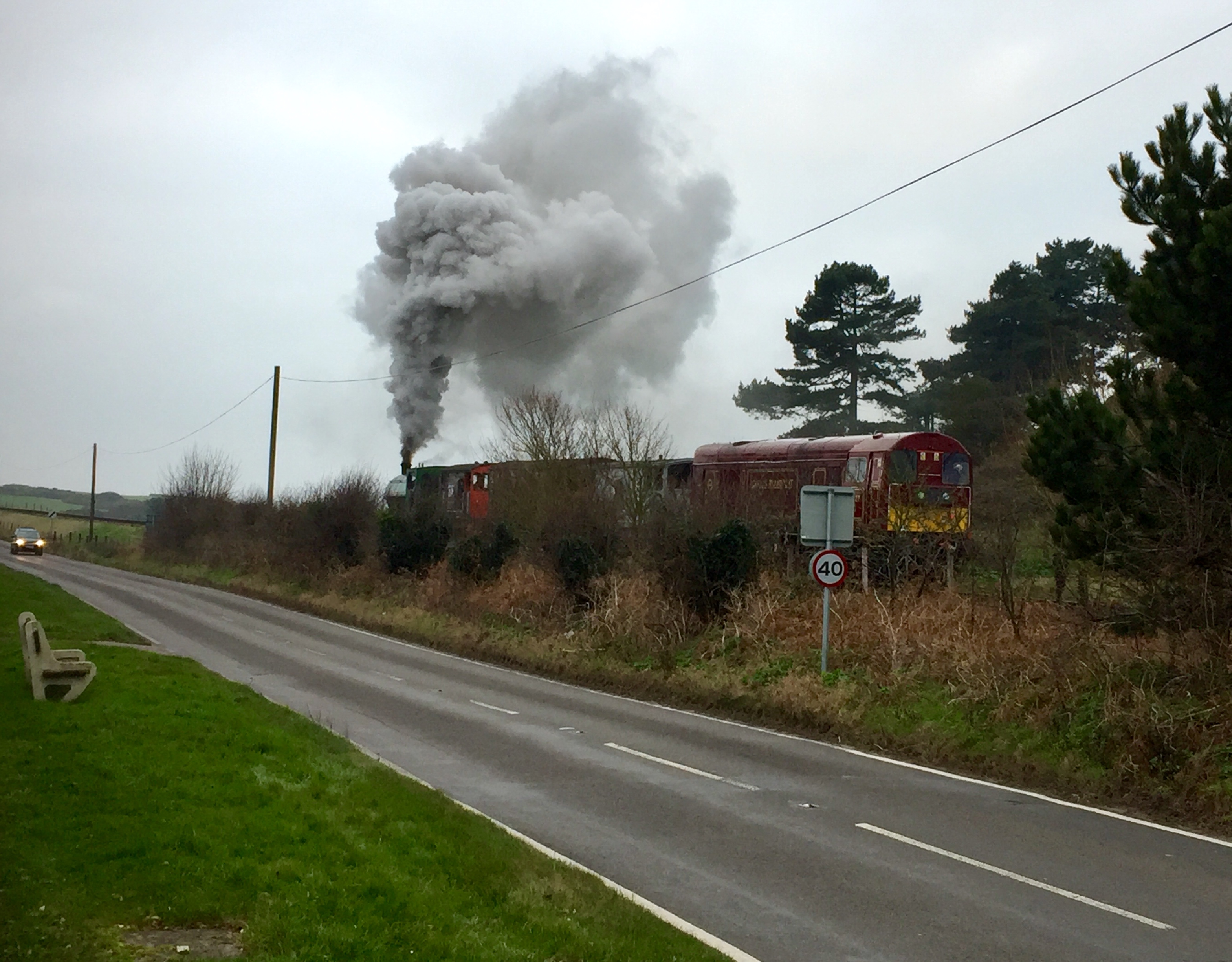
This wonderful image takes me back in time to the days when these wonderful steam trains would transport millions of people from town to city to metropolis around the various railway lines across the world. Nowadays they mainly carry tourists and leisure time enthusiasts on short journeys from point A to point B. Sadly, due to government restrictions on the use of coal to enable the country to become carbon neutral in the future, it’s feared that the price of coal will go through the roof and these wonderful railway engines will become uneconomical to use. This will make photographs like this rarer and rarer, as demand for the steam railway leisure industry declines for lack of affordable seats.
Margaret and I have had the pleasure of riding on the North Norfolk Poppy steam train line on a number of occasions with various grandchildren. It’s always a delight to see the children’s faces light up as they watch the fires being stoked in the engine, before boarding. The authentic carriages are comfortable and the windows look out onto a wonderful view of the countryside as the train sedately steams along. These railways are staffed by volunteers who are always dressed in the original style uniforms. The children love to see them acting their parts as guards and ticket collectors and there is usually a stationmaster on hand when the intrepid tourist travellers board and exit the trains. Thankfully, I’m sure these smoke-emitting, steamy trains will survive, in spite of the smoky coal-fired air surrounding them, wherever they travel. They should forever bring pleasure to children of all ages who delight in reliving History.
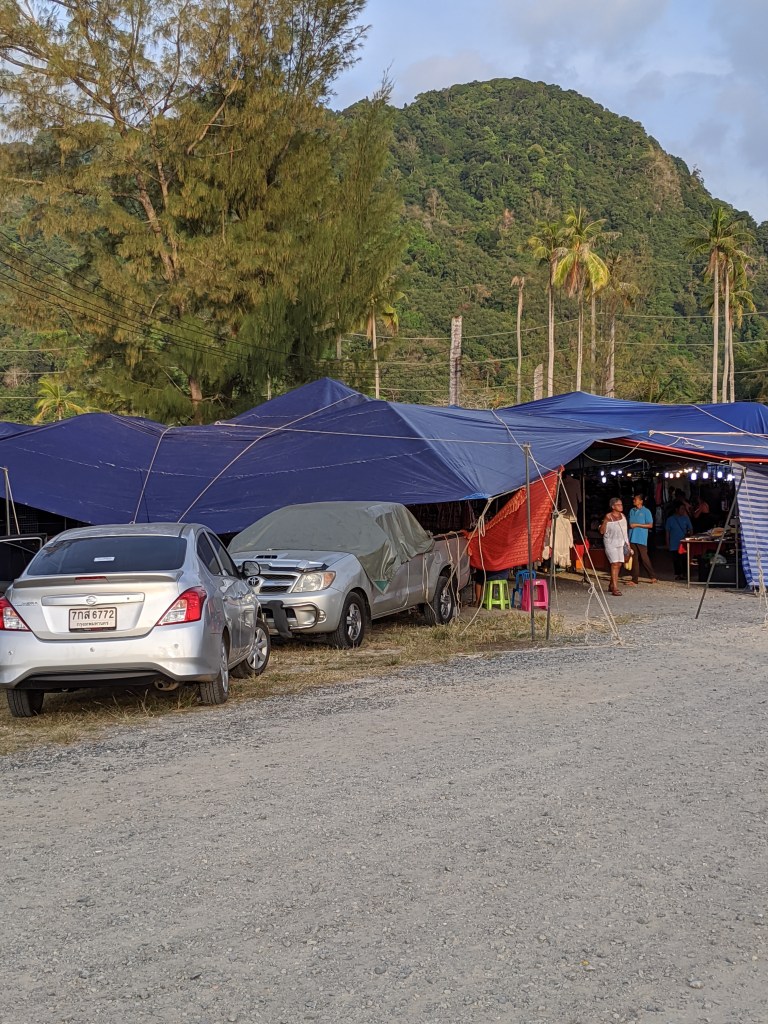
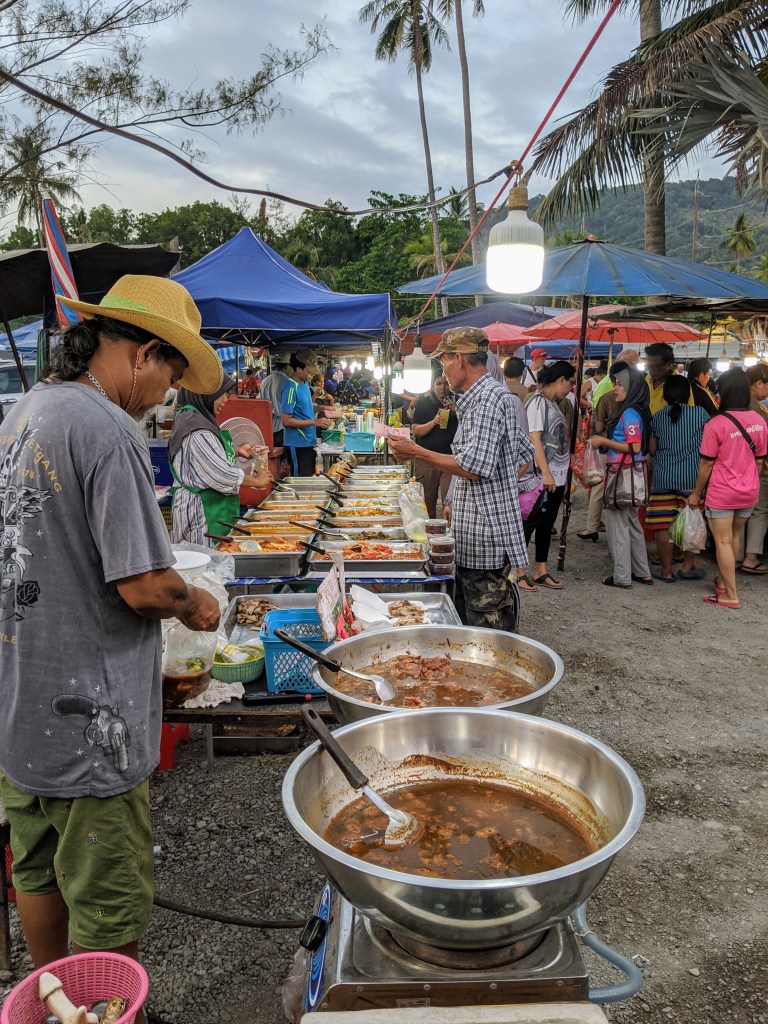
A memorable facet of our trip to sample the culture of Thailand were our visits to the outdoor night markets. One particular small market we visited was an eye-opening experience to say the least.
The market took place on a piece of waste ground where some large marquees were erected. The market was crowded with people, both visitors to the island and many local people.
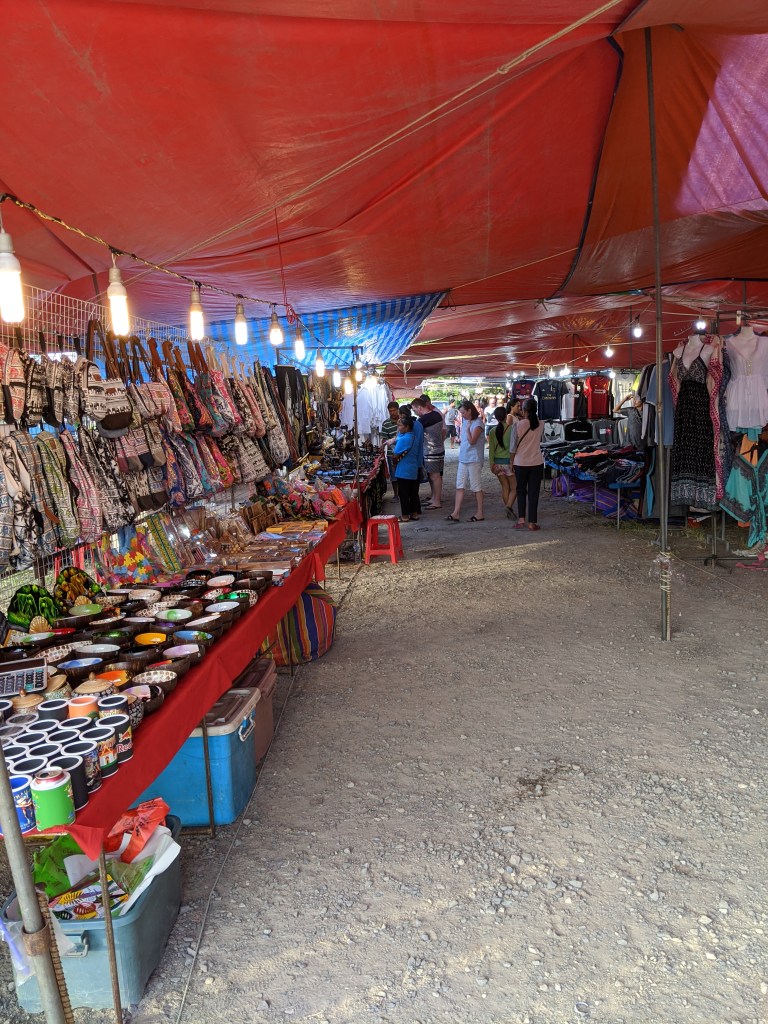
Many stalls were selling electronic goods, souvenirs, and jewellery. A large variety of goods for sale at negotiable prices
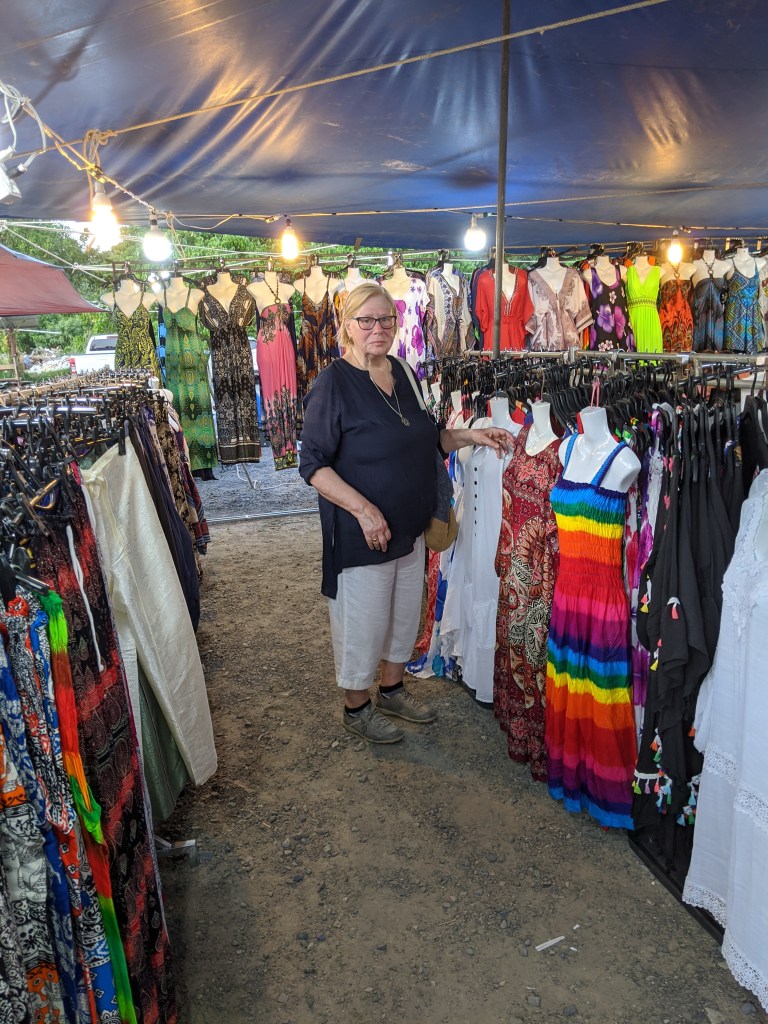
Colourful clothes on sale prices subject to the bartering process.
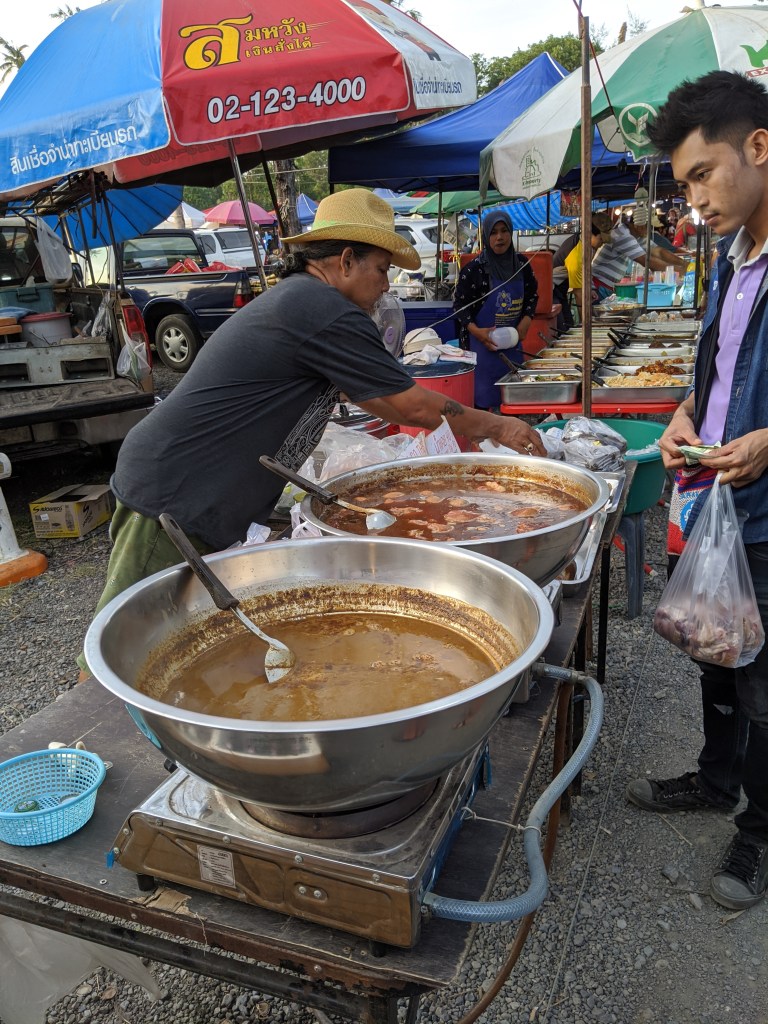
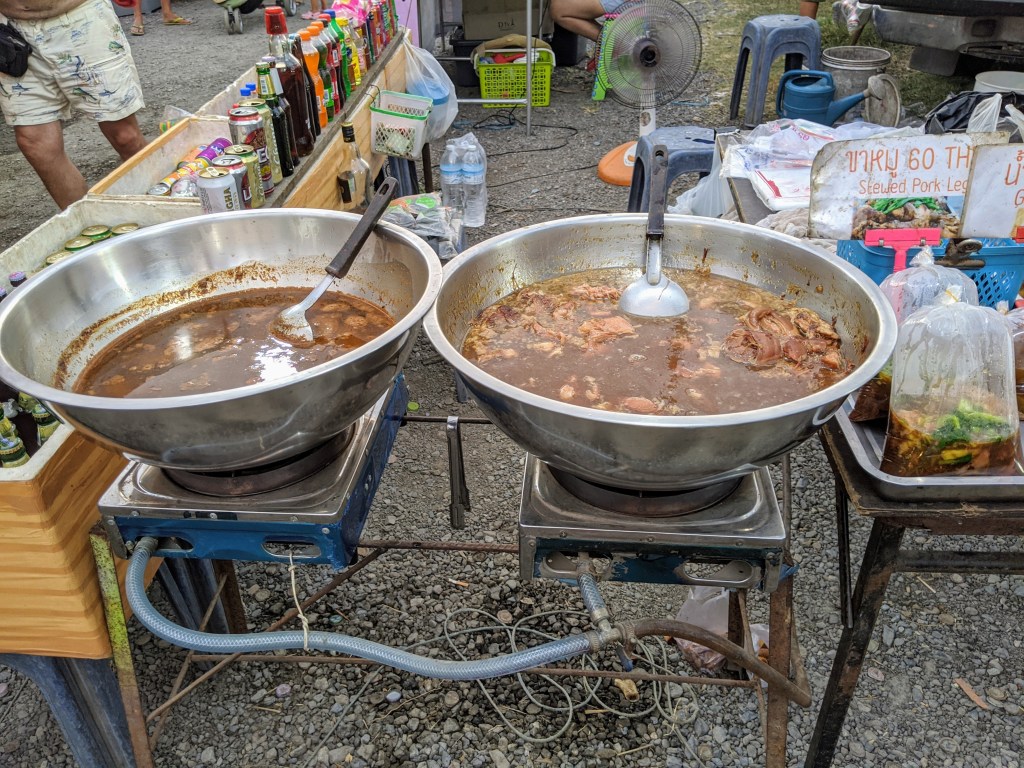
There were the usual preponderance of clothing stalls, many selling clothes with designer names and labels.Interesting cauldrons of exotic soup.
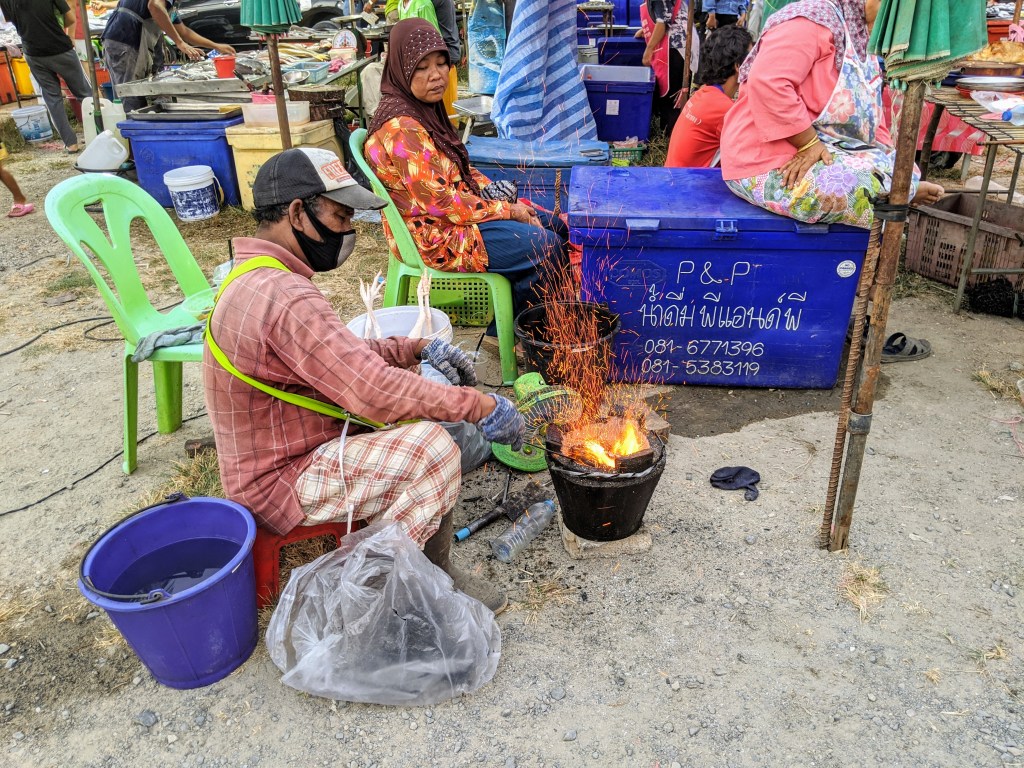
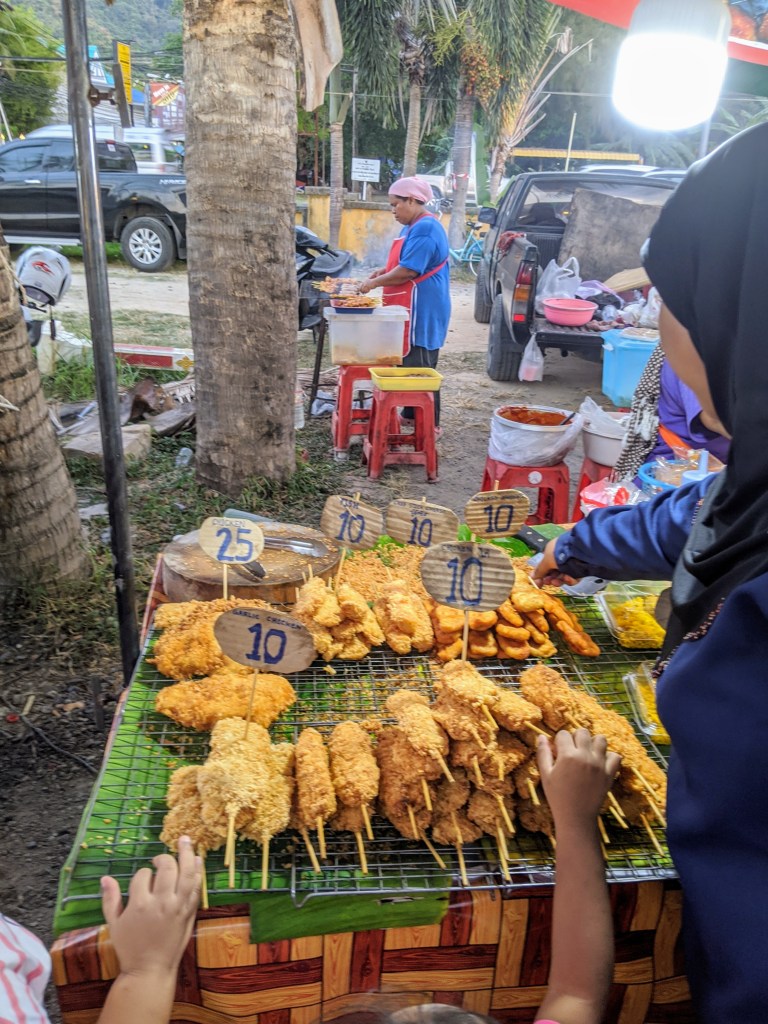
At the far end of this busy thriving market was an area with food stalls, where cooked chicken, soup and pastries were being prepared while you wait.The open flame griddle in action.
Instant street food!
Stalls selling exotic fruits and vegetables were doing a roaring trade, obviously popular with the local people and the visitors.
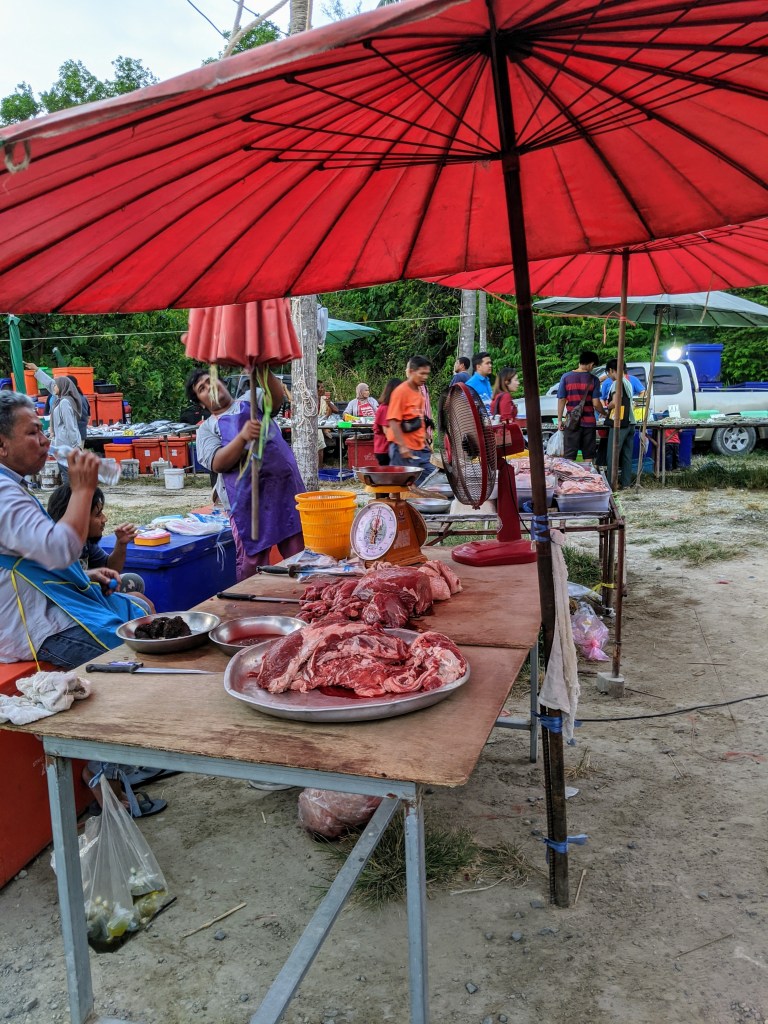
Red meat on sale.
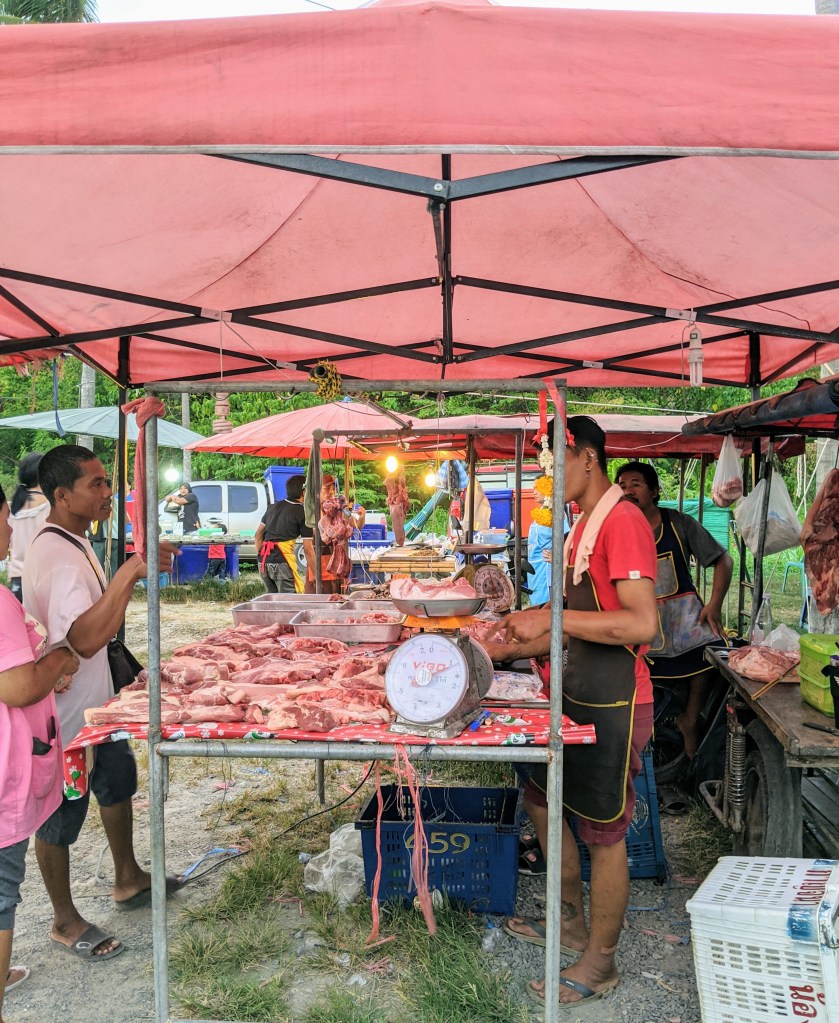
However the most shocking sight to confront our delicate, educated systems were the stalls preparing and selling raw meat and fish.
Cuts of meat exposed to the open air.
Raw red meat and raw poultry were, cut, chopped and displayed on the stalls in the open air. The blood dripping from the cuts of meat attracted zillions of flies and apart from the occasional whisk with a swatter, there was absolutely nothing that could be done about it.Street food cooked on the stalls.
Fresh fish was piled up on one stall and was selling briskly.
Street food cooked and rapidly sold.Food for thought.The atmosphere of this colourful market was wonderful to experience and we happily wandered around bartering for our purchases.One reaction to our visit was my resolution never to be tempted to buy street food abroad ever again.