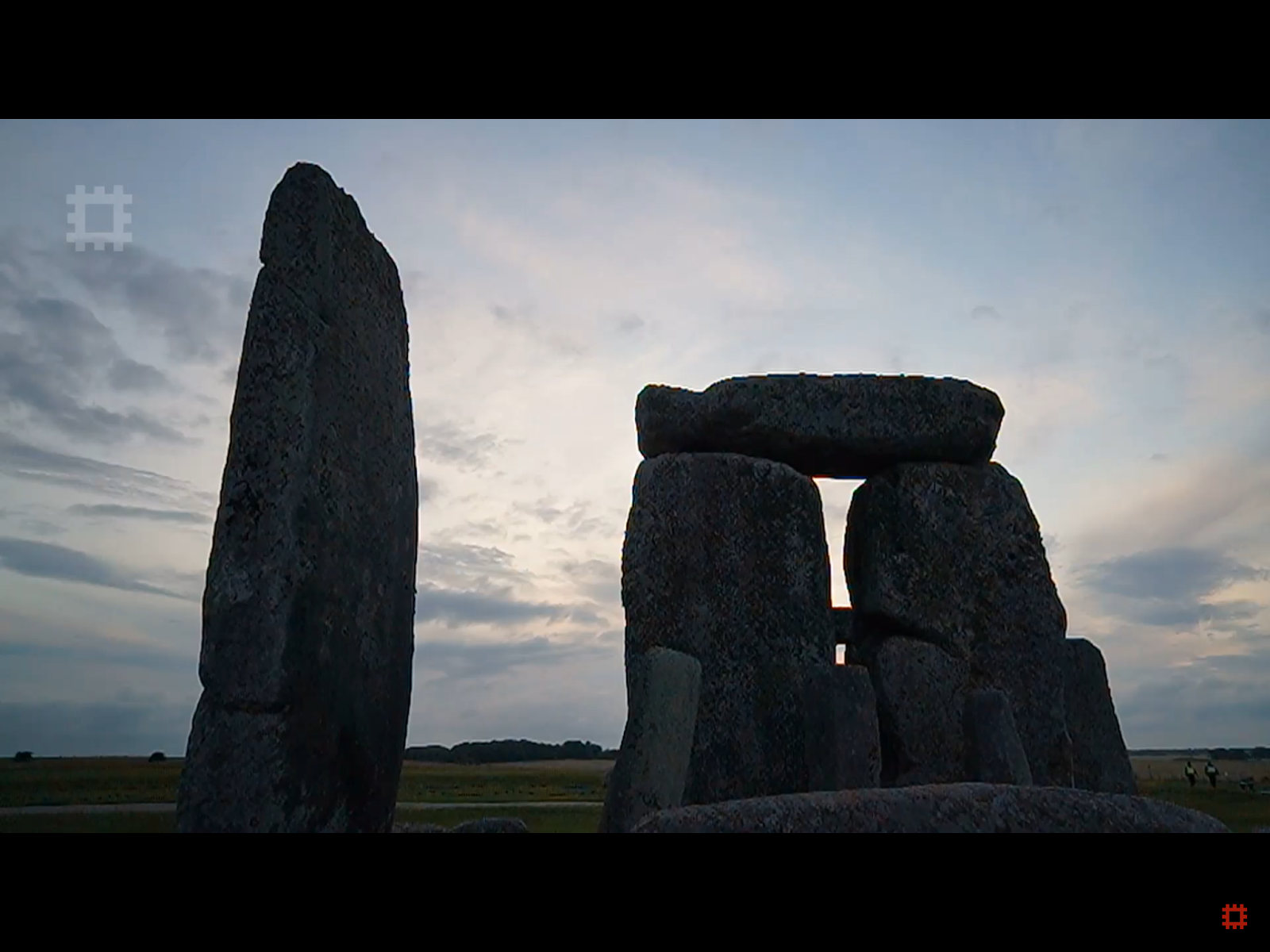
Image was a screenshot I took from the English Heritage live video.
SATURDAY 20th JUNE 2020 ~ BLOG POST
SUMMER SOLSTICE
by John Yeo
Today is Midsummer day and the celebration of the Summer Solstice at Stonehenge, in Wiltshire. I’ve never had the opportunity to enjoy the pleasure of experiencing this amazing sight in reality. To my delight, English Heritage announced they would be setting up a live stream to enable people to view and virtually celebrate the Solstice at Stonehenge. We tuned in to YouTube and set the live video stream going. At first it seemed to be something of an anticlimax. The sky above the iconic stones was quite cloudy at 21:10; sunset was predicted to be a 21:27. There was no commentary but the camera occasionally panned around the standing stones. At one angle the setting solstice sun was quite bright and obviously the view from the other side was almost black, full of interesting evening shadows. I remarked to Margaret that it would probably feel quite uncomfortable if you were there alone.
The wealth of mysterious legends and fables based around Stonehenge are enough to fill the culpable mind full of awesome dread of Stonehenge. The Druids are a religious sect who once used Stonehenge as a temple, in fact I believe the modern day equivalent Druids still use the ancient stones. The famous sacrificial stone is a highlight of every visit, although there is no direct evidence it was ever used for sacrifice.
The sunset was incredibly dark and obscured by a cloudy sky.
The sunrise in the morning will be at 04:52 and should certainly be more of a spectacle.
Sunday 21st June 2020
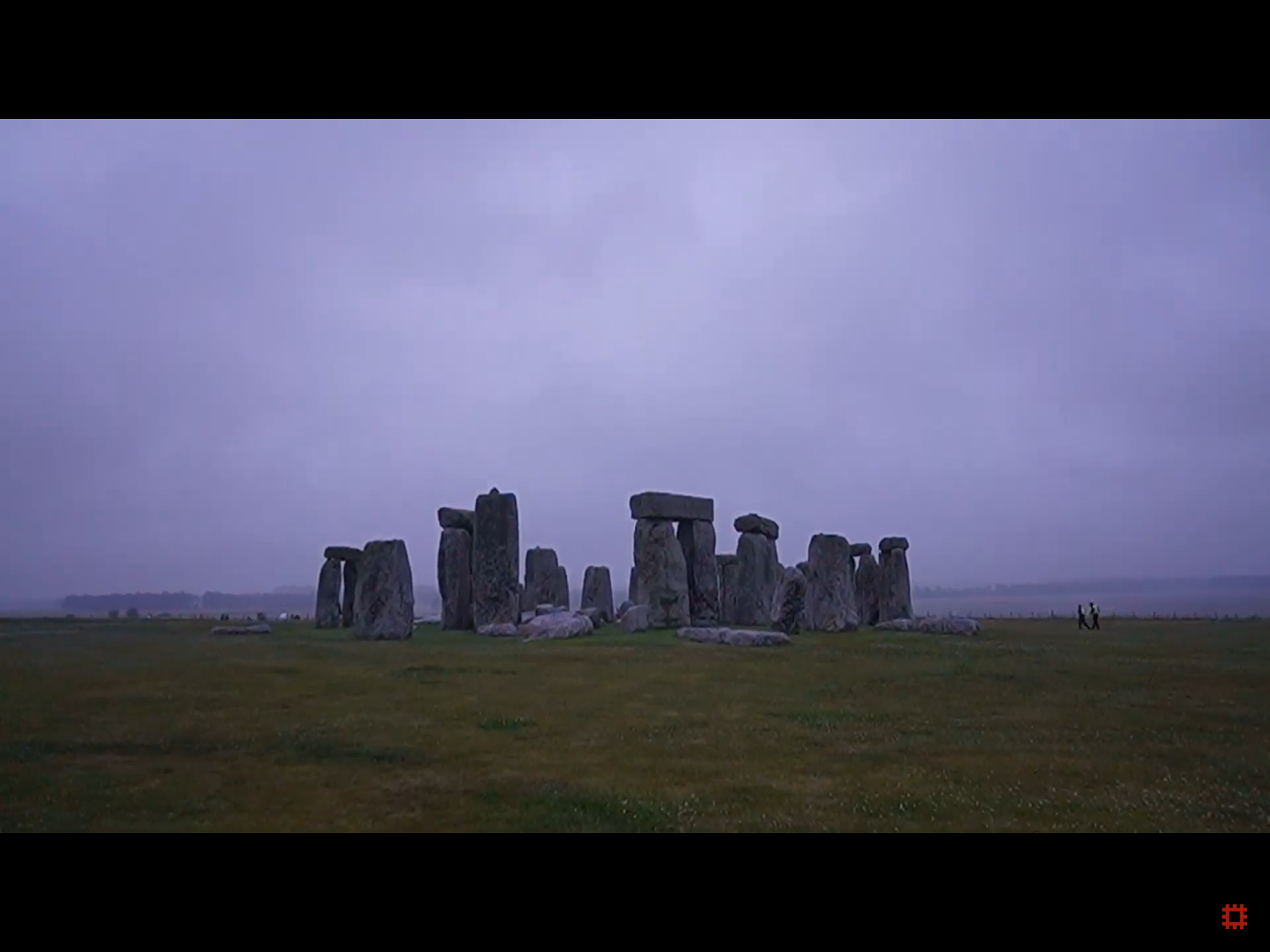
I woke up in time to view the live stream video of the sunrise over Stonehenge. The sun rose at 04:52 but unfortunately the sky was covered with thick clouds and the spectacular sunrise didn’t occur.
I snapped a screenshot from the live video. Sadly a gray dreary start.
HAPPY SOLSTICE!
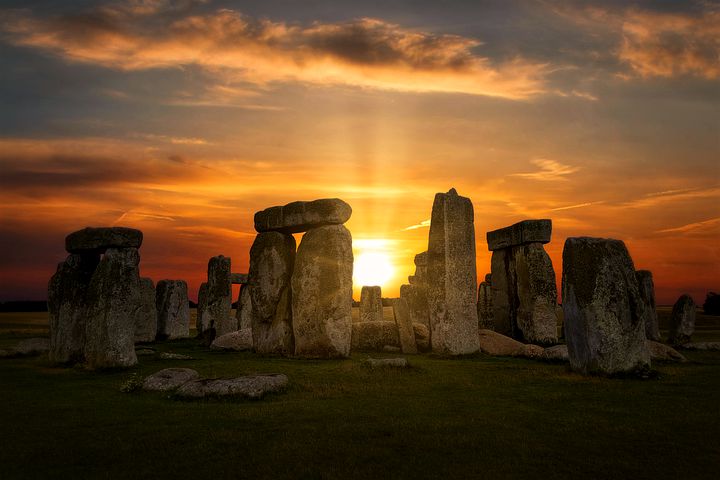
Another screenshot of the unspectacular Summer Solstice sunrise.I downloaded this image from the internet to remind me of things that might have been.
Image from the net credited to the Financial Times.
FRIDAY 19th JUNE 2020 ~ BLOG POST
A SMALL ISLAND
by John Yeo
We watched a performance of ‘A Small Island,’ screened by the National Theatre. This is a play based on a novel by Andrea Levy, who sadly passed away from Cancer before she was able to see it.
This play is based on the Windrush scandal. A reflection of the time when many people from Jamaica in the West Indies arrived in England as citizens. Many of these people had earned their citizenship by fighting for their colonial Mother country of England during the Second World War. Jamaica was a colony of the British Empire and this gave these people the right to take up citizenship in Britain.
The play focussed on a few unfortunate people who had arrived in England from their homes in Jamaica to live and work.
The play started in the West Indies by highlighting the shortage of employment and the frequent hurricanes and tropical storms that afflict Jamaica. England became something of a paradise, where jobs and houses were freely available and the expectations of these people’s dreams were clearly evident.
Some had dreams of taking up professional careers or joining the forces when they reached England.
The play focused partly on one couple. The man Gilbert, joined the Air Force and had plans to study to become a lawyer. The scene when he was interviewed for his career was illuminating as he was promised a high position. This never materialised as he was immediately placed in a menial position as a driver. The first example of the huge letdown most of these people would experience.
A young light skinned, half caste lady, named Hortense, wanted to go to England but single young women were discouraged from applying and she was at her wits end. The only way she could get accepted was to go through a marriage ceremony with her friend Gilbert who would then send for her as his wife. Hortense was a teacher and she planned to continue her teaching profession in England.
Meanwhile Gilbert had settled in England and after he had left the Air Force, he desperately tried to get a job. He had little success, due to the overt racism of the times. He was subjected to some terrible racial abuse during his employment and was attacked at his place of work.
He tried everywhere to secure some comfortable accommodation to rent but once again ingrained racism reared its ugly head with landlords refusing to let their properties to black people. He finally managed to rent a shabby one-roomed bedsit from a landlady named, Queenie, who desperately needed the income from a few rooms in her house and she was happy to accept black and coloured people.
Eventually Gilbert sent for Hortense, who arrived and was shocked to discover the living conditions in the bedsit.
The racism and the trials and tribulations this couple went through were harrowing to say the least. This story is riddled with some obnoxious scenes of the horrible challenges facing black people in England during this period.
Queenie, the landlady gives birth to a black child, the result of a liaison with a former tenant. Meanwhile her husband had unexpectedly returned from a forces posting in India and is revealed to be an extreme racist. He demands that Gilbert and Hortense get out of his house immediately.
Gilbert and Hortense find somewhere else to live and the play finishes with Queenie, the landlady, begging them to take her black child with them as she believed this would be the only way her child could ever expect to be accepted into British society.
I was vaguely aware of the so-called Windrush scandal, when thousands of black people arrived in England looking for a better life. This eye-opening play revealed the shocking depths of racism that was ingrained throughout society at that period in time. I’m sure there are residues of these cruel, unfortunate, unforgivable attitudes running through all strands of our society still. I think by screening this play the National Theatre has done a powerful service to the Black Lives Matter campaign.
Write a piece describing the devastating effect of the Coronavirus Covid19 on a single family.
DEVASTATION
by John Yeo
Jose was a successful hotelier, his wife Maria was his backbone and his inspiration. They had built up La Casa del Puenta. The hotel was excellent and attracted many tourists from around the world. They had a reputation of being the first hotel in Spain to have been awarded a certificate of excellence by Jules Fargo, a well known travel experience organisation that could make or break the future of a hotel.
It was during the high season that the rumours of something nasty began swirling around the media waves. It was Maria who became worried first, her sister had suddenly become seriously ill and was in a large hospital in the city.
‘Jose,’ she said, out of the blue one day, ‘I have to take the day off tomorrow to go and visit Consuella in hospital.’
Without hesitation, Jose said. ‘Of course darling, I will manage. You have built up some wonderfully adaptable staff to cover for you.’
‘Thanks Jose, I will give her your love and take a few things to ease her stay while she’s in hospital. I don’t know quite what’s wrong with her exactly but I’m sure she will get over it.’
Little did either of them realise what life-changing events were about to happen that would have untold repercussions on their comfortable everyday life.
Later that day the news broke of the serious infectious disease that was sweeping through Spain. The news bulletins on the media were frantically warning people not to travel. To stay put, and keep themselves isolated from everyone else. The hotel emptied over the course of that single day, as guests checked out. The hotel reception desk telephones were constantly busy with people ringing to cancel their bookings.
Some members of the hotel staff immediately packed up and left, to be with their homes and families, contrary to the official advice. Suddenly everyone who Jose and Maria came into contact with was wearing a medical mask. Maria had instantly dropped her plan to visit her sister in the city, as the significance of what was happening became clearer.
The food deliveries suddenly dried up except for a few local farmers who dropped off their produce directly to the hotel.
Information began to become clear, the country was in the grip of a worldwide pandemic. A deadly disease was sweeping the world and had reached Spain. The advice was to stay put and not go outside.
Over the next few days the hotel became like a large hollow shell, the swimming pools were deserted with the bars and the restaurant permanently empty. None of the loyal hotel staff remained as they had slowly fled home to their families, contrary to the government advice. Jose and Maria kept to their suite. The freezers in the kitchens were full of frozen food, and the wine cellar was reasonably stocked. However they had to spend a long time just destroying the fresh food and filling the bins.
Horror-stricken, they had kept up with the news of the deadly outbreak and as the body counts grew on a daily basis they became increasingly frightened.
One positive thing that was happening was the continued visits of Farmer Lorenzo, bringing fresh milk, eggs and bread and most importantly local news.
Apparently many local people were sick and there was much sadness and the streets were deserted wherever you went.
Lorenzo said, ‘I dare not walk on the streets of town as some young men are breaking into local shops to steal food.’
Maria replied, ‘Oh no! Where are the police?’
‘The police are forced to keep the peace, but there is a lot of sympathy for the hungry people. Food stocks are running short, due to stockpiling by the wealthy.’ replied Lorenzo.
Two weeks later when Lorenzo arrived with his fresh produce he found the hotel deserted. The local postman shouted from his van parked across the road. They are both in the general hospital, seriously ill with this evil virus. Lorenzo couldn’t control the tears that formed in his dark brown eyes.
Today I will focus on our Asparagus beds on the allotment The photograph above was snapped earlier today after I had spent a couple of hours weeding and manuring the beds with compost.
The compost I’ve used is a mixture of well-rotted horse manure and some of our waste kitchen vegetable matter. There’s also a good portion of grass cuttings and some shredded paper. A good combination of nutrition for these greedy feeders. Over the past 25 years of growing Asparagus on allotments, I find this is a potent mixture indeed. In my opinion it’s wise to feed the plants twice a year. I choose to feed them in the early Spring and again when I’ve finished cutting the spears.
The nutritional benefits of eating Asparagus are many and this makes the effort of persevering with growing these attractive plants, worthwhile. Asparagus is a low calorie vegetable that is an excellent source of essential vitamins and minerals especially folate and vitamins A C and K.
The cutting season for me lasts about eight weeks, from the moment the spears first appear in the middle of April until the 15 June. This cut-off date is extremely important as the spears have time to develop into the attractive Asparagus fern. The ferns soak up the sunshine during the remainder of the Summer, which swells the roots to encourage a good crop of Asparagus spears the following year.
The most important threat to Asparagus is an infestation of the dreaded Asparagus beetle that lays its eggs on the emerging spears. They eat the spears as they lay their eggs, they also excrete a substance that is unsightly on the spears and the plants. The larvae eat the centres of the red Asparagus seeds and strip the leaves of the fern.
Over the years I find frequent cutting during the harvest season keeps this pest from laying eggs in the early part of the season. However the danger of infestation for me lies in the period directly after I’ve stopped harvesting, when the spears first appear before they transform into the impressive ferns. On the neighbouring allotment gardens there are many small patches of Asparagus plants growing and as the Asparagus beetle is a flying pest there’s a good chance of infestation from these sources. The only organic cure for the Asparagus beetle appears to be physically plucking the beetles and their eggs off the plants by hand and immersing them in soapy water.
At the end of the season the ferns turn yellow. This is the time to burn them, as opposed to composting them, to prevent any further infestation of the Asparagus beetle.
When first planting Asparagus crowns its best not to cut and harvest the spears for the first two years. Once they’re established Asparagus plants will continue to crop for over 20 years, if they are well looked after.
‘In mythology, Asparagus has been renowned since ancient times both as an aphrodisiac and medicinally, for its healing properties. … With its active compound asparagin stimulating the kidneys, bladder and liver, Asparagus is a powerful detoxifier.’
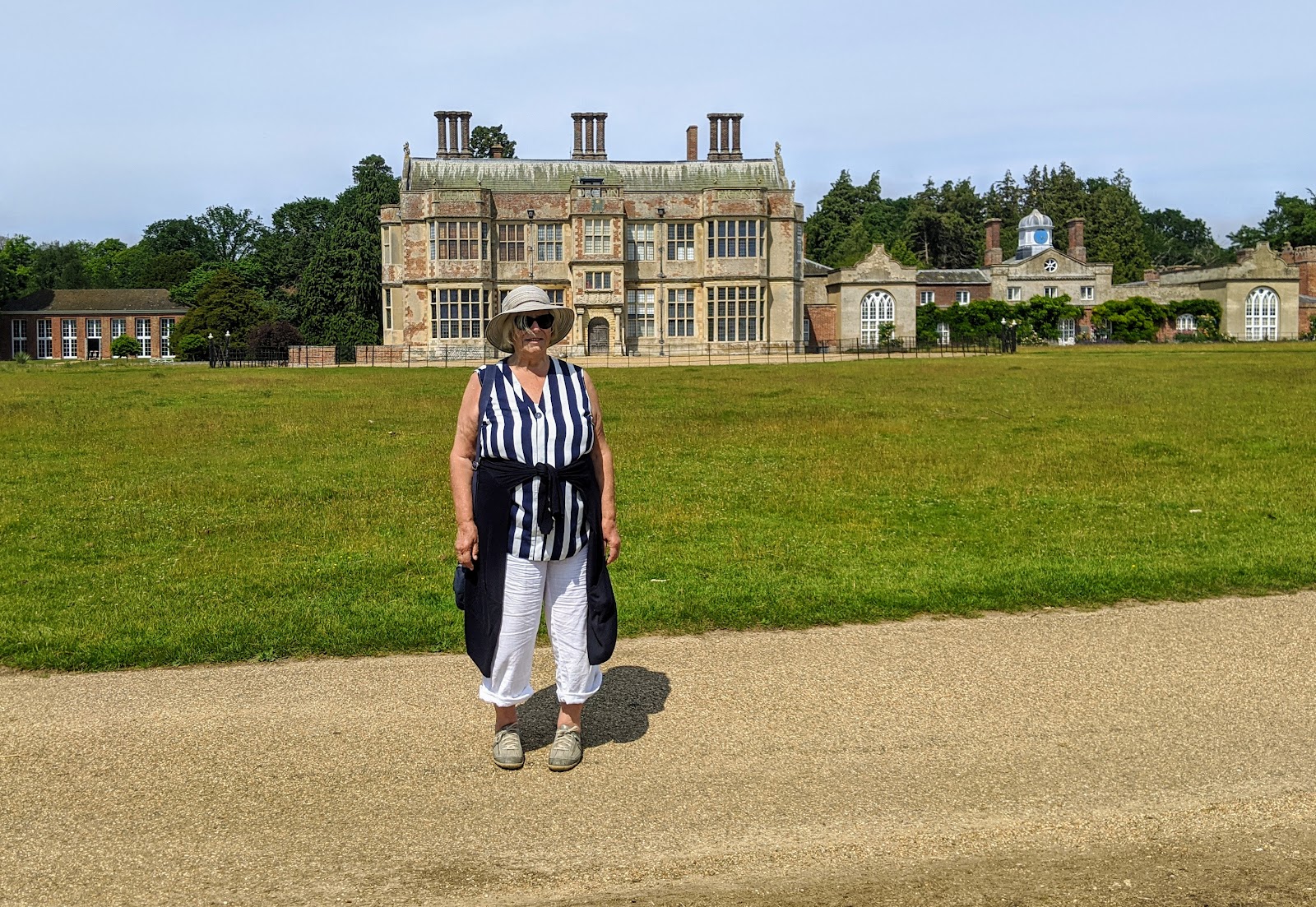
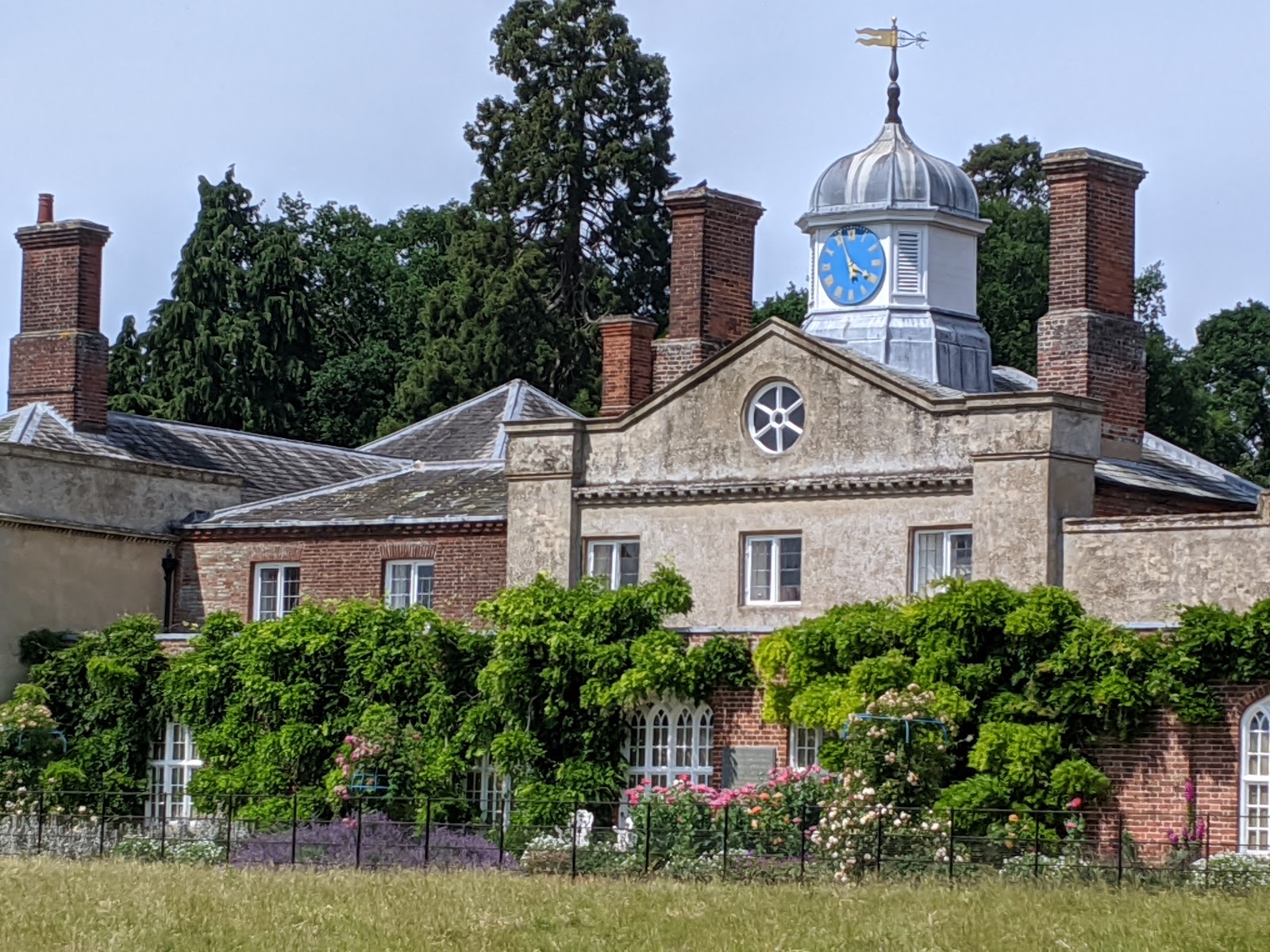
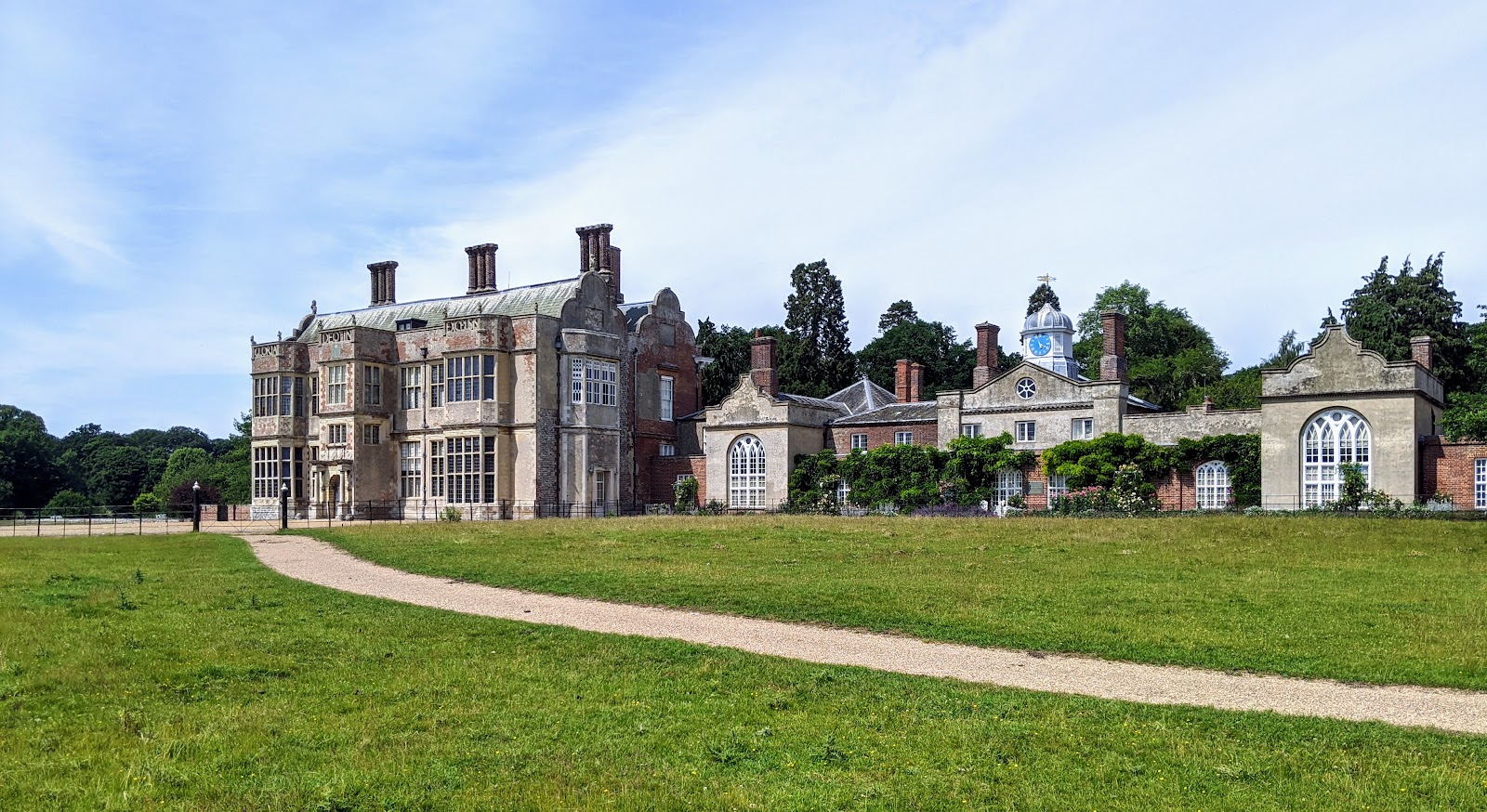
We decided to book a parking slot and visit Felbrigg Hall, a National Trust property.. We did try to book a visit to Sheringham Park, also part of the National Trust but there was a high demand for parking slots and we were unlucky. The after-effects of the partial lifting of the lock-down restrictions due to the Coronavirus has created a high demand for places in these open air environments.
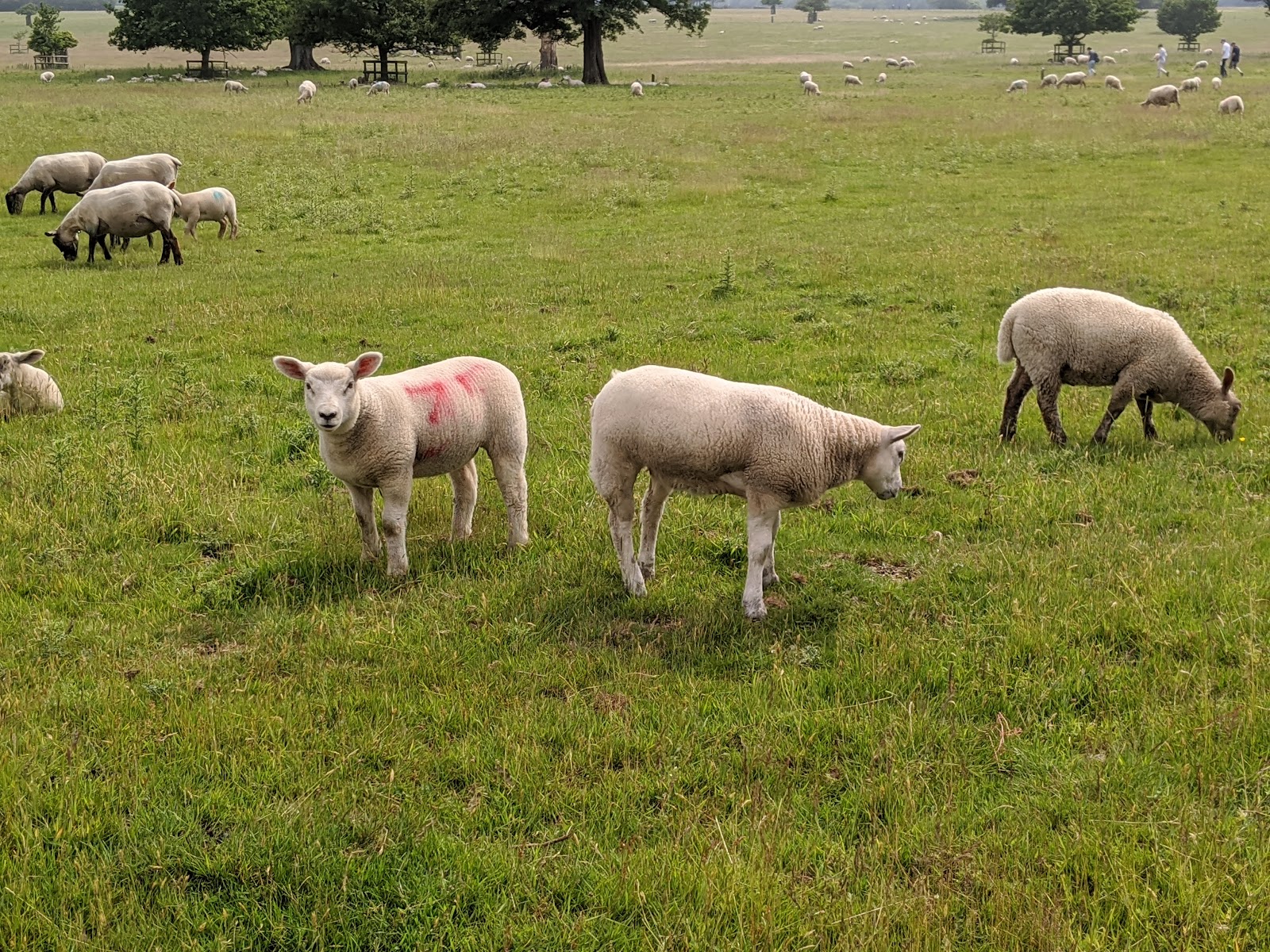
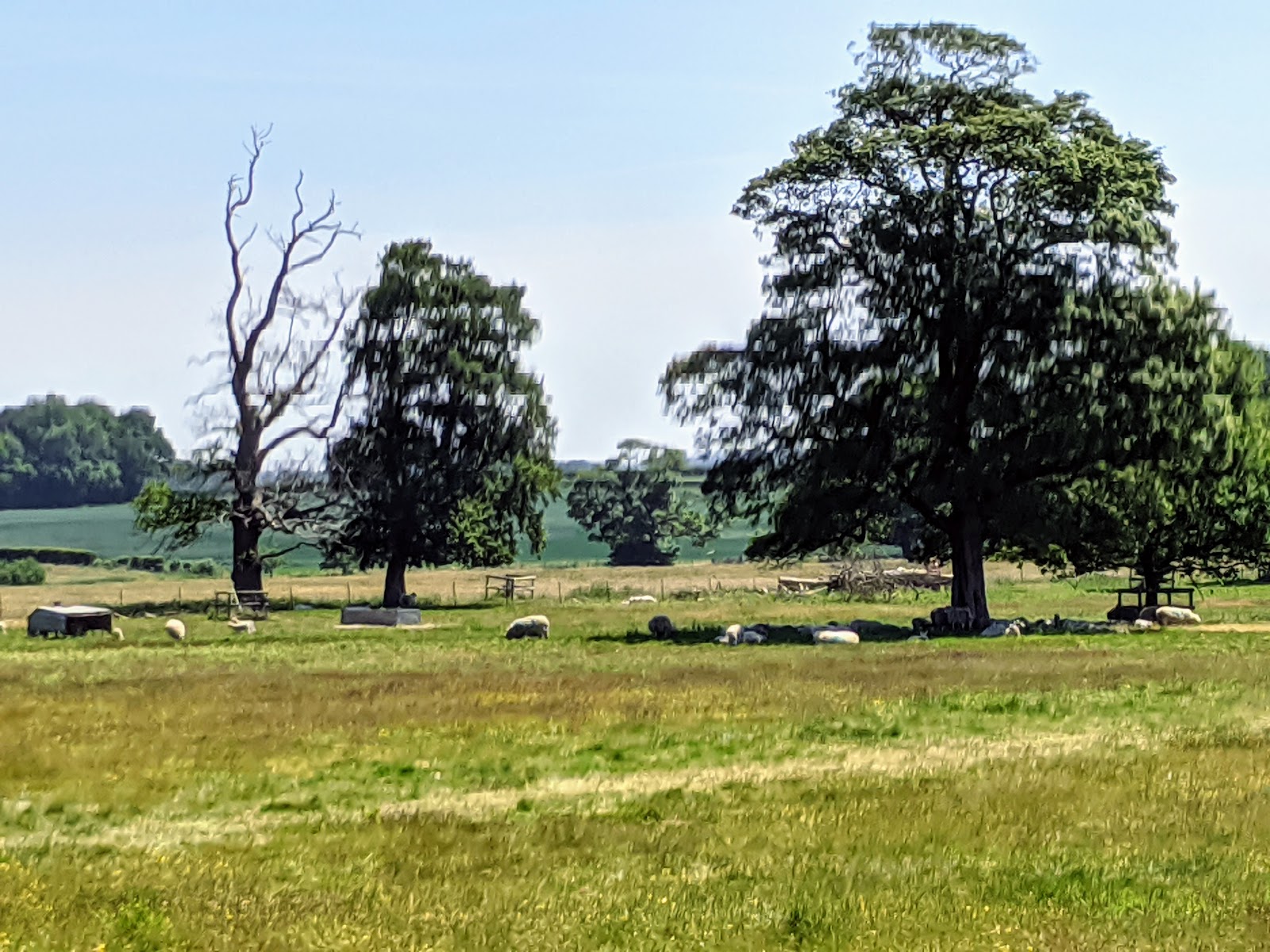
We parked our car in a lovely spot overlooking acres of fields full of cows, sheep and lambs munching the luscious green grass.
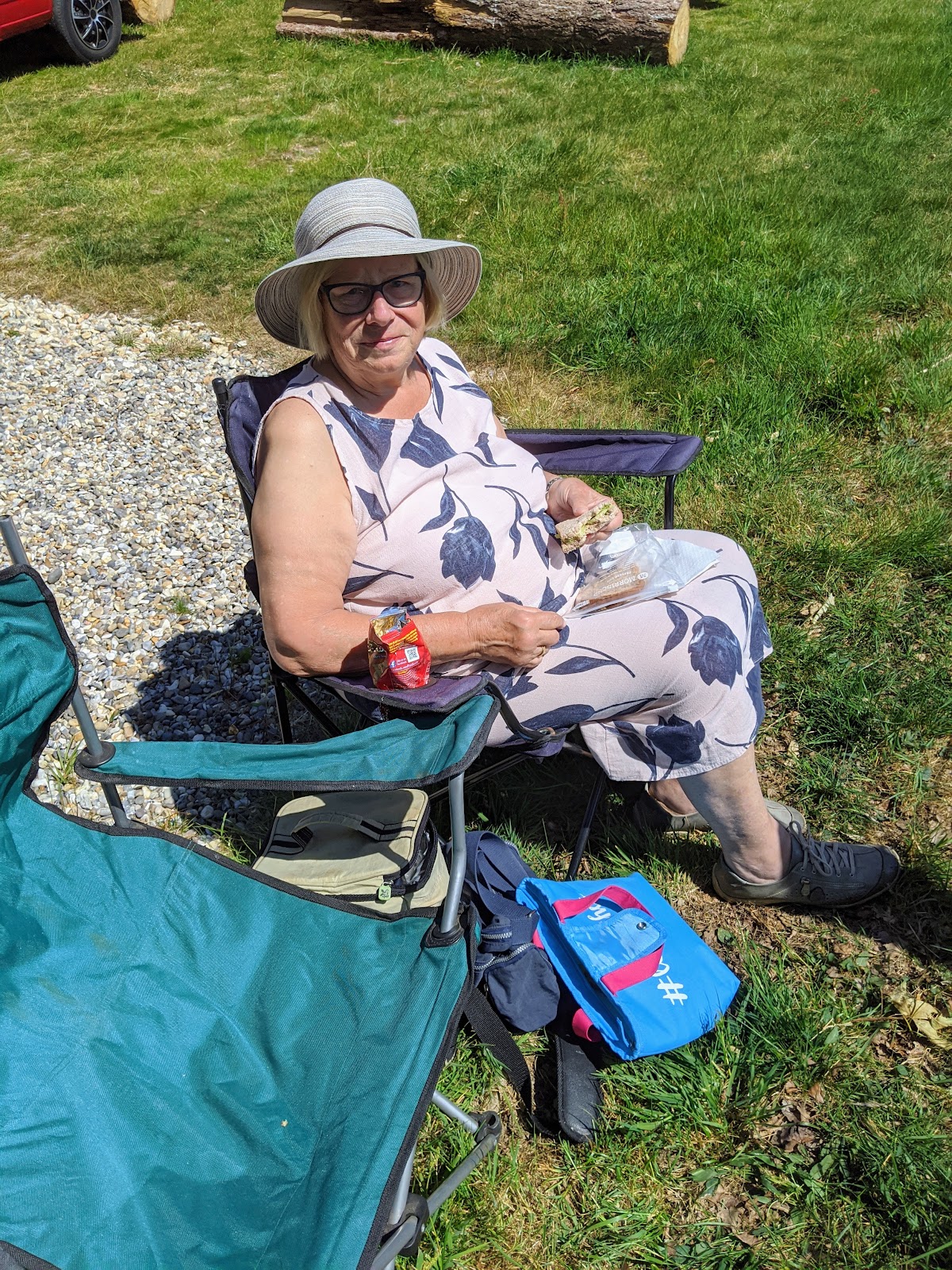
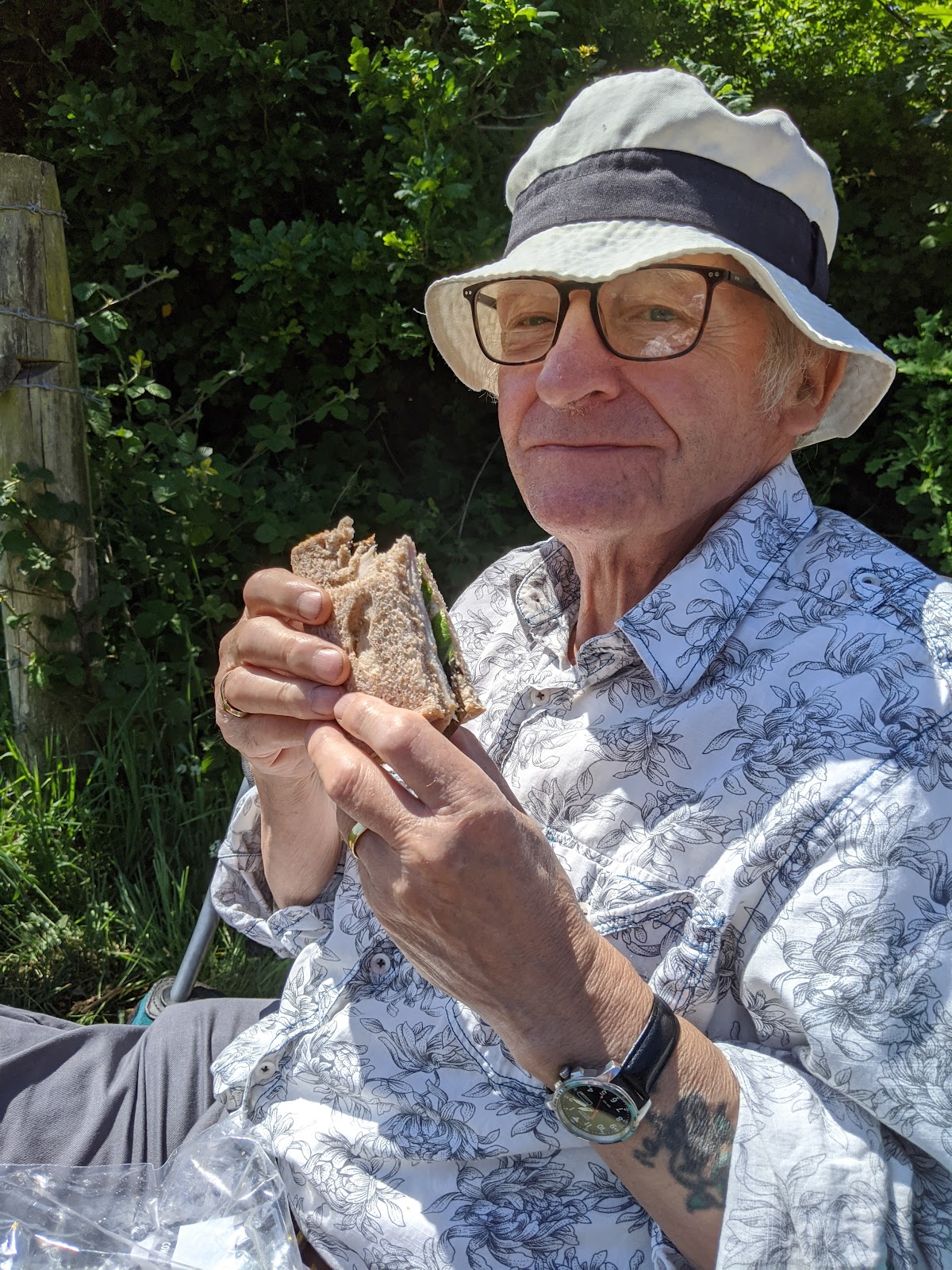
We set up our chairs and sat ready to enjoy our picnic lunch. We were a little early and we spent an hour seated, reading and taking in the sounds and sights of Nature. It was a pleasant day to spend doing very little, just relaxing, watching the grass grow as it were.
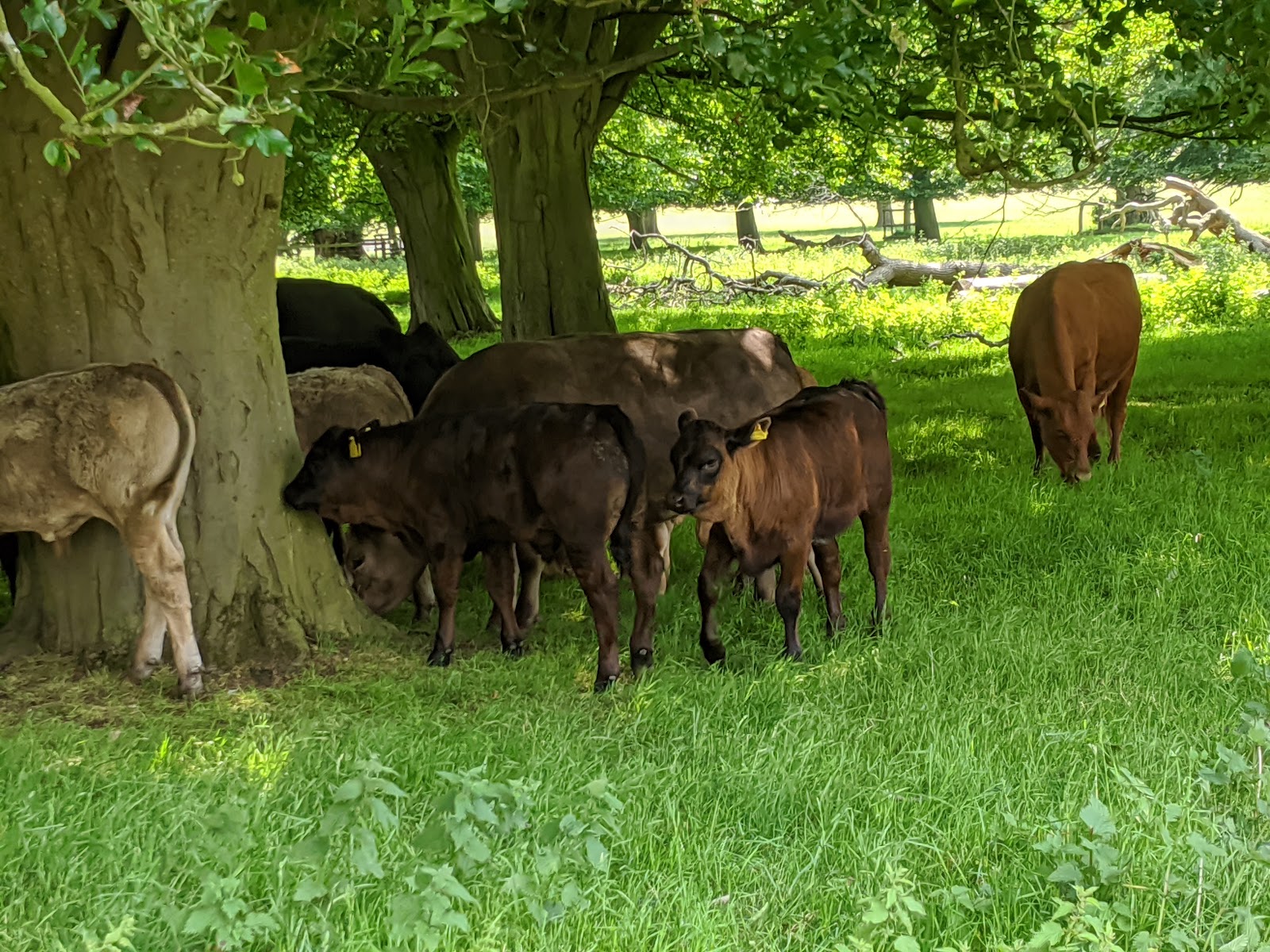
After lunch we took a stroll towards the main building where we came across a small herd of cows feeding on and under some trees.
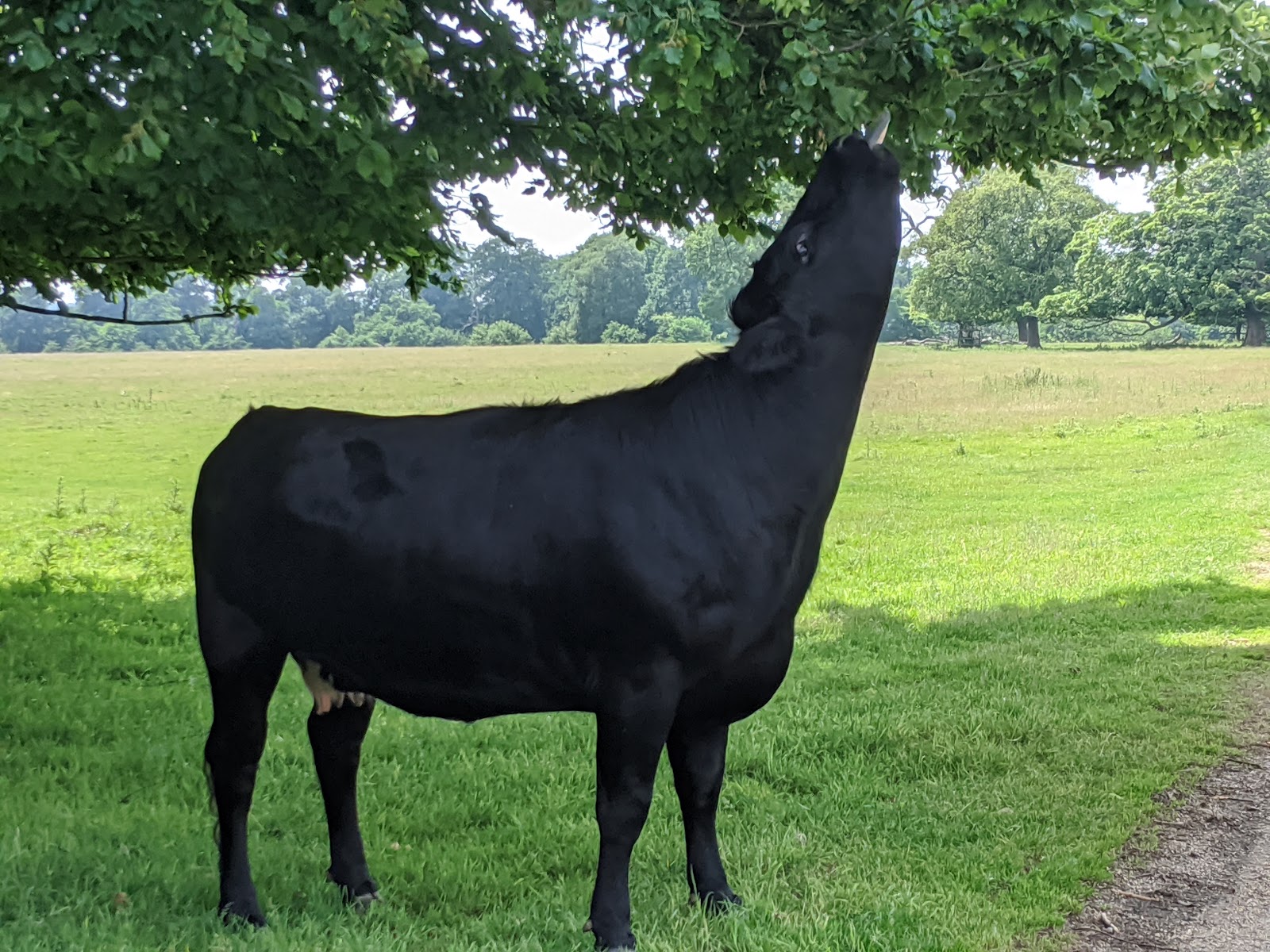
As we passed a large black cow stepped up towards me with her head down.
I stepped back and she took another step forward. I would have given her a friendly stroke or a pat on the head but I noticed her head was full of flies, she was that close. Margaret and I decided it was time to move on and we made our way to take some photos of Felbrigg Hall.
We passed a pretty, well-cared for garden at the front of the building. There was a notice to inform visitors that although the walled garden was closed to the public, the Head Gardener was still working.
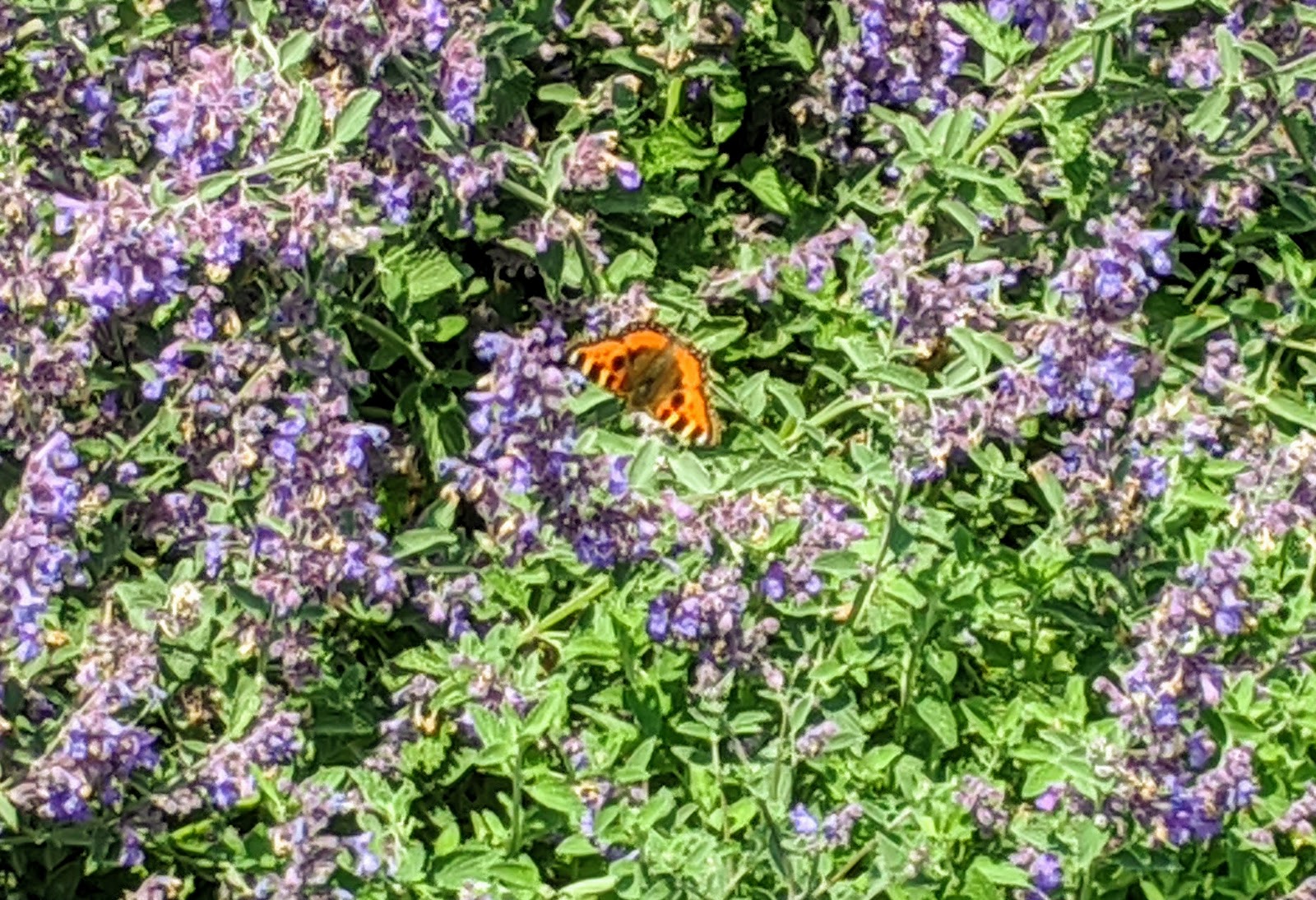
I snapped a lovely photograph of a small tortoiseshell butterfly sipping nectar from a large lavender bed. The plants were literally covered in insects and butterflies.
We continued strolling around the front of the house.
Finally we made our way to our car where we enjoyed a nice cup of hot tea from our flask before we made our way home.
The war was over, family life was in a turmoil. Betty was at her wits end. She was pregnant and in overcrowded lodgings with her two babies, Peter and Penny. The landlady, a widow with three daughters, was sharing her house with Betty. One day a man wearing a dark blue overcoat arrived and spent a long time with Betty in the parlour. Her children, both under five, were waiting with the landlady, playing games in the kitchen, oblivious of the life changing decisions being made by their Mum. Finally with tears filling her eyes Betty announced the heartbreaking decision she had arrived at. Her babies would have to go into a children’s home.
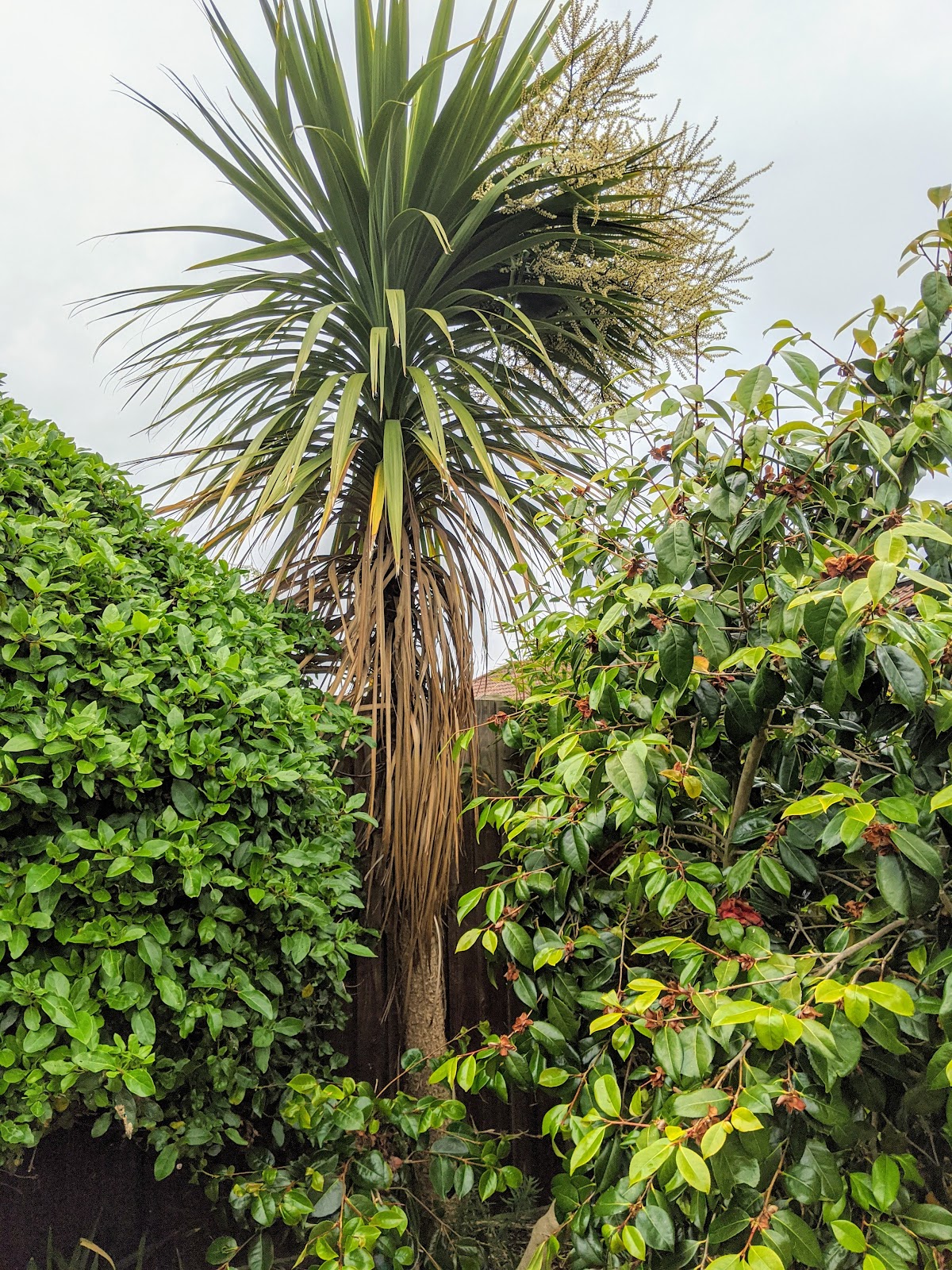
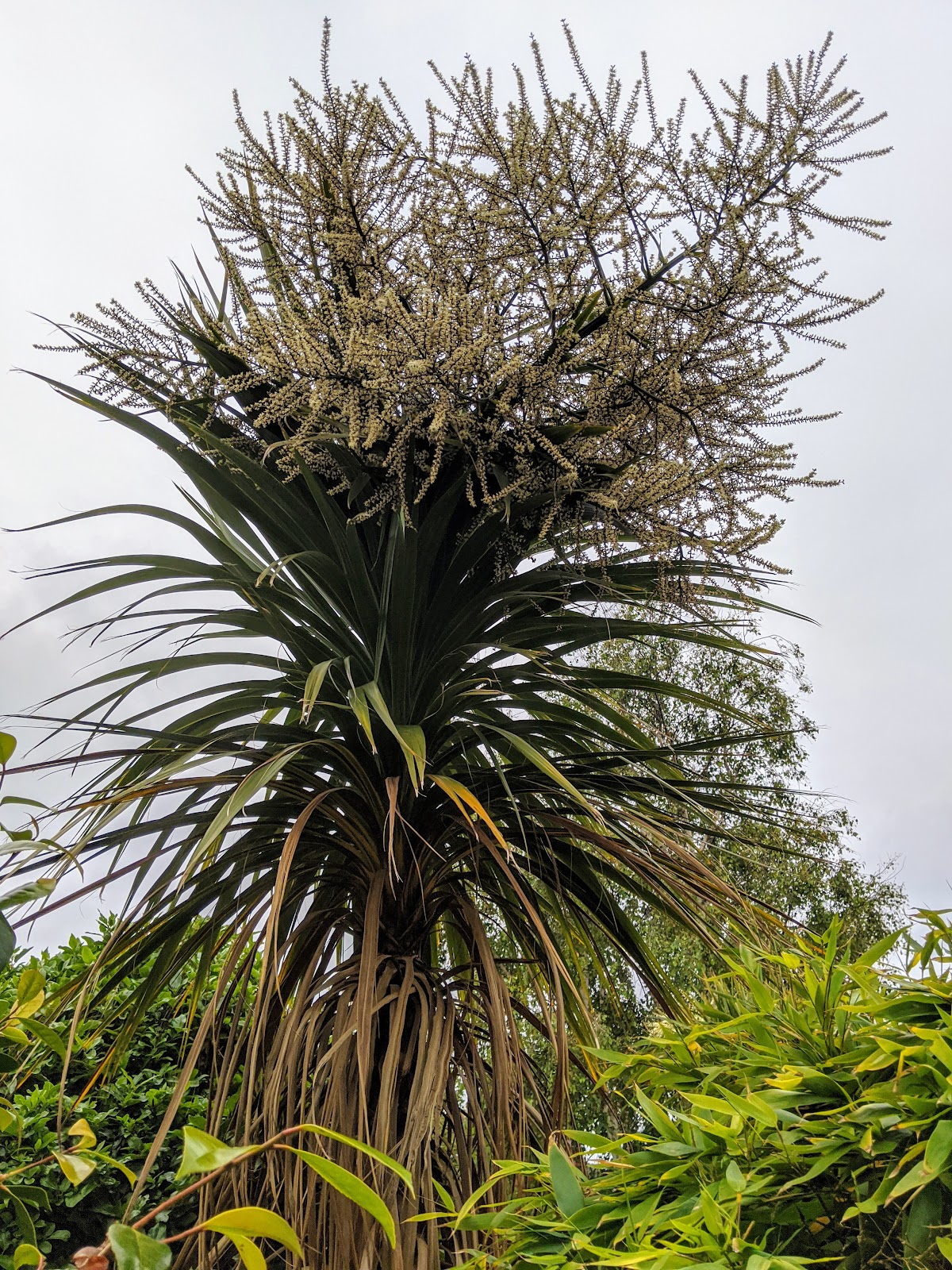
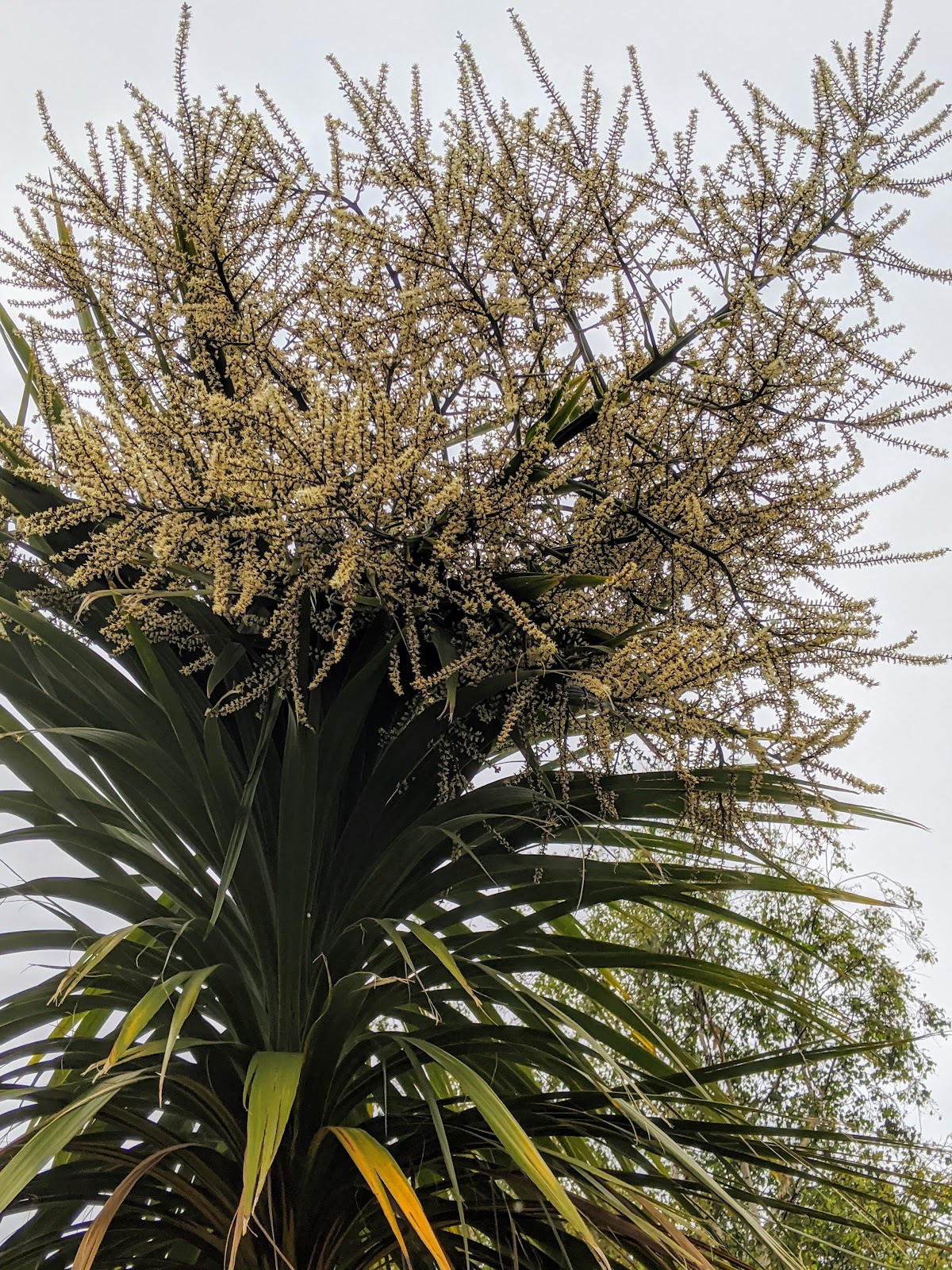
These photographs show an amazing tropical tree that mysteriously appeared in our garden about 10 years ago. It grew from a tiny shoot and became larger and larger until it is now over eight foot tall.
Our next door neighbour has an older, even larger version of the same tree and we can only draw the conclusion our tree is an offspring of that splendid specimen. We think somehow a seed, perhaps delivered from a passing bird or insect was transported to our garden and took root.
This year is special though as it has burst out with a huge white branch of small white flowers. Google lens identified it as a Cordyline australis, or a New Zealand plant.
‘Cordyline australis, commonly known as the cabbage tree or cabbage-palm, is a widely branched monocot tree endemic to New Zealand. It grows up to 20 metres tall with a stout trunk and sword-like leaves, which are clustered at the tips of the branches and can be up to 1 metre long. (Wikipedia)’
I came up with the following information from the internet. Some comprehensive facts on the edible parts of the tree and how the Cabbage tree got its European name and the many interesting uses discovered by the native Maori people.
The huge flowers are too high on the tree for us to experience the reputed fragrance. There are many bees and insects visiting this unusual tree so there should be some interesting flavoured honey in a hive somewhere nearby.
I remember an unwilling, uninspiring English language teacher several years ago, who demonstrated some individual views on life that would have been highly criticised today. His major goal in life at the time was a high degree of self-promotion. His outward role was to attempt to instil in his pupils, (subjects), an interest in writing and appreciating poetry. He would start a session by reading his personal examples of poetry, then invite comments, which were obviously expected to be positive. The class would then be invited to write a poem on a set subject. An hour later our teacher would sit and take them apart piece by piece. The session would end by him handing out a subject to take away and use as an impetus to write a piece of poetry. When I wrote the above poem, I was influenced by some of his views and his comments. I included a couple of sentences that to this day I hope he noticed and took away with him.
Of course I’ve reworded and rejigged some of the words, since I resurrected it. When I look back, I can’t help thinking perhaps he wasn’t a bad teacher as he certainly stung me into action.
I thought I would resurrect an old post of mine from five years ago.
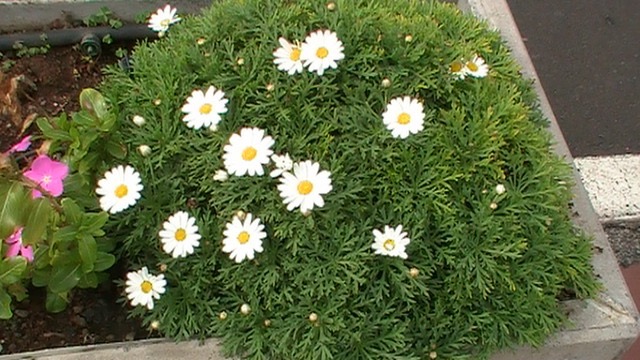
DIALOGUE WITH A DAISY
by John Yeo
The garden was a mess, there had been an incredible North wind overnight that savagely blew everything to bits. I leaned on my spade and surveyed the damage, branches and leaves had been ripped from our trees and were lying everywhere.
Then out of nowhere a tiny voice whispered ‘Please don’t tread on me!’
Shaken, as I knew I was totally alone, I wheeled around in surprise.
‘I’m down here! Next to your incredibly large foot.’
I looked down to find there was nothing there except Dandelions, Daisies and Grass.
‘I can’t see you! If you are real and not a figment of my imagination, make yourself visible!’ I declared.
At this point I seriously doubted my sanity.
‘Look again! I am the good looking one with the purest white petals and a yellow heart of gold’
Stunned, I was now certain madness loomed and I was headed for hospital, I made to get away from there fast.
‘No! Don’t go please, I would love to talk to you about many things. I have been watching you very closely. Why do you work so hard, and worry so much?’
I thought, Why should I be worried about one small insignificant voice claiming to be a natural being.
‘What do you mean by petals and a yellow heart? Do you mean to say you are a common Daisy? If so, I can’t tell one of you from another, you all look the same to me!’
The tiny Daisies voice reflected a note of annoyance as it politely stated.
‘Less of the common, Big-Feet. We have a unique way of survival that excludes individuality and we are rooted here as one. Funny though, I can never differentiate the different clodhoppers that stomp around and squash our leaves and petals!’
‘Listen Daisy, if you actually are a talking flower how did you acquire the language I use, and how do you manage to express yourself? You ask me why I work so hard, I have to say the garden would quickly go to rack and ruin if I stood rooted to the spot like a daisy!’
‘My language skills are a result of much study of your people’s thought patterns and I am the result of much floral cross-breeding. We have very friendly relations with your newborn babies and we mingle our minds with them and learn your language as they learn language.’
‘That’s amazing!’ I shouted to the array of daisies around my feet,
I was desperately trying to identify which of the numerous daisies was actually responsible for the conversation. I wanted to dig it up and put it in a pot to take indoors and perhaps have many deep inter-species conversations.
Then I heard a sound that was suspiciously like a giggle coming from the vicinity of my neighbours fence. Then a chuckle was clearly evident leading to an embarrassing roar of laughter, that led to enormous fits of laughter. My face became bright red as I realised the implication of these odious sounds.
Realisation dawned as I remembered my neighbour was a ventriloquist and very skilled at throwing his voice.
Today we ventured out from our self-imposed lockdown and visited Felbrigg Hall, a National Trust property. The Hall buildings and the lovely walled garden were closed, due to the Coronavirus pandemic. However, the beautiful grounds were open and Margaret prepared a picnic lunch and we made our way to the estate. We had to book and reserve a parking slot online, as the management had limited the number of parking spaces available, to prevent overcrowding.
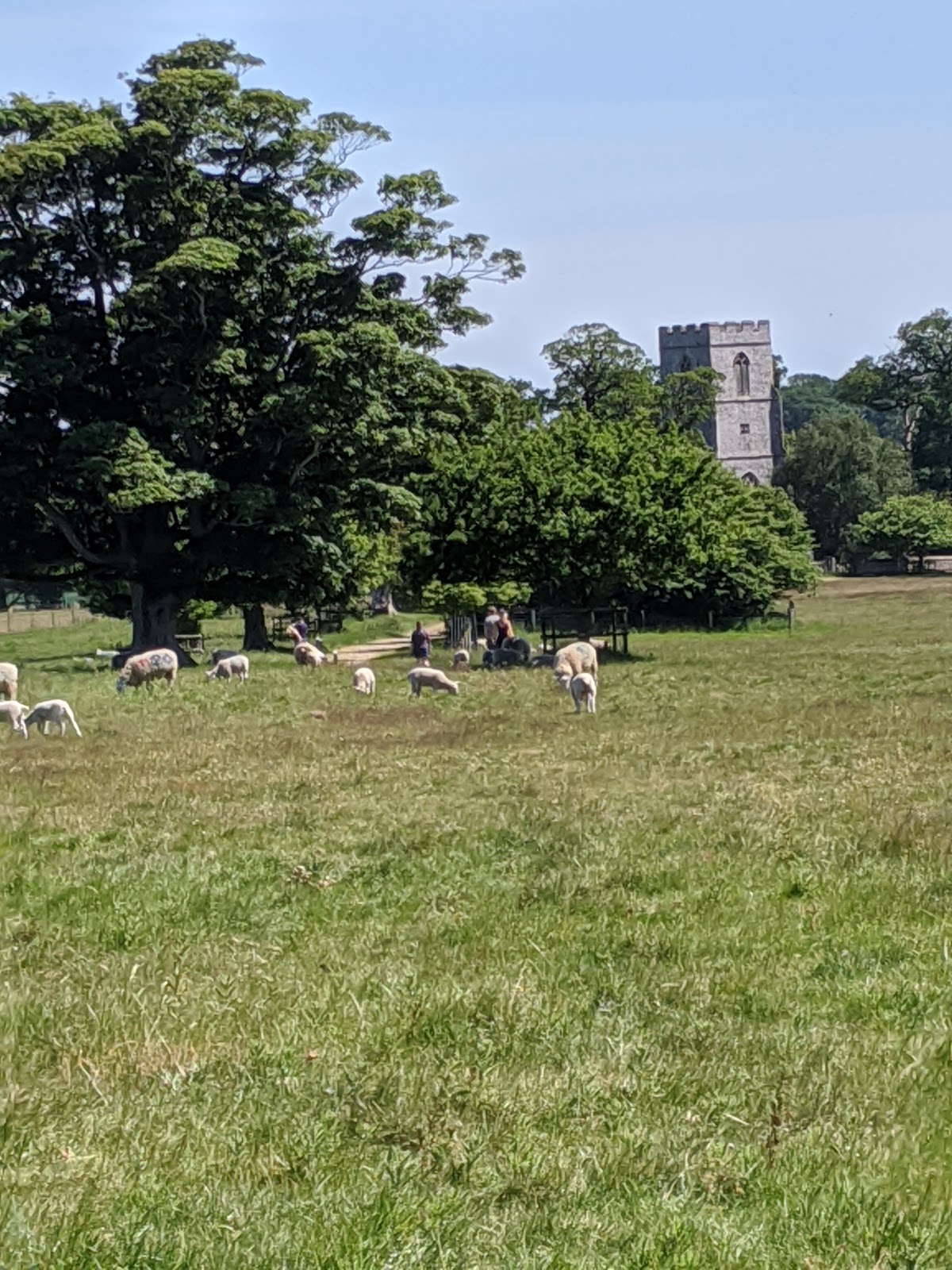
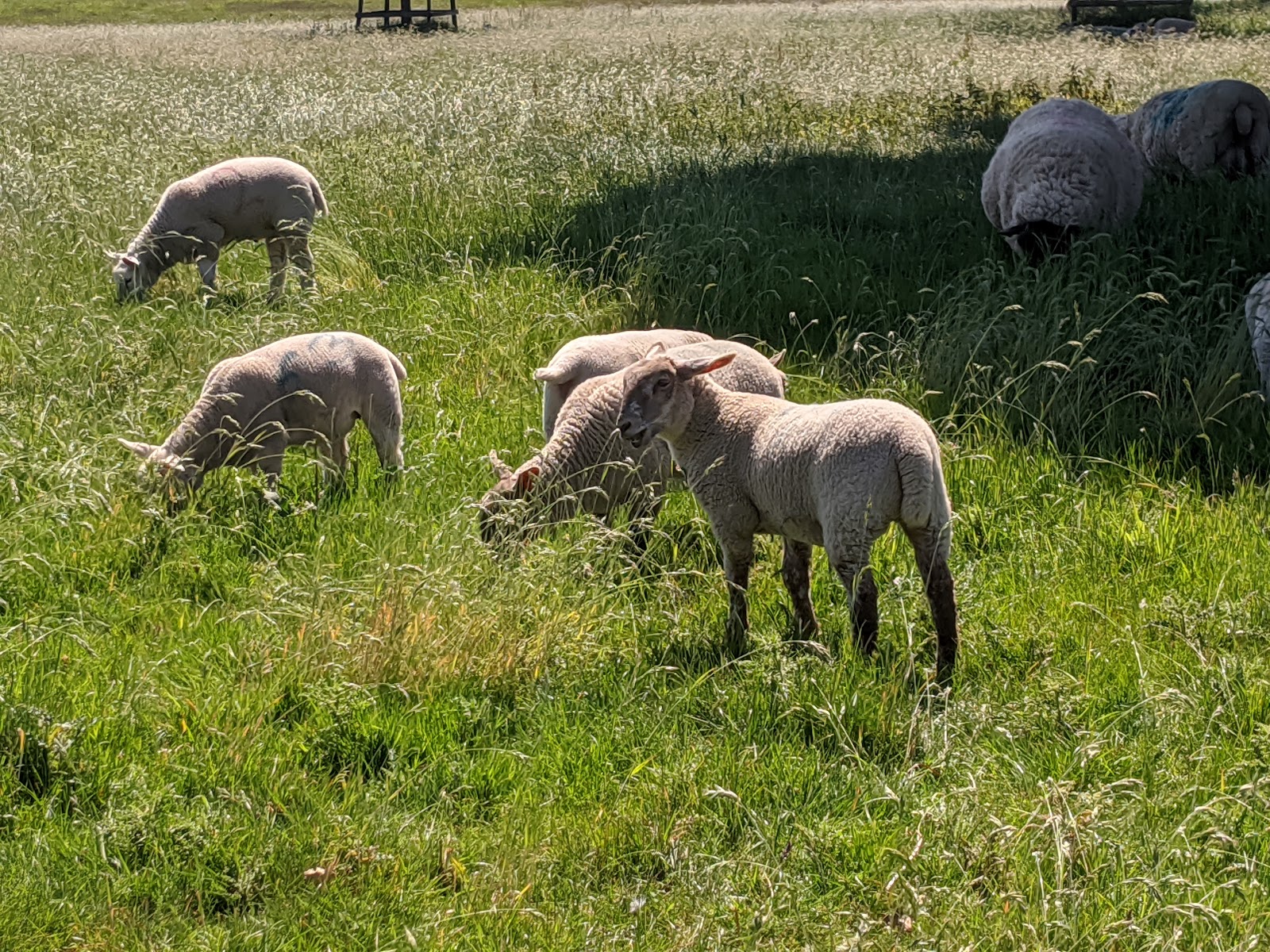
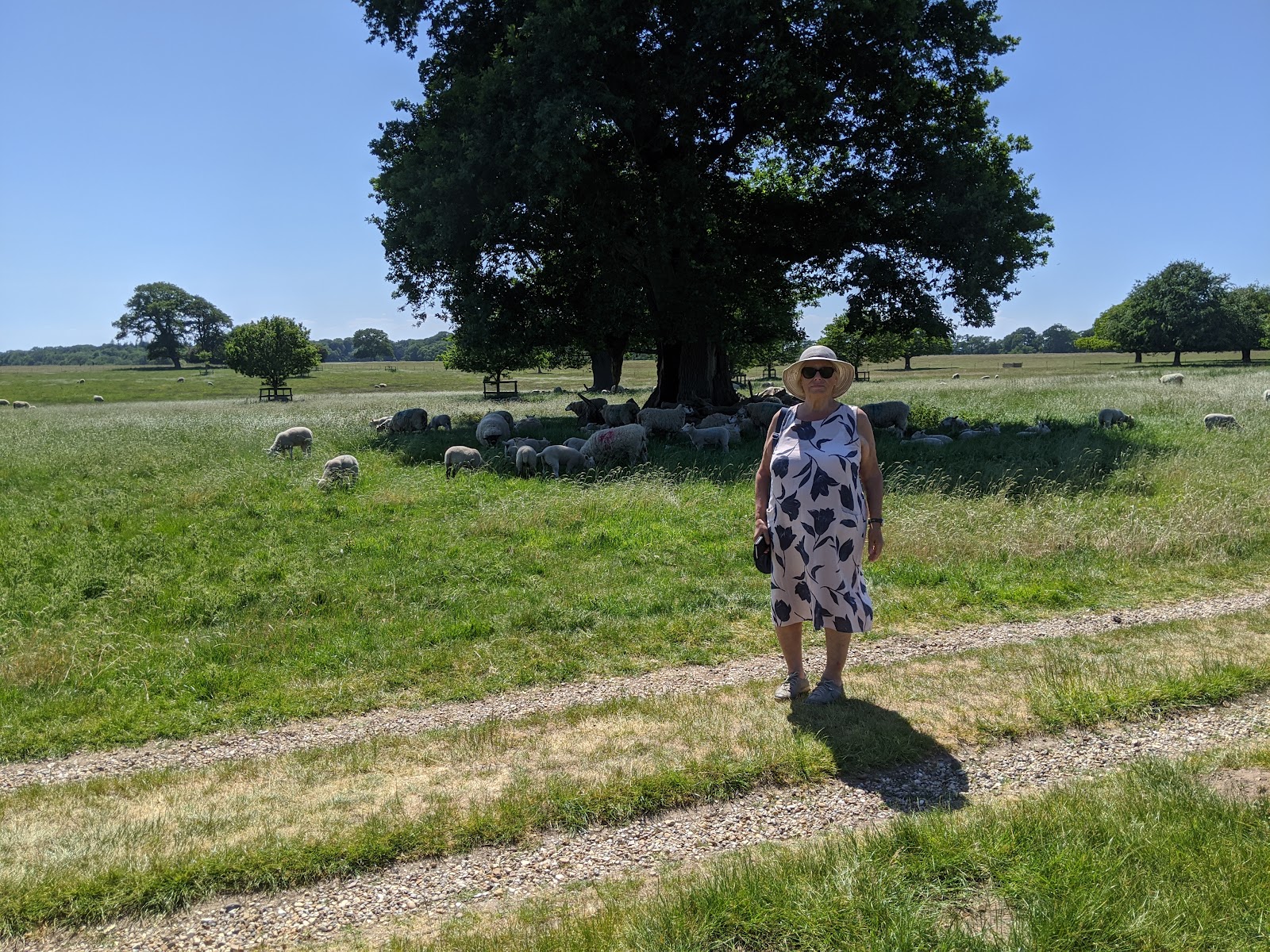
We found a lovely spot near the car park, overlooking some panoramic sweeping fields, full of sheep and lambs. There were also cattle in a distant neighbouring field. We set up our chairs and began to enjoy our picnic.
Margaret spotted a hare dashing through the grass and a couple of pheasants in the distance. There was a continuous cacophony of rooks and crows cawing in a nearby stand of trees and a few wood pigeons visible. Quite a number of other visitors were strolling around, but everyone was keeping their distance from one another and religiously observing the social distancing guidelines.
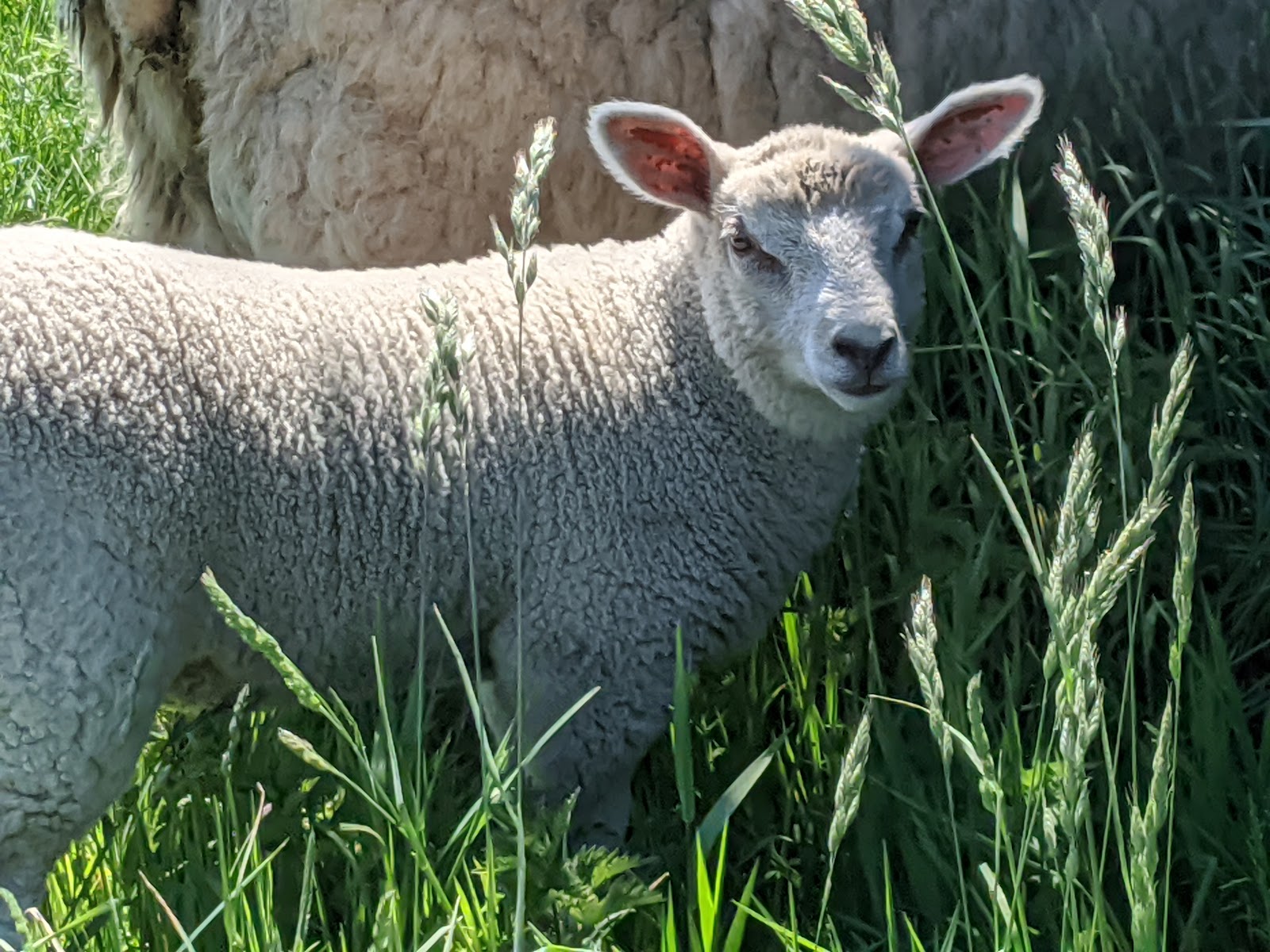
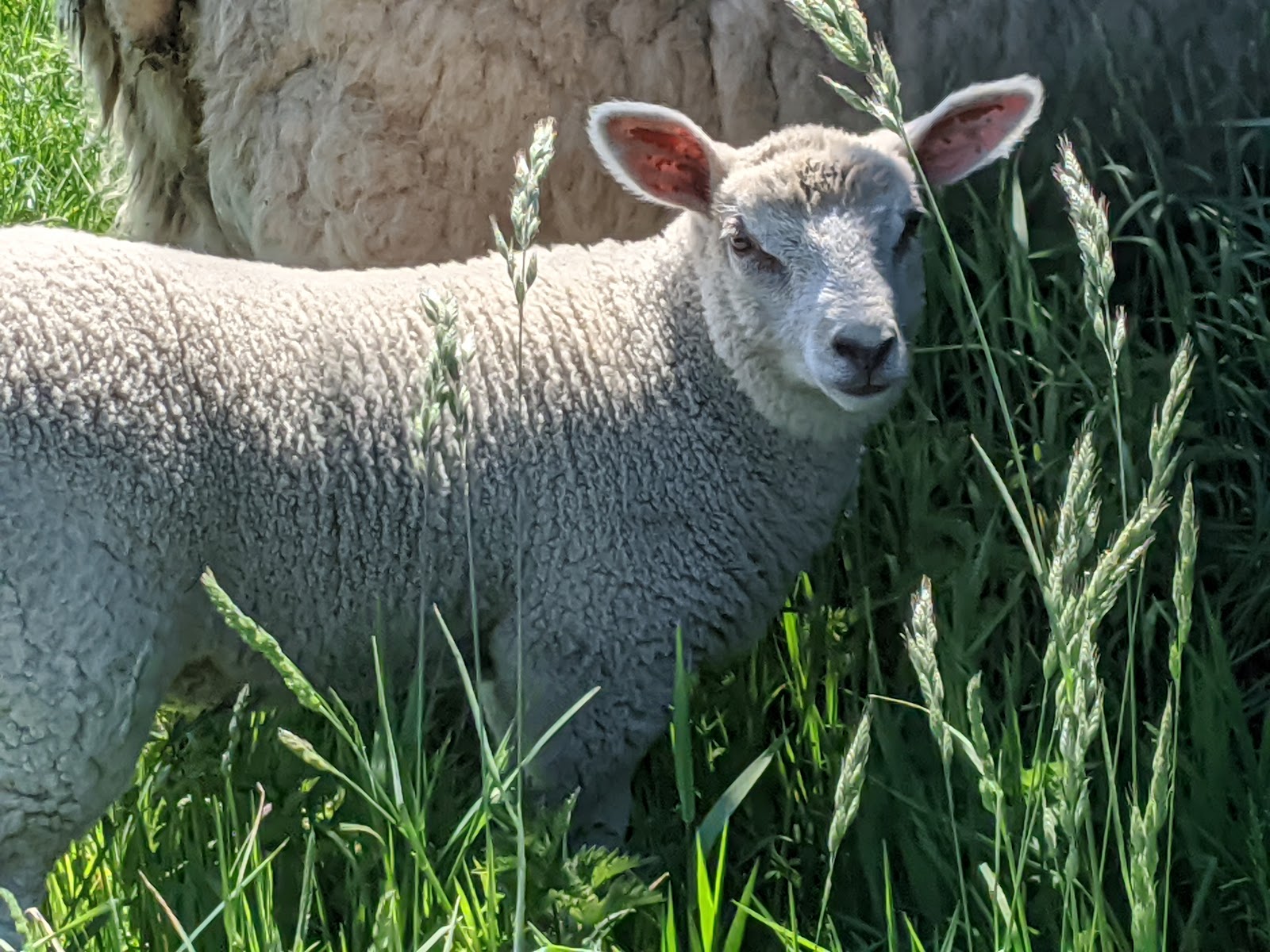
After our lunch, we followed a footpath and wandered through the field containing the sheep and took many photographs of the lambs on the way.
Several people were wandering through this field with well behaved dogs, on leads but the sheep paid no attention.
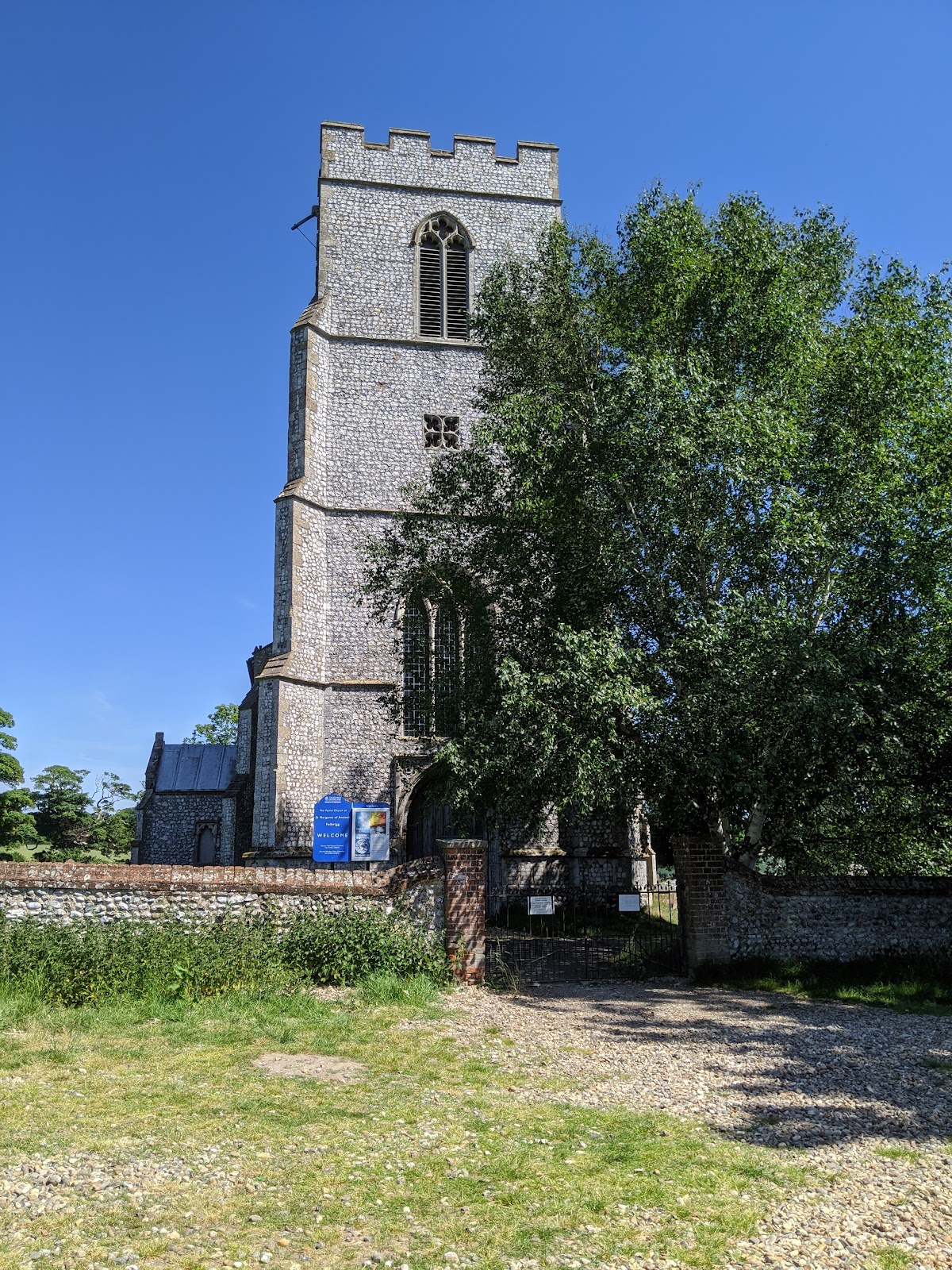
We walked to St. Margaret’s church where we stopped to take yet more photographs, the church building was closed. We made our way back to our car where we sat and enjoyed a last cup of tea and admired the view.
This was a lovely way to tentatively break the repetitive routine of the last few weeks and start to come out of social isolation.
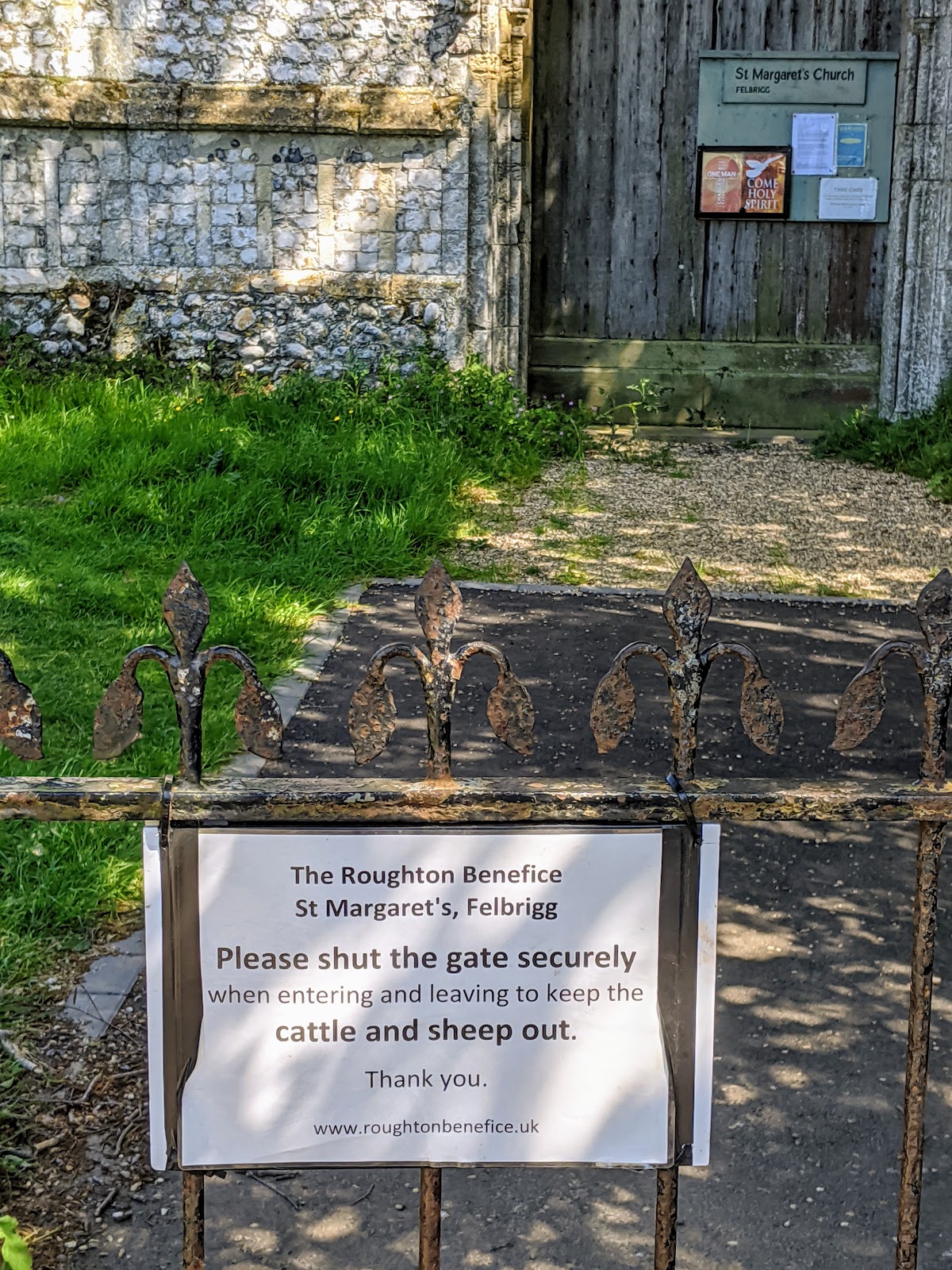
I had to photograph the notice on the church gates. One cannot allow cattle or sheep to interrupt the church service.




 TUESDAY 16th JUNE 2020 ~ BLOG POST


 SUNDAY 14th JUNE 2020 ~ BLOG POST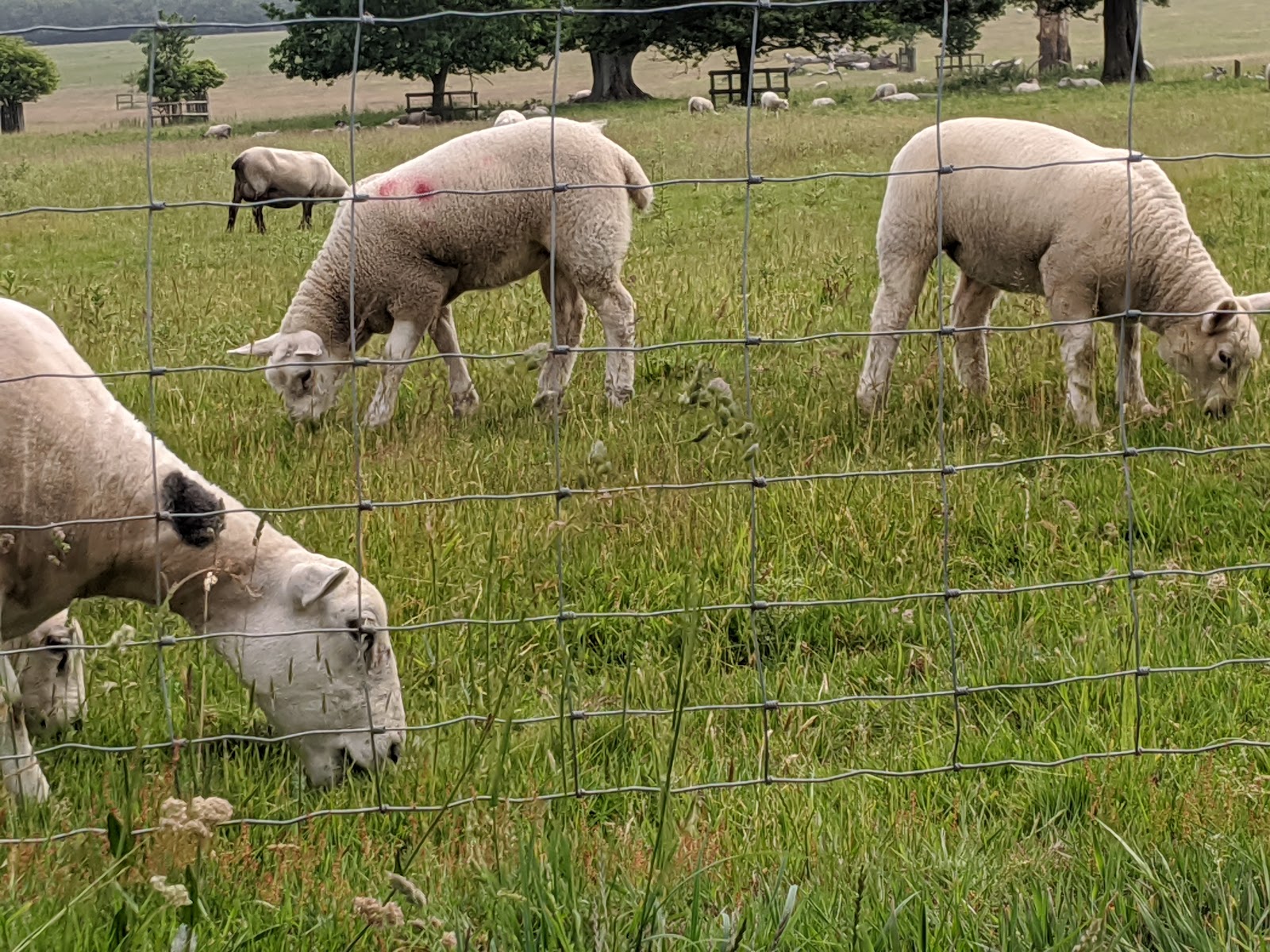
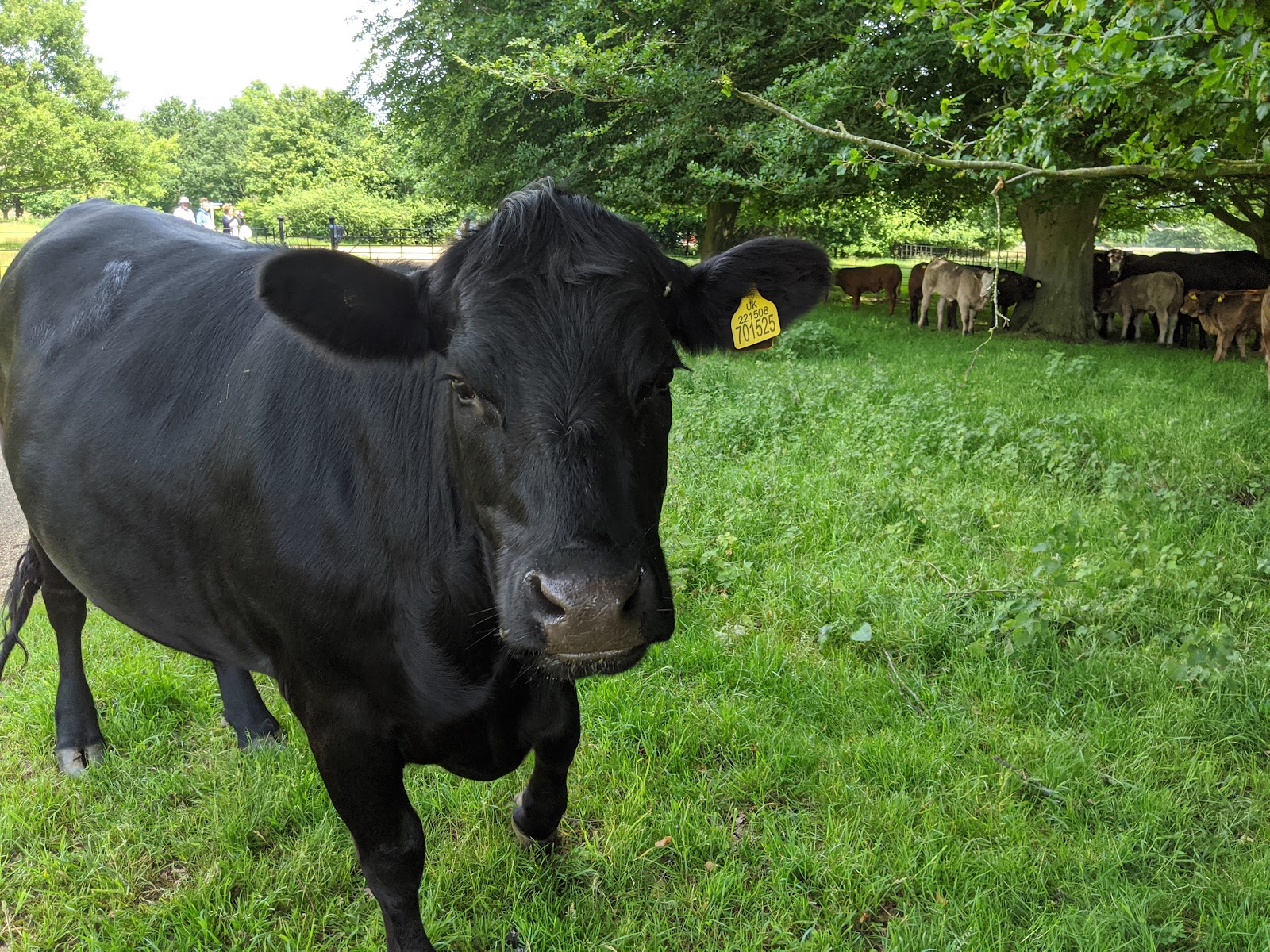
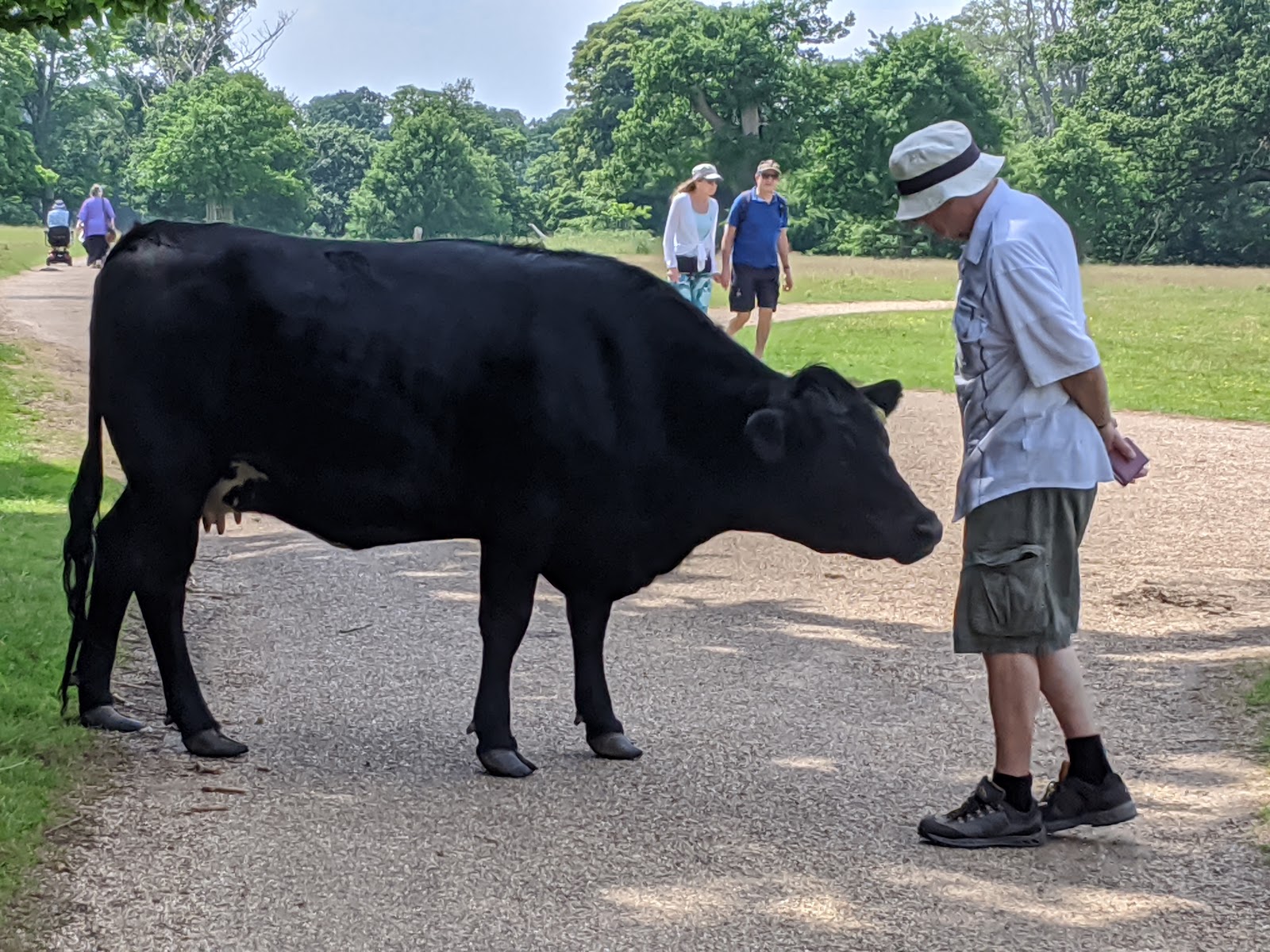 I stepped back and she took another step forward. I would have given her a friendly stroke or a pat on the head but I noticed her head was full of flies, she was that close. Margaret and I decided it was time to move on and we made our way to take some photos of Felbrigg Hall.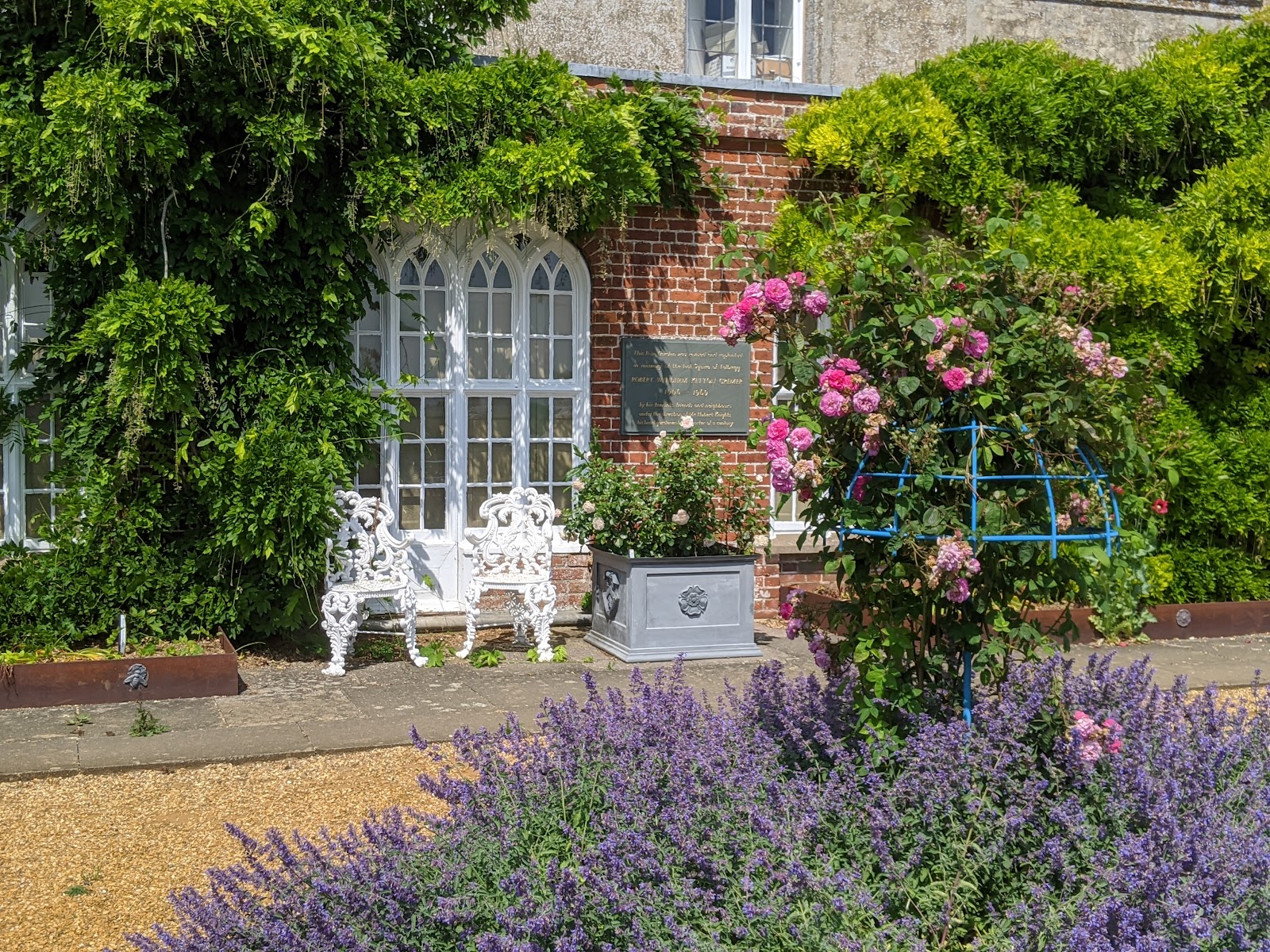


 WEDNESDAY 10th JUNE 2020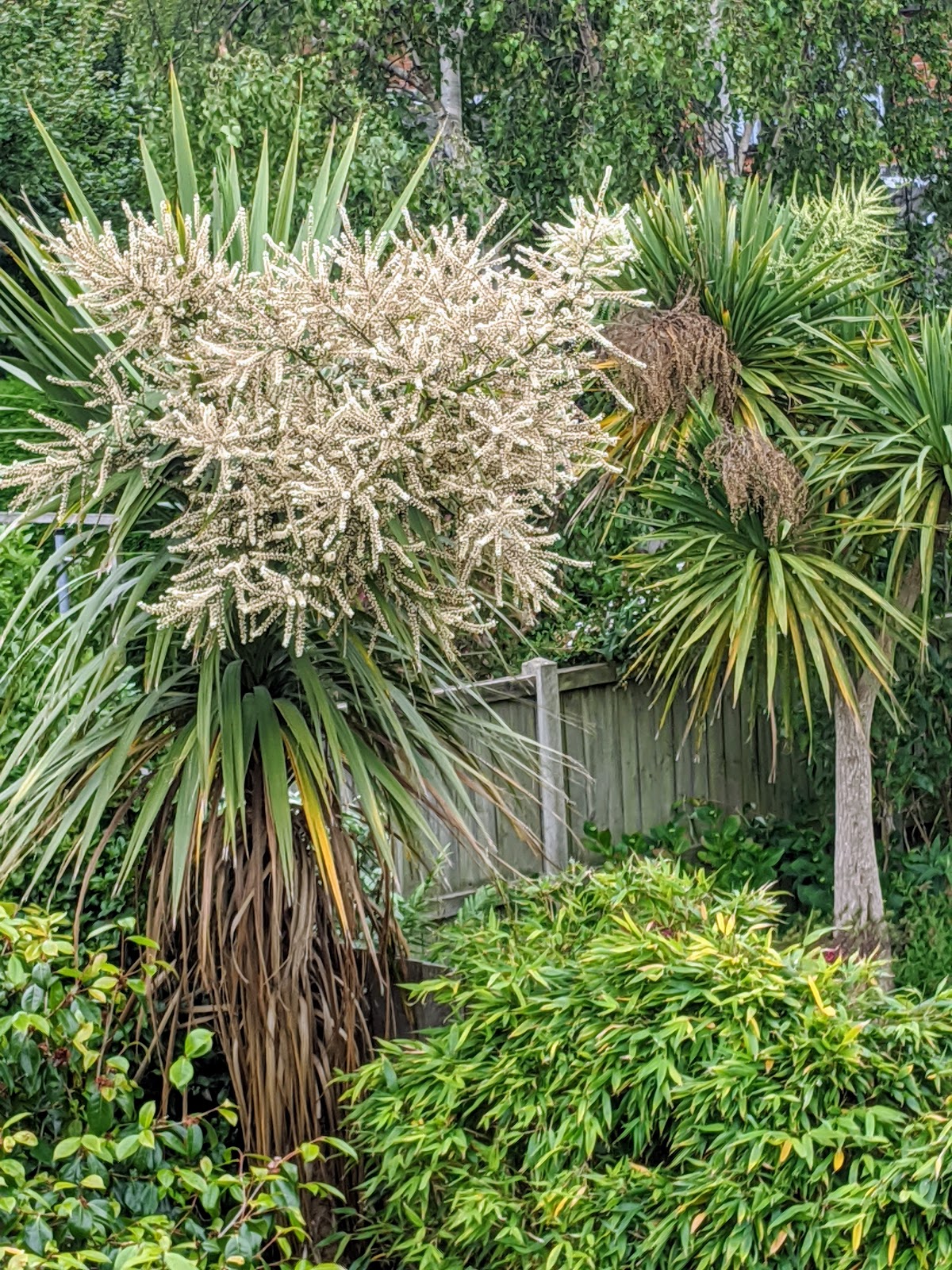
 FRIDAY 5th JUNE 2020
 However, the beautiful grounds were open and Margaret prepared a picnic lunch and we made our way to the estate. We had to book and reserve a parking slot online, as the management had limited the number of parking spaces available, to prevent overcrowding.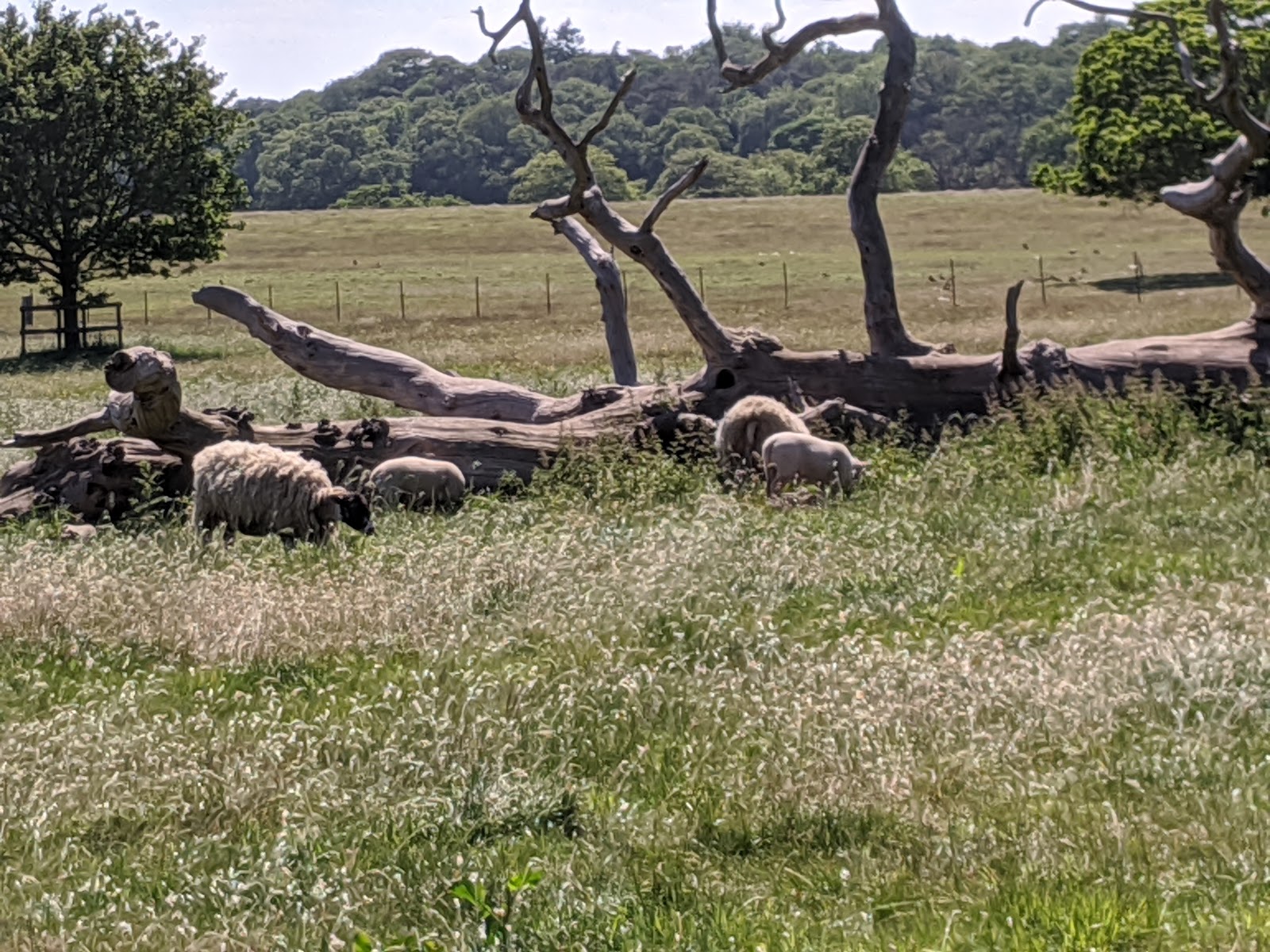
 johnandmargaret1607